

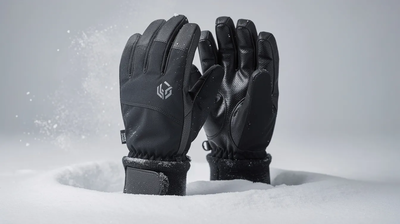
Thermal winter gloves keep your hands warm by combining insulation layers, weatherproof shells, and activity-specific designs that basic knit gloves lack. This page covers every type of thermal glove, the features that determine real-world warmth and dexterity, and a decision framework so you can match the right pair to your climate and activity.
Types of Thermal Winter Gloves
Thermal gloves break into several distinct categories, each built for a different temperature range and use case. Here is how they differ.
Insulated Ski and Snowboard Gloves
These gauntlet-style gloves pack 100–200 g of synthetic insulation (3M Thinsulate or PrimaLoft) behind a waterproof membrane. Long gauntlet cuffs prevent snow and cold air from entering at the wrist, and the shell resists soaking in wet snow. Tough Outdoors ski gloves, for example, keep hands dry with a breathable membrane and perform well in temperatures as low as 40°F.
- Best for: resort skiing, snowboarding, sledding, and general snow play from about 20°F down to single digits
- Strengths: high warmth, long cuffs, snow protection
- Trade-off: bulkier construction limits fine motor tasks like adjusting buckles or camera settings
- Skip if: you need breathable gloves for uphill touring or trail running
Thermal Work and Utility Gloves
Built for snow removal, snow shoveling, winter construction, and outdoor work, these gloves pair durable palms with insulation rated for roughly 10–30°F. HANDLANDY gloves, for instance, are waterproof and insulated for cold environments, while G & F Products offers 100% waterproof winter gloves with windproof construction. Leather outer shells provide durability and wind resistance, holding up against repeated abrasion from tools, ropes, and firewood.
Typical use cases:
- Clearing a driveway before dawn in January
- Loading firewood for a camping trip
- Winter overlanding and vehicle recovery
- Farm chores and yard maintenance in freezing temperatures
For a deeper look at this category, see our roundup of top waterproof winter work gloves for cold weather.
Lightweight Thermal Running and Hiking Gloves
Slim, stretchy thermal gloves for hiking, trail runs, and cycling use thinner insulation: brushed fleece, merino wool, or light synthetic fill. Mountain Made Cold Weather Gloves are designed specifically for cold weather running, with a waterproof absorbent material that handles light rain and sweat. Merino wool gloves provide moderate warmth in cold conditions while managing odor on multi-day trips.
These gloves work well between about 30–45°F on their own. Below freezing, they serve as a liner under a heavier shell or mitten. Think of them as a thick liner rather than a bulky ski glove; they weigh less, pack smaller, and wick moisture during active use.
Heated Thermal Gloves
Battery-heated gloves use heating wires to generate warmth for several hours, distributing heat across the fingertips and back of the hand. The ORORO All-Around model runs on a 7.4 V battery (about 14.8 Wh) and delivers up to 8.5 hours on low heat. Dr.Prepare's dual-battery gloves offer three heat levels (roughly 45°C, 50°C, and 60°C) with a runtime of about 7 hours on low.
Under Armour Coldgear Gloves retain maximum body heat in extreme cold through Coldgear technology, though they use passive insulation rather than battery power. For people with Raynaud's syndrome, ice fishing enthusiasts, or anyone standing still in sub-zero conditions, heated gloves solve a problem that passive insulation alone cannot.
Trade-offs to consider: higher price (often $80–$200), extra weight from battery packs, and charging logistics on multi-day trips. Thermalstep's boost mode reaches about 150°F for short durations, which means careful use to avoid skin discomfort.
Thermal Mittens and Lobster Gloves
Mittens provide maximum warmth in cold weather conditions because fingers share body heat inside a single chamber. Split-finger "lobster" gloves provide a balance of warmth and dexterity by grouping two fingers per compartment.
- Maximum warmth: mittens outperform same-weight gloves in every temperature test because of reduced surface area and shared heat
- Best uses: alpine camping, backcountry ski tours, Arctic trips, long slow walks in January wind
- Dexterity cost: operating a stove, GPS, or zipper requires removing the mitten or wearing a thin liner underneath
- Layering strategy: pair a merino or silk liner glove inside the mitten for tasks that need finger separation
What to Look For in Thermal Winter Gloves
These features determine whether a pair of cold weather gloves actually keeps your hands warm and functional, or fails two hours into a hike.
Insulation Type and Weight
The insulation type and weight affect glove warmth and performance more than any other single factor. Proper insulation helps prevent both conductive and convective heat loss. Thinsulate insulation is lightweight and provides excellent warmth; PrimaLoft insulation is warm and water-resistant. Synthetic insulation retains warmth even when damp and is suitable for active use, while high-fill down insulation offers an excellent warmth-to-weight ratio but loses loft when wet.
KINGSBOM gloves use 3M Thinsulate insulation for warmth, combining multiple layers of insulation in a single design. Here is how insulation gram-weight maps to temperature for moderate activity:
- 40–80 g: shoulder-season hiking, urban commuting above 30°F, cycling in cool weather
- 80–100 g: winter days above about 20°F with moderate movement
- 100–200 g: sustained cold below 20°F; snowshoeing, skiing, snow shoveling
- 200–400 g: Arctic or static exposure near 0°F and below; pair with heated elements for the coldest conditions
More insulation is not always better. At high output (uphill ski touring, fast-paced hiking), excess insulation traps sweat, soaks the liner, and makes hands colder once you stop.
Weather Protection: Waterproofing and Windproofing
Waterproof-breathable membranes prevent water entry while allowing sweat vapor to escape. Gore-Tex is waterproof and breathable for dry hands; its ePTFE pores are roughly 20,000 times smaller than water droplets yet 700 times larger than water vapor molecules. KINGSBOM gloves are waterproof, snowproof, and windproof. G & F Products gloves are waterproof and windproof, built for heavy rain and slush.
Windproof outer layers are essential for retaining warmth in cold conditions, particularly during cycling, ridge hikes, and exposed chairlift rides where wind chill strips heat faster than ambient temperature alone.
- Sealed seams at finger junctions and thumb gussets prevent water from wicking inward
- DWR (Durable Water Repellent) coatings on the shell cause water to bead off; these degrade with wear and washing, so periodic re-treatment extends performance
- Gauntlet cuffs seal the gap between glove and jacket sleeve; longer cuffs provide extra warmth and protection in deep powder
- Softshell gloves without a membrane breathe better for winter trails but soak through in heavy wet snow or prolonged rain
If you are layering your whole cold-weather kit, our guide to thermal jackets for winter adventures covers shell and insulation strategies that complement glove choice.
Materials and Durability
Shell material determines how many seasons a glove survives. Nylon and polyester shells resist moisture and dry quickly. Leather palms handle repeated abrasion from ice axes, trekking poles, and firewood without tearing. Synthetic leather weighs less but tends to degrade faster under heavy outdoor work.
- Palm reinforcement and double-stitching at stress points (thumb junction, fingertips) extend glove life for active use
- Knuckle padding absorbs impact during winter work and snow removal tasks
- For backpackers on multi-day trips, construction quality matters more than weight savings; a 20 g lighter glove that falls apart on day three is no bargain
Fit, Dexterity, and Sizing
Fit and dexterity affect the warmth of gloves in cold weather. Proper glove fit should allow room for warm air circulation without excess bagginess that reduces control. Gloves with pre-curved fingers reduce hand fatigue and improve grip during tasks like handling trekking poles or tying knots.
Measure your hand circumference around the widest part of the palm (excluding the thumb) and compare against the manufacturer's sizing chart. Many Amazon listings include a sizing chart with specific measurements for men, women, and unisex options. Brands vary; KINGSBOM gloves tend to run snug, while some ski gloves run a half-size large. User reviews are the fastest way to flag fit quirks before buying.
Multi-directional stretch panels along the fingers and back of the hand improve range of motion without adding bulk. For cold weather activities where you need to operate zippers, adjust gear, or tie knots, dexterity often matters as much as warmth.
Cuff Style and Closure
- Gauntlet cuffs (long, extending past the wrist) slide over jacket sleeves and cinch tight; best for skiing, backcountry camping, and deep snow
- Short cuffs tuck under jacket sleeves; more streamlined for everyday use, driving, and commuting
- Closures range from elastic wrist bands to hook-and-loop straps to drawcord cinches; each affects how well the glove seals against wind and snow entry
- When layering with a thermal jacket, test whether the cuff fits comfortably over or under your sleeve before committing to a style
Breathability and Moisture Management
Moisture-wicking linings help keep hands dry and warm. A quick drying comfort lining pulls sweat away from the skin before it chills the hand. During high-output activities like snowshoeing or uphill ski touring, hands can produce enough sweat to saturate an unbreathable glove in under an hour.
- Breathable membrane gloves vent moisture vapor while blocking wind and rain; ideal for variable-pace activities
- Removable liners let you pull out the inner layer, dry it overnight in a tent, and start the next day with a fresh, dry glove
- Quick drying synthetic liners recover faster than merino or fleece after getting damp
The difference matters most during transitions: hiking uphill in 25°F air with high output, then stopping for lunch. Damp hands get cold within minutes if the liner cannot shed moisture.
Touchscreen Compatibility and Grip
Touchscreen compatibility allows device use without removing gloves. Conductive material woven into the fingertips and thumb works with phone screens, GPS units, and camera touchscreens so you can check topo apps or snap summit photos without exposing your fingers to cold air.
A strong grip on the palm surface (silicone patterns, textured leather, or rubberized coating) prevents trekking poles, handlebars, steering wheels, and ice tools from slipping. For cycling, riding, and driving in winter, grip performance is as important as warmth.
Liners and Layering Options
Many winter travelers, backpackers, and mountaineers use a layered system: thin liner glove plus an insulated shell glove or mitten. This approach offers three advantages over a single ultra-thick pair.
- Adjustability: add or remove the liner layer as conditions change throughout the day
- Drying: pull liners out and dry them overnight in a tent, hut, or near a body warmer
- Redundancy: if one layer gets soaked, you still have insulation from the other
Best liner materials: merino wool for odor control and moderate warmth, silk for minimal bulk, synthetic for quick drying speed. For week-long winter trips with shifting forecasts, layering beats a single heavy glove because you can adapt without carrying multiple full pairs.
How to Choose the Right Thermal Winter Gloves
Selecting gloves for cold weather requires balancing insulation, wind protection, and fit against your specific activity and climate. Here is how to narrow the field.
- Primary activity (hiking, skiing, work, commuting): A trail runner needs a lightweight, breathable glove; a snowboarder needs high insulation and a waterproof shell; a construction worker needs durable palms with a strong grip. Match style to use first.
- Typical temperature and climate: A damp 30–35°F Pacific Northwest winter calls for waterproof membranes and moderate insulation. A dry 0–10°F Rocky Mountain morning demands 200 g+ fill or heated elements. Think about the coldest days you actually go outside, not average highs.
- Personal heat output: If you run hot during cold weather activities, midweight insulation with breathable liners will outperform a heavyweight glove that traps sweat. Removable liners let you adjust on the fly.
- Dexterity needs: Photographers, anglers tying flies, and climbers managing gear benefit from thinner, pre-curved gloves or split-finger designs. If you mostly stand still (ice fishing, stadium events), prioritize exceptional warmth or heated models over finger control.
- Fit, sizing, and break-in: Order from retailers with easy returns. Use the sizing chart, measure your palm circumference, and read reviews about whether the glove runs small or large. A glove that is too tight restricts blood flow; too loose, and warm air escapes.
- Budget vs. longevity: A $25 pair of fleece-lined thermal gloves handles everyday commuting. A $100–$150 pair with a Gore-Tex membrane and reinforced leather palm can last five or more seasons of skiing and outdoor adventure. Our product picks flag best-value options at each price tier.
Frequently Asked Questions About Thermal Winter Gloves
These answers address the questions we see most often from readers shopping for gloves for cold weather.
How warm are thermal winter gloves compared to regular knit gloves?
Thermal gloves with 100 g of Thinsulate insulation and a windproof shell keep hands warm on a two-hour hike around 20°F with wind. A basic acrylic knit glove, which lacks insulation fill and wind protection, is comfortable for quick errands above about 40°F but lets cold air pass straight through the knit. The difference comes from trapped dead-air space in the insulation and the shell blocking convective heat loss.
Are heated gloves worth it for hiking, skiing, or camping?
Heated gloves solve a specific problem: keeping fingers warm during static or low-output activities below about 10°F, or for people with poor circulation. Battery runtimes range from about 2.5 hours on high boost to 7.5 hours on low, depending on the model. For multi-day camping trips, you need spare batteries and charging logistics. If your activity keeps you moving and generating body heat, well-insulated passive gloves usually suffice. Pair them with rechargeable foot warmers for a full heated-extremity setup.
Should I choose gloves, mittens, or a glove-mitten combo for winter?
Gloves offer the best dexterity for tasks like adjusting gear, gripping poles, or using a phone. Mittens provide maximum warmth because fingers share heat in one chamber. Split-finger lobster gloves provide a balance of warmth and dexterity. A practical rule: active outdoor sports or gear-heavy tasks favor gloves; deep-winter camping or slow-paced walks in extremely cold weather favor mittens or combos with liner gloves underneath.
What is the best way to size and fit thermal gloves for online buying?
Measure your hand circumference at the widest part of the palm (without the thumb) and your hand length from wrist crease to middle fingertip. Compare both numbers against the brand's sizing chart. Leave a small gap at the fingertips for insulation loft and air circulation; a snug-but-not-tight fit keeps hands warm without cutting circulation. Amazon reviews for specific models often flag whether the glove runs small or large for men and women.
How do I care for and wash thermal winter gloves?
Most synthetic-insulated gloves can be gently hand-washed in lukewarm water with mild detergent, then air-dried away from direct heat. Leather palms need specific leather cleaner and conditioner to stay soft and water-resistant. Machine drying on high heat damages membranes and can melt adhesive seams. GORE-TEX inserts stay waterproof even after 5 wash cycles at 60°C per EN ISO 6330, but cheaper monolithic membranes can leak after fewer washes. Re-apply DWR spray every season or two to restore water beading on the shell.
Can one pair of thermal gloves work for all my winter activities?
A midweight waterproof ski glove (around 100–150 g insulation) can cover casual hiking, snow shoveling, and everyday commuting. But it will be too warm and bulky for trail running, and not warm enough for standing still in 0°F air. Most people who spend serious time outdoors in winter own at least two pairs: a lighter, breathable option for active use and a heavier or heated pair for the coldest days. Stock a thin liner as a backup for layering flexibility.
Explore Thermal Winter Gloves for Your Next Adventure
Match glove type, insulation weight, and weatherproofing to your activity and climate rather than defaulting to the thickest pair on the shelf. Whether you need a lightweight fleece-lined glove for cycling and everyday errands or a 200 g insulated, waterproof gauntlet for mountain camping, the right pair protects your hands without sacrificing the dexterity or breathability your activity demands. Compare a few options, check real-world user reviews, and choose the pair that will keep your hands warm on the coldest days you are willing to go outside.
Member discussion