
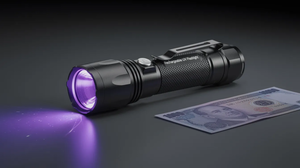
Rechargeable UV Flashlights: What This Guide Covers
Rechargeable UV flashlights - often called black light flashlights - are compact tools for revealing fluorescent stains and materials that stay invisible under normal lighting. This guide covers the types, features, and decision criteria that matter when you're shopping for a rechargeable UV flashlight, whether you need it for scorpion hunting on a desert campsite, finding hidden urine stains at home, leak detection in HVAC systems, rockhounding, or counterfeit money detection. Below you'll find the key categories of rechargeable UV lights, what to look for in wavelength and battery systems, how to choose the right model for your use case, and quick answers to the most common buyer questions.
Types of Rechargeable UV Flashlights
Not every rechargeable UV flashlight serves the same purpose. They vary by form factor, wavelength, and overall power - and those differences determine what each model is actually good at.
Compact EDC Rechargeable UV Flashlights
Pocket-sized models, roughly 3–5 inches long, running on a single 18650 cell or a built-in Li-ion battery with a USB-C charging port. These are ideal for everyday carry: checking hotel rooms for stains, quick ID and currency verification, a campsite sweep for critters, or a fast gear inspection. Charging is usually through a USB-C or micro-USB port built into the body, making them easy to top off from a portable solar charger or power bank. Budget EDC UV lights like the Darkbeam B61 365 nm sit around $14 and use a single 18650, while premium rechargeable options commonly offer 365 nm wavelengths with better filtering and build quality.
Headlamp-Style Rechargeable UV Lights
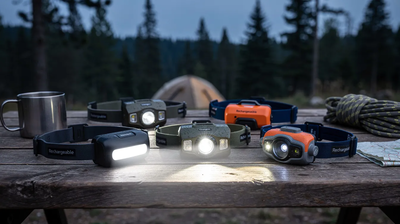
Hybrid headlamps that include a dedicated UV mode or separate UV LEDs alongside a white-light bulb, powered by rechargeable battery packs. These shine for hands-free tasks: tent and gear inspection, close-up mineral hunting, nighttime campsite chores, or small repairs where UV-reactive adhesives are used. The trade-off is that headlamp UV output is generally less intense than large handhelds, but for continuous close work - within a 1 to 3 foot range - they're more practical. If you already carry a hiking headlamp, a UV headlamp can consolidate your lighting kit.
What to Look For in a Rechargeable UV Flashlight
These are the concrete attributes that separate a worthwhile purchase from a disappointing one. Each feature ties directly to real performance outdoors and at home.
UV Wavelength: 365 nm vs 395 nm
The best UV flashlights emit wavelengths between 365 nm and 400 nm, but where a model falls in that range changes what you'll actually see. UV output typically ranges from 365 to 400 nm across consumer models.
365 nm flashlights emit less visible light - the beam looks dim to the naked eye, almost no purple glow - but they produce much stronger fluorescence in target materials. Certain materials absorb UV energy and release visible light through fluorescence, and 365 nm wavelengths produce less visible purple glare, giving you dramatically better contrast. This is the wavelength serious mineral collectors, forensic inspectors, and pet-stain hunters prefer. Faint yellow-brown urine spots that vanish under a 395 nm beam pop clearly under a filtered 365 nm unit.
385–395 nm flashlights produce more visible light - a bright purple beam you can easily track across the ground. Scorpions fluoresce under UV light at either wavelength, but the visible beam helps you navigate terrain. The uvBeast V3 emits UV light at 385–395 nm, and it can fluoresce objects up to 135 feet away. These models are also cheaper to manufacture, so budget options overwhelmingly sit in this range. The difference comes down to use: for general camping, disc golf, and party effects, 395 nm is fine. For sensitive inspection work, 365 nm is worth the price jump.
UV flashlights should not exceed 395 nm to avoid crossing into visible light territory where UV effectiveness drops sharply.
Battery Type and Recharge System
Rechargeable UV flashlights are powered by internal or removable rechargeable lithium-ion batteries. Here's how the common setups compare:
- Built-in Li-ion with USB-C: Convenient - plug in and charge. Rechargeable UV flashlights often feature built-in USB-C charging ports. No spare cells to manage. The downside: once the internal pack wears out after hundreds of cycles, you may need to replace the entire unit.
- Removable 18650 / 21700 cells: An 18650 offers roughly 2,500–3,400 mAh at 3.7 V; a 21700 pushes 4,000–5,000 mAh. Removable cells let you swap batteries on the trail, carry spares, and replace worn cells individually. Rechargeable lithium-ion batteries deliver steady electrical current to the circuit board, maintaining consistent UV output across the discharge curve.
- AA/AAA NiMH in "rechargeable-ready" hosts: Less common in high-power UV units due to lower voltage and energy density, but workable for small EDC lights. AAA batteries in NiMH form are cheaper to start with but won't push the wattage a serious UV LED demands.
For backpackers, USB-C compatibility with power banks and solar chargers is a major advantage. Look for charge indicators, reasonable charge time (under 4 hours), and quality protection circuits that guard against overcharge, overdischarge, and short circuits.
Output, Beam Pattern, and Range
UV output is not meaningfully measured in lumens - lumens measure visible light, not ultraviolet. Manufacturers who advertise high lumen counts for UV modes are being misleading. More relevant specs include radiant intensity in milliwatts (mW) or UV irradiance in µW/cm² at a stated distance. UV flashlights can have a radiant intensity of 1,950 mW at the high end.
Beam pattern matters as much as raw power:
- Throw beams (deep reflector, focused hotspot) work better for spotting scorpions or finding disc golf discs at 30–50 yards. UV flashlights can project a beam up to 135 feet in throwy configurations.
- Flood beams suit close-up inspection - tents, sleeping pads, carpets, walls - where you need even coverage at 1 to 3 feet.
- Zoomable heads exist but may reduce UV purity, introduce secondary reflections, or lose throw when widened.
UV flashlights work best in low light conditions with a 1 to 3 foot range for stain detection, while distance-dependent tasks like critter spotting benefit from higher intensity and focused optics. UV intensity falls off with the square of distance, so no amount of raw power compensates for a poorly focused beam.
Filters and Visible Light Suppression
A ZWB2 filter - a thick piece of dark "black glass" - blocks most visible light from UV LEDs, leaving mainly ultraviolet transmission for high-contrast fluorescence. Optical filtering improves the contrast of fluorescence by blocking visible light that would otherwise wash out subtle glows. A ZWB2 filter blocks visible light from UV LEDs at optical density 3 or higher, meaning roughly 1/1,000th of visible light passes through.
Filtered 365 nm lights look dim to the eye - the beam is nearly invisible - but the fluorescence they produce is dramatically sharper. For mineral collecting and precision inspection, this is exactly what you want. If you prefer an easily visible bright beam for scorpion hunting or party effects, an unfiltered 395 nm output may actually serve you better. Filters are physically thick (3–5 mm), add cost, and can scratch or delaminate on cheaper models, reducing performance over time.
Durability, Water Resistance, and Outdoor Readiness
For any flashlight that joins your outdoor gear kit, construction matters. Look for:
- Aluminum alloy body with Type III hard anodizing - durable enough to survive drops onto rock.
- Knurled grip for wet or gloved hands.
- Recessed or protected switches that won't activate in a pocket or pack.
- Metal threads with O-rings and sealed USB port covers to keep moisture and dust out.
IP ratings tell you what conditions the unit can handle. IPX4 means splash-resistant - fine for light rain. IPX7 means temporary immersion to 1 meter - safe for puddles and stream crossings. IP68 adds full dust protection plus deeper immersion. For desert hiking or wet conditions, IPX7 or better is the point where you stop worrying about your light.
Heat is a real concern: UV LEDs generate significant heat during operation, and some lights derate output in high ambient temperatures to prevent damage. In winter camping, batteries lose capacity in extreme cold. Consider how operating temperature affects your specific trips.
Controls, Modes, and Lockout
Common UI patterns include a tail switch for on/off plus a side switch for mode cycling. A simple mode set - low, medium, high UV, maybe a white-light mode - is far more practical than 8+ gimmicky modes including strobe and SOS that most users never touch.
Electronic or mechanical lockout (a physical twist of the tail cap or an electronic hold sequence) prevents accidental activation in a pack. Without lockout, a flashlight can drain its entire battery bouncing around in your bag - a real problem on multi-day trips. Rechargeable UV flashlights maintain constant high-power output without replacing disposable cells, but only if you arrive at camp with charge left.
How to Choose the Right Rechargeable UV Flashlight
Turning features into a decision comes down to five criteria:
- Primary Use (Outdoor, Home, or Hobby) - Scorpion hunting and campsite checks push you toward a high-output 365 nm or 395 nm handheld with good throw. Pet stain detection at home favors a compact 365 nm filtered model for maximum contrast in dark rooms. Rockhounding and gemstone identification demand 365 nm with strong filtering. UV flashlights detect counterfeit money using special inks, so travelers and hospitality workers may want a compact dual-mode (UV + white) EDC light. Match the wavelength and beam type to what you'll actually do most.
- Portability and Carry Style - A pocketable EDC fits a daypack or travel bag without thought. A belt-holster torch with dual 18650 cells adds weight but delivers hours of runtime and serious depth of throw. Headlamps free your hands for close work. On ultralight backpacking trips, every gram counts - consider whether a small 14500 UV pen light covers your needs or whether a larger unit is worth the weight in scorpion country.
- Runtime and Power Strategy - A single 18650 on high UV mode typically lasts 1–3 hours of continuous use. The NightSearcher UV365, powered by two 18650 cells, delivers about 3 hours on high with approximately 30 m of throw. Carrying a spare cell or a USB solar charger extends your capability on multi-night trips. Built-in packs of 2,000–3,000 mAh suit weekend use; removable cells suit extended expeditions.
- Budget vs Performance - Under $25 generally buys a 395 nm unfiltered light with a single 18650 or AA host - functional for basic tasks but limited in contrast and build quality. $25–$60 lands you in mid-range territory: 365 nm with a ZWB2 filter, decent aluminum body, and reliable charging. $60 and above gets high UV output, rugged IP-rated construction, and accessory support. Rechargeable UV flashlights offer advantages over disposable models in cost efficiency and performance at every price tier.
- Safety and Environment - UV radiation can damage the cornea of the eye, and chronic UV exposure can lead to cataracts. Never point a UV flashlight into someone's eyes. Use UV glasses to reduce glare and discomfort during extended sessions. Stick to UV-A only models for consumer use - rechargeable ultraviolet flashlights emit invisible UV-A radiation, not germicidal UV-C. When using UV lights outdoors, follow Leave No Trace principles and be mindful of wildlife disturbance.
Best Uses for Rechargeable UV Flashlights (Outdoors & At Home)
Here's where a rechargeable UV flashlight earns its place in your kit - practical applications that show how often you'll actually reach for it.
Camping, Hiking, and Backpacking
Scorpions fluoresce under UV light, making them easier to spot at night - a critical safety tool in desert parks across the American Southwest. Sweep your tent site before setting up, check inside boots left outside overnight, and scan trails ahead during evening hikes. UV also highlights reflective stitching and safety markers on gear in the dark. Pair a UV flashlight with a standard white-light rechargeable headlamp for a complete camp lighting system. For ultralight trips, a compact single-cell model adds minimal weight; for car camping, a high-output torch with spare batteries is the better pick.
Pet Owners and Home Hygiene
Hidden urine stains fluoresce under UV light, making them visible for cleaning. Old pet stains on carpets, mattresses, and rental properties glow under UV even when invisible to normal sight. Close the curtains, turn off room lights, and sweep at close range with a 365 nm filtered flashlight for the best results - faint stains that a 395 nm beam misses will pop clearly. Rechargeable models eliminate the ongoing cost of burning through disposable batteries during repeated house sweeps. UV light helps identify pet urine stains on surfaces that enzymatic cleaners might otherwise miss entirely.
Mineral, Fossil, and Glass Hunting
Many fluorescent minerals - willemite, scheelite, calcite - react brilliantly under 365 nm UV but poorly under 395 nm. This makes a filtered 365 nm rechargeable flashlight the standard tool in rockhounding communities. UV flashlights are also used for gemstone identification, and beachcombers use them to spot sea glass and Vaseline glass collectibles that fluoresce a vivid green. Rechargeable 18650-powered lights are common in field kits because they balance capacity, weight, and cost for night hunts that can run hours.
Money, Documents, and Gear Inspection
UV light reveals security features on banknotes and identification documents - watermarks, security threads, and fluorescent inks that are invisible under normal lighting. UV flashlights detect counterfeit money using special inks embedded by central banks worldwide. For travelers, hospitality workers, and event staff, a compact rechargeable UV flashlight handles routine passport and currency verification without needing other lights or specialized equipment. They are also used in forensics to reveal bodily fluids. Beyond documents, UV helps with gear inspection: checking tent fly coatings, seam taping integrity, and curing UV-reactive adhesives during small repairs in the field.
UV light is useful for automotive and industrial leak detection when combined with fluorescent dyes - mechanics and HVAC technicians add tracer dye to systems and then use UV flashlights to pinpoint the exact point of leakage. They assist in leak detection in HVAC systems with precision that saves hours of troubleshooting.
Care, Safety, and Maintenance for UV Rechargeable Lights
UV-A at consumer power levels is generally safe, but basic precautions prevent cumulative harm and extend the life of your equipment.
UV Safety Basics
Safety precautions include not staring into the UV beam and protecting skin exposure. Never shine a UV flashlight directly into eyes or at faces - even reflected UV from a shiny surface at close range can cause discomfort. Photokeratitis is caused by UV radiation exposure, essentially a "sunburn" on the cornea. Chronic UV exposure can lead to cataracts over time. Recommend UV-blocking glasses for extended 365 nm use, especially with high-output models during mineral hunting nights.
Clarification for the average consumer: rechargeable UV flashlights use UV-A, not germicidal UV-C or shortwave UV, and are not suitable for sterilization despite marketing claims you may see on other models. The sun itself is a far more intense source of UV-A during daytime - but concentrated UV from a powerful flashlight at close range still warrants respect.
Battery and Charging Best Practices
Charge using the supplied USB cable or a reputable charger - avoid no-name chargers on flammable surfaces. Rechargeable UV flashlights can be used for finding hidden residues and stains in various applications, but only if the batteries are maintained properly.
For seasonal campers storing Li-ion cells between trips: keep cells at roughly 40–60% charge in a cool, dry location. Avoid full discharge between trips - deep discharge accelerates degradation. Check and replace worn O-rings and port covers so charging ports stay protected from rain, dust, and trail grime.
Cleaning, Storage, and Long-Term Reliability
Wipe lenses and filters gently with a microfiber cloth - ZWB2 black glass filters are sensitive to scratching, and even a small amount of surface damage reduces UV transmission and beam quality. Inspect threads and switches occasionally, apply a light silicone lubricant where appropriate, and store the flashlight dry between uses.
Careful handling extends the lifespan of both the light and its rechargeable cells. A quality rechargeable UV flashlight that's maintained well will outlast dozens of cheaper disposable-battery models - saving money and keeping a reliable tool in your survival gear kit for years.
Frequently Asked Questions
These FAQs reflect common pre-purchase questions seen in search queries and customer reviews for rechargeable UV flashlights.
Is a 365 nm or 395 nm rechargeable UV flashlight better for camping and outdoor use?
It depends on your primary task. For scorpion hunting and general campsite sweeps where you want to see the beam against the ground, a 395 nm light's visible purple glow makes navigation easier. For high-contrast stain detection, mineral hunting, or document inspection where subtle fluorescence matters, 365 nm with a filter delivers dramatically better results - less visible light means more contrast. If budget allows, a multi-wavelength rechargeable model gives you both options in one unit.
How long does a rechargeable UV flashlight typically run on one charge?
On high UV mode, expect 1–3 hours from a single 18650 cell (2,500–3,400 mAh) and up to 3 hours from a dual-18650 setup like the NightSearcher UV365. Advertised runtimes of "up to 700 hours" - like the NITECORE MH27UV's 708-hour claim - refer to lowest-power non-UV modes. For a realistic night in camp, plan for 2–3 hours of active UV use and carry a spare cell or power bank if you need more.
Can I use a rechargeable UV flashlight to find pet urine and other stains in daylight?
UV flashlights work best in low light conditions. In a bright room or daylight, ambient visible light overwhelms the fluorescence. For best results: close curtains, turn off room lights, and work at 1–3 feet with a 365 nm filtered model. A dim room and a quality UV light will reveal stains that are completely invisible otherwise. A 395 nm unfiltered model can show obvious stains, but faint or old deposits will likely stay hidden without darker conditions and shorter wavelength UV.
Are rechargeable UV flashlights safe for kids to use?
With supervision, yes - but only UV-A models, and never pointed at eyes or faces. UV radiation can damage the cornea of the eye even in a small amount of exposure time at close range. Lower-output compact models are appropriate for supervised activities like rock or fossil hunting. Adults should handle all charging and battery storage, and UV glasses are recommended for any child using a high-intensity unit. Keep sessions short and focused.
Do I really save money with a rechargeable UV flashlight versus AA or AAA models?
Over a year of moderate use - say, weekly stain checks or monthly camping trips - the math is clear. A pack of alkaline batteries costs $8–$12 and lasts a handful of sessions at high output. A quality 18650 cell costs $8–$15 and handles 300–500 charge cycles. Rechargeable UV flashlights offer advantages over disposable models in cost efficiency and performance, and the environmental benefit of eliminating hundreds of spent alkalines is a significant bonus for regular users.
Ready to Pick a Rechargeable UV Flashlight?
The right rechargeable UV flashlight comes down to four decisions: wavelength (365 nm for precision, 395 nm for versatility), form factor (EDC, high-output handheld, or headlamp), battery system (built-in convenience or removable capacity), and build quality that matches your outdoor demands. Browse our curated picks for rechargeable UV flashlights - all available through Amazon for easy ordering and returns - and match a model to your primary use, whether that's desert camping, home hygiene, or late-night rockhounding.
Member discussion