
Introduction: Why You Need a Travel Medical Kit for Every Trip
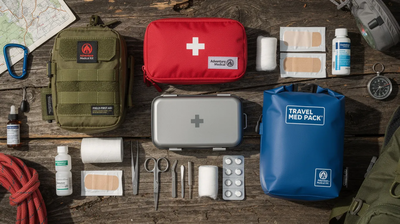
A travel medical kit is not the same thing as the first aid kit sitting in your medicine cabinet at home. Where a household kit focuses on everyday use-minor cuts, headaches, and the occasional burn-a dedicated travel kit is built around portability, regulatory compliance, and the specific threats you face on the road: traveler's diarrhea, blisters from hiking, motion sickness on buses, altitude headaches, and injuries far from a pharmacy.
Evaluation Criteria That Actually Matter on the Road
- Medical coverage and contents: We looked for kits that go beyond bandages. The best first aid kit for travel includes real OTC medications-pain relievers, antihistamines, anti-diarrheals-alongside wound care and blister treatment. A kit with 50 adhesive bandages but zero medicine isn't solving your problems overseas.
- Travel-friendliness: TSA compatibility matters. That means no sharp scissors with blades over 4 inches, no liquid bottles exceeding 3.4 oz, and clearly labeled pouches that won't slow you down at security. Quick access in cramped airplane or bus spaces is a bonus.
- Weight and bulk: We set comfort thresholds: under 8 oz for ultralight and everyday carry, 8–16 oz for day hikes and weekend trips, and 1–2 lb for family or vehicle-based kits. Before buying a medical kit, ensure it meets these practical weight targets for your travel style.
- Durability and weather resistance: Tough zippers, water-resistant or waterproof cases, and crush resistance inside a packed bag. A kit that falls apart in monsoon rain or gets crushed under a cooler is useless.
- Customization and refillability: The ability to add prescription medications, extra moleskin, electrolyte packets, or destination-specific items like altitude medicine. Static kits that can't be personalized lose points.
- Organization and labeling: Color-coded or clearly marked compartments so a stressed, non-expert traveler can find wound care or medication in seconds-not minutes. A well-organized medical kit contains various wound care and blister care supplies arranged for fast retrieval.
- Value for money: We compared the cost of each whole kit against buying components separately. For most travelers, a pre-made kit saves both money and time over pharmacy runs.
- Intended environment: City-hopping through Western Europe demands different aid supplies than trekking in Patagonia or overlanding in the U.S. Southwest. We matched each kit to its strongest use case.
Best Travel Medical Kits for Different Types of Trips
The list below focuses on six distinct kit types rather than slight variations of the same product. We deliberately include a TSA-focused kit, an ultralight trekking kit, a family and road-trip kit, a premium expedition kit, and a budget-friendly starter-covering every major travel scenario without overwhelming you with redundant options.
1. Best Overall Travel Medical Kit for Most Travelers
The Surviveware Small First Aid Kit earns the top spot for its balanced mix of medical supplies, smart organization, and a compact footprint that works equally well in a carry-on bag, car glove compartment, or day-hiking pack. The Surviveware Small includes 98 high-quality pieces covering everything from minor wounds to stomach issues, making it one of the most comprehensive standard kits at its price point.
Why It Stands Out
- Covers a wide range of common travel problems: cuts, blisters, headaches, upset stomach, and mild allergies.
- Common over-the-counter medications include pain relievers and antihistamines, both individually wrapped for single-dose convenience.
- Pain and fever relievers include acetaminophen and ibuprofen in clearly labeled packets.
- Antiseptic wipes and ointment prevent infection in wounds, and the kit includes enough for multiple incidents.
- Antihistamines can be used for allergic reactions and motion sickness-two of the most frequent travel complaints.
Best For
- Solo travelers and couples on trips from 3 days to 3 weeks, mostly in cities or established tourist areas.
- Travelers who want one do-it-all kit that fits in a carry-on backpack, a checked duffel, or beside other travel essentials like a padded camping chair in a car trunk.
Key Strengths
- 98 pieces that include a good assortment of wound care, medication, and tools.
- Labeled inner pockets speed up access under stress-no digging through a jumbled bag.
- Compact case dimensions fit easily into most personal items or day packs.
- Includes basic first aid instructions suitable for non-medical users, functioning as a simple first aid manual.
- Durable MOLLE-compatible exterior for attaching to larger packs.
Possible Limitations
- Lacks advanced trauma items like a tourniquet or pressure bandages needed for remote backcountry emergencies.
- Quantities of some meds may run thin on trips longer than 3–4 weeks or for larger groups traveling together.
2. Best TSA-Friendly Travel Medicine Kit for Flights and Carry-On Only
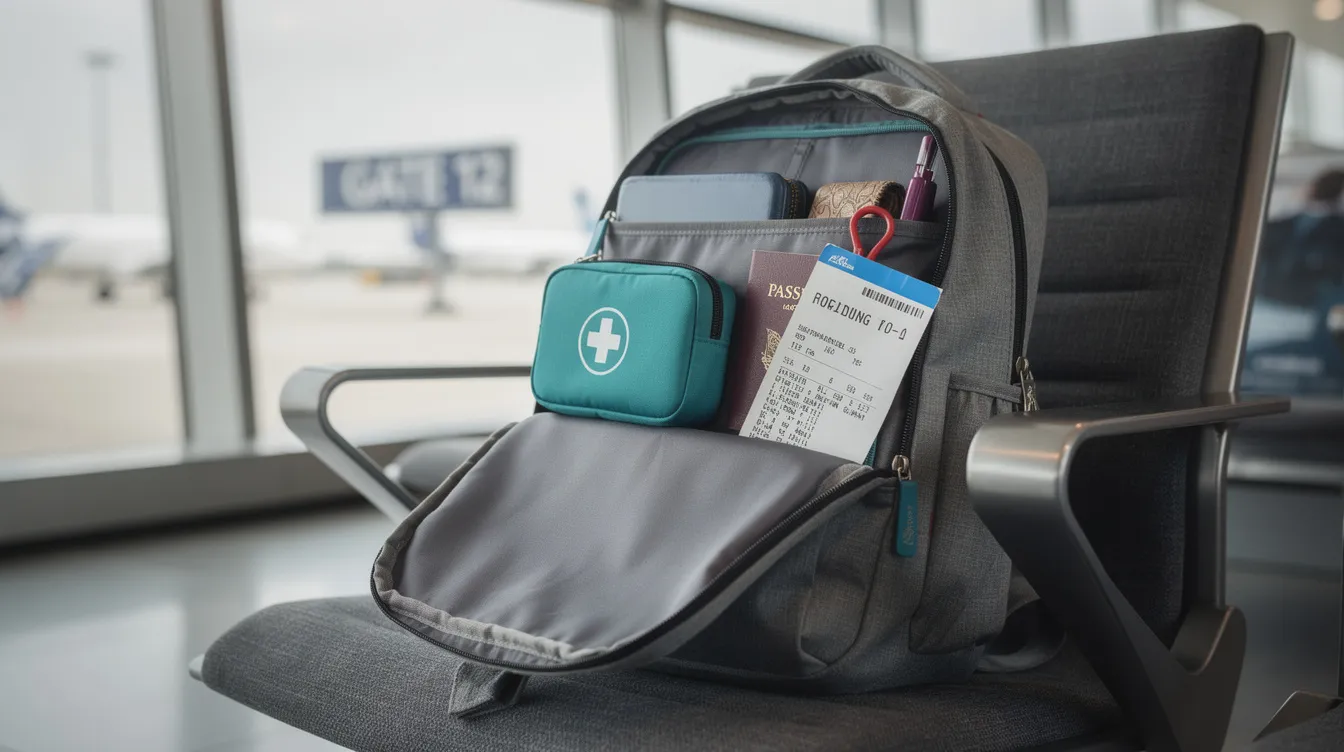
The Travel Medicine Kit is purpose-built for air travel and international city-hopping. The Travel Medicine Kit contains 78 TSA-approved items, meaning every component has been pre-checked against carry-on restrictions-no oversized liquids, no prohibited sharps, no last-minute confiscations at the gate.
Why It Stands Out
- Every item meets Transportation Security Administration guidelines: blunt-tip small scissors, blister-packed pills, and liquid containers well under 3.4 oz.
- Individually wrapped meds are ideal for passing through security lines and for single-dose use on flights.
- Strong emphasis on traveler-specific medication for headaches, motion sickness, jet lag aids, and GI distress.
Best For
- Frequent flyers, digital nomads, and business travelers who rarely check bags.
- Travelers taking multi-leg international routes with limited access to pharmacies during layovers.
Key Strengths
- Ultra-compact footprint designed to slip into a laptop backpack or under-seat personal item.
- Focused med suite: throat lozenges, antihistamines, pain relief, anti-diarrheal, and motion sickness tablets.
- Simple labeling that works even when you're jet-lagged or a non-native English speaker.
- Carry physical or digital copies of generic drug names and prescription details alongside this kit for smooth customs interactions. Keep prescription medications in their original containers with clear labels to avoid complications at international checkpoints.
- Emergency contact details should be part of a travel medical kit-tuck a card with phone numbers for your insurance provider and embassy inside.
Possible Limitations
- Not enough dressings, gauze, and bandages for rugged outdoor adventures or longer road trips.
- Case material prioritizes lightness over ruggedness-not as water-resistant as dedicated backpacking kits.
3. Best Ultralight Travel Medical Kit for Backpacking & Trekking
The Adventure Medical Kits Ultralight/Watertight .7 is the go-to for hikers, thru-hikers, and ultralight travelers who count every gram. At roughly 5.8 oz, it's lighter than most trail snacks-and the DryFlex waterproof inner bag means your first aid supplies survive rain, river crossings, and tent condensation. For slightly more wound-care depth, the Adventure Medical Kits Mountain Series Hiker weighs only 10 ounces and adds extra dressings while staying trail-friendly.
Why It Stands Out
- Under 6 oz with a flat profile that fits in a hip belt pocket or the top lid of a backpack.
- Focuses on the injuries hikers actually get: blisters, minor cuts, sprains, and insect bites.
- Waterproof construction rated for serious backcountry weather.
Best For
- Backpackers on trails like the Appalachian Trail, Tour du Mont Blanc, or New Zealand Great Walks.
- Adventure travelers already carrying survival gear-like a padded camping chair, shelter, and stove-who need a small but purposeful medical kit that won't crowd limited pack space.
Key Strengths
- Very low weight and compact size, designed to be packed and forgotten until needed.
- High-value foot care: moleskin, blister pads, tape suitable for heel and toe hotspots.
- Water-resistant pouch handles downpours and humid conditions without degrading contents.
- Includes aspirin, ibuprofen, acetaminophen, and antihistamine tablets.
- Essential items for a travel medical kit include adhesive bandages and antiseptics-both present here in various sizes.
- Broad-spectrum sunscreen should have SPF 30 or higher for skin protection; pair this kit with a small tube of SPF 50 for exposed alpine terrain. Insect repellent should contain DEET or similar active ingredients-stash a travel-size bottle in the outer mesh pocket.
Possible Limitations
- Limited number of tablets for stomach issues or allergies-users may need to top up before long expeditions.
- Not ideal as a shared group kit for other group members; better as a personal or 2-person solution.
- If you're solo hiking, supplement with extra closure strips and a trauma pad for self-treatment scenarios.
4. Best Family & Road-Trip Travel Medical Kit
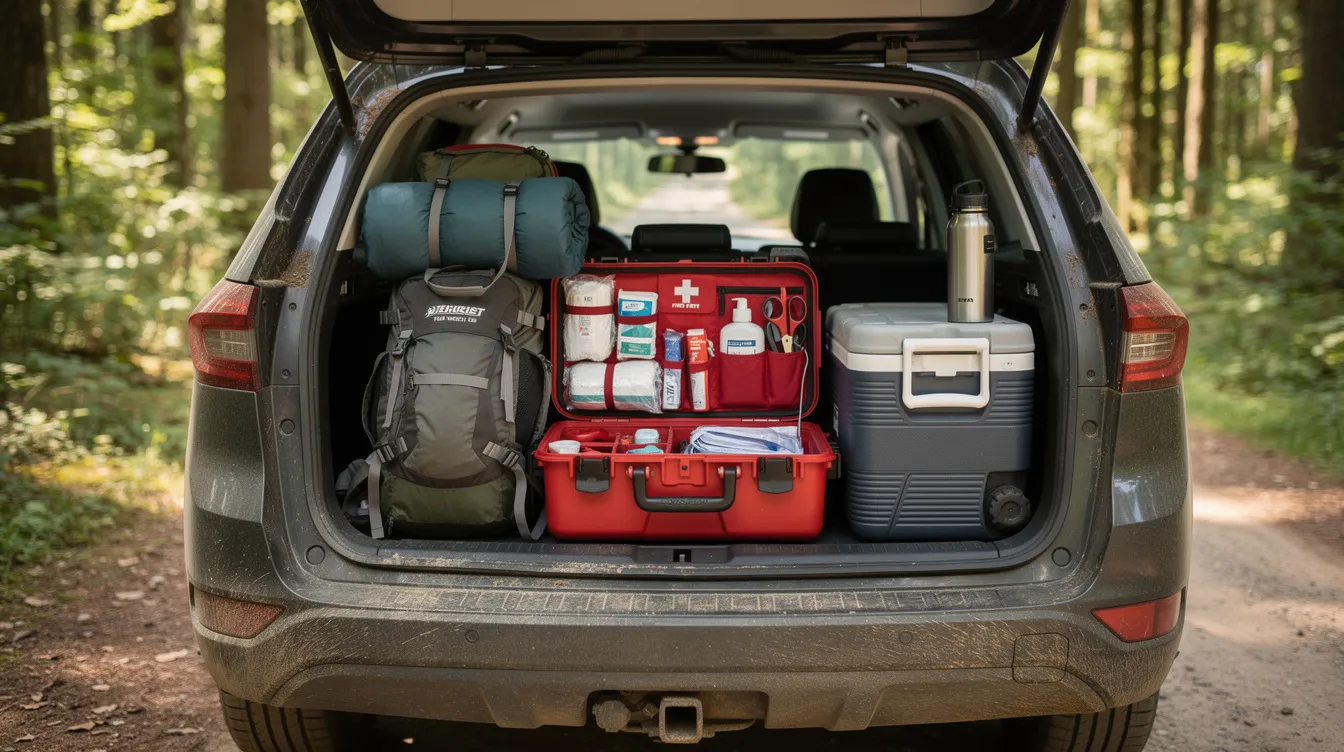
For families on road trips through U.S. national parks, Canadian Rockies, or European campervan routes, a larger and more comprehensive kit makes sense. The Homestock+ Professional kit is designed for road trips and car camping where storage space isn't the constraint-preparedness is.
Why It Stands Out
- Higher volume of supplies: multiple sizes of bandages, extra meds, and family-oriented contents like kid-friendly dosing syringes and chewable pain relief for children.
- Mounting options (Velcro straps, headrest hooks) keep the kit accessible in a vehicle rather than buried under luggage.
- Reliable outdoor medical kits depend on group size and trip length, and this one is sized to cover a family of four for a multi-week trip.
Best For
- Families road-tripping with kids who scrape knees, bump heads, and attract every bug within a mile.
- Car campers who bring bulkier gear like padded camping chairs, coolers, and camp kitchens, and have trunk space to spare.
Key Strengths
- Larger assortment of bandages in various sizes, sterile gauze pads, medical tape, antiseptic wipes, and topical ointments-sterile gauze pads and medical tape are essential for wound care and this kit stocks both generously.
- Better stock of medication for multiple people: 20+ doses of basic pain relievers, anti-diarrheals, antihistamines, and hydrocortisone cream.
- Durable, clearly labeled case that can live in the trunk without falling apart from heat or vibration.
- Various sizes of adhesive bandages should be included in a first aid kit-this one delivers, from fingertip strips to large wound patches.
- Include extra supplies for chronic conditions in your travel kit: there's room to add inhalers, EpiPens, or diabetic supplies alongside the standard contents.
- Note: the Johnson & Johnson All-Purpose kit is ideal for home use but lacks the medication depth and organization needed for extended road trips-consider it a household complement, not a replacement.
Possible Limitations
- Too bulky and heavy for minimalist one-bag travel or ultralight backpacking.
- Some items (trauma shears, larger liquid bottles) may not be TSA-legal in carry-on luggage; better stowed in checked baggage or left in the car.
5. Best Expedition-Ready Travel Medical Kit for Remote Adventures
The MyMedic MyFAK is built for backcountry trips, high-altitude treks, and remote paddling expeditions where professional emergency care may be hours-or days-away. The MyMedic MyFAK weighs 31 ounces and is highly durable, constructed to survive the kind of abuse that would shred a drugstore kit. It's an excellent option for trip leaders and guides who carry responsibility for others.
Why It Stands Out
- Includes trauma supplies: pressure bandages, compression dressings, splinting material, and serious wound treatment that standard kits skip entirely.
- My Medic kits feature color-coded modular organization for quick access, meaning you can grab the "bleeding" module or "medication" module without dumping the whole kit on the ground.
- Rugged, abrasion-resistant case suitable for rafting drybags, mountaineering packs, or desert overlanding rigs.
Best For
- Guides, trip leaders, and experienced outdoor enthusiasts who travel far from medical facilities.
- Long international travel treks (Annapurna Circuit, Kilimanjaro, Patagonia circuits) where help may be hours away.
Key Strengths
- Comprehensive coverage for groups of 4–8 people on multi-day trips into remote areas.
- My Medic kits include premium components like SuperSkin™ bandages that adhere better in wet or sweaty conditions.
- Roomy interior for adding personal prescription medications, rehydration salts, and extra blister care.
- Includes a detailed first aid manual and quick-reference card for emergency care in the field.
- Water-purification tablets are important for areas with uncertain water safety-this kit includes them, which most competitors don't.
- Common medications for travel kits include azithromycin and ciprofloxacin; discuss these with your doctor before departure and tuck prescriptions into the kit's medication module. Pack enough prescription medications for your entire trip plus an extra week to account for delays and lost luggage.
- Pairs well with other emergency preparedness gear for serious backcountry readiness.
Possible Limitations
- At 31 oz, it's significantly heavier and bulkier than urban or ultralight options.
- Overkill for short city breaks or a simple weekend getaway-you don't need a tourniquet for a museum tour.
- Cost is higher than mid-range kits, typically exceeding $100.
6. Best Budget Travel Medical Kit for New or Infrequent Travelers
Not every trip calls for a $75+ kit. If you're a student studying abroad, heading on a first international vacation, or simply want basic coverage without a DIY pharmacy run, a compact budget kit gets the job done at a fraction of the cost. Pocket-tin kits like Welly start around $7.99 for 24 pieces, while slightly larger options in the $15–$25 range offer better medication coverage.
Why It Stands Out
- Delivers a good mix of essentials at a price most travelers can justify for one or two trips per year.
- The case can be reused and upgraded over time as you gain experience and figure out your specific needs.
- A good international travel medical kit should cover minor injuries and allergies-even at the budget level, look for one that includes both wound care and at least basic OTC meds.
Best For
- Students and new travelers heading on a first international trip who don't want to piece together a kit from multiple pharmacy purchases.
- Occasional travelers who need something convenient and compact for a weekend getaway or short city break.
Key Strengths
- Includes the most common items travelers actually end up using: bandages, antiseptic wipes, pain relief, and basic stomach medicine.
- Small enough to slide into a daypack on walking tours or museum days.
- Hand sanitizer must contain at least 60% alcohol for effective use-check that any included sanitizer meets this threshold, or add your own travel-size bottle.
- An affordable entry point that you can supplement with destination-specific extras as needed.
Possible Limitations
- Thinner supplies and cheaper tools (basic tweezers, flimsy scissors) than premium kits.
- Needs topping up for longer trips or for more than 1–2 people.
- Limited medication variety-you'll likely need to add your own antihistamines and anti-diarrheal medicine separately.
How to Choose the Right Travel Medical Kit
Choose Based on Trip Length, Group Size & Activities
A weekend getaway to a nearby city requires far less than a 30-day backpacking trip through Southeast Asia. Here's how to scale:
- Weekend city breaks (1–3 days): A budget or TSA-friendly compact kit covers common issues. Think headaches, blisters from walking, and minor stomach trouble.
- 10-day guided tours: A mid-range kit like the Surviveware Small handles most scenarios. Add your own prescription medications and a few extras like electrolyte packets.
- 30-day backpacking or expedition trips: Go comprehensive. You need enough aid supplies for sustained self-care, and quantities matter-20+ doses of pain relievers, multiple gauze pads, and backup blister care.
- Group size: Solo and couple travelers can get by with smaller kits. Families with children need more bandages, child-appropriate dosing, and redundancy. If you're responsible for other group members on a guided trek, step up to an expedition-level kit.
- Activity type: Sightseeing carries less risk than trekking, which carries less risk than paddling or mountaineering. More risk and remoteness call for sturdier kits with trauma capability. For serious outdoor adventures like camping and hiking, pair your medical kit with hygiene essentials to prevent infection in the first place.
Choose Based on Luggage Style & Weight Tolerance
Your packing style dictates your kit size more than most people realize:
- One-bag carry-on travel: You're already fighting for every cubic inch. Choose an ultralight or TSA-friendly kit and accept trade-offs on quantity. Medication for pain relief and antihistamines are essential in a travel medical kit-prioritize those over bulky dressings.
- Checked luggage or vehicle travel: You can afford a family-size kit without penalty. When you're already loading padded camping chairs, coolers, and tents into a car, a 1–2 lb medical kit is negligible.
- Hybrid approach: Some travelers carry a small personal kit in their carry-on for flights, then keep a larger kit in checked luggage or their vehicle. This gives you prepared coverage in both scenarios.
Travel health kits should be stored in a durable, water-resistant container regardless of size. Even a budget kit benefits from a zippered pouch that keeps moisture out and contents organized.
Final Thoughts
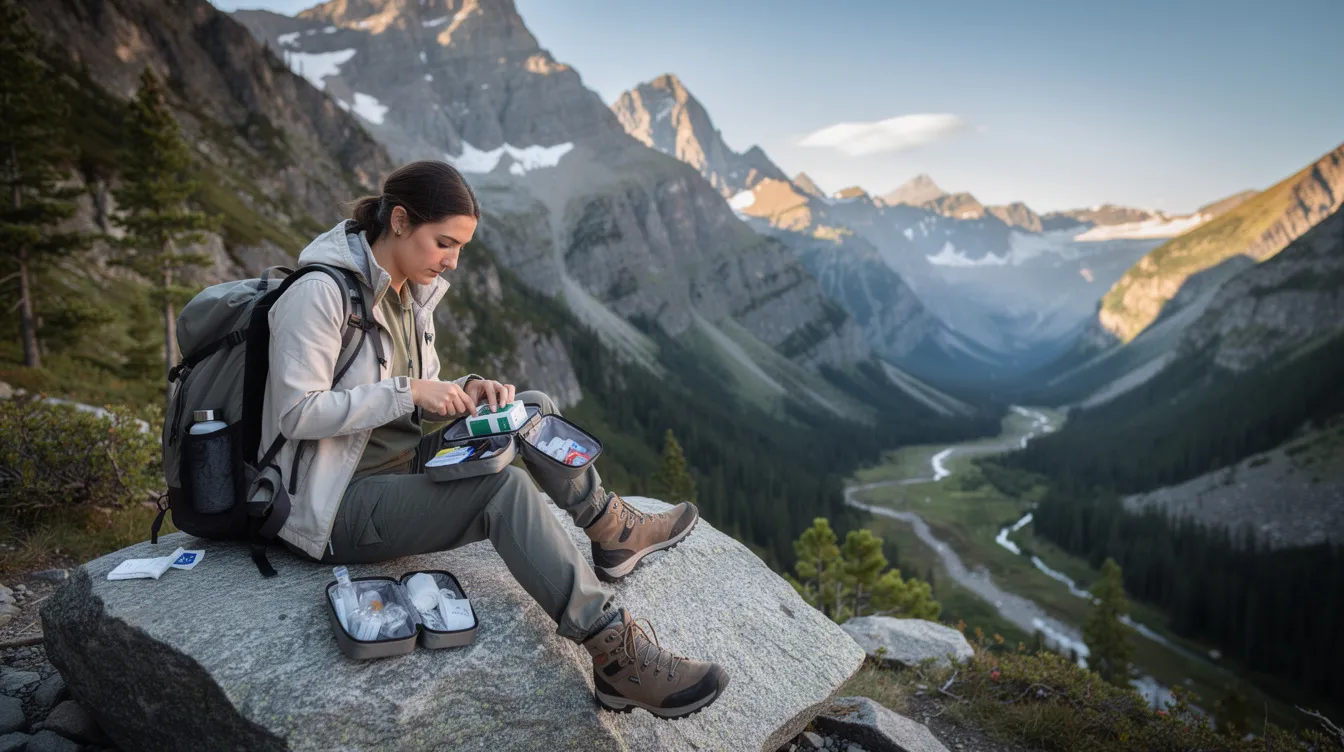
A travel medical kit belongs on your packing list right next to your passport, regardless of whether you're hiking a remote trail, catching a redeye to London, or loading the family car for a national park road trip. The last thing you want is to be caught unprepared when a blister turns painful, a stomach bug hits mid-trip, or a child takes a tumble at camp.
Treat any kit you purchase as a baseline, not a finished product. Personalize it: add your own prescription medications in original containers, toss in extra blister pads if you know your feet, pack electrolyte sachets for hot-weather destinations, and always check expiration dates before each trip. A kit with expired medicine is barely better than no kit at all. Travel kits may include over-the-counter medications like ibuprofen, but those pills don't last forever-rotate them on a schedule, just like the supplies in your medicine cabinet at home.
If you found this page helpful, check out the recommended kits through the provided links, and browse our other gear guides for everything from rain protection to camp lighting. Before your next trip, open your kit, verify the contents, restock anything that's low or expired, and head out prepared. That's practical peace of mind-and it weighs less than you think.



Member discussion