
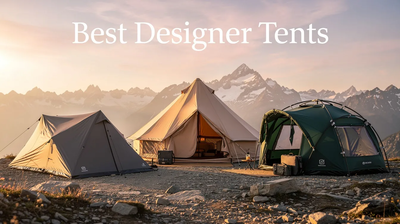
If your idea of sleeping outdoors has evolved past a sagging dome tent on rocky ground, you're not alone. Designer tents have gone from a niche curiosity to one of the fastest-growing segments in outdoor recreation, driven by travelers who want the feel of nature without giving up the comfort of a real room. This guide breaks down everything you need to know-materials, styles, safety standards, sizing, and pricing-so you can pick the right luxury shelter for weekend glamping, a family basecamp, or a full-blown rental business.
Quick Buyer's Guide: Best Uses for Designer Tents in 2026
Designer tents are upscale portable shelters focused on aesthetics and comfort. They enhance outdoor experiences by offering spacious interiors, premium materials, and architectural shapes that standard camping tents simply can't match. Think heavy-duty cotton canvas walls, 8-to-10-foot ceilings, roll-up windows, and wood-stove compatibility-all wrapped in a silhouette that looks as good on Instagram as it does at a mountain basecamp.
The category has exploded since roughly 2020, fueled by the glamping boom that turned "luxury camping" from a punchline into a $3.71 billion global market in 2025, with projections north of $9 billion by 2034. Consumers-especially couples, young families, and small-business owners-want tents that feel like a destination, not just a shelter.
Here's a quick cheat sheet to match tent type to use case:
- 13'–16' bell tent → Couples glamping, backyard guest suite, photo-ready weekends.
- Canvas cabin tent (10×10 or 12×12) → Family car camping, multi-night stays.
- Wall tent (12×14 or larger) → Semi-permanent hunting base, outfitter camp, winter use.
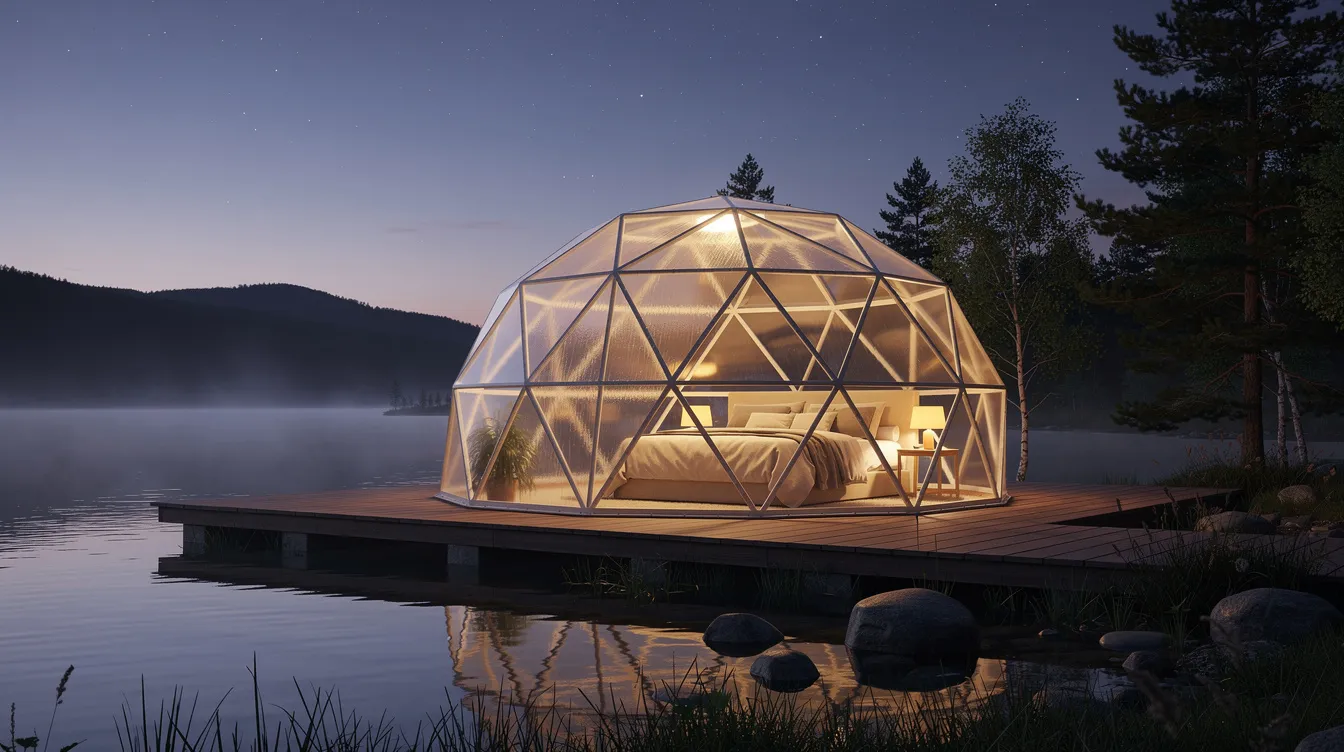
- Geodesic dome or pod → Boutique glampsite, stargazing retreat, brand pop-up.
- Inflatable canvas tent → Families who want designer looks with faster setup.
Tent Style | Ideal User | Rough 2026 Price Range |
|---|---|---|
Bell tent (cotton canvas, 13'–16') | Couples, weekend glampers | $700–$1,200 |
Cabin tent (canvas, steel frame) | Families, 3–7 night stays | $900–$1,600 |
Wall tent (canvas, full frame) | Hunters, outfitters, semi-permanent camps | $1,000–$3,000+ |
Geodesic dome (polycarbonate/fabric) | Glampsite operators, event hosts | $2,000–$10,000+ |
Inflatable canvas tent | Families wanting quick setup | $500–$1,500 |
What Makes a Tent "Designer" or "Luxury"?
Luxury tents often use heavy-duty cotton canvas-typically 280 to 400 gsm-rather than the thin polyester found in most tents at big-box stores. Canvas tents are breathable and moisture-resistant, which means less condensation dripping on your face at 3 a.m. and better temperature control in both summer heat and cold snaps. Some luxury tents can even include insulation sewn between canvas layers for true four-season performance.
Beyond materials, designer tents feature architectural shapes-bell, cabin, safari, dome-with enough room to stand, arrange furniture, and actually live. Luxury tents often include features like stove jacks and better ventilation, big windows that roll up for airflow, and styled colorways that create a sense of place the moment you step inside.
Signature traits of designer tents:
- Premium cotton canvas or poly-cotton blends (300+ gsm)
- Unique silhouette (bell, safari, geodesic)
- 8'–10' peak interior height
- Styled colorways and decor-ready interiors
- Four-season capability with stove-jack options
- Wood-stove compatibility
- Aesthetic appeal suited to social media and events
Key Designer Tent Styles: Bell, Cabin, Wall & Dome
Shape drives livability and vibe more than any brand name. Here are the four core styles worth knowing:
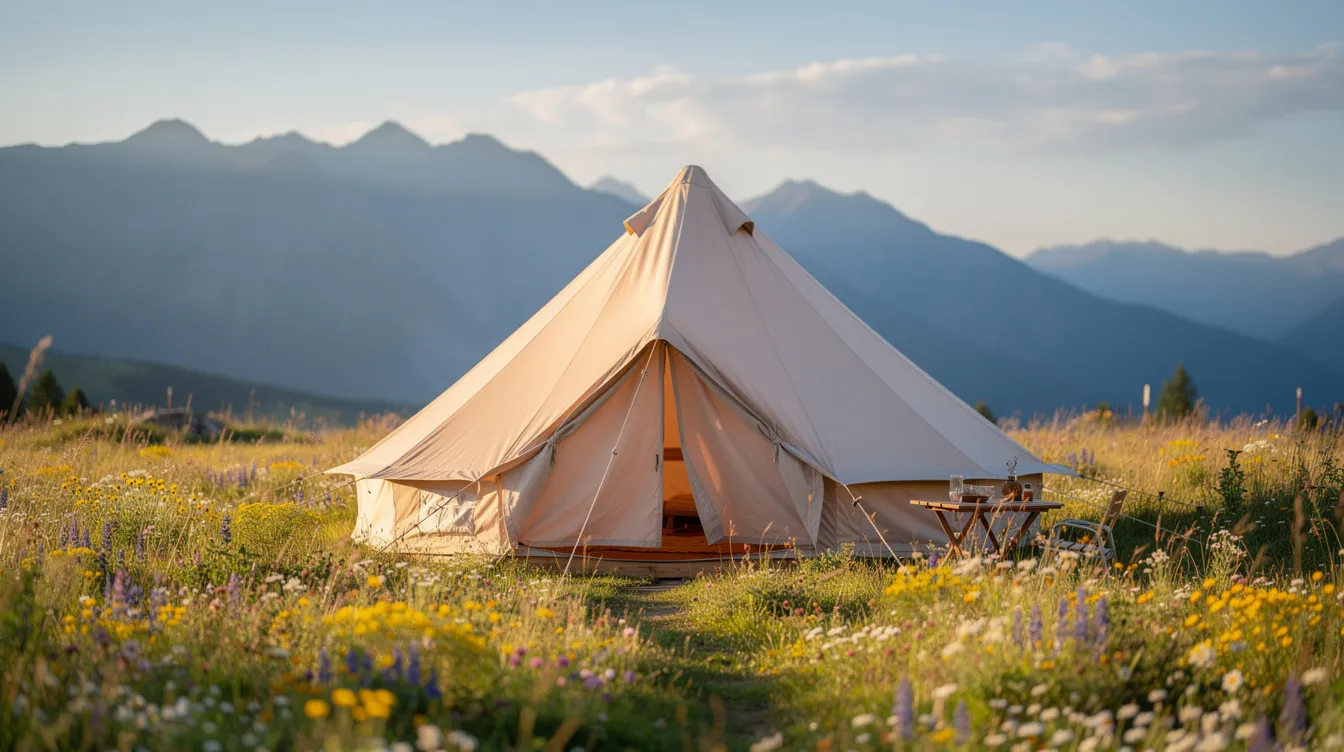
- Bell tents - Round footprint, single center pole, classic conical roof. Bell tents are multipurpose shelters for camping and events, and they've become the default glamping tent image worldwide. Best for weekend glamping, photo-ready rentals, backyard guest nights. Sizes from 10' to 20'+ diameter.
- Cabin tents - Straight walls give you a "tiny-cabin" feel with full-height living space along every wall. Ideal for families who want to line up cots, hang shelves, and create a real room. Great for multi-night car camping or seasonal basecamps.
- Wall tents - Rectangular, supported by a full frame with ridge pole, often the heaviest and most durable option. Canvas wall tents are designed for longer stays and durability-think multi-week elk camps, outfitter operations, or winter hunting in Colorado. A-frame tents, a lighter cousin, are lightweight and easy to set up but offer less living space.
Many designer models blend styles-cabin-bell hybrids, inflatable canvas cabins-so prioritize interior height and footprint over rigid category labels.
Model | Diameter | Canvas Weight | Fire Rated? | Pack Weight | Price Range |
|---|---|---|---|---|---|
Stout Pro 4 m | 13' | 340 gsm cotton | CPAI-84, stove jack | ~76 lbs | ~$1,059 |
Bell Tent Boutique 5 m | 16.4' | 360 gsm cotton | BS7837, CPAI-84 | ~92 lbs | ~$900 |
Budget Poly Bell | 13'–16' | 200–250 gsm poly | Varies | 30–50 lbs | $375–$600 |
Stella Stargazer | 16'+ | Cotton/poly hybrid | Varies | Heavy | $1,200–$1,600+ |
Designer Cabin & Wall Tents: Tiny-Cabin Comfort
Cabin and wall tents create a room with straight walls, making them favorites for family camping, outfitters, and semi-permanent canvas camping setups. Where bell tents sacrifice wall space to their conical shape, cabin and wall tents let you push furniture flush against every side.
Notable models:
- White Duck Alpha Pro Wall Tent - The White Duck Alpha Pro Wall Tent is designed for longer stays, with internal frame, dual stove jacks, and canvas rated for snow and rain. A go-to for hunting camps and seasonal outfitter operations.
These tents are popular among people staying 5–30 nights in one spot or using them as near-permanent structures on private land.
Fire Resistance, Weather Performance & Safety
Designer tents are often used with heaters, wood stoves, string lights, and cooking setups, making fire resistance and weather performance critical. Systems in designer tents support climate control and utility integration, but only if the tent itself is built to handle heat, flame, wind, and water.
Key terms:
- Fire-resistant / fire-retardant canvas - fabric chemically treated to resist ignition and slow flame spread.
- CPAI-84 - U.S. standard testing fabric flame resistance under new, weathered, and leached conditions. Required in many states for event and stove-use tents.
- NFPA-701, BS7837 - Additional standards used in North America and the UK.
Safety features to look for:
- Factory-installed stove jack with heatproof metal flashing
- Flame-resistant canvas or polyester certified to CPAI-84 or equivalent
- PVC or vinyl bathtub floor that resists embers and standing water
- Reinforced guy-out points and storm flaps for heavy rain and strong wind
- Multiple vents for airflow and carbon monoxide prevention
Practical safety tips:
- Keep tent walls at least 10 feet from open campfires.
- Never seal all vents when running a wood stove-CO buildup kills. Always maintain cross-ventilation in winter.
- Use a CO detector inside any tent with a heat source.
- Anchor with heavy duty tent stakes rated for 30–50 mph winds.
- If you're renting tents to guests, highlight fire certifications and exit points in your listing to reassure visitors.
Choosing the Right Size & Layout for Luxury Camping
Size and layout determine whether a designer tent feels like a retreat or a cramped mess-especially once beds, rugs, and a padded camping chair or two are added.
Recommended sizes:
- 10'–13' bell tent → 2 adults + gear. Cozy for couples, tight for more.
- 16' bell tent or 10×10 cabin tent → Small family (2 adults, 1–2 kids). Enough room for a queen bed and a cot.
- 19' bell tent or 14×16 wall tent → Groups, retreats, or micro-events. Space for multiple beds, a stove, and a sitting area.
A solid platform is essential for luxury tent installation, especially on uneven ground or for semi-permanent setups. Platforms keep floors level, improve drainage, and extend canvas life.
Layout tips:
- Place a queen bed at center (bell tent) or against the back wall (cabin/wall tent) with side tables.
- Leave a clear entry path from the door-don't block it with furniture.
- Use low storage trunks and layered rugs to keep visual space open.
Ceiling height matters. An 8'–10' peak height feels room-like rather than cave-like. High side walls (3'+ in cabin and wall tents) let you stand at the edges and place tall shelves or wardrobes-something short-wall bell tents can't offer.
Designer Tent Interiors: Styling for Glamping & Instagram
Interior styling turns a plain canvas shell into a true glamping tent. For rentals and special occasions, the inside matters as much as the outside.
Decor essentials:
- Coordinated bedding and throws in earthy or muted tones
- Soft rugs or dedicated bell tent floor matting for warmth and insulation
- Battery- or solar-powered string lights and lanterns
Functional luxuries:
- Portable power stations for lights and device charging-glamping tents often include amenities like furniture and electricity hookups
- Compact foldable wood stoves or safe propane heaters (always with proper ventilation)
- Folding side tables and padded camping chairs
Maintenance, Storage & Lifespan of High-End Canvas Tents
Quality canvas tents can last 10–20 years with proper care. Glamping tents can last 10–20 years with proper care as well-but only a few seasons if you neglect them. Luxury canvas tents typically last 10–20 years with proper care, making them a genuine long-term investment.
Key care tasks:
- Always dry canvas completely before long-term storage to avoid mildew
- Brush off dirt and debris regularly; spot-clean with mild soap and water
- Re-waterproof high-wear areas every 1–3 years depending on climate (a gear repair tape kit covers small fixes)
Storage best practices:
- Store in breathable bags in a cool, dry space
- Avoid compressing heavily for months at a time
- Label and separate frame, canvas, and stakes
Lifespan expectations:
- Occasional-use bell tent: 10–15 years
- Seasonal glampsite tent (up 5–7 months/year): 5–10 years
- Year-round semi-permanent setup: plan on earlier canvas replacement
Stock basic repair items: canvas patch kit, extra stakes, guy lines, seam sealer, and a small pole repair sleeve.
Is a Designer Tent Right for You? Decision Checklist
Designer tents deliver comfort, aesthetics, durability, and four-season potential that standard camping tents can't touch. They are designed for longer stays compared to traditional tents, and glamping tents are heavier and require more setup than camping tents-but the payoff in living space and experience is massive.
Quick yes/no checklist:
- ✅ Do you mainly car camp or stay multiple nights in one spot?
- ✅ Do you want a glamping tent that feels like a room, not just a shelter?
- ✅ Are you willing to handle heavier gear and slightly longer setup?
- ✅ Are you planning a glamping business, backyard guest space, or event use?
If you answered yes to two or more, a designer tent makes sense.
If this → then that:
- Prioritize style and weekend comfort → mid-size bell tent ($700–$1,200)
- Building a semi-permanent basecamp → wall tent or cabin tent ($1,000–$3,000)
- Designing a photo-worthy rental or retreat → large bell tent, safari tent, or dome ($1,500+)
The right designer tent turns any patch of land into a retreat worth coming back to-night after night, season after season. Browse our full library of camping and outdoor gear guides to build out the rest of your setup, and bookmark this page for 2027 updates.
Related guides:
- Best Tent for Survival
- Best Inflatable Sleeping Pad for Maximum Comfort
- Best Magnetic Camping Light
- Best Camping Stools
FAQs about Designer Tents for Camping
Q: What are designer tents?
A: Designer tents are upscale portable shelters focused on aesthetics, comfort, and durability. They typically use premium materials like heavy-duty cotton canvas and feature architectural shapes, spacious interiors, and luxury amenities.
Q: How do designer tents differ from regular camping tents?
A: Designer tents use thicker, breathable canvas materials, have higher ceilings, better ventilation, stove jacks for heating, and often include features like roll-up windows and fire retardant treatments. They are heavier and require more setup but offer a more comfortable and stylish outdoor living experience.
Q: What materials are used in designer tents?
A: Most designer tents use heavy-duty cotton or poly-cotton canvas treated for water resistance and fire retardancy. They often have waterproof PVC rain flies and can include insulation sewn between canvas layers for four-season use.
Q: Are designer tents suitable for all seasons?
A: Many designer tents are designed for four-season use, especially those with insulation and stove jacks. However, some models are better suited for milder climates or seasonal camping.
Q: How long do designer tents last?
A: With proper care, quality canvas designer tents can last 10 to 20 years or more.
Q: How difficult is it to set up a designer tent?
A: Designer tents generally require more effort to set up than traditional camping tents. Setup times vary from 15 minutes for simple bell tents with two people to several hours for large wall tents or domes.
Q: Can designer tents be customized?
A: Yes, many designer tents can be customized in size, color, layout, and features to suit personal preferences or business branding.
Q: Are designer tents fire resistant?
A: Designer tents often use fire retardant canvas that meets standards like CPAI-84, NFPA-701, or BS7837, making them safer for use with wood stoves and heaters.
Q: What sizes do designer tents come in?
A: Sizes range from small 10’–13’ bell tents for couples to large 19’+ tents or multi-room wall tents for groups and events.
Q: Are designer tents waterproof?
A: Yes, designer tents are built with waterproof materials and layered roofing systems to keep interiors dry even in heavy rain.
Q: Are designer tents good for events and weddings?
A: Absolutely. Designer tents are popular for weddings, retreats, and brand activations due to their aesthetic appeal and spacious interiors.


Member discussion