
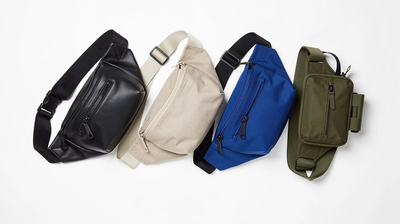
Large Fanny Packs for Women: What This Collection Covers
If you're shopping for a fanny pack that actually holds more than just the essentials, you're in the right place. This collection focuses on large-capacity belt bags and hip packs designed for women who need ample room for a phone, large wallet, sunglasses case, snacks, and even a small water bottle - without resorting to a full backpack. A large fanny pack typically has a capacity of 2 to 4 liters, though some hiking-oriented models push well beyond that.
Whether your days involve travel through busy airports, theme parks with the kids, everyday errands around town, dog walks on local trails, or festival weekends, the right pack keeps everything accessible and your hands completely free. This guide breaks down the types worth considering, the features that separate a great pack from a disappointing one, and how to match your pick to your body, your gear, and your plans.
Types of Large Fanny Packs for Women
"Large" women's fanny packs still fall into a few clear style and use categories. Knowing which camp you fall into narrows the field fast.
Everyday Lifestyle Belt Bags
These are soft, minimalist belt bags in neutral tones - black, beige, olive - built to hold a full wallet, phone, keys, and a small cosmetics pouch. They're the go to choice for moms on errands, commuters, and city walkers who want hands-free carry with a polished, stylish look. Expect 2–3 pockets, smooth straps that work both crossbody and around the waist, and materials like sleek nylon or faux leather. The Baggu Fanny Pack, for instance, has two expansive compartments and comes in over a dozen colors and patterns, making it easy to match your style. The Dagne Dover Ace Fanny Pack offers a distinctive Pop Art aesthetic for those who want personality alongside function.
Sport & Running Fanny Packs
Low-bounce, body-hugging packs made from stretchy or technical fabric sit in the 1.5–3 L range - still "large" compared with a thin strap running belt that barely fits a key clip. They're designed for women who need room for a phone, gels, a soft flask, and car keys during 5K-to-half-marathon training or gym sessions. The Sport Pack includes three card slots and a zippered pocket, keeping small items organized even at pace. Look for reflective details, sweat-resistant materials, and breathable back panels. Béis The Sport Pack features a detachable handbag-style strap, so it transitions from a run to brunch without looking out of place.
Travel & Anti-Theft Waist Packs
Larger, flatter belt bags designed to sit under or over a light jacket during city travel or airport days. A body-side security pocket is beneficial for protecting valuables during travel - look for packs with hidden back pockets, lockable zippers, and RFID-blocking compartments for your passport and cards. A 3 to 4 liter capacity is best for travel items or larger essentials like a boarding pass, cash, and phone, all zipped away. These are ideal for women flying in 2026, doing city breaks in Europe, or exploring US national parks solo.
Hiking & Outdoor Lumbar Packs
These 3–6 L lumbar-style packs replace a small backpack on day hikes, dog walks, and bike rides. The Osprey Talon 6 has a 6-liter capacity and dual hip pockets for organization, fitting everything from 2 small water bottles and trail snacks to a mini first-aid kit and a light windbreaker. Features to prioritize: wide padded waist belts, bottle holsters, compression straps that help keep larger packs compact and reduce bouncing during use, and durable ripstop fabrics. For camping and outdoor activities, prioritize durability and weather resistance above all else. If you typically carry a rain poncho or extra layers, look toward the upper end of this capacity range.
Fashion-Forward & Statement Fanny Packs
Oversized belt bags in bold colors, metallics, or quilted designs double as statement crossbody or sling bags for concerts and nights out. Women prioritizing style - streetwear looks, festival outfits, city events - gravitate here. Materials include vegan leather and nylon with chunky zips, but these still need usable interior organization to avoid becoming a "black hole." Internal organization with mesh dividers and compartments prevents clutter, and that matters even more in a fashion-first bag. The Leatherology Blake Belt Bag is made from full-grain leather for a premium finish, while the Maison de Sabré The Sling Bag is made from supple full-grain leather that ages beautifully.
What to Look For in a Large Fanny Pack for Women
Capacity alone doesn't tell the full story. Fit, organization, and durability determine whether a pack actually works through a full day - or ends up stuffed in a suitcase and forgotten.
Capacity, Shape, and Organization
A capacity of 2 liters is suitable for daily essentials like a phone and wallet, but if you regularly carry a water bottle, sunscreen, and snacks, step up to 3–5 L. For reference, the Thrupack Eco Summit Bum offers 2.5 liters of storage - enough for quick outings but tight for a full day's worth of gear. The Patagonia Terravia Mini Hip Pack has a 1-liter capacity, placing it firmly in mini hip pack territory rather than the large category.
Shape matters as much as volume. Tall, bucket-like packs can hold bulky items but tend to sag and make contents harder to reach. Long, low-profile designs sit better at the waist or across the body and give easy access to a spacious main compartment. Look for a front zippered pocket for your phone, an internal zip sleeve for valuables, and a back security pocket against the body. The Hyperlite Mountain Gear Versa has a mesh pouch divider inside, showing how even an ultralight pack can keep contents organized instead of jumbled.
Strap Length, Adjustability, and Fit on Curvier Bodies
Many "one-size" straps top out around 45–50 inches, which can be a challenge for plus-size women or anyone wanting to wear a pack crossbody over a puffer jacket. Aim for a maximum strap length of 55–60 inches (roughly 140–150 cm) for comfortable crossbody wear over layers. Models labeled "extended strap" or "plus-size friendly" are designed with this in mind.
Larger bags often require wider straps for comfortable weight distribution, especially when the pack is fully loaded. A thin strap cutting into your shoulder all day is a deal-breaker. Padded, wider straps spread the weight and reduce chafing - an essential feature if your pack is filled with heavier loads like a water bottle and compact camera. Crossbody carries can improve accessibility and comfort with a larger pack, so make sure the strap system supports that option.
Materials and Weather Resistance
Nylon and polyester are lightweight options ideal for water resistance and cleaning - high-denier versions (200D–400D) offer excellent strength-to-weight for outdoor use. Canvas looks rugged but stains easily and lacks water resistance unless treated. Faux leather works for urban and fashion packs but coatings may peel within 12–24 months, especially after hot car storage.
A water-resistant coating is important for travel and outdoor use. DWR (durable water repellent) treatments handle splashes and light rain, keeping your gear dry on wet hiking trails or rainy city days. For heavy rain, look for highly water resistant materials like TPU-laminated nylon. Dyneema and X-Pac fabrics are ultralight and water-resistant, favored by ultralight hikers - the Hyperlite Mountain Gear Versa weighs just 4.3 ounces and is waterproof. The Zpacks Front Utility Pack weighs only 2.9 ounces and is highly durable, showing what's possible with advanced materials. For serious wet-weather protection on the trail, pair your pack with a quality rain cover.
Comfort and Carry Style Options
Comfort can be enhanced with a contoured back panel and stable strap. A curved panel conforms to women's hips and ribcage, while flat panels may dig in when the pack is loaded. Multi-way carry - waist, high crossbody, sling on the back - adds versatility for long walking days. On hot summer festival days, breathable mesh-backed panels reduce sweating, keeping things cool against your body.
If you're choosing between a fanny pack and a chest bag for active use, consider which carry position keeps the weight most stable for your activity.
Security and Travel-Friendly Features
Lockable zippers, hidden back pockets, and buckle designs that are harder to unclip unnoticed matter in busy areas - crowded trains, theme parks, street markets. RFID-shielded pockets protect your passport and cards when traveling abroad. Features to look for include an adjustable strap and secure zippered pockets that face inward against the body, deterring pickpockets in busy terminals. On the trail, these security features are less critical - prioritize access speed and organization instead.
How to Choose the Right Large Fanny Pack for Your Needs
Choosing a fanny pack includes considering the type of activities planned for use. Here's how to turn the features above into a simple decision.
- What You Actually Carry Daily - List your non-negotiables: 20 oz water bottle, inhaler, compact camera, dog treats, keys. If the list includes bulky items, choose at least a 3–4 L pack. A surprising amount of stuff fits in a well-organized 3 L bag - the Cotopaxi Bataan 3L is priced at just $33 and holds more than you'd expect. If you only need a phone, wallet, and keys, even the Patagonia Terravia Mini at 1 L can handle that.
- Primary Use: City, Travel, or Trail - Sleeker packs work for urban commutes and everyday errands. Anti-theft designs with inward-facing zips suit international trips. Lumbar-style packs with bottle holsters and compression straps are your best bet for hikes and dog walks where you want a roomy main compartment without a full backpack.
- Body Shape and Strap Fit - Check strap length charts, especially if you plan to wear the pack crossbody over a puffer jacket or have a larger bust or waist. Look for "extended strap" or "plus-size friendly" language. The North Face Berkeley Lumbar fanny pack has a nostalgic design with a generous belt, but always verify the max length in inches before buying.
- Style vs. Ruggedness - Decide whether you need a chic faux-leather bag for dinners and concerts or a tougher ripstop nylon one for camping and muddy trail runs. A stylish pack made from delicate materials won't survive a wet weekend at a campsite, while a burly hiking fanny pack may feel like overkill for brunch.
- Budget and Longevity - Budget friendly fanny pack options exist at every price point. The JanSport Fifth Avenue costs $25 and the KAVU Spectator is priced at $28, making them solid choices for light or occasional use. The REI Trail 2 is available for $35, stepping up in durability. Mid-range outdoor brands in the $40–$70 range - like the Patagonia Terravia Mini Hip Pack 1L at $39 - deliver better zippers, stitching, and materials that last years rather than months. Paying more for quality hardware is almost always worth it if you wear your pack daily.
Frequently Asked Questions
These are the most common questions women search before buying a large fanny pack or waist bag.
How big should a "large" women's fanny pack be for all‑day outings?
For most women, 3–5 L is the sweet spot for a full day - enough to comfortably fit a wallet, phone, sunglasses, small snacks, and optionally a 16–20 oz water bottle. Anything under 2.5 L tends to feel cramped once you add sunscreen or a packable tote. Going much bigger (6 L+) can feel bulky at the waist and may work better worn crossbody over the shoulder.
Can I wear a large fanny pack crossbody if I'm plus‑size?
Yes - check the maximum strap length and aim for 55–60 inches for comfortable crossbody wear, especially over coats or heavier layers. Many models on Amazon labeled "extended strap" or "for plus-size women" are designed to work as a sling without feeling tight. Strap width matters too: a wider, padded strap distributes weight far better than a thin one.
Are large fanny packs good for travel and airports?
They're one of the best fanny packs options for 2026 travel. Keep your passport, phone, and boarding pass accessible in a front zippered pocket while your backpack goes in the overhead bin or security tray. Choose a slim, secure design with rear pockets and zips that face inward to deter pickpockets in busy terminals and metros. A pack that tucks neatly under a light jacket is even better.
What's the best way to pack a large waist pack for hiking?
Keep heavier items - water, phone, compact camera - closest to your body and centered to prevent bouncing. Use internal pockets for smaller stuff like lip balm, a multitool, and keys. Leave some breathing room; overstuffing can dig into your hips and cause discomfort over miles. For longer hikes, pair a lumbar pack with proper hiking footwear and a headlamp for safety.
How do I clean and maintain my large fanny pack?
Spot-clean nylon and polyester with mild soap and water. Avoid harsh detergents that break down DWR coatings and reduce water resistance over time. Faux leather should be wiped with a damp cloth and kept out of prolonged direct sun to prevent cracking - especially after dusty campsites or hot car storage. For real full-grain leather packs, condition periodically and avoid soaking.
Is a large fanny pack better than a small backpack for short hikes?
For quick outings of 1–2 hours when you're carrying just water, snacks, and essentials, a 3–6 L lumbar pack is often more comfortable and cooler than a backpack - less weight on your shoulders, better airflow on your back. But if you need extra layers, a larger first-aid kit, or bulky gear like trekking poles, a small daypack still makes more sense. It's a matter of matching carry capacity to what the day demands.
Browse Large Women's Fanny Packs
Decide on your primary use - city, travel, or trail - then narrow by capacity, strap fit, and materials. Use the product details (liter capacity, strap length, fabric) to match your personal checklist, and you'll land on a pack that works instead of one that just looks good in a photo.
Scroll the collection below to compare options, and click through to Amazon for up-to-date pricing, color options, and the latest reviews from real buyers.



Member discussion