

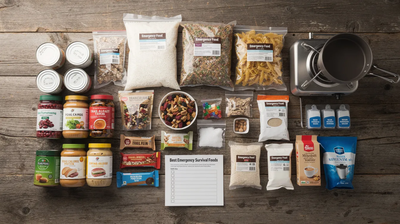
Long-Grain White Rice
White rice is the single most cost-effective calorie source you can store. White rice can last up to 30 years when stored cool and dry in Mylar bags with oxygen absorbers, making it the backbone of any serious emergency pantry. At roughly $0.42 per 1,000 calories, nothing else comes close on price.
Why It Stands Out
Rice serves as the calorie foundation that everything else builds on. It pairs naturally with beans, canned meats, canned vegetables, and simple sauces to create full meals. Its neutral flavor means it works in virtually any cuisine or combination, and it absorbs seasonings well.
Best For
Households planning multi-month to multi-year storage. People with limited budgets who need maximum calories per dollar. Anyone building long term storage as a hedge against extended periods of disruption.
Key Strengths
- Very long shelf life when packed properly (25+ years in cool, dry storage below 75°F).
- Extremely affordable per 1,000 calories and widely available in bulk bags and emergency buckets.
- Pairs with almost every other survival food: beans, canned meats, sauces, spices.
Possible Limitations
- Requires water, fuel, and time to cook; not ideal if you can't boil water or lack a working stove.
- Low in protein and micronutrients when eaten alone, so it must be combined with other items.
- Avoid storing brown rice for long-term storage due to its shorter shelf life. The oils in whole grains cause brown rice to go rancid within 6–12 months.
Dry Beans (Pinto, Black, Lentils, Chickpeas)
Dry beans and lentils are the protein-and-fiber counterpart to rice. Dried beans and lentils can last 10 to 30 years depending on packaging, and they deliver roughly 20–25 grams of protein per 100 grams of dry weight.
Why It Stands Out
When combined with grains, beans form a complete protein. Dried beans, lentils, and grains provide essential carbohydrates and proteins that keep you functional during emergencies. They also offer high satiety and versatility for soups, stews, spreads, and side dishes.
Best For
Preppers planning for 1–12 months of at-home emergencies who have at least a basic cooking setup like a camp stove or charcoal grill.
Key Strengths
- High protein and fiber with long shelf life when packaged properly in Mylar or #10 cans.
- Very economical at about $0.70 per 1,000 calories when bought in bulk or as part of long-term storage kits.
- Multiple varieties (pinto, black, lentils, chickpeas) help fight menu fatigue and provide nutritional variety.
Possible Limitations
- Most varieties require long simmering times and ample fuel, except lentils, which cook in 20–30 minutes without soaking.
- Need soaking or careful cooking to improve digestibility and reduce anti-nutrients.
Canned Meats (Tuna, Chicken, Salmon, Spam-Style Luncheon Meats)
Canned meats are shelf-stable, ready-to-eat protein that requires no cooking. Canned meats can last at least two years in the pantry, and canned proteins have a shelf life of 2 to 5+ years if stored correctly.
Why It Stands Out
During blackouts or evacuations when cooking is impractical, canned meats provide fast, no-fuel protein. Emergency food should include high-protein options for energy, and canned meats deliver complete amino acid profiles along with B12 and, in the case of fish, omega-3 fats.
Best For
Urban and suburban households with limited fuel or cooking options. Bug-out kits needing instant protein that doesn't require refrigeration.
Key Strengths
- Ready to eat cold straight from the can; no additional ingredients needed.
- Good source of complete protein and, for salmon and tuna, omega-3 fats and vitamin D.
- Easy portioning and pairing with crackers, rice, or pasta. Canned goods typically last 2 to 5 years past the manufacture date.
Possible Limitations
- Heavier and bulkier than dry goods; not ideal for long-distance backpacking. For lightweight food options for the trail, freeze-dried alternatives work better.
- Higher cost per calorie than pantry staples like rice and beans; some people dislike the taste or texture.
Peanut Butter & Other Nut Butters
Peanut butter is a high-energy food rich in healthy fats, delivering approximately 588 calories per 100 grams. It's one of the most nutrient dense foods you can stockpile, packing protein, fat, and calories into a compact jar.
Why It Stands Out
Peanut butter is a high-energy food that doesn't require refrigeration before opening. It provides comfort, sustained energy, and fats that are often missing in dry staples. For families with kids, it's one of the most familiar and well-accepted emergency foods.
Best For
Families with children. Short term emergency food planning (3 days to several months). Bug-in pantries where you want something ready to eat immediately.
Key Strengths
- High calories in a small volume at roughly $1.60 per 1,000 calories; no cooking or fuel needed.
- Ready to eat with crackers, bread, oats, or by the spoonful.
- Widely available in large jars and multi-packs on Amazon and at grocery stores.
Possible Limitations
- Contains allergens; not suitable for households with nut allergies.
- Shorter shelf life than freeze dried food (roughly 9–12 months unopened in standard packaging); can go rancid if stored in hot conditions.
Oats and Shelf-Stable Breakfast Grains
Rolled or quick oats offer fast, filling breakfasts with relatively low fuel requirements. They store well for several years when sealed properly, and whole grains like oats provide fiber and B vitamins that many emergency staples lack.
Why It Stands Out
Oats can be cooked quickly or cold-soaked with water or powdered milk, making them one of the most fuel-efficient grains. Whole-grain crackers provide fiber and have a shorter shelf life than plain crackers, but oats sealed with oxygen absorbers hold up well for years.
Best For
Everyday rotation plus emergencies. People wanting simple, familiar meals that are easy on sensitive stomachs. Anyone who values a quick breakfast before a long day of cleanup or travel.
Key Strengths
- Reasonably long shelf life (years) when kept dry in sealed containers with oxygen absorbers.
- Quick cooking; can be prepared with minimal fuel or even soaked overnight in cold water.
- Pairs well with powdered milk, dried fruits, honey, and nut butters for a complete breakfast.
Possible Limitations
- Lower calorie density than oils or peanut butter; requires water for preparation.
- Can become stale or attract bugs if not stored in airtight containers to prevent spoilage.
Freeze-Dried Meals & Entrees
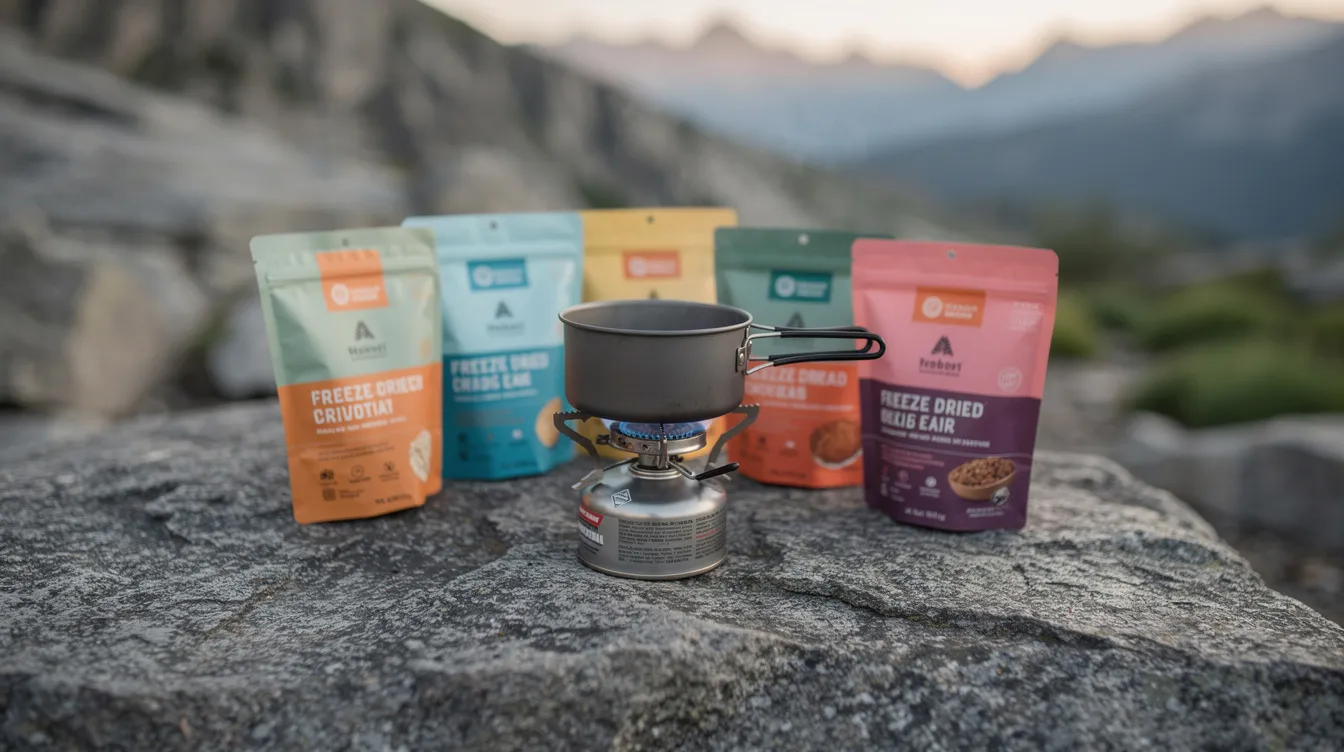
Commercially prepared emergency food typically features long shelf life and convenience, and freeze dried meals are the prime example. Freeze-dried meals can last up to 30 years when stored properly, making them a cornerstone of serious emergency preparedness.
Why It Stands Out
Just-add-hot-water convenience makes freeze dried meals ideal when you need hot food with minimal prep and cleanup. Mountain House meals have a 30-year shelf life, and brands like Emergency Essentials provides high-quality freeze-dried meals in #10 cans. Dehydrated foods typically have a shelf life of 10 to 20 years, but true freeze dried products push that ceiling considerably higher.
Best For
Bug-out bags, car kits, and short- to medium-term emergencies where fuel and water are available but time and energy are limited. If you already own a foldable camp stove, these meals pair perfectly with it.
Key Strengths
- Very long shelf life when sealed; lightweight and compact, great for hiking and evacuation.
- Balanced, complete meals with protein, carbs, and veggies in one pouch. Many creamy potato soup and stew varieties taste surprisingly good.
- Easy portion control; comforting, hot meals under stress.
Possible Limitations
- High cost per meal compared to pantry staples, at roughly $5.20 per 1,000 calories. Emergency food kits from brands like these carry a premium for convenience.
- Require clean water and usually hot water for best taste; sodium levels can be high in many varieties.
Canned Vegetables and Fruits
When fresh produce disappears for weeks, canned vegetables and fruits become essential items for vitamins, minerals, and fiber. Canned foods can last two years or longer in storage, and many remain safe well past their printed expiration date if cans are undamaged.
Why It Stands Out
They round out the otherwise carb-and-protein-heavy survival diet and help prevent micronutrient deficiencies that the WHO has documented in crisis populations, particularly vitamin A, iron, and zinc shortages.
Best For
Home emergency pantries and storm-season preps where storage space allows for cases of canned goods. Dried fruits offer potassium and dietary fiber during emergencies and make a good shelf-stable alternative when cans are too heavy.
Key Strengths
- Ready to eat; often already cooked; can be eaten cold directly from the can.
- Long shelf life (often 2–5 years past printed date if stored correctly). Canned foods can last two years or longer if stored properly.
- Liquids in cans provide small amounts of extra hydration.
Possible Limitations
- Heavy and bulky; not practical for backpack kits.
- Higher sodium or added sugar in some varieties; you'll need a manual can opener if power is out, so keep one in your essential items kit.
Pasta, Instant Noodles, and Shelf-Stable Sauces
Inexpensive, comforting carbs that cook relatively quickly and store well for years. Dry pasta costs roughly $0.95 per 1,000 calories and pairs with nearly anything in your pantry.
Why It Stands Out
Morale matters. Pasta with simple sauces makes emergency meals feel "normal," which is critical during stressful situations. A plate of spaghetti with canned meat sauce feels like dinner, not a survival ration.
Best For
Families needing easy, kid-friendly meals. People with gas stoves, camp stoves, or backup cooking systems. Use a camp stove or grill for cooking without electricity when your kitchen range is down.
Key Strengths
- Long shelf life when stored dry; wide variety of shapes and gluten free options available.
- Quick cook times (10–12 minutes, even less for instant noodles).
- Pairs easily with canned meats and vegetables for full meals.
Possible Limitations
- Requires boiling water and consistent heat; can be fuel-intensive if you need to boil water using a limited fuel supply.
- Mostly carbohydrates; needs added protein and fat to become a balanced meal.
High-Energy Snack Foods (Trail Mix, Nuts, Energy Bars)
Portable, ready-to-eat calories for bug-out bags, car kits, and high-activity emergencies. High-calorie survival bars contain 2,400 to 3,600 calories per pack, making them some of the most calorically dense items you can carry.
Why It Stands Out
Grab-and-go convenience makes these essential for outdoor use: hiking out of disaster zones, helping neighbors, making repairs.
Best For
Go-bags, vehicle emergency kits, and short to medium blackouts where cooking options may change day to day. They're also staples in any survival gear setup.
Key Strengths
- Ready to eat; no prep, water, or fuel required.
- High calorie and often high fat for sustained energy; good for cold environments.
- Individually wrapped bars and packs are easy to ration and share.
Possible Limitations
- Shorter shelf life (typically 6–18 months); need regular rotation into everyday snacking.
- Can melt (chocolate) or go rancid (nuts) in hot garages or sheds. Not suitable for long term emergency stockpiling without rotation.
Powdered Milk and Dairy Alternatives
Powdered milk provides calcium, protein, and comfort for cereals, instant coffee, and baking when refrigerated or frozen foods become unavailable.
Why It Stands Out
It makes grains more palatable and versatile, especially for households with children. Adding powdered milk to oats or cocoa transforms a bland emergency meal into something approaching normal. For baby food and infant formula needs, check expiration dates carefully and rotate stock regularly.
Best For
Families who use milk daily. People planning baked or "from-scratch" meals in long emergencies.
Key Strengths
- Long shelf life (often 2–10+ years in #10 cans or Mylar); compact for the calories and protein provided.
- Works in hot and cold recipes: cereals, cocoa, breads, sauces.
- Non-dairy powdered options (soy, coconut) exist for lactose-intolerant households.
Possible Limitations
- Requires safe water and mixing; taste varies widely between brands. Running taste tests on a few brands before committing to bulk purchases is common sense.
- Once opened, shelf life drops significantly and needs careful storage away from moisture.
Oils, Fats, and Flavor Boosters (Salt, Sugar, Spices, Bouillon)
Calorie-dense cooking oils and simple seasonings turn basic staples into edible, enjoyable meals. Salt has an indefinite shelf life if kept dry, and honey has an indefinite shelf life when stored properly, making both ideal for permanent pantry staples.
Why It Stands Out
Many survival diets fail because food is bland and low in fats, hurting morale and long-term adherence. Fats and oils like coconut oil offer a shelf life of 5 to 10+ years when sealed, providing a reliable calorie boost that dry staples can't match on their own.
Best For
Anyone building more than a three-day kit. These are essential for long-term scenarios and for people who plan to cook from scratch using budget options.
Key Strengths
- Oils provide high calories per tablespoon; salt and sugar last almost indefinitely when stored dry.
- Bouillon, stock cubes, and spices dramatically improve rice, beans, and pasta dishes. Even simple additions like chafing dishes of warm soup can restore morale during stressful events.
Possible Limitations
- Liquid oils can go rancid in heat; need cool, dark storage and rotation. Blocking light and moisture preserves food quality during storage.
- Easy to overdo sodium and sugar if not mindful, especially with fondue pots of melted cheese or heavy sauces.
Final Thoughts
There's no single "perfect" survival food. The best emergency survival foods work as a layered system: ready-to-eat items for the first 72 hours, mid-term staples for two weeks of disruption, and deep-storage bulk goods for scenarios that stretch into months. A year shelf life minimum on most items keeps your rotation manageable without constant monitoring.
Member discussion