
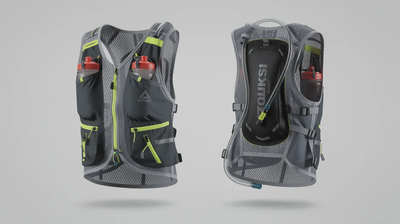
Introduction: Why Your Hydration Running Vest Matters More Than You Think
A running hydration vest is a wearable pack designed to give you hands-free access to water, fuel, and essential gear while you run. Whether you're grinding through a summer half marathon, deep into a mountain trail race, or logging long Saturday miles on hot pavement, the right hydration system keeps you moving safely and comfortably instead of rationing sips or clutching a sloshing handheld bottle.
This guide is built for runners who want a reliable way to carry fluids, nutrition, a phone, and safety gear without slowing down or dealing with constant bounce. Here's what you'll walk away with:
- Specific vest recommendations across seven distinct categories, from budget to ultra-premium
- A clear framework for choosing between soft flasks, a hydration bladder, or a hybrid setup
- Practical advice on matching storage capacity to your actual run distance and climate
- Fit guidance for different body shapes, including women's hydration vests and plus-size considerations
How We Chose the Best Running Vest Hydration Systems
We evaluated the current market of road and trail running hydration packs from 2024 through 2026, focusing on vests with strong user reviews, clear differentiation from each other, and wide availability online - especially through Amazon. We intentionally skipped obscure or low-review clones in favor of proven designs with established track records.
Here are the criteria we used to narrow the field:
- Hydration options and capacity: Does the vest include soft flasks, a hydration reservoir, or both? What's the actual liquid capacity versus total gear capacity?
- Fit and comfort across body types: How well does it serve women, plus-size runners, and those with shorter or longer torsos? Are there adjustable sternum straps, side compression, and multiple adjustment points for a custom fit?
- Bounce and stability: Does the vest minimize bounce at tempo pace and on technical descents when fully loaded?
- Pocket layout: Can you reach gels, your phone, and nutrition without stopping? Are there zippered pockets for secure storage of valuables?
- Breathability and chafe resistance: Modern vests use breathable materials to maximize airflow and reduce chafing - we checked for breathable mesh panels, stretch fabrics, and ventilated back panels.
- Safety features: Many vests include reflective elements for visibility in low light, and safety whistles are included in many hydration packs for emergencies. We treated these as meaningful differentiators.
- Durability vs. price: Premium vests use lighter, more technical fabrics but cost more. We included options across the full price spectrum so every runner can find a match.
The Best Running Vest Hydration Options for Different Distances and Runners
The picks below are ordered by overall usefulness across the broadest range of runners, not simply by price or brand popularity. We cover seven distinct vests, each occupying a clear niche - from a minimal race vest to a full-capacity mountain ultra pack. Every recommendation is distinct in gear capacity, fit philosophy, or hydration system so you can quickly identify your category and skip the rest.
Salomon ADV Skin 12 – Best Overall Hydration Running Vest for Long Trail Days
The Salomon ADV Skin 12 is the benchmark vest for serious trail running. It delivers 12 liters of total storage capacity, ships with two 500 ml soft flasks in dedicated front pockets, and accommodates a 1.5–2 liter hydration bladder (sold separately) in a rear sleeve. It weighs roughly 247 grams empty - remarkably light for a vest this capable. The Salomon ADV Skin has been a go-to choice for ultra runners for over a decade, and the current version refines that legacy with updated fabrics and pocket layout.
Why It Stands Out
This is the "do-everything" running hydration vest. It works for mountain ultras, backcountry long runs, and supported events where you need to carry mandatory kit between aid stations. The balanced hydration capacity - two flask pockets up front plus a bladder sleeve in the back - lets you customize your fluid strategy for any distance. The Salomon ADV Skin 12 features breathable mesh panels across the chest and back, paired with SensiFit construction that wraps the torso in stretch fabric to deliver a bounce free fit even on steep, technical descents.
The Y-shape back panel distributes weight evenly, and side compression lacing lets you cinch the pack down as you consume gear and fluids throughout race day.
Best For
- Runners training for 50K–100K trail races who need room for layers, food, and full-day hydration
- Anyone who wants one vest to cover everything from big training weeks to mountain adventures
- Runners who value pocket placement that keeps gels, phone, and an extra layer within easy access
Key Strengths
- The Salomon ADV Skin 12 has a 12-liter capacity with a smart pocket layout including stretch pockets, two soft flask pockets, zippered pockets for phone and keys, shoulder strap storage, and trekking pole attachments that reduce injury risk during falls
- Soft, body-hugging fabric with elastic loops and bungee loops for securing extra gear externally
- Compatible with both front flasks and a rear liter hydration bladder for flexible hydration strategy - most hydration packs can fit a 1-liter bladder easily, and this one handles up to 2 liters
- Multiple pockets (9+ exterior) separate nutrition, trash, emergency kit, and electronics
Possible Limitations
- Overkill for 5–10 km road runs or minimalists who carry minimal gear
- Price sits on the higher side (around $165 MSRP) compared with simple Amazon vests
- The bladder is sold separately, adding to total investment
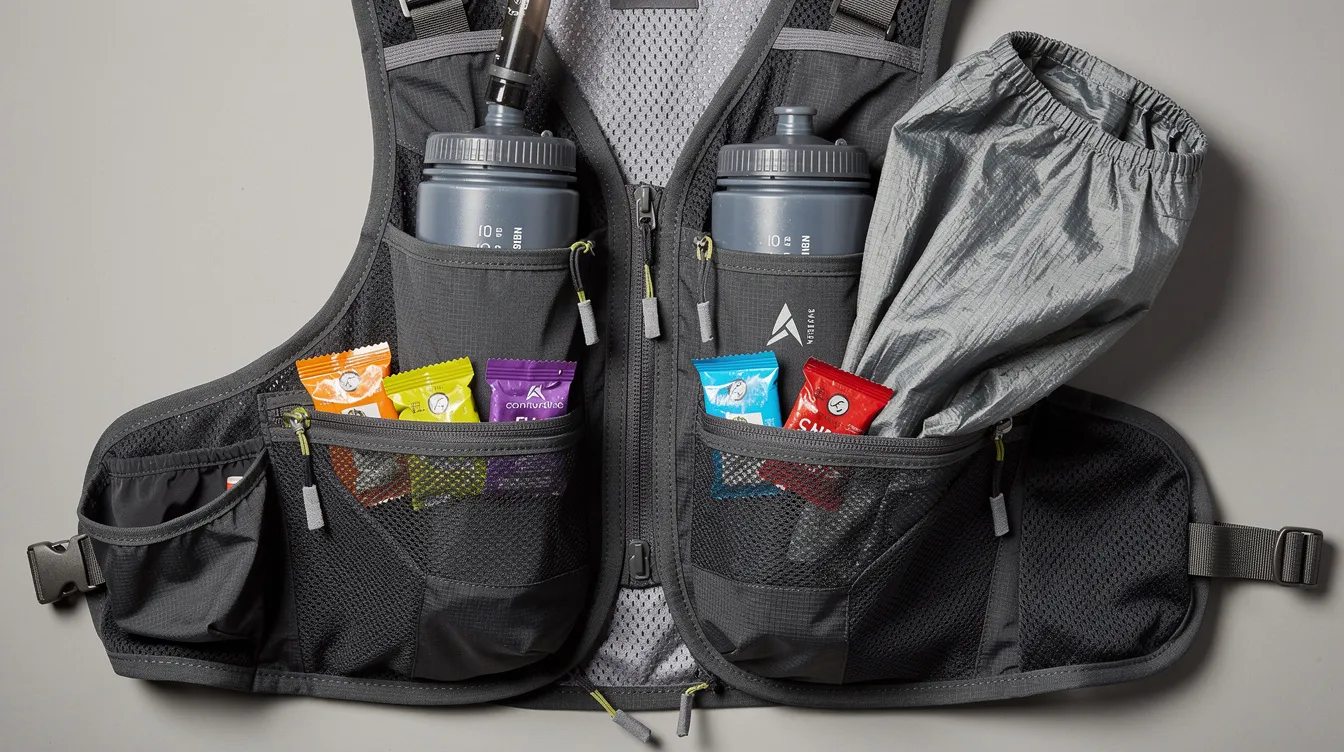
Nathan Pinnacle 4L – Best Hydration Vest for Most Trail Runners
The Nathan Pinnacle 4L is a compact, race-oriented vest with 4 liters of storage, two tall 20-oz soft flasks, and a front-loaded pocket architecture that puts everything you need within arm's reach. It weighs approximately 142 grams empty - roughly 20% lighter than Nathan's previous flagship designs according to Ultrarunning Magazine. The pinnacle breeze of airflow across the back panel makes it a standout for hot-weather running.
Why It Stands Out
Where the Salomon ADV Skin 12 is built for big days, the Nathan Pinnacle is tuned for the runs most trail runners actually do: 1–4 hour sessions where you need reliable hydration and quick-access fuel storage without the bulk of a bigger pack. The reduced back coverage improves airflow, and the secure fit system limits slosh even when flasks are full. The Nathan AeroZip vest from the same family is made from lightweight, breathable material, and the Pinnacle shares that DNA.
Best For
- Runners doing 1–4 hour trail runs, marathons, and long tempo sessions
- Road runners stepping into their first trail ultras who don't need huge carrying capacity
- Those who prioritize quick-access front pockets for fueling every 20–30 minutes
Key Strengths
- 12+ exterior pockets including multiple pockets for gels, trash, phone pocket with zip closure, and emergency whistle attachment points
- Very secure chest fit with adjustable straps that limit flask bounce at all paces
- Offered in women's hydration vests and unisex fits - the women's version features a shorter torso and different chest shaping that works better around a sports bra
- Some vests feature bungee storage for quick access to gear, and the Pinnacle delivers this across both shoulder straps
Possible Limitations
- Not ideal if you prefer a rear hydration bladder to front flasks
- 4L storage can feel tight for mountain events with long mandatory gear lists or when you need to stash an extra layer
- Smaller packs like this won't carry enough for self-supported full-day efforts
CamelBak Circuit – Best Budget Hydration Running Vest with Bladder
The CamelBak Circuit is a popular, value-oriented running hydration vest that ships with a Crux 1.5L hydration reservoir and offers 5 liters of total storage. At roughly 160 grams and an MSRP around $99, it's one of the most accessible entry points into quality hydration packs for road and light trail use.
Why It Stands Out
Unlike most hydration packs in this price range, the CamelBak Circuit includes a quality bladder out of the box - no extra purchase needed. The hydration tube routes cleanly via a built-in tube trap on the shoulder strap, and the 3D vent mesh back panel keeps the reservoir from plastering against your skin. It's the best hydration pack for runners who prefer sipping through a hose rather than fumbling with front flasks.
Best For
- New runners buying their first running vest for half marathon or marathon training
- Budget-conscious trail runners needing a simple, functional hydration system
- Runners who prefer a single hose setup vs managing two front flasks
Key Strengths
- Comes with a quality 1.5L Crux reservoir, ready to use immediately - hydration bladders can carry larger amounts of liquid than flasks, making this ideal for longer efforts
- Decent front pockets for gels and a secure zip pocket for phone storage
- Breathable mesh back panel and reflective elements for low-light visibility
- Dual adjustable sternum straps and trekking poles attachment point
- Lightweight for the price class at roughly 160 grams
Possible Limitations
- Fewer, less technical pockets vs more premium trail vests - pocket layout is functional but basic
- Bounce more noticeable at faster paces if waist straps and sternum straps aren't carefully dialed in
- Hydration capacity is bladder-only unless you add aftermarket flask pockets
Osprey Duro/Dyna 1.5 – Best Minimalist Bladder-First Running Vest
The Osprey Duro (unisex/men's) and Dyna (women's) 1.5 is a slim, race-style vest built around a 1.5L reservoir with just enough storage for the essentials. It's designed for runners who want continuous sipping via a hydration tube and almost zero bulk.
Why It Stands Out
This is the vest for runners who hate feeling like they're wearing a backpack. The slim profile sits tight against the body, and the Dyna version is tuned for women's hydration needs with a shorter torso length and different arm holes sizing. A good hydration vest should feel like an extra layer of clothing instead of a backpack, and the Duro/Dyna nails that philosophy. Properly fitted vests should feel stable without restricting movement, and Osprey's adjustable sternum system makes this achievable across different body shapes.
Best For
- Runners who mainly want continuous sipping via hose and minimal bulk
- Marathon runners who don't trust on-course cups and want their own fluids
- Short-torso runners who struggle with long, tall vests from other packs
Key Strengths
- Very light and compact while still including a quality insulated bladder sleeve to reduce fluid warming
- Enough front storage for phone plus a few gels without feeling overloaded
- Adjustable sternum straps enhance fit and prevent bouncing - the dual-strap system lets you fine-tune position relative to your chest
- Stretch-fit materials allow freedom of movement while running
Possible Limitations
- Limited storage capacity makes it unsuitable for full-day mountain adventures - this is not a bigger pack
- Front flask options are more limited; the design is bladder-centric
- If you need to carry how much gear a typical ultra demands, look elsewhere

Budget Amazon-Style Running Hydration Vest – Best Ultra-Cheap Try-It-and-See Option
This category covers the popular generic Amazon hydration vests in the $25–$40 range - lightweight mesh running packs that typically ship with a 1.5–2L bladder and a handful of front pockets. Brands rotate frequently, but the format is consistent: open breathable mesh construction, adjustable side and front straps, and basic storage for phone, keys, and nutrition.
Why It Stands Out
The extremely low price point lets hesitant runners test hydration vests before committing real money. Running vests typically range from 1.5 to 15 liters capacity, and these budget options usually land in the 5–8L range with enough room for a short-to-medium trail day. Many are surprisingly light thanks to minimal fabric and open mesh construction.
Best For
- Beginner runners unsure if they'll enjoy running with a vest
- Occasional users who only need hydration carry a few times per year
- A backup or loaner vest for friends and family on casual trail days
Key Strengths
- Very affordable - frequently under $35 including a bladder
- Flexible sizing with adjustable sides, front straps, and sternum straps that work across many body shapes
- Enough front storage for phone, keys, and basic nutrition
- Hydration packs typically carry fluids in soft flasks or bladders, and most budget options accommodate both formats
- Many hydration packs accommodate both flasks and bladders, giving you room to experiment
Possible Limitations
- Variable quality control: seams, zippers, and bladders can fail sooner than premium alternatives
- Fit, bounce, and chafe resistance generally not on par with top brands
- Closure systems on pockets may feel flimsy or unreliable during technical running
- These are running packs best suited for testing the concept, not for race day reliance
Choose Based on Distance and Hydration Volume
Capacity of hydration vests should match the typical run length being planned. A minimalist vest is ideal for short runs while longer runs require more capacity. Here's the rough framework:
- Under 90 minutes: Small vests (1–3L storage) or even hydration belts may suffice. You need 500–1000 ml of fluid at most, and a phone pocket for emergencies. Smaller packs or a simple handheld could work here too.
- 90 minutes to 4 hours: Mid-capacity vests (4–8L) with 1–2L total water. This covers most marathon training runs, trail races up to 30K, and long weekend adventures. Vests like the Nathan Pinnacle or CamelBak Circuit live here.
- 4+ hours or mountain environments: Larger 8–12L vests with room for 2–3L fluid and extra gear. Self-supported efforts, ultras, and alpine trail runs demand this level of carrying capacity. The Salomon ADV Skin 12 or Ultimate Direction vests are built for this tier.
Choose Based on Fit, Body Type, and Chafe Risk
Proper hydration vest fit can significantly enhance comfort during runs. A snug fit prevents chafing and bouncing during runs, but "snug" looks different on every body. Here's what actually matters:
- Torso length: A vest that's too long will flare at the waist. Too short, and the load rides up toward your neck. Measure from the base of your neck to your waist and compare against brand size charts.
- Chest circumference: Runners with larger chests - whether from body composition or wearing a sports bra - should look for higher sternum strap placement and soft, stretch materials that don't compress uncomfortably. Ensure vests have adjustable systems for a fine-tuned fit across the torso.
- Unisex vs women's-specific: Women's hydration vests typically feature S-curved shoulder straps, shorter torso lengths, and different front pocket positioning that accommodates chest anatomy. The Nathan Pinnacle, Osprey Dyna, and Ultimate Direction Ultra Vesta all offer women's-specific patterns. If you're between sizes or have a non-standard fit, prioritize brands with extended XS–2XL ranges.
- Plus-size runners: Prioritize brands offering explicit size ranges rather than "one size fits all" claims. Stretch fabrics and multiple adjustment points (sternum straps, side compression, front cords) are essential.
- Always test loaded: The single most important fitting tip is to test your vest with the actual amount of water and gear you plan to carry. An empty vest always fits fine. A vest with two full flasks and a stuffed back pocket tells you the truth about bounce, chafe, and comfort around the arm holes.
Choose Based on Hydration Style: Flasks vs Bladder
This is the most personal decision in running vest hydration, and there's no single right answer. Here's how each system performs in practice:
Soft flasks (carried in front pockets):
- Soft flasks provide quick access to fluids during runs - grab, squeeze, drink, replace, all without stopping
- Easy refills at aid stations: just pull the flask, fill it, drop it back in
- Visible volume: you always know how much you have left
- Ability to carry different drinks (electrolyte in one flask, water in the other)
- Shrink as they empty, reducing bounce over time
- Limited total capacity per flask (typically 250–500 ml each)
Hydration bladder (carried in rear compartment):
- Higher total volume: 1.5–2L is standard, with some holding up to 3L
- Single hose delivery via shoulder-mounted bite valve - an insulated bladder sleeve can help keep water cool
- Less front bulk, leaving chest area clear
- Harder to refill mid-run compared to flasks
- Difficult to gauge remaining water without removing the bladder
- Hydration tube management required (routing, securing, preventing leaks)
Our recommendation for most runners: if you're running ultras or remote routes, use a mixed setup - a rear bladder for base volume plus one front flask for electrolytes or quick sips. Many hydration packs accommodate both systems. For road marathons and shorter trail runs, front flasks alone usually provide enough liquid capacity and simpler logistics.
Always check the product listing before purchasing. Many vests ship without a bladder or flasks - components are frequently sold separately, especially on Amazon where listing details can be unclear. If a vest advertises "bladder compatible," that often means the sleeve exists but the reservoir is an additional purchase.
Which Hydration Running Vest Is Best for You?
The best hydration vest depends on your distance, terrain, climate, and how much gear you actually carry. There's no universal winner - only the right tool for your specific running life. Here are direct, decision-style recommendations:
- Choose the Salomon ADV Skin 12 if you want a single vest that can handle everything from big training weeks to 50K–100K races. The Salomon Active Skin line also offers smaller versions if you like the brand but need less volume.
- Choose the Nathan Pinnacle 4L if most of your runs are 60–180 minutes and you want fast access to pockets without feeling overpacked. Front pockets keep nutrition and essentials easily accessible on every run. Vests typically include pockets for keys, phone, and nutrition items, and the Pinnacle excels at organizing all three.
- Choose the CamelBak Circuit if you're marathon training on a budget and want a dependable bladder-based solution with secure storage for your essentials.
- Choose the Osprey Duro/Dyna 1.5 if you run light and fast but still need hands-free water on road and trail. This is the comfortable vest for runners who hate feeling encumbered.
- Choose a budget Amazon vest if you just want to experiment with running hydration packs before committing to a $150+ investment.

Final Thoughts on Running Vest Hydration
A well-chosen hydration vest makes long runs safer and more enjoyable by keeping fluids, fuel, and safety gear always within reach. It's better to slightly over-prepare on hydration capacity than to run dry 8 miles from home or 45 minutes from the next aid station - especially in heat, at altitude, or on remote trails where you might also want a headlamp for safety.
Think about the longest effort you have planned this season. Choose a vest that comfortably covers that scenario with room to spare. If you're unsure, start with a mid-range option like the CamelBak Circuit or Nathan Pinnacle, learn what you value most (more pockets? bigger bladder? lighter weight?), and upgrade from there.
Member discussion