
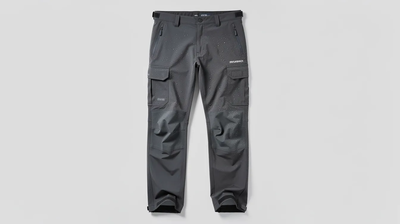
Men's waterproof cargo pants combine weather protection with functional storage, making them a smart pick for hiking, camping, commuting, and travel in wet conditions. True waterproof cargo pants are relatively uncommon - many pants marketed as waterproof are actually water-resistant, so knowing what separates genuine rain protection from a basic coating is the key to buying the right pair. This page breaks down the types available, the features that matter, and how to choose waterproof pants that match your activity, climate, and pocket needs.
Types of Waterproof Cargo Pants for Men
Not every waterproof cargo pant is designed for the same conditions. Before comparing product listings, identify the kind that fits how and where you'll actually wear them.
Heavy-Duty Hiking & Backpacking Cargo Pants
Built with rugged nylon or polyester shells and full waterproof membranes - typically 2.5- to 3-layer constructions - these pants handle multi-day hikes in persistent rain. Look for technologies such as GORE-TEX to ensure waterproof protection, along with reinforced knees and seat panels, fully taped seams, and large cargo pockets that remain accessible over a hip belt. Some cargo pants are made from 100% recycled polyester with GORE-TEX technology, combining sustainability with serious performance. Ideal for backpackers tackling wet routes in the Pacific Northwest, the UK, or monsoon-season trails.
Lightweight Packable Travel Cargo Pants
These prioritize low weight and packability, often using thin ripstop fabric with a DWR (durable water repellent) coating rather than a full membrane. Lightweight waterproof pants are essential for packing as emergency rain gear on carry-on-only trips or summer adventures where thunderstorms pop up fast. Quick-drying material and low-profile pockets keep you from looking like a walking tackle box. Ripstop fabric prevents tears in waterproof shells, which matters when you're stuffing pants into a daypack every morning.
Workwear & Tactical Waterproof Cargo Pants
Made for job sites, security work, range days, or bushcraft, these combine weather protection with extra-tough fabric. Durable fabrics like nylon ripstop are ideal for outdoor use, and features like tool loops, deep cargo pockets, and reinforced stitching handle real abuse. Many tactical-style waterproof cargo pants are actually only water-resistant, so read the specs carefully. Models like the 5.11® Stryke® Cargo Pant offer twelve purpose-built pockets, while the 5.11® Men's Straight Fit Ridge Cargo Pant has eight pockets - both emphasizing storage and durability over membrane-level waterproofing. 5.11® cargo pants use Flex-Tac® mechanical stretch fabric for motion during demanding tasks.
Winter-Ready Insulated Cargo Pants
Designed for cold, wet conditions - snowshoeing, winter camping, or icy commutes - insulated waterproof cargo pants add synthetic insulation, fleece linings, or removable liners beneath a waterproof shell. Boot-friendly cuffs make it easy to put pants on over bulky footwear, and snow-gaiter compatible hems seal out slush. These are overkill in mild climates or during high-output hiking but essential when temperatures drop below freezing and wet snow is a factor. Pair them with thermal leggings for extreme cold.
Everyday Commuter & Urban Cargo Pants
Casual wear meets weather protection: these pants look normal at the office or around town but shed rain during bike commutes and weekend walks. Slimmer cuts, muted colors like black or olive, and smartphone-sized cargo pockets keep the style clean for everyday wear. Waterproof cargo pants repel stains and liquids effectively, making them practical for errands and public transport. Water-resistant cargo pants can be made from nylon-spandex blends that stretch and move naturally. A versatile pair for men who want one option for the office, the pub, and a rainy dog walk.
What to Look For in Men's Waterproof Cargo Pants
The "waterproof" label varies wildly across product listings. This section explains the features that actually keep you dry and comfortable so you can find the right pair before buying.
Fabric and Waterproof Technology
The most important distinction: fully waterproof membranes (2- or 3-layer laminates) versus basic DWR coatings. Look for a rated waterproof membrane of 10K to 20K mm for steady rain - that's the hydrostatic head measurement, which tells you how much water pressure the fabric can withstand before leaking. DWR treatments may not provide adequate protection in heavy rain; they cause water to bead on the surface but won't stop penetration under sustained downpours. Common outer fabrics include nylon ripstop and polyester, which trade off durability and softness depending on denier. DuPont™ Teflon® Coating repels stains and liquids on some models, adding an extra layer of surface protection. Waterproof pants can be made from 100% recycled polyester, which is increasingly common as brands shift toward sustainable material choices.
Breathability and Condensation Control
Non-breathable rain gear traps sweat and feels clammy within minutes of exertion. Breathable ratings help manage heat during high-exertion activities - look for MVTR values between 10,000 and 20,000 g/m²/24h for hiking and cycling, or RET values under 6 for demanding use. Breathable membranes or thigh air vents help release sweat during activity. Breathable ratings and ventilation zippers can enhance comfort significantly on warm, wet days. For slow-paced fishing or camp chores, 5,000–10,000 g/m²/24h is usually adequate; for bike commuting or trail running, aim higher.
Seam Sealing and Construction Quality
Even the best waterproof fabric leaks at needle holes if seams aren't sealed. Fully taped seams are important for sustained rain - ensure pants have fully taped or sealed seams to prevent water seepage, especially in the seat, crotch, and knee areas. Seam sealing is critical to stop water from leaking through needle holes. Common failure points include inner thighs, knee bends, and pocket edges. Look for bar tacks on stress points and waterproof or storm-flap-covered zippers. Check close-up product photos for visible seam tape before you buy.
Pockets, Storage Layout, and Security
Cargo pockets should have secure closures to prevent water pooling, and secure closures in cargo pockets help prevent gear from falling out during scrambles or bike rides. Pocket construction with welded or zippered flaps helps keep items dry - secure, water-sealed pockets are essential to keep gear dry in heavy conditions. Waterproof cargo pants often include multiple zippered pockets for storage. Hikers benefit from map-sized bellows pockets accessible over pack straps, while travelers may prefer hidden zip pockets for cards and passports. Consider what you actually carry - phone, keys, multitool, power bank, headlamp - and choose a layout that matches.
Fit, Mobility, and Comfort
Look for comfort features like articulated knees and stretch panels that allow scrambling, kneeling, or climbing into a tent. A gusseted crotch improves range of motion without fabric bunching. Regular fit works for most outdoor use and layering; slim fit suits urban and commuter wear; relaxed fit accommodates heavy base layers in cold conditions. Khaki cargo pants are available in regular and straight fits for those who want a classic look. Ankle zippers allow pants to be worn over bulky footwear, which matters with hiking boots or winter boots. Waist adjustments - integrated belts, elastic panels, or belt loops - should work with backpack hip belts if you're hitting the trail.
Weight, Packability, and Durability
There's a direct trade-off between lightweight packable pants and heavier, abrasion-resistant options. Ultralight shells run 8–10 oz and compress into a fist-sized bundle, making them easy to stash in a daypack. Heavy-duty models weigh 16–24 oz but survive bushwhacking, kneeling on rock, and carrying firewood. Denier ratings indicate fiber thickness: 20–30D fabric is lightweight and packable; 75–100D fabric is durable enough for workwear and tactical use. The 5.11® Men's Slim Fit Stretch Trail Cargo Pant is designed for outdoor use with a focus on stretch and mobility. Water-resistant cargo pants offer practical storage for outdoor activities without the added weight of a full membrane.
Weather and Season Suitability
Unlined waterproof shells suit spring through fall for most climates. For winter camping or skiing, insulated or fleece-lined cargo pants with waterproof shells are the move - a waterproof ski jacket paired with insulated cargo pants creates a solid winter kit. Adjustable cuffs with snaps or drawcord hems let you seal pants over lightweight camping shoes or tall boots. Many waterproof cargo pants feature UPF 50+ sun protection, and some cargo pants feature UPF 50+ sun protection even without a waterproof membrane - useful for alpine and desert conditions where UV is as much a concern as rain.
Care, Reproofing, and Longevity
DWR coatings wear off with use, abrasion, and washing. Revive them with wash-in or spray-on reproofing treatments. Basic care: close all zippers and Velcro, use a technical-wash detergent, avoid fabric softeners that clog membrane pores, and line-dry or tumble on low heat to protect membranes and seam tape. Periodically check for delamination - peeling seam tape or a membrane that saturates quickly signals it's time to reproof or replace. Gear repair tape can extend the life of small punctures or tears in the field.
How to Choose the Right Waterproof Cargo Pants for You
Translating all those features into a decision comes down to a handful of criteria:
- Primary Use (Trail, Work, Travel, Everyday) - Match the pant type to your main activity. Rugged 3-layer membranes for backpacking adventure, reinforced models for job sites and tactical use, and lightweight DWR-treated styles for urban and travel use. If you're planning a solo hiking trip, full waterproofing and reliable pockets are non-negotiable.
- Climate and Season - Unlined, breathable pants for summer heat; insulated or heavier fabric for shoulder seasons and winter. Consider pairing with a rain poncho and backpack rain cover for complete wet-weather protection.
- Activity Level - High-output hiking, trail running, and bike commuting demand higher breathability and vents. Low-activity fishing or camp chores call for warmth and a relaxed fit over maximum airflow.
- Fit and Sizing - Check size charts carefully, read buyer reviews about fit, and leave room for base layers if camping in cold conditions. Regular fit is the safest bet for layering flexibility.
- Budget vs Longevity - Entry-level waterproof cargo pants at a lower price can handle occasional rainy hikes, but premium models with sealed seams and proven membranes last multiple seasons of heavy use. Consider the price per wear.
- Pocket and Carry Needs - Choose pocket layouts based on what you actually carry. A dozen pockets are wasted if you only need space for a phone and keys. Match items to storage: deep cargo for gloves and maps, zippered hip pockets for essentials like a wallet and compact flashlight.
Frequently Asked Questions
These are the questions men ask most often when comparing waterproof cargo pants online.
What's the difference between waterproof and water-resistant cargo pants?
Waterproof pants use sealed membranes and fully taped seams to block sustained rain - they're rated by hydrostatic head (e.g., 10,000–20,000 mm water column). Water resistant styles rely mainly on DWR coatings that cause water to bead off the surface but won't prevent soaking in prolonged downpours. Water resistant is usually enough for short showers and light commuting. For multi-hour downpours or backpacking trips, invest in fully waterproof cargo pants and verify the product specs list both a water column rating and seam taping.
Can I wear waterproof cargo pants in warm weather without overheating?
Yes, if you choose the right pair. Breathable ratings, thigh vents, and lighter fabrics make some waterproof pants comfortable in summer heat. Unlined, thin-shell designs with MVTR ratings above 15,000 g/m²/24h move enough moisture to prevent that sauna feeling. Reserve insulated or heavy-duty models for cooler months or low-activity days when overheating isn't a concern.
How should waterproof cargo pants fit over boots and base layers?
Leave enough room in the thighs and knees for thermal leggings or long underwear during early spring or late fall camping. Choose an inseam length and cuff opening that sits cleanly over hiking or work boots without dragging. Ankle zippers allow pants to be worn over bulky footwear easily. In snow, mud, or tall wet grass, adjustable hems or gaiters seal the gap between pant leg and boot.
How do I wash and maintain men's waterproof cargo pants?
Close all zippers and Velcro, use a technical-wash detergent (no fabric softeners), and tumble dry on low or line-dry. Periodic reproofing with DWR sprays or wash-in treatments restores water beading and extends the life of the outer fabric. Watch for signs the pants are losing performance: if the outer fabric wets out quickly instead of beading water, or seam tape starts lifting, it's time to reproof. Significant delamination means replacement.
Are waterproof cargo pants noisy or stiff to move in?
Some hardshell fabrics have a "crinkly" feel, but modern stretch-woven materials and softshell hybrids reduce noise and stiffness dramatically. If stealth and comfort matter - wildlife photography, hunting, or just daily wear - look for soft-hand fabrics and articulated knees. Check buyer reviews for comments on noise and stiffness, as these details rarely appear in product descriptions.
Explore the Best Men's Waterproof Cargo Pants
Choose waterproof cargo pants based on your actual use, climate, and pocket needs - not just the "waterproof" label on the listing. Browse our curated picks of men's waterproof cargo pants, each selected for real-world outdoor performance across hiking, camping, commuting, and work. Combining a durable, breathable pair with sturdy boots and a reliable rain jacket builds a dependable wet-weather kit for any adventure.
Member discussion