

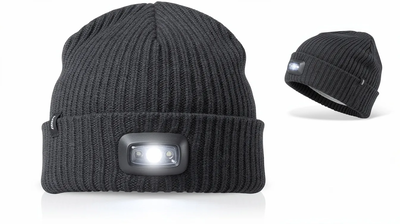
Beanies with Built‑In Hands Free Lights: What This Category Covers
An LED beanie combines a warm winter hat with a built-in led light, giving you hands-free lighting the moment you pull it over your head. Whether you're heading out for predawn trail runs, walking the dog after dark, doing late-night camp chores, or handling emergency roadside repairs, a beanie with light eliminates the need to juggle a separate flashlight or strap on a bulky headlamp. LED beanies provide hands-free light for outdoor activities while keeping your head warm using insulating materials like wool or fleece.
This page covers the full range of lighted beanies available today - from budget picks under $15 to premium rechargeable models pushing $40 - and helps you choose the right style, brightness, and battery type for your specific needs. LED beanies range from $11.99 to $39.99, and LED beanies can be purchased online at Amazon and Walmart. We test and recommend beanies with light that cater to outdoor enthusiasts seeking functionality and durability, whether you're a casual dog walker in Sacramento or a backcountry camper deep in the country.
Types of Knit Beanie with Light
Not every LED hat is built the same way. The market breaks down into several distinct sub-types, each designed around different use cases, budgets, and feature sets. Here's how to tell them apart.
USB‑Rechargeable LED Beanies
These are the most popular style on the market: a warm knit or fleece beanie hat with a removable, USB rechargeable light module tucked into the cuff. Many models of LED beanies feature rechargeable batteries via USB, typically using a rechargeable lithium polymer battery charged through Micro-USB or USB C. Ideal for daily commuters, dog walking regulars, and casual campers who can top off the battery from a power bank or car charger. Typical runtime ranges from about 2 hours on maximum brightness up to 8 hours on low mode. Pricing usually falls between $10 and $25 for standard models. The POWERCAP 2.5 rechargeable beanie starts at $17.99 and charges in about 4 hours via Micro-USB.
The main advantages are no disposable batteries and a more eco-friendly approach. The trade-off is that runtime on max brightness can be short - often just 1–2 hours - and the rechargeable lithium polymer battery loses capacity in freezing temperatures.
Battery‑Powered LED Beanies (Coin Cell or AAA)
Some LED beanies use replaceable CR2032 coin cells or AAA batteries instead of USB charging. Outdoor users who spend multiple days off-grid often prefer these because battery swaps take seconds and spare cells are lightweight and widely available. The POWERCAP 35/55 runs up to 68 hours on replaceable batteries - a runtime no rechargeable model can touch. POWERCAP 2.0 has a maximum brightness of 75 lumens, which is plenty for tent setup or reading a map at camp.
The downsides are ongoing battery costs and the environmental impact of disposables. However, certain battery chemistries hold up better in cold weather than rechargeable lithium cells, making these a smart pick for winter hunting, fishing, or multi-day hiking trips.
Bluetooth Beanies with Light (Light + Headphones)
Combo beanies integrate a small Bluetooth headset and an LED headlamp in the same hat. These are best for urban runners, commuters who want music on their morning walk, and gift buyers looking for a fun "gadget" present for a dad, husband, or anyone who spends time outdoors in the dark. They make excellent gifts for men women who enjoy tech-forward accessories.
The trade-offs are real: more electronics means more things to recharge, more potential failure points, bulkier construction around the ears, and usually shorter battery life across both the speaker and light. We generally recommend these as fun gifts rather than serious outdoor gear - for demanding conditions, a simpler, more durable rechargeable LED beanie will serve you better.
High‑Visibility and Outdoor Work‑Grade Lighted Beanies
Safety-oriented LED beanies feature reflective strips, neon hi-vis fabrics, and brighter LEDs designed for work sites, roadside tasks, and working outdoors near traffic. Models like the PIP Global Winter Beanie Cap deliver 250 lumens in hi-vis orange or yellow acrylic. These are popular with utility workers, snow-shovelers, crossing guards, and anyone who needs maximum visibility in winter conditions.
Expect higher lumen outputs, better IP ratings for water resistance, more rugged construction, and additional light modes including strobe or flashing rear LEDs. Prices typically run $30–$50+.
Kids' LED Beanies
Child-sized LED beanies come with fun patterns, animal ears, or pom-poms and are designed with safety in mind: no loose wiring, moderate brightness (usually under 120 lumens) so they don't blind others, and simple one-button controls. These make ideal stocking stuffers for family camping trips or winter holidays. Look for removable light modules so parents can easily wash the beanie after muddy adventures.
What to Look For in a Beanie with Light
Beyond color and style, certain technical details determine whether a hands free lighted hat actually performs when you need it. Each section below focuses on a key feature that separates a best seller from a disappointing impulse buy.
Brightness (Lumens), Adjustable Brightness, and Beam Pattern
Brightness of LED beanies typically ranges from 40 to 300 lumens depending on use. Many LED beanies offer multiple brightness settings for different tasks - and choosing the right adjustable brightness level matters more than chasing the highest number.
Here's a practical breakdown:
- 40–80 lumens - Enough for walking the dog, sorting gear at camp, or navigating a dark parking lot. A wide flood beam works well here.
- 100–150 lumens - Suited for trail running, hiking in the dark, or reading a map at camp. A slightly focused beam helps you spot trail markers ahead.
- 300+ lumens - Work-grade territory. The POWERCAP 4.0 outputs 300 lumens and reaches 24 meters, making it ideal for outdoor work, field dressing game, or scanning a jobsite.
Flood-style beams light up a wide area close to you - perfect for camp chores. Focused or spot beams project farther, helping you identify obstacles on a trail or hazards along a roadside. Some premium models like the BORUiT GT28 offer both flood and spot modes at up to 800 lumens, though these are heavier and drain battery faster.
Battery Type and Runtime
The choice between USB rechargeable and replaceable battery models shapes your entire experience:
- USB rechargeable models typically run 2–4 hours on high and up to 8–10 hours on low. POWERCAP 3.0 runs up to 10.5 hours on Low setting. Some LED beanies are rechargeable via Micro-USB or USB-C, with the USB C standard becoming more common for faster charging.
- Replaceable battery models can run far longer - the POWERCAP 35/55 runs up to 68 hours on batteries, which is a massive advantage for multi-day backcountry trips.
In real-world use, low mode often matters more than max brightness. You'll spend most of your time at camp or on a familiar path where 40–60 lumens is plenty, and saving battery for when you genuinely need full power is smart strategy. Cold weather reduces battery performance significantly: rechargeable lithium cells lose capacity below freezing. On winter hikes, consider carrying the light module inside your jacket pocket until you need it, or pack spare AAA or coin cells as backup.
Comfort, Fit, and Warmth
Materials such as acrylic, fleece, and merino wool determine comfort and warmth. Acrylic knit is affordable, retains shape, and dries quickly. Fleece blocks wind and adds warmth - great for stationary tasks like fishing or watching winter sports. Merino blends offer premium odor control and moisture management for active use like running or cycling.
The light module and battery pocket can create pressure points on the forehead if poorly designed. Look for low-profile housings, especially if you plan to wear the LED cap under a ski or bike helmet. Most quality beanies use a one size fits most stretch design that covers the ears. Models designed as unisex fit adults of all head sizes comfortably, and some accommodate ponytails or long hair better than others - check product details and customer reviews before adding to cart.
Durability, Weather Resistance, and IP Ratings
IPX4 ratings on LED beanies imply protection against splashing water and rain - meaning they handle snow, drizzle, and light rain during winter walks just fine, but they aren't meant for submersion. Most reputable models from brands like POWERCAP carry IPX4 across their entire line. The POWERCAP 4.0 is even rated shockproof to 1 meter.
Pay attention to how the USB port is protected (rubber caps are essential), the strength of the light housing, and overall stitching quality. Cheaper models sometimes fail at the button or charging port after a few months of regular use. Picture wet sleet hitting you at a trailhead or snow blowing sideways while you shovel the driveway - your LED beanie needs to survive those moments without the light module shorting out.
Washability and Care
Most LED beanies are machine-washable when the light module is removed. Removable light modules are essential for easy cleaning of the beanie - you pop the module out, toss the hat in a gentle cycle with cold water, and air dry. Some models require hand wash only, especially cheaper designs where the electronics aren't fully removable.
For everyday commuters or anyone walking the dog daily through a long winter, plan on washing your beanie hat every few weeks. Always check the product page for specific wash instructions and make sure the fabric and all electronics are completely dry before reassembling. Spot cleaning around the module pocket between full washes keeps things fresh without risking damage.
Safety and Visibility Features
LED beanies improve visibility to others during low-light conditions - and for runners, cyclists, and anyone near traffic, being seen can matter more than seeing. Reflective strips, hi-vis colors, and rear-facing LEDs provide 360-degree visibility. Some models include multiple light modes like red, green, or strobe that are less blinding to oncoming traffic or fellow trail users than a bright white beam.
If you regularly run or ride on unlit paths, prioritize a headlamp beanie with reflective elements. LED beanies can also serve as practical backup lighting during emergencies - a feature worth considering if you keep one in your personal emergency kit.
How to Choose the Right Beanie with Light
Matching the right LED beanie to your needs comes down to a handful of concrete decisions. Here's how each criterion changes your best pick:
- Primary activity (dog walks, camping, running, work) - Slow dog walks or city commutes work fine with a 40–80 lumen warm hat. Backcountry camping, hunting, or early-morning trail runs benefit from 150+ lumens and longer runtimes. If you're working outdoors near traffic, go for a high-vis model with 300 lumens and reflective features.
- Trip length and access to power - Overnight trips with a power bank favor USB rechargeable models. Multi-day off-grid outings justify AAA or coin-cell options so you can pack spare batteries. A 2-pack of LED beanies starts at $12.45, making it easy to keep a backup ready.
- Climate and season - Sub-freezing temps call for fleece-lined beanies with warm insulation. Shoulder seasons or active runs where you'll sweat need breathable knits. Remember that cold weather saps rechargeable batteries faster - consider battery-powered models for deep winter use. Check our cold-weather gear guides for more winter prep advice.
- Fit and comfort preferences - Choose thinner, low-profile light modules for wearing under a helmet (great for night cycling or ski touring). Thicker, ultra-warm beanies suit stationary tasks like ice fishing or watching outdoor winter sports. Most quality LED beanies are designed as one size unisex options for adults.
- Budget and durability expectations - Sub-$15 picks work for occasional use or gifts. The $20–$40 range delivers better LEDs, genuine water resistance, and longer-lasting construction - the POWERCAP 4.0 costs $39.99 and represents the premium end with 300 lumens, USB-C charging, and IPX4 protection. LED beanies are available in various colors and styles across every price bracket.
- Gift vs personal use - Bluetooth-speaker beanies in fun colors make great gifts for a dad, husband, or outdoorsy friend. For your own regular use, simpler rechargeable LED designs with longer runtime and better durability are the smarter investment. A hands free lighted hat is the kind of practical present that customers actually use all winter long.
Frequently Asked Questions about Beanies with Light
These FAQs cover the most common questions buyers search before choosing a beanie with light for camping, hiking, running, or everyday winter use.
Are beanies with light bright enough to replace a headlamp for camping?
For casual campsite tasks - cooking dinner, finding the latrine, sorting gear - a 100–150 lumen LED beanie is sufficient and arguably more comfortable than a rechargeable headlamp strapped to your head. However, for technical night hiking, mountaineering, or cave exploration, a dedicated headlamp for hiking is still safer thanks to higher output and more adjustable beam angles. A smart hybrid approach: use a lighted beanie for camp chores and keep a proper LED headlamp in your pack for serious trail navigation.
How long does the battery in a lighted beanie typically last?
Realistically, expect 2–4 hours on high settings and up to 8–10 hours on low, depending on model and temperature. POWERCAP 3.0 runs up to 10.5 hours on Low setting, while the battery-powered POWERCAP 35/55 runs up to 68 hours on batteries. Always check manufacturer runtime charts and assume slightly less in freezing weather, as cold saps battery capacity.
Can I wash a beanie with a built‑in light without ruining it?
Yes - most modern models have removable light pods. Pop the module out and machine wash the beanie on a gentle cycle with cold water, then air dry. Cheaper designs with non-removable lights require spot cleaning or careful hand wash around the electronics. Always check product details for specific instructions before tossing anything in the machine.
Are LED beanies safe to wear in the rain or snow?
Many quality LED beanies carry an IPX4 rating, meaning they handle splashing water, rain, and snow during typical winter walks without issue. Avoid submerging the light module or exposing it to sustained heavy downpour. If the electronics get soaked, remove the module and dry everything thoroughly before recharging or turning the light on again.
Will a beanie with light fit under a helmet?
Slimmer, low-profile knit beanies can fit comfortably under ski, bike, or climbing helmets. Bulkier fleece models with larger light housings usually won't. If you plan to use the combo for night cycling or ski touring, choose a thin LED cap with a compact module and adjust your helmet fit accordingly. For more helmet-compatible lighting options, consider pairing a thin beanie with a clip-on light.
Is a beanie with light a good gift for hikers and campers?
Absolutely - a hands free lighted hat is one of the most practical, affordable gifts for anyone who spends time outdoors in the dark. LED beanies are useful for outdoor activities like camping, hiking, and dog walking, making them ideal for a dad, husband, or any outdoors enthusiast on your list. For safe gift specs, look for mid-range brightness (100–150 lumens), USB charging, neutral colors like black, and removable light modules for easy washing. A 2-pack of LED beanies starts at $12.45, making them budget-friendly stocking stuffers too.
Get Ready for Dark‑Season Adventures
A beanie with light keeps you warm and hands free during every early-morning start, late-night camp chore, and dark winter errand. The right choice comes down to matching brightness, battery type, comfort, and durability to how often - and where - you head outdoors. Browse our recommended outdoor gear and gadgets and shop beanies with light on Amazon for camping, backpacking, running, and everyday winter use.

Member discussion