

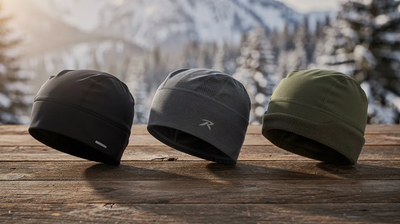
Whether you're running a summer trail, cycling a century ride, or working a full shift under a hard hat, the right skull cap keeps sweat out of your eyes and heat off your head. This guide breaks down the types of cool skull caps available for hiking, running, cycling, motorcycling, and camping - focusing on breathable, sweat-wicking, quick drying designs commonly available on Amazon in 2026 that work equally well under helmets and on their own.
Types of Cool Skull Caps
"Cool skull caps" covers several distinct styles, each engineered for specific outdoor activities. Knowing which category fits your needs - from summer trail runs and long bike rides to under hard hats and winter hikes - narrows the search fast.
Lightweight Cooling Skull Caps for Running & Hiking
These are ultra-thin, low-profile caps made from polyester, nylon, or lightweight merino, often with 3D mesh panels over the forehead and temples. They're designed for one purpose: keeping your head cool during hot-weather cardio. Moisture wicking fabrics pull sweat off the skin and spread it across the surface to evaporate quickly, so perspiration stays out of your eyes on steep climbs. Cooling skull caps are lightweight and breathable, making them ideal for ultralight backpackers and runners who want minimal bulk under a sun hat or worn alone. Because the fabric is so thin, these caps compress small enough to stash in a pocket - a genuine "just in case" item for any lightweight camping gear kit.
Helmet Liner Skull Caps for Cycling & Motorcycling
A lightweight helmet liner sits flush against the scalp without creating pressure points under a bike, ski, or motorcycle helmet. These caps prioritize flatlock seams, stretch panels, and quick drying materials that prevent hotspots on long rides. Skull caps provide a secure fit during sports activities, which matters when you're descending at speed and can't afford a cap bunching under your helmet. They're built for road cyclists, mountain bikers, commuters, and ADV riders - anyone who sweats heavily under a helmet and needs reliable sweat control. Cooling skull caps can be used under helmets for added comfort, and skull caps are suitable for running cycling alike, making them a versatile purchase.
Hard Hat & Work Skull Caps
Rugged cooling caps and hard hat liner designs are built for construction, welding, and warehouse work. They emphasize durability, multi-pack value, and all-day comfort under hard hats in extreme heat. Products in this category often feature UPF 50+ sun protection, antimicrobial treatments for odor control, and reflective accents for low-light visibility. Some models add neck drapes or extended coverage for sun protection on job sites. They provide UV protection during outdoor activities, which is critical for men women working exposed rooftops or road crews all season long. A 3-Pack of Cooling Skull Caps costs around $12.99, making work-grade multipacks an easy purchase for daily rotations.
Slouchy & Patterned "Cool Look" Skull Caps
Casual, slouchy beanie-style skull caps and patterned designs - skull prints, floral skulls, graphic and logo details - serve style as much as function. Popular materials for skull caps in this category include cotton, wool, and polyester blends, and trendy skull caps come in various designs and materials. Common skull cap designs include minimalist, embroidered, and graphic styles, while minimalist solid-color caps are popular for their versatility. Skull caps have evolved from functional gear to fashion accessories, becoming a staple streetwear accessory that graphic and logo designs appeal to streetwear enthusiasts. Cotton is breathable and lightweight, making it ideal for summer caps worn around camp on shoulder-season evenings. They prioritize aesthetics and comfort over pure performance, suited to low-intensity outdoor use. Luxury skull caps feature velvet finishes and metallic embroidery, and skull caps with textured knitting offer a more fashionable appearance - proof that skull caps combine style, comfort, cultural expression, and practicality.
Thermal & Cold-Weather Skull Caps
Insulated or fleece-lined skull caps are engineered to fit under helmets or hoods in winter. They suit cold-weather activities such as ski touring, snowshoeing, and winter bike commuting. Merino wool provides a soft, warm feel suitable for luxury caps, while synthetic fleece backings add wind resistance without excessive bulk. The balance between ear coverage, insulation, and maintaining a profile thin enough for helmet fit is the core design challenge. For broader winter layering advice, see our guides to thermal leggings and thermal jackets. A 2026 study modeled Phase Change Material (PCM) cooling caps in extreme heat and found that PCM-embedded textiles reduced inner surface temperature by 6–14 K versus ambient - technology that's beginning to appear in cold-weather caps as well, where PCMs help buffer temperature swings during stop-and-go activities.
What to Look For in Cool Skull Caps
Fabrics, construction, and fit determine whether a skull cap actually stays cool and comfortable on the trail. Here are the details that matter most.
Fabric & Breathability
The most effective skull cap fabrics are synthetic blends - polyester or nylon with spandex - that combine strength, stretch, and minimal water absorption. Bamboo viscose and lightweight merino offer natural odor control and thermoregulation for shoulder-season use. Mesh zones and perforations placed over high-sweat areas (forehead, temples) dramatically improve ventilation during summer runs or steep climbs. Performance-oriented skull caps often use moisture-wicking materials engineered with specific yarn cross-sections that accelerate capillary transport.
Avoid thick cotton for high-sweat activities: it absorbs water, dries slowly, and traps heat. Research on cap microclimates found that fabric thickness, moisture retention, and thermal conductivity are stronger predictors of comfort inside a cap than simple air permeability - and that above roughly 33 °C inside the cap, wearers begin to feel distinctly uncomfortable.
Moisture Wicking & Drying Speed
A skull cap that wicks sweat pulls moisture away from the skin and distributes it across the outer surface where evaporation can occur. Cooling skull caps help wick sweat away during activities, and skull caps are lightweight and effective for sweat control - two qualities you'll notice immediately on a hot climb. Quick drying caps are especially valuable on multi-day trips when gear must dry overnight in a tent.
Some caps take wicking further with evaporative cooling: designs like the HyperKewl PLUS skull cap can be soaked in water and deliver 5–10 hours of active cooling per soak, with duration depending on humidity and airflow. Check product reviews for real-world reports on how long a cap takes to dry after hard efforts - that's the detail manufacturers rarely quantify.
Fit, Seams & Comfort Under Helmets
A snug, compressive fit prevents a cap from riding up under a helmet, even during aggressive movement. Skull caps fit well for bald individuals, and many users find skull caps very comfortable - but raised stitching can be uncomfortable for some users, especially under helmet pressure. Look for flatlock stitching, minimal forehead seams, and tag-free interiors.
Stretchy, one size fits most designs work for the majority of heads, but readers with very large or small heads may need size-specific options. Some skull caps are designed specifically for bald individuals, with ultra-soft interior fabrics and gentle compression that won't irritate bare skin.
Temperature Range & Seasonality
Ultra-thin caps suit hot summer runs. Mid-weight synthetic or lightweight fleece-backed caps work for spring and fall hiking. Fleece-lined or wind-resistant caps fit winter missions. Match cap thickness to your typical trip temperatures and exertion level - a cap that's perfect for a January ski tour will overheat you on a July trail run.
Some cooling caps use evaporative or phase-change materials that feel coolest when wet and exposed to airflow. A 2024 systematic review of personal cooling garments in occupational settings confirmed that headwear using PCMs, ice, or evaporative fabrics measurably reduces heat strain, especially when combined with other cooling items.
Coverage, Style & Visibility
Caps range from low-profile designs covering just the crown to extended styles with ear flaps or neck drapes. For sun protection during exposed alpine or desert outings, look for UPF-rated models or pair a skull cap with a brimmed hat. Bright or reflective accents are wise for road runners and cyclists out at dawn or dusk - many work-grade caps from brands like Ergodyne include hi-vis and reflective trims as standard.
Pattern and color choices - black versus neon, skull motifs versus solids - can complement a camper's or cyclist's personal style without sacrificing function. If you're pairing a cap with a headlamp for hiking, choose a design that sits well under the headlamp strap.
Durability, Odor Control & Packability
Reinforced stitching and quality elastics help a skull cap survive frequent wash cycles and daily wear. Antimicrobial treatments or natural odor control from merino blends matter for multi-day backpacking - you don't want a cap that smells after two days on the trail. Most technical skull caps compress small enough to stash in a hip belt pocket, chest bag, or handlebar bag, making them easy to carry even when not in use.
How to Choose the Right Cool Skull Cap
Here's how to convert the features above into a quick decision.
- Primary activity (running, cycling, motorcycling, work, camping) - High-output sports like running cycling favor ultra-breathable mesh caps that prioritize sweat control above all else. Motorcycling or hard hat work demands a secure helmet liner with smooth seams and durable construction. Casual camping lets you choose slouchier, more stylish options.
- Typical climate and season - Hot, dry climates call for thin, evaporative cooling designs. Humid climates reduce evaporation effectiveness, so moisture wicking fabrics with fast drying times matter more. Cold-weather users should prioritize insulated yet low-bulk options - a fleece-backed cap that still fits under a ski helmet.
- Helmet or no helmet - Anyone wearing a bike, ski, moto, or climbing helmet should prioritize ultra-low-profile caps with flatlock seams. Helmet-free campers and gym goers can go slouchier or more styled without worrying about bulk.
- Head shape, hair, and sensitivity - Bald or closely shaved heads need especially soft, tag-free interiors and gentle compression. Some skull caps are designed specifically for bald individuals with this in mind. Thick or long hair may require stretchier caps with more interior room.
- Budget and pack size - Budget buyers should look at multi-packs under about $13 on Amazon for work or daily training - a best seller 3-pack is hard to beat for value. Enthusiasts may invest more in specialty fabrics or branded performance caps with PCM or evaporative technology.
Frequently Asked Questions
These are the pre-purchase questions outdoor enthusiasts ask most about cool skull caps.
Are cooling skull caps actually better than regular beanies for hot-weather hikes and runs?
Yes. Technical skull caps use moisture wicking, breathable fabrics that actively move sweat away from your skin, while standard fashion beanies - especially cotton or acrylic ones - absorb and hold moisture against the head. During hard efforts, a proper cooling skull cap feels noticeably drier and lighter. The difference in interior temperature between a wicking cap and a moisture-retaining one can cross the comfort threshold.
Can I wear a skull cap under my bike or motorcycle helmet safely?
Thin, properly fitted skull caps designed as helmet liners do not compromise helmet function because they add negligible bulk. Avoid thick or folded fabrics that change how the helmet sits on your head - a cap that's too bulky can shift the helmet's position and reduce protection. Stick with a lightweight helmet liner specifically marketed for cycling or motorcycling use.
How many skull caps do I need for regular training or weekly hikes?
Two to four caps cover most people. If you train daily or work outdoors in heat, having three or four in rotation lets you always have a clean, dry cap ready. Multi-packs are convenient for daily cyclists, runners, or workers who sweat heavily and wash items frequently.
What's the best way to wash and care for cool skull caps so they last?
Machine wash on a gentle cycle with cold water and air-dry to preserve elasticity, wicking coatings, and antimicrobial treatments. Avoid fabric softeners - they coat fibers and reduce moisture-wicking performance. High heat from a dryer can degrade spandex and shrink elastic bands, shortening the cap's useful life.
Do cooling skull caps help prevent sunburn on my scalp?
Any opaque fabric provides basic sun coverage, but some caps include specific UPF ratings (UPF 30 or UPF 50+) for certified UV protection. They provide UV protection during outdoor activities, which is particularly important for bald or thinning-haired men women spending long days in exposed alpine or desert terrain. For maximum protection, pair a UPF-rated skull cap with a brimmed hat or rain poncho hood.
Are there good options for kids who play outdoor sports?
Youth-sized cooling skull caps are available for ages roughly 3–15, often marketed for football, basketball, and cycling. Look for soft seams, good stretch, and easy washability - kids go through practice sessions frequently and need caps that hold up to regular laundering. Many of the same moisture wicking and quick drying features found in adult caps are available in smaller sizes.
Explore Cool Skull Caps for Your Next Adventure
The right cool skull cap depends on three things: your primary activity, your climate, and whether the cap will live under a helmet. Lightweight mesh for summer running, flatlock-seamed liners for cycling and motorcycling, rugged work caps for job sites, cozy fleece for winter - each style solves a different problem. Browse the curated product picks on this page to find a comfortable, breathable skull cap that matches how you spend your time outdoors.
Member discussion