
Quick Guide: What to Know Before You Buy a Women's Ski Mask
Whether you're braving frigid chairlift rides, touring the backcountry, or just walking the dog on a blustery January morning, the right ski mask keeps your face, ears, nose, and neck shielded from wind and cold. This page is built for women shopping for balaclavas, face masks, and neck gaiters for skiing, snowboarding, winter hiking, and everyday cold weather gear duties.
Choosing the right ski mask involves balancing warmth and breathability - the two forces that pull in opposite directions. The main decisions come down to warmth level (resort day vs. backcountry touring), fit under your helmet, coverage style (full face mask, convertible balaclava, or neck gaiter), and the colors or prints that match the rest of your kit. Use the sections below to sort through the options and find items that match your conditions, head shape, and budget.
Types of Ski Masks for Women
Women's ski masks come in several distinct shapes and fabric constructions, each built for different temperatures, activities, and personal preferences. Here's how the range breaks down so you can zero in on what works for you.
Full Balaclava Ski Masks
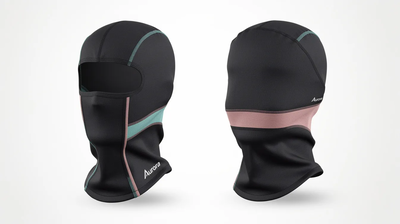
A full balaclava face mask covers your head, cheeks, nose, mouth, and neck in one continuous piece. These are the go-to for very cold resort days - think below –10 °C / 14 °F - high wind, night skiing, and snowmobiling where exposed skin means frostbite risk. Masks cover ears, nose, and neck to prevent frostbite in exactly these conditions. Dual-layer masks provide maximum warmth in cold conditions, especially heavyweight options above 260 GSM. Women-focused versions often feature a slimmer cut for smaller heads, ponytail-friendly stretch panels, and soft brushed linings that won't irritate skin or smudge makeup. Fleece-lined masks provide comfort and warmth in cold weather, and a Sherpa lined balaclava provides extra warmth for the coldest conditions.
Convertible Ski Masks (Multiple Wearing Styles)
Convertible balaclavas can be worn multiple ways for versatility - switching between a full face mask, half mask, neck gaiter, or balaclava hood depending on conditions. A hinged design allows users to adjust coverage while wearing a helmet, so you can expose your mouth for a sip of coffee without removing everything. BlackStrap balaclavas adapt to full face or neck-only styles, making them a best seller among women who want one mask for March ski weeks in Colorado and cycling commutes back home. Convertible styles can be adapted to different weather conditions - cold mornings to warm midday - without carrying extra gear. These are popular for budget-conscious women who want a single product that handles skiing, winter running, and outdoor work.
Women's Neck Gaiters and Tube Masks
Tube-style neck gaiters pull up over your chin, mouth, and sometimes nose while leaving the top of your head to a beanie or helmet. Many women prefer this movable face cover for milder days, spring skiing, or touring because it's easier to vent, won't mess with hair, and interferes less with helmet fit. Options range from dual layer fleece tubes to thin merino wool gaiters and lightweight synthetic tubes with fun prints and colors that match women's ski jackets. Ski masks can be worn as full face masks or neck gaiters, so a quality gaiter fills the warmer end of that spectrum nicely.
Lightweight Helmet Liners and Face Shields
Ultra-thin, breathable face masks designed to sit flat under a ski or snowboard helmet without adding bulk. Look for low-profile designs that fit comfortably under helmets - flatlock seams to avoid pressure points, moisture wicking fabric for backcountry touring, and seamless integration with goggles. These are positioned for women who run warm, ski dry Western cold, or need sun protection and wind resistance more than thick insulation. UPF protection is important for blocking sun exposure on the mountain, and many lightweight liners carry UPF 50+ ratings for high-altitude days.
Stylized and Novelty Women's Ski Masks
Masks with florals, animal patterns, geometric prints, and bold color palettes add personality on the slopes. They can still be warm and functional - breathable fabrics prevent moisture buildup while keeping warm - but the primary focus is style and fun for girls' trips and park sessions. We recommend checking warmth rating and breathability first, then choosing the style you love so you don't sacrifice comfort for looks.
What to Look For in a Women's Ski Mask
Narrowing hundreds of results to the right mask means understanding a few concrete features: fabric weight, venting design, fit under gear, and comfort details against your skin. Here's what each attribute means in practice.
Material and Warmth Rating
The fabric determines how warm you stay and how the mask performs when wet. Common materials include polyester fleece, merino wool blends, synthetic stretch jerseys (polyester-spandex), and recycled synthetics with eco-friendly DWR finishes.
Fabric weight - measured in GSM (grams per square meter) - is the most reliable warmth indicator. Lightweight masks under 160 GSM suit high-output touring above 0 °C / 32 °F. Midweight options between 160–260 GSM, like a Polarmax merino-blend at 175 GSM (67 % polyester / 28 % merino / 5 % spandex), balance warmth and breathability for moderate cold. Heavyweight masks above 260 GSM - such as the Minus33 Kodiak at 400 GSM merino interlock - are rated for 0 °F and below while active.
Merino wool is naturally odor-resistant and warm even when damp, making it ideal for multi-day ski trips. Synthetic fleece blends are quick-drying and wind-resistant, better for women who sweat heavily or need easy care. Fleece-lined designs trap heat effectively, but heavier fleece can be bulky under helmets, so match the weight to the cold you actually face.
Breathability, Venting and Anti-Fog Design
Fogged goggles are the number-one complaint, and the fix lives in mask design. Breathable fabrics prevent moisture buildup while keeping warm - look for perforated mesh panels over the mouth, laser-cut breathing holes, or stiffened nose bridges that direct exhaled air downward and away from your goggle foam. SAITAG balaclava offers windproof and breathable features that show how modern masks address both sides of the equation.
Proper goggle co-ventilation matters too: air should flow from the mask outward through helmet and goggle vents rather than pooling under the lens. If your mask covers the nose too high or seals against the goggle foam, condensation builds fast on cold Vermont mornings. Key features for ski masks include helmet compatibility and moisture management - both of which affect fog prevention directly.
Fit, Sizing and Helmet Compatibility
Women often have smaller head circumferences and narrower faces than men, so a one size "size fits all" unisex balaclava can leave excess material at the chin, gaps at the cheeks, or bunching under goggles. Measuring above the ears is essential: heads under roughly 22 inches (56 cm) circumference often benefit from a small or XS-S cut rather than a standard balaclava ski mask.
Helmet compatible designs use flat seams, minimal crown bulk, and no bunching at the back of the neck so the mask sits cleanly under common ski helmet brands. Masks can be layered under helmets for added protection only when the profile is low enough - test this with your own helmet before a ski day.
Coverage and Versatility
Think about what you actually need covered. Long neck coverage seals out cold air and snow exposure, while a shorter gaiter leaves more ventilation. Balaclavas adapt to different styles: full face, half mask, or neck-only, so a well-designed convertible mask handles frigid chairlifts and sunny bluebird afternoons in the same day. Ski masks are suitable for skiing, cycling, and outdoor work - so if your mask needs to pull double duty on the motorcycle commute or at kids' football games, choose a design with a movable face cover and moderate insulation.
Comfort Details and Skin Sensitivity
Soft brushed linings, tagless labels, and flatlock or hidden seams prevent rubbing around the ears, jawline, and nose. For women with sensitive or acne-prone skin, merino fibers under 20 microns feel smooth and are naturally antibacterial. Look for stretch and recovery in the fabric so the mask doesn't loosen and sag after a few trips - elastic blends with 3–5 % spandex maintain their fit across a full season.
Style, Colors and Reflective Elements
Women's balaclavas now come in palettes that range from pastels and earth tones to black-on-black minimalism, plus prints that complements waterproof ski jackets and goggles. High-contrast or reflective details improve visibility on storm days or night skiing. Prioritize performance first - but acknowledge that matching your mask, goggles, and jacket is part of the fun.
How to Choose the Right Ski Mask for Women
With the features above as your checklist, here are the decision criteria that actually determine the right pick.
Key Decision Criteria
- Climate and Typical Temperature - In cold, humid regions like New England or Quebec, wind-resistant designs protect against icy winds and wet snow; opt for heavyweight fleece or dual layer merino above 200 GSM. In the dry Rockies, a midweight breathable balaclava often suffices. Milder European resorts may only demand a lightweight gaiter or liner. Ski masks provide sun protection and wind resistance in all of these environments, but the insulation level should match the actual cold.
- Activity Type and Intensity - Resort skiing with frequent chairlifts calls for a warm full face mask or convertible balaclava. Backcountry touring and winter hiking generate more body heat, so a thin moisture wicking liner or breathable gaiter prevents overheating. Snowboarding park laps fall in between - a midweight convertible mask lets you vent on the hike and cover up on the lift.
- Fit Preferences and Hair Style - Women with long hair, braids, or ponytails should look for designs with ponytail holes or stretchy rear panels that sit under the helmet strap. Ponyclava-style masks were designed specifically for this, with brushed fleece and airhole ventilation. If you dislike anything tight on your face, a loose neck gaiter you pull up as needed may suit you better than a snug balaclava.
- Budget and Durability - Budget multi-packs of simple fleece or synthetic face masks on Amazon often run under $20 - average price in curated top-10 lists is around $16. Premium merino or brand-name masks range from $30–$50 and are worth the price for frequent ski trips or backcountry use where odor resistance, durability, and warmth-when-wet performance matter.
- Use Beyond the Slopes - If your mask also needs to handle cycling commutes, dog walks, outdoor work, or watching kids' sports, a versatile convertible design beats an ultra-thick single-purpose balaclava. Moderate insulation, a movable face cover, and a low-profile build that works with or without a helmet gives you year-round value across every season.
Frequently Asked Questions About Women's Ski Masks
These FAQs address the questions we see most often from women shopping for winter face protection.
Do I really need a women-specific ski mask, or is unisex fine?
Women-specific sizing makes a real difference if your head circumference is under about 22 inches (56 cm) - unisex "one size" balaclavas tend to leave gaps at the cheeks and excess fabric under the chin, which lets cold air in and causes goggle fog. If a unisex mask lists head circumference ranges and yours falls comfortably in the middle, it can work fine. But for smaller heads and narrower faces, an XS-S or women's cut provides a noticeably better seal and more comfortable fit under a helmet.
What ski mask is best for women who wear makeup?
Look for smooth, non-abrasive linings - brushed fleece or merino with fine fibers - and breathable fabrics that reduce sweat and smudging. A convertible design or loose neck gaiter that you can pull down on lifts and in the lodge limits friction on foundation and sunscreen. Avoid masks with rough interior seams across the cheek area.
How do I stop my ski mask from fogging up my goggles?
Position the top edge of the mask below your goggle foam, not tucked underneath it, so exhaled air vents downward rather than up into the lens. Masks with mesh mouth panels or stiffened nose bridges redirect breath away from your goggles. Make sure your helmet vents are open to create airflow that pulls moisture away from the goggle area - this co-ventilation system prevents condensation buildup.
What's the best material for women with sensitive or acne-prone skin?
Merino wool (under 20 microns) is naturally antibacterial and gentle, making it a strong choice for sensitive skin. High-quality synthetics with brushed linings also work well. Avoid cotton - it soaks up moisture, loses insulation, and stays damp against your skin, which can aggravate breakouts. Wash your mask after every two to three uses with a gentle, fragrance-free detergent.
Can I use the same ski mask for snowboarding, winter hiking, and cycling?
Yes - a midweight convertible balaclava (roughly 160–220 GSM) with a hinged mouth opening handles all three if it balances warmth and breathability. Choosing the right ski mask involves balancing warmth and breathability across different activity levels, so a flexible design outperforms an ultra-thick, single-purpose product. For men women who share gear or families that swap items, convertible styles stretch across the widest range of uses.
How many ski masks should I pack for a 5–7 day ski trip?
Pack at least two masks so one can dry fully overnight while the other is in use. Merino wool masks resist odor better over consecutive days, but even merino needs to air out. Women who sweat heavily or ski hard might appreciate a three-pack of budget-friendly masks - especially lightweight synthetics that dry quickly when hung in a warm hotel room.
Explore Women's Ski Masks and Winter Face Protection
Start by deciding your warmth level, pick a type - full balaclava, convertible mask, gaiter, or liner - and then dial in fit and style. Browse our curated selection of women's ski masks picked for different budgets and conditions, from budget-friendly fleece multi-packs to premium merino options ready for the deepest cold.
Pair your chosen mask with thermal base layers, insulated winter gloves, and a warm beanie for a complete cold weather kit that keeps every inch of exposed skin protected from summit to parking lot.
Member discussion