
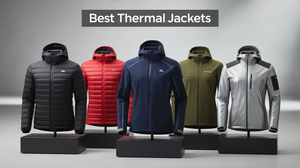
When temps drop and the wind picks up, your thermal jacket becomes the single most important piece of gear between you and a miserable day on the trail. A quality insulated jacket traps body heat, blocks wind, and keeps you warm during everything from summit pushes to lazy mornings at basecamp.
But not all thermal jackets are created equal. Insulation type significantly affects warmth and weight, and the gap between a mediocre jacket and a great one shows up fast in cold conditions. Optimal thermal jackets balance warmth, weight, weather protection, and breathability, and choosing the wrong one for your activity can leave you either shivering or drenched in sweat.
This guide breaks down the five best thermal jackets for outdoor activities, explains exactly how we evaluated each one, and walks you through the criteria that actually matter when making your pick.
How We Chose the Best Thermal Jackets
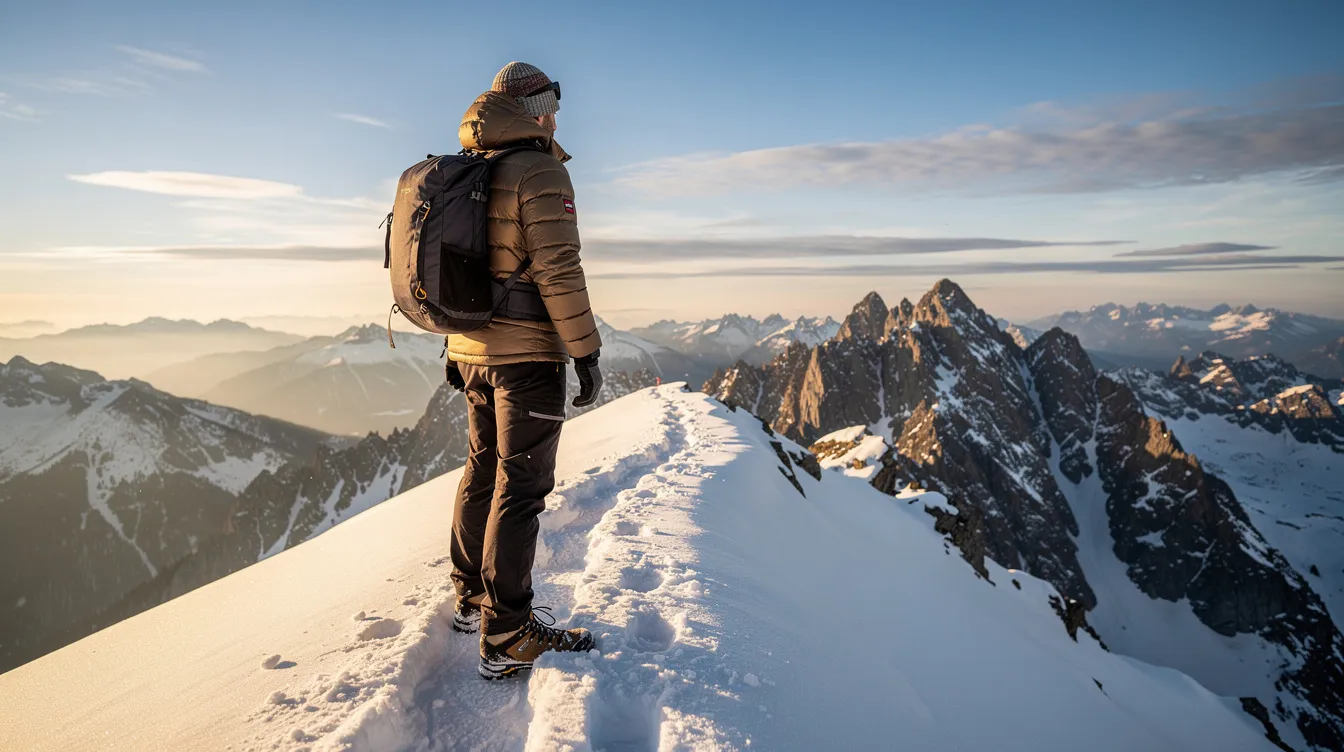
Picking our favorite insulated jackets required looking beyond marketing claims and focusing on the specs and design details that influence real-world performance. Here's the framework we used.
Warmth-to-Weight Ratio
This is the metric that separates great jackets from average ones. We looked at fill power multiplied by fill weight for down jackets, and grams per square meter for synthetic options. A jacket that delivers all the warmth you need at half the weight earns serious points. Insulated jackets often weigh less than one pound in a size medium, and the best options hit that mark without sacrificing heat retention.
Insulation Type and Weather Resistance
Down insulation is lightweight and compressible, making it ideal for dry cold weather. Synthetic insulation dries quickly and retains warmth when wet, giving it the edge in damp climates. We evaluated how each jacket handles moisture, including dwr coating treatments on shell fabrics and whether down fill has been treated for water resistance.
Durability and Packability
Weight and packability are important for outdoor gear, especially on multi-day trips where every ounce matters. We considered outer shell fabric denier, seam construction, zipper quality, and how small each jacket packs down. Durable construction with quality materials is essential for rugged use, so we also checked reinforcement in high-wear zones.
Fit, Mobility, and Layering
Fit and mobility are crucial for comfort during movement. A jacket that restricts your arms or bunches up under a pack gets old fast. We tested layering compatibility, making sure each option works well over a base layer and mid layer, and under a shell when conditions demand it. Higher pockets are easier to access while wearing a pack, and that small detail matters on the trail.
Breathability
Users should consider their primary outdoor activity when selecting a jacket. High-output activities demand ventilation; sitting at a belay station demands maximum warmth. We evaluated breathability features like stretch panels, venting options, and how well each jacket manages moisture from the inside out.
Layering involves a base, mid, and outer layer. The best thermal jacket works within this system, not as a standalone solution.
Top Thermal Jackets for Outdoor Adventures
Arc'teryx Atom Vest
The Arc'teryx Atom (often called the atom hoody in its full-sleeve version) brings a different philosophy to thermal insulation. Rather than maximizing static warmth, it prioritizes movement and moisture management, making it one of the most versatile pieces in any layering system.
Why It Stands Out
The Atom uses Coreloft synthetic insulation in the torso with breathable stretch fleece side panels. This design lets you dump excess heat during high-output activities without stopping to unzip. The Arc'teryx Atom Hoody is praised for its breathability and comfort, and the vest version amplifies that ventilation even further.
Best For
Active users who run warm: climbers, cross-country skiing enthusiasts, and anyone who needs a comfortable jacket that transitions between effort levels without overheating.
Key Strengths
- Coreloft synthetic insulation maintains warmth when damp or wet
- Stretch fleece side panels deliver outstanding breathability; breathability in a jacket prevents overheating during activities
- Trim athletic fit ideal for layering under a shell or over a base layer
- DWR-treated outer fabric sheds light precipitation
- Two hand pockets sit high enough for hip belt compatibility
Possible Limitations
- Premium pricing compared to other synthetic insulated jacket options
- Limited adjustability features compared to hooded alternatives
- Less warmth than a dedicated down jacket for static use
The North Face ThermoBall Eco Jacket
The North Face ThermoBall Eco takes a different approach by using synthetic clusters that mimic the structure of natural down. The result is a jacket that performs more consistently across variable weather, particularly in the wet conditions that plague coastal and mountain environments.
Why It Stands Out
Synthetic insulation performs better when wet than down, and the ThermoBall design takes this further by arranging synthetic fibers in small, round clusters that trap warmth like down plumage. Synthetic jackets dry quickly and retain warmth when wet, giving this jacket a clear advantage when heavier rain or snow is a possibility.
Best For
Hikers and adventurers in wet climates like the Pacific Northwest, or anyone who frequently encounters rain, sleet, or heavy condensation. Also a strong choice for eco-conscious buyers, since it's made from recycled materials.
Key Strengths
- ThermoBall synthetic insulation mimics down performance in loft and warmth
- Retains insulating ability in wet conditions far better than natural down
- Made from recycled materials, including post-consumer ripstop fabric
- Lightweight jackets in this category rarely offer this level of moisture resilience
- Packs into its own pocket for easy storage
Possible Limitations
- Less compressible than equivalent down jackets with high fill power
- Synthetic insulation may lose loft over time with heavy use and repeated compression
- Not as warm per ounce as premium down in dry, cold conditions
Outdoor Research Transcendent Down Hoody
The Outdoor Research Transcendent Down Hoody balances warmth, weather protection, and durability in a package that handles alpine conditions without breaking the bank. It sits in a sweet spot between ultralight options and heavier expedition pieces.
Why It Stands Out
The Pertex Quantum face fabric provides excellent wind resistance and water resistance for its weight, and the 650-fill down insulation delivers reliable warmth without excess bulk. The adjustable hood and elastic cuffs seal out drafts and customize fit for different layering setups. Adjustable fit allows for layering without bulk, and this jacket executes that principle well.
Best For
Alpine hikers, mountaineers, and cold-weather campers who need a durable, weather-resistant down jacket that doesn't sacrifice warmth for weight savings.
Key Strengths
- 650-fill down with a durable water repellent treated Pertex Quantum shell for added weather protection
- Adjustable hood works with or without a helmet; hoods can be insulated or helmet-compatible for added warmth
- Cuffs and hem adjustments trap body heat and seal out cold drafts
- Two-way zipper for ventilation flexibility
- Hand pockets placed high enough for pack compatibility
Possible Limitations
- Slightly heavier than ultralight alternatives like the Patagonia Down Sweater
- Mid-range compressibility compared to premium 800+ fill power options
- Not fully waterproof; pair with a shell in sustained precipitation
Choose Based on Insulation Type
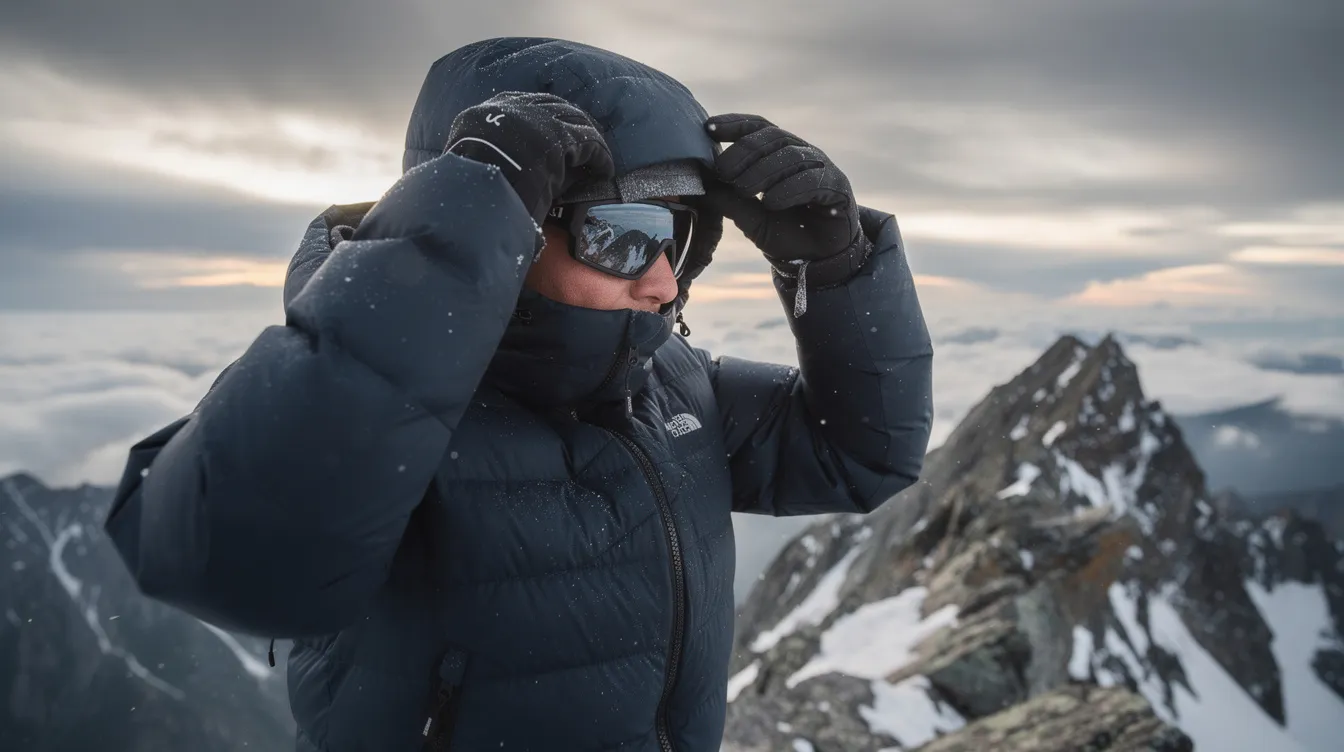
The insulation type decision is the first fork in the road, and it shapes everything else about your jacket's performance.
Down insulation is warmer for its weight compared to synthetic, compresses smaller, and lasts longer when cared for properly. Fill power measures how much air one ounce of down traps: ratings range from 550 (budget) to 900+ (ultralight premium). Fill weight, the total grams of down in the jacket, matters just as much. A 600-fill power jacket with generous fill weight can outperform an 800-fill power jacket with minimal fill. When evaluating a warmth rating, consider both numbers together.
Down jackets lose insulation properties when wet, which is their biggest drawback. Water-resistant down is treated to repel moisture and partially addresses this weakness, but it's not a full solution in sustained rain.
Synthetic insulation dries faster than down insulation and maintains loft when damp. Synthetic jackets are generally more affordable than down jackets and make more sense in humid or wet climates. The trade-off is weight and packability: you get more bulk for equivalent warmth.
Some hybrid designs use down insulation in the core and synthetic insulation in moisture-prone areas like underarms and shoulders, offering a middle ground.
Not all insulation is equal within each category. A cheap synthetic insulated jacket with 60 g/m² fill won't match a premium one with 100+ g/m². Read the specs, not just the label.
Choose Based on Activity Level
Your activity level determines whether you need a jacket optimized for breathability or for static warmth.
High-output activities like backcountry skiing, cross country skiing, and fast hiking generate significant body heat. You need a jacket that lets you dump excess heat without stopping. Features like pit zips help regulate heat, and jackets should have useful ventilation to prevent overheating. The patagonia nano air line, for example, is specifically designed for high-output use with exceptional breathability. The Patagonia Nano-Air Ultralight weighs only 8.1 ounces, making it one of the lightest options for active insulation.
Static activities like belaying, fishing, or sitting around camp demand maximum insulation and wind protection. Here, high fill power down and a windproof outer shell do a better job than breathable synthetics.
Packability is crucial for jackets used during hiking or camping. If your jacket lives in your pack more than on your body, prioritize compressed size. Packability is crucial for jackets used during outdoor activities where weight and space are at a premium. Many lightweight jackets pack into their own pocket, eliminating the need for a separate stuff sack.
For a complete layering approach, pair your thermal jacket with quality thermal leggings and a reliable base layer to manage moisture next to your skin.
Choose Based on Weather Conditions
Weather dictates whether you need down or synthetic, and what shell features matter most.
Dry cold: Down insulation excels. High fill power, low fill weight, maximum warmth per ounce. Pair with a shell for wind protection and you're set. A good layering system puts a breathable base layer against skin, an insulated mid layer for warmth, and a windproof or fully waterproof outer layer for protection.
Wet and variable weather: Synthetic insulation or hydrophobic down. The outer fabric should be water-resistant or waterproof in adverse weather. Look for a dwr finish on the shell, and carry a waterproof shell for heavier rain. A durable water repellent treatment sheds light precipitation but won't hold up to sustained downpours.
Windy conditions: Wind strips heat faster than cold air alone. A jacket with a tightly woven outer shell and draft-blocking features like elastic cuffs, adjustable hems, and a snug hood will prevent convective heat loss. A hood design can enhance warmth and protection against elements significantly, so don't underestimate its value on exposed ridges.
Variable temperatures: When body temperature swings with effort level, you want a breathable jacket with ventilation features. Excess heat that can't escape turns to sweat, which then chills you when you stop. Choose a jacket based on your activity and weather conditions, not just the temperature rating alone.
Temperature ratings and warmth rating numbers can be helpful reference points, but they don't account for personal metabolism, layering, or wind exposure. Use them as guidelines, not guarantees.
Which Option Is Best for You?
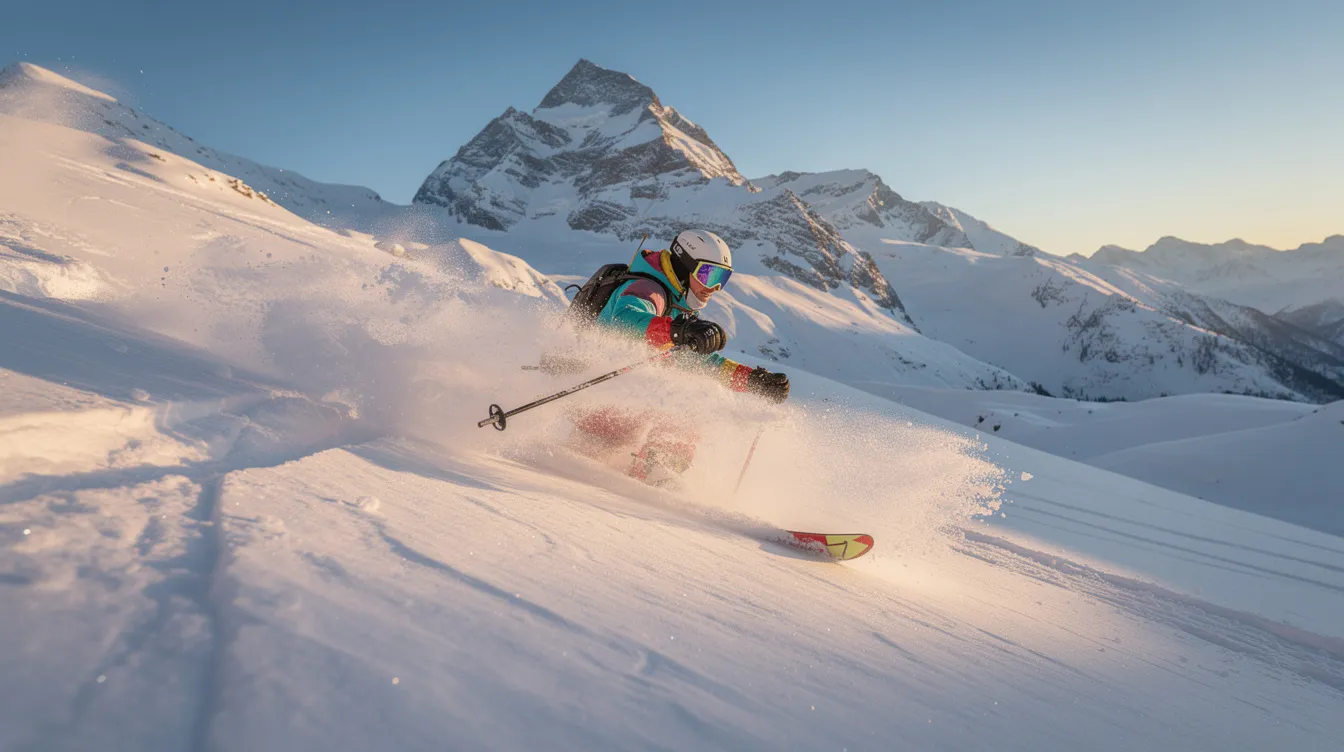
Choose the Arc'teryx Atom Vest if you want versatile layering for active pursuits. It manages body temperature during high-output efforts better than any pure down option, and the stretch panels make it one of the most comfortable jacket options for climbing and skiing. It works equally well as a standalone piece on cool days or as a mid layer under a hardshell.
Choose The North Face ThermoBall Eco if you face wet conditions frequently. This is the jacket that does a better job than down when moisture is constant, and the recycled materials make it a responsible choice. It provides added warmth without the anxiety of down getting wet.
Choose the Outdoor Research Transcendent Down Hoody if you need alpine-worthy weather protection with extra warmth. The Pertex shell and adjustable features make it a reliable companion when conditions get serious. The Patagonia das light Hoody offers strong weather resistance with a score of 9.0 for comparison, and the Rab Nebitron Pro is rated 82 overall for warmth if you're shopping at the performance end of the spectrum. The Fjallraven Expedition X-Latt Hoodie is known for its stylish design if aesthetics matter alongside function.
For cold nights in camp, pair any of these jackets with a quality sleeping bag and waterproof gloves for complete cold weather protection.
Final Thoughts
The best thermal jacket isn't the most expensive or the lightest on paper. It's the one that matches your specific outdoor goals, the climate you'll face, and the activities you do most. A backcountry skier and a casual day hiker need fundamentally different things from their insulation.
Here's what to remember:
- Insulation type drives everything. Down for dry cold and weight savings. Synthetic for wet conditions and lower cost.
- Fit and features should match your intended use. Climbing demands mobility. Camp use demands maximum loft. A good layering system ties it all together.
- Invest in quality construction. A well-made down jacket can last 5 to 10 years with proper care. Cheap options that lose loft after one season cost more in the long run. Protect thin shell fabrics from sharp objects and abrasion to extend lifespan.
- Proper layering enhances any thermal jacket's performance. Start with a moisture-wicking base layer, add insulation, and top with a weather-resistant outer layer when conditions demand it.
Whether you're heading out for a solo hiking trip or a week-long winter expedition, the right thermal jacket paired with smart layering keeps you warm, dry, and focused on the experience instead of the cold.


Member discussion