
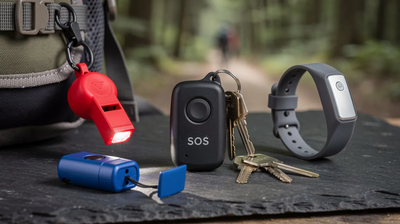
A personal alarm device is one of the simplest, most effective pieces of safety gear you can clip to your pack before heading out on any trail. These compact tools emit a loud siren designed to attract attention, deter attackers, and signal for help when you need it most. Most personal safety alarms reach volumes of 120 to 140 decibels, which is enough sound to startle and disorient an aggressor and be heard several blocks away. They're useful for outdoor activities and commuting alone, legal everywhere, and require no specialized training to operate.
Whether you're a solo hiker, trail runner, or weekend car camper, understanding which personal alarm suits your adventure style can make the difference between a close call and a genuine emergency. Below, we break down the best personal safety alarms on the market, explain how we evaluated them, and help you pick the right device for your specific needs.
How We Chose the Best Personal Alarm Devices
Finding the best alarm for outdoor use requires different testing criteria than evaluating a device meant to sit on a door or in a purse. Here's what we focused on:
- Volume and effective range: We prioritized alarms producing 120–140 dB. At these levels, the sound rivals a jet engine and can carry across open terrain, through forest canopy, and over ambient trail noise.
- Weather resistance and durability: Durable personal alarms should be made from impact-resistant materials. We looked for devices with IP ratings (IPX7 or better) and rugged construction that can survive rain, dust, and drops.
- Battery life: Continuous alarm runtime, standby duration, and power source type (rechargeable vs. disposable batteries) all matter on multi-day trips.
- Activation under stress: Activation methods include pull-pin or button-press designs. In a dangerous situation, fine motor skills degrade fast, so simplicity wins.
- Visual signaling: Devices with a built-in LED safety light or flashing strobe light add critical visibility at night or in low-light conditions.
- Portability: Compact personal alarms are easily carried on keychains or in pockets. We evaluated clip systems, key ring attachments, and weight for seamless gear integration. Some personal alarms also feature low-battery indicators to ensure readiness before you hit the trail.
Top Personal Alarm Devices for Outdoor Safety
Garmin inReach Mini 2
The Garmin inReach Mini 2 isn't a traditional personal alarm. It's a satellite communicator with dedicated SOS capabilities built for backcountry use where no amount of noise will bring help because nobody is within earshot.
Why It Stands Out
This device connects to the global Iridium satellite network, enabling two-way text messaging and emergency SOS alerts from literally anywhere on Earth. When you trigger the SOS, the signal goes directly to Garmin's International Emergency Response Coordination Center (IERCC), which coordinates with local search and rescue services.
Best For
Backcountry hikers, mountaineers, and remote area adventurers who regularly travel beyond cell coverage. If you're into solo hiking, this is the class of device that can genuinely save your life.
Key Strengths
- Two-way satellite messaging and SOS alerts to rescue coordination centers
- GPS tracking with location sharing to family and trusted contacts
- Battery life up to 14 days at 10-minute tracking intervals, up to 30 days at 30-minute intervals
- Compact (3.5 oz) and rugged with IPX7 water resistance
Possible Limitations
- Requires a monthly subscription for satellite connectivity (plans start around $14.95/month)
- MSRP of ~$399.99 puts it in a different price category than basic personal security alarms
Sabre 2-in-1 Clip-On Personal Alarm
The Sabre 2-in-1 combines a 130 dB siren with a multi-mode led flashlight in a weatherproof, clip-on package designed for active outdoor use.
Why It Stands Out
Its dual-function design pairs a loud alarm with a 50-55 lumen LED light featuring multiple flash modes, including slow flash, fast flash, and steady beam. Sabre's clip-on alarm is audible up to 1,300 feet away, which covers serious ground on an open trail. Devices with built-in LED strobe lights help signal for help in the dark, making this ideal for dawn and dusk activities.
Best For
Trail runners, cyclists, and outdoor enthusiasts who exercise in low-light conditions. If you already carry a headlamp for hiking, this alarm adds a dedicated security layer.
Key Strengths
- Weatherproof ABS construction suited for outdoor conditions (operating temp 14°F–140°F)
- LED light with multiple modes for visibility and navigation
- Easy clip attachment for belt, pack strap, or gear loop
- USB-rechargeable battery with ~70-minute charge time
Possible Limitations
- 130 dB output is slightly lower than some dedicated alarms
- Alarm runtime of ~2 hours 20 minutes is moderate for extended situations
She's Birdie Original
She's Birdie is one of the most recognized names in the personal safety alarm market, producing a 130 dB alarm paired with a strobe light in a compact, stylish package.
Why It Stands Out
She's Birdie emits a 130-decibel alarm with a strobe light, combining effectiveness with an appealing design that encourages consumers to actually carry the device daily. The pull pin activation is intuitive under stress, and pull-pin alarms cannot be silenced without reinserting the pin, meaning an attacker can't simply press a button to shut it off.
Best For
Urban hikers, day trip adventurers, and women who want reliable protection in accessible areas. It suits anyone who might otherwise fear walking alone on less-trafficked trails.
Key Strengths
- Bright LED strobe light combined with a loud 130 dB alarm
- Available in multiple colors; weighs just 2.08 oz
- Pull-pin activation works even with gloved or wet hands
- Rechargeable via USB-C with ~30–40 minutes continuous alarm runtime
Possible Limitations
- Less rugged than specialized outdoor gear; no formal IP rating published
- Higher price point for basic keychain alarm functionality compared to budget options
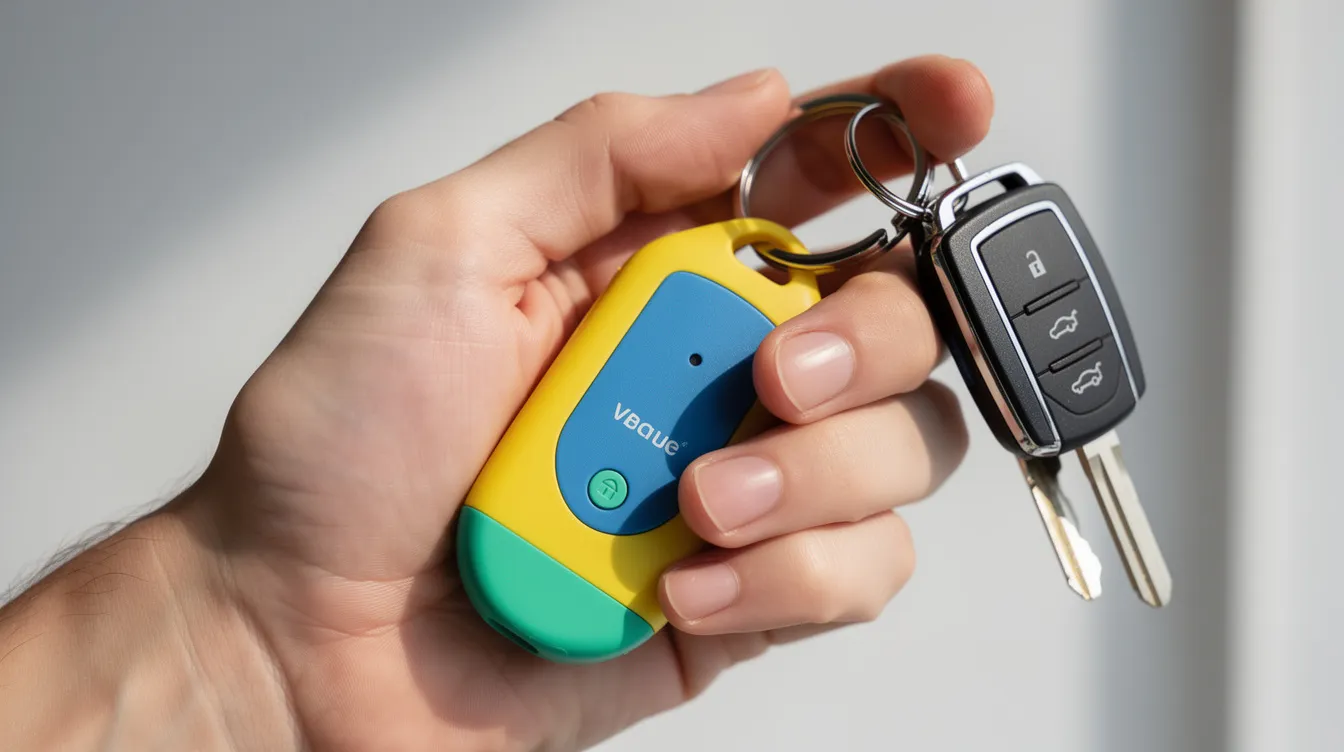
Kosin Safe Sound Personal Alarm
The Kosin Safe Sound personal alarm delivers the loudest output we've seen at 140 dB, and it does so at a fraction of the cost of most competitors.
Why It Stands Out
Kosin Safe Sound is the loudest alarm at 140 decibels. To put that in perspective, 130 decibels is the threshold of pain for sound. At 140 dB, the alarm is genuinely disorienting, enough to scare a potential attacker and draw attention from considerable distance. High-decibel personal alarms can attract public attention to an emergency situation, and Kosin maximizes that advantage.
Best For
Budget-conscious outdoor enthusiasts and families outfitting multiple members with safety devices. Six-pack options bring the per-unit price to roughly $3–5.
Key Strengths
- Loudest alarm output at 140 dB for maximum range
- Multi-pack options for group or family protection
- Basic LED light included
- Simple activation; lightweight for attaching to keys or a pack
Possible Limitations
- No strobe light function for enhanced visibility at night
- Basic ABS construction may not withstand harsh outdoor conditions or heavy rain
Weten Personal Alarm
The Weten personal alarm stands apart with one critical spec: it can sound continuously for five hours, far outpacing any competitor.
Why It Stands Out
Where most alarms run for 30–50 minutes, Weten's alarm can sound continuously for five hours. In a backcountry emergency where help may take hours to arrive, that extended battery life is the difference between a device that dies before rescue and one that keeps signaling.
Best For
Extended backcountry trips and situations where you need prolonged emergency signaling. Also a strong choice for adults who want peace of mind on longer day hikes in remote areas.
Key Strengths
- Five-hour continuous alarm duration at ~130 dB
- Attached pin design prevents loss during activation
- Mini LED light for basic illumination
- Affordable price point
Possible Limitations
- No strobe light functionality for enhanced visibility
- Slightly larger size compared to compact alternatives like She's Birdie
InvisaWear Safety Wearables
InvisaWear takes a fundamentally different approach: personal security disguised as everyday jewelry. Bracelets, necklaces, and keychains equipped with a hidden panic button that sends alerts to up to five trusted contacts and optional professional monitoring.
Why It Stands Out
Personal alarms may trigger alerts to emergency services or trusted contacts depending on the model, and InvisaWear leans fully into this. A discreet double-click sends your GPS location to your emergency contacts. With optional ADT monitoring ($19.99/month), you get live professional response coordination.
Best For
Solo hikers and outdoor enthusiasts who prefer discreet self defense tools with professional monitoring services. Great for those who want security without carrying something that looks like a safety device.
Key Strengths
- Professional ADT monitoring and emergency response coordination
- Discreet bracelet, necklace, and keychain designs
- No recharging needed; battery life of 1–3 years depending on usage
Possible Limitations
- Monthly subscription required for full monitoring features
- Relies on cellular connectivity, which may be limited in remote wilderness areas where long-range walkie talkies or satellite devices are more reliable
Quick Comparison of the Best Personal Alarm Devices
Device | Volume | Runtime | Power | Best For | Price Range |
|---|---|---|---|---|---|
Garmin inReach Mini 2 | N/A (SOS) | 14–30 days | Rechargeable | Remote backcountry | ~$400 + subscription |
Sabre 2-in-1 Clip-On | 130 dB | ~2h 20min | USB rechargeable | Low-light outdoor activities | ~$15–25 |
She's Birdie Original | 130 dB | ~30–40 min | USB-C rechargeable | Everyday outdoor carry | ~$30–35 |
Kosin Safe Sound | 140 dB | ~40–50 min | Disposable batteries | Budget/family purchase | ~$10–20 (multi-pack) |
Weten Personal Alarm | 130 dB | ~5 hours | Disposable batteries | Extended emergencies | ~$10–15 |
InvisaWear Wearables | N/A (alert) | 1–3 years | Non-rechargeable | Discreet monitoring | ~$100 + $19.99/mo |
How to Choose the Right Personal Alarm Device
Choose Based on Your Adventure Type
Your adventure profile determines your device requirements. If you regularly hike beyond cell coverage, a satellite communicator like the Garmin inReach Mini 2 is the only device on this list that can actually summon rescue. For day trips on well-trafficked trails, a loud 130–140 dB alarm from Birdie, Kosin, or Weten will effectively scare off threats and draw attention.
Multi-day expeditions in semi-remote areas might warrant carrying both a loud personal alarm and a satellite device. Consider pairing an emergency whistle with your alarm for redundancy since whistles never run out of batteries.
Choose Based on Weather and Durability Needs
If you're hiking in rain, snow, or dusty desert terrain, prioritize devices with formal weatherproof ratings. The Garmin inReach Mini 2 (IPX7) and InvisaWear (IPX8 on select models) lead here. The Sabre 2-in-1's ABS construction handles moderate weather, but budget alarms like Kosin may not survive submersion or sustained downpour.
Choose Based on Additional Features
Think about what matters beyond the alarm itself. Do you need a flashlight for navigation? Sabre and She's Birdie include light modes. Do you need to protect against medical emergencies in remote areas? The Garmin inReach provides two-way communication with rescue teams. Do you want something your children or elderly family members can activate without knowledge of complex technology? A simple pull-pin alarm is the answer.
Personal alarms aren't a replacement for other self defense tools like pepper spray where it's legal and appropriate, but they fill a unique role: instant, attention-grabbing noise that requires zero training and creates zero legal complications.
Which Personal Alarm Device Is Best for You?
- Choose Garmin inReach Mini 2 if you regularly venture into areas without cell coverage and need satellite-based emergency communication.
- Choose Sabre 2-in-1 Clip-On if you need weatherproof protection with an LED light for running and cycling at dawn or dusk.
- Choose She's Birdie Original if you want effective protection with an appealing everyday design you'll actually carry on your keys.
- Choose Kosin Safe Sound if budget is your primary concern but you still want the loudest alarm on the market.
- Choose Weten Personal Alarm if you need extended battery life for long emergency situations where help is hours away.
- Choose InvisaWear if you prefer discreet protection with professional emergency response and don't mind a monthly subscription.
Final Thoughts
The right personal alarm device depends entirely on where your adventures take you, how remote your trails get, and what kind of danger you're preparing for. For serious outdoor enthusiasts who push into backcountry terrain, the Garmin inReach Mini 2 is the strongest all-around choice despite its higher cost-no other device on this list can actually coordinate your rescue from a canyon with zero cell service.
Don't wait for a close call to make the purchase. Clip one to your pack before your next hike, and carry the knowledge that you're equipped to activate help when it matters most.

Member discussion