
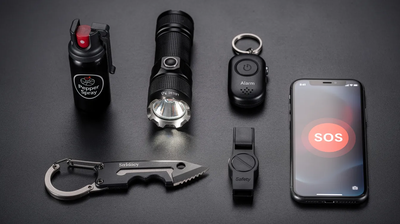
How Self Defense Gadgets Fit Into an Outdoor Lifestyle
Personal defense gadgets aren't only about urban crime. If you hike solo, car camp in remote areas, or live the vanlife, you face a different but very real set of risks: parking-lot encounters at trailheads, aggressive dogs near rural properties, human threats at dispersed campsites, and vehicle rollovers on forest roads.
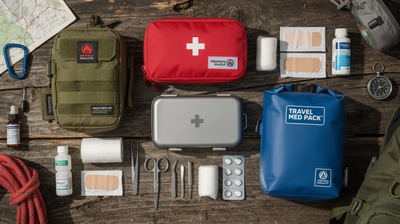
Non-lethal weapons complement your core outdoor kit - headlamp, first-aid kit, multitool - as part of overall personal safety. They are not a replacement for awareness or route planning. Think of them the same way you think about a first-aid kit or emergency whistle: something you carry and hope never to use.
The best personal safety tools for the outdoors are compact, lightweight, and multi-purpose. A tactical flashlight that also functions as a stun device doesn't add meaningful pack weight. A pepper spray canister in a hip belt pocket is easier to reach than anything buried in a backpack. Even a glass breaker clipped inside your vehicle door takes zero extra space.
Pepper Spray & Pepper Gel: Still the Gold Standard for Non-Lethal Self-Defense
Pepper spray is often the best self-defense starting point due to its range, simplicity, and low weight. Even pepper spray in its most basic keychain form can incapacitate an attacker for up to 45 minutes, giving you a massive window to escape and call for help.
Spray vs. Gel: What's the Difference?
Feature | Pepper Spray (Stream/Cone) | Pepper Gel |
|---|---|---|
Pattern | Cone (wide) or stream (narrow) | Thick cohesive stream |
Range | 10–15 ft (stream); 6–10 ft (cone) | Up to 18 ft in premium brands |
Wind blowback risk | Moderate to high | Very low |
Indoor safety | Risky in small spaces | Much safer |
Sticking power | Liquid, can drip off | Adheres to skin and clothing |
Pepper spray has an effective range of 4 to 6 feet in compact keychain models, while full-size stream canisters and gels reach significantly farther. Gel is the better pick for windy trailheads, enclosed cabins, and vehicles.
What to Look For
- Strength: Look for Major Capsaicinoids (MC%) of 1.0–1.3% rather than just OC percentage, which can be misleading. An NIJ-funded study found that roughly 90% of sprayed subjects were incapacitated enough for arrest.
- UV dye: Helps law enforcement identify an attacker after the fact.
- Bursts per canister: Most EDC-sized canisters offer 10–13 bursts, enough for multiple defensive uses.
- Safety mechanism: Flip-top or safety clip to prevent accidental discharge in your pocket or pack.
Forms and Carry Options
- Keychain units for daily carry
- Pistol-grip pepper gel launchers for home or RV defense
- Jogger hand straps for runners
- Home-defense canisters mounted near doors or RV exits
Best Practices
- Test the spray pattern outdoors before relying on it.
- Practice drawing from your EDC location until it feels automatic.
- Replace canisters every 2–3 years or per the manufacturer's expiry date.
Pepper spray is legal in most U.S. states for adults, but it is banned or restricted in places like the UK and parts of Canada. Certain jurisdictions regulate or ban specific pepper spray canister sizes, so check local laws before purchasing.
Self Defense Keychains & Multi-Tool Kits
Self-defense keychains are one of the fastest-growing categories on Amazon: compact sets that combine pepper spray, a kubotan, an alarm, a covert blade, and a glass breaker in one EDC bundle. Personal safety keychains often combine self-defense tools and whistles into a single package you clip to your keys.
Common Components
- Hard-anodized aluminum kubotan for pressure-point strikes
- Pointed "cat ear" impact tools
- Hidden mini knives or blade inserts
- Panic alarms (pull-pin activated)
- Detachable pepper spray or pepper gel canisters
Pros
- Always on you with your keys - no separate carry needed
- Lightweight, low-profile
- Often designed with female commuters and students in mind, with pastel or rhinestone finishes
- Pair personal safety with practical outdoor utility like mini multitools (seatbelt cutters, mini flashlights)
Advantages for Hikers
- Low weight (typically 1–2 oz)
- Rugged build, won't rust quickly
- Dual use as emergency glass breaker or gear tool (prying, poking a tent zipper frozen in ice)
Camp Security: Non-Lethal Defense Weapons Beyond Your Person
Home-defense principles translate directly to campsite and RV security for outdoor-focused readers.
Outdoor Translations
- Use portable door locks on hostel or Airbnb doors
- String camp alarm lines across access paths to dispersed campsites
- Set up motion-activated lights around your tent or vehicle
Pepper Spray Launchers for Home Defense
Pistol-grip pepper gel guns can function as home-defense tools with longer range than handheld canisters. The PepperBall TCP launcher has a range of up to 150 feet, giving you a serious standoff distance without being a firearm. These are part of a growing category of defense products that bridge the gap between a small canister and a full security system.
Self Defense Gadgets for Hikers, Backpackers & Outdoor Enthusiasts
For solo hikers and backpackers, the threat model is different from urban scenarios: remote locations, no bystanders, limited cell signal, and the possibility of both animal and human encounters.
Weather-Resistant Non-Lethal Self-Defense Tools
- Pepper gel rated for wide temperature ranges (avoid standard sprays that may lose pressure in freezing conditions)
- Rubber-coated stun batons built to survive rain and drops
- Paracord survival bracelets with small blades (where legal)
Dual-Purpose Gear
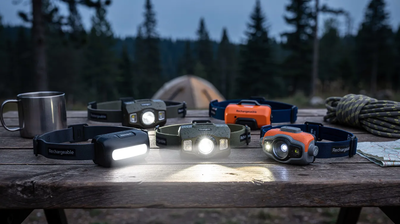
A high-lumen tactical flashlight serves for both navigation and self-defense- the bright beam can disorient a threat at distance, and the bezel can function as a striking tool at close contact. Check our headlamp recommendations for hands-free lighting you can pair with a handheld defense light.
Animal Encounters vs. Human Threats
Differentiate human-target OC spray from bear spray. Bear spray has a wider cone pattern and lower capsaicinoid concentration optimized for deterring bears, and it's regulated differently in national parks. Don't confuse them or violate park regulations.
Choosing the Right Self-Defense Gadget for Your Skill Level
The "best" gadget depends on how willing you are to train, your physical ability, and your typical environment.
Beginner-Friendly Options
- Pepper spray or pepper gel - minimal training needed, effective at distance
- Personal alarm - no physical skill required, just pull the pin
- High-lumen LED flashlight - point and click for disorientation
- Simple glass breaker - one-motion deployment
Intermediate Tools
- A compact stun gun or stun flashlight - requires comfort with close contact and practice with the safety switch
- Self-defense keychains with impact components - effective but require understanding of force escalation
- Pepper launchers with pistol grips - more range and stopping power, but heavier
Advanced Tools
- Collapsible batons provide serious stopping power but require training. Collapsible batons require technique for effective use in self-defense, and using one without proper instruction can cause unintended harm or legal problems.
- Martial-arts-based impact weapons
- Concealed blades (where legal) - highest legal risk, highest training requirement
Training & Practice: Making Sure Your Gadget Works Under Stress
A defense weapon you never practice with may fail you when it matters most. Training increases the effectiveness of self-defense tools far more than upgrading to a more expensive model.
Simple Practice Routines
- Draw-and-present drills: Use inert pepper spray trainers (water-filled practice canisters) to build muscle memory. Time yourself drawing from your daily carry position.
- Alarm activation: Practice pulling the pin or pressing the button from different carry positions - jacket pocket, purse, belt loop, sling bag.
Scenario Training
Visualize real threats:
- Someone approaching you in a parking lot while your hands are full of groceries
- A person grabbing your backpack strap on a trail
- A tent intrusion at a remote campsite at night
Walk through each scenario mentally, then physically practice your response with your gadget.
Formal Instruction
Consider at least one reputable self-defense or martial arts workshop focused on escape, not combat. A good course teaches movement, verbal boundaries, and use-of-force basics - skills that make every gadget in your pocket more effective.
Device Maintenance
- Check pepper spray expiration dates every six months
- Ensure safety caps, holsters, and clips still function correctly
- Store manuals or downloaded PDFs on your phone for quick reference before a trip or late-night shift
Quality Matters: Avoiding Flimsy Defense Products
In a real emergency, cheap, poorly built gadgets can break or misfire. A pepper spray canister that doesn't fire or a stun gun that won't hold charge turns your safety plan into a liability.
Quality Indicators
- Metal hardware instead of brittle plastic
- Reputable brand names with verifiable company info
- Clear technical specs: voltage, lumens, OC percentage, MC%
Warning Signs
- Vague marketing promises ("ultimate stopping power!" with no specs)
- No mention of materials or certifications
- Missing safety locks or disable pins
- Unrealistic voltage claims (some cheap stun guns claim millions of volts with no supporting data)
We evaluate gear not only on specs but also on long-term field use: corrosion resistance, battery longevity, and how well clips, lanyards, and holsters hold up after months of bouncing around in a pack. Invest a bit more in critical defense weapons. Save weight and money on non-critical luxuries where appropriate.
Integrating Self Defense Gadgets Into Your Existing Gear
Gadgets are easier to carry if they naturally fit into kits you already grab daily - your EDC pouch, hiking pack, or vehicle organizer.
Organizing an EDC Pouch
- One compartment for medical gear (band-aids, meds, tourniquet)
- One for personal safety tools (pepper spray, tactical pen, alarm)
- One for navigation and repair (compass, mini multitool, tape)
Vehicle Storage
Store non-lethal weapons in the car where they won't become projectiles during collisions:
- Door pocket (secured with Velcro)
- Center console
- Overhead visor clip
- Never lose on the dashboard or seat
Grab-and-Go Kit
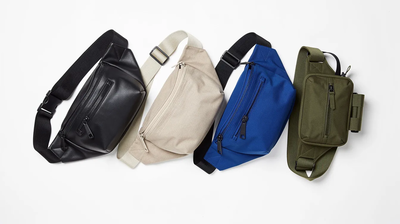
For short walks from camp or a hotel, build a small waist pack with pepper spray, alarm, phone, and a compact headlamp. This becomes your daily routine whenever you step outside after dark.
Mindset & Situational Awareness: The Foundation of Personal Safety
Self-defense starts with mindset. Gadgets only amplify good decisions and awareness. Situational awareness is crucial for personal safety - more crucial, frankly, than any gadget you can buy.
Simple Awareness Habits
- Scan entrances and exits when you enter any space
- Walk confidently with your head up, especially in dark areas
- Keep headphone volume low at night so you can hear your environment
- Trust early warnings from your intuition - if something feels wrong, change course
Avoidance Strategies
- Choose better-lit routes and parking spots near building entrances
- Camp where there are other responsible groups, especially as a solo traveler
- Set clear verbal boundaries in social situations before they escalate
- Keep your phone charged and location-sharing active with loved ones
Gadgets as Gap Closers
Think of your defense tool as a gap closer that helps you when avoidance fails - not as a license to take bigger risks or wander into obviously unsafe areas. The extra layer of protection a pepper spray or alarm provides works best when you've already done everything reasonable to avoid a threat.
Talk Through Safety Plans
Discuss with partners, kids, or travel companions:
- Who carries what defense weapons?
- Where is the pepper spray in the vehicle?
- What's the plan if someone approaches the campsite at night?
- Who calls 911 while the other deploys a gadget?
Personal safety is an ongoing habit. Regularly re-evaluate your gear, routes, and daily routine as life and travel patterns change. Peace of mind comes from preparation, not paranoia.
The Bottom Line
Gadgets are only as effective as the person using them. Investing in mindset, planning, and occasional training pays bigger dividends than buying more gear. A $12 pepper spray you've practiced.
Personal protection is compatible with the joy of outdoor adventure. Sensible preparation lets you relax more deeply at camp, hike more confidently in new places, and enjoy your time on the trail knowing you've given yourself and your loved ones an honest, practical edge. That's not fear - that's freedom.

Member discussion