

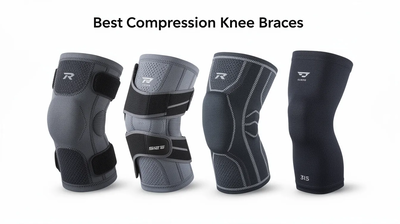
Compression Knee Brace and Knee Joint Overview
A compression knee brace is a stretchy, supportive sleeve that fits snugly around the knee, delivering gentle pressure to reduce swelling, ease pain, and improve stability during physical activity. Unlike a hinged knee brace or rigid post-surgery orthosis, compression knee braces are soft, lightweight, and designed to move with you while still providing knee support - not lock the knee joint in place. If you need relief for mild knee pain, arthritis flare-ups, or general soreness on the trail, this is the category to shop.
This guide covers the main types, key features, and decision factors so you can evaluate which compression knee brace fits your hiking, running, or everyday routine. We test and compare knee braces commonly bought for trails, backpacking, and general fitness, with links to Amazon so you can check prices, reviews, sizing charts, and delivery details before you add anything to your cart.
Types of Compression Knee Braces
Not all compression knee braces are built the same. Designs vary depending on whether you're running road miles, hiking steep terrain with a loaded pack, or just dealing with stiff knees during a workout. Below are the main types you'll encounter, each suited to a different use case.
Slip-On Compression Knee Sleeves
A slip-on sleeve pulls over the foot and up the leg, providing uniform compression around the entire knee joint. Basic compression knee sleeves are best for mild swelling and general discomfort - think day hikes, trail running, gym sessions, or everyday walking with mild arthritis. Compression sleeves focus on comfort, swelling control, and body awareness during activity. They're lightweight, breathable, and fit easily under hiking pants or leggings, usually at a budget-friendly price. The trade-off: they offer less targeted support for ligaments and may roll down if sized incorrectly.
Strap-Style Compression Knee Braces
These braces feature adjustable Velcro straps that wrap above, below, or directly around the patella for customizable tightness. They're designed for hikers and runners dealing with patellar tendon issues, jumper's knee, or front-of-knee pain on long descents. The advantage is clear: you can dial in compression level mid-hike without removing boots or pants. Limitations include potential pressure points and more shifting during fast movement compared to a full sleeve.
Open-Patella Compression Knee Braces
Open-patella designs feature a circular opening over the kneecap, surrounded by reinforced padding or straps. Open-patella sleeves reduce direct pressure over the kneecap, making them a strong pick for users with patellar tracking issues, mild instability, or anterior knee pain on climbs. Biomechanical research suggests that sleeves and wrap-style braces can increase patellofemoral contact area and reduce peak pressure by roughly 10%, which may explain the relief many hikers feel. They are bulkier than simple sleeves and can feel warmer under rain pants or snow gear.
Compression Knee Braces with Side Stabilizers and Hinged Knee Brace Options
These combine compression fabric with flexible stays or stabilizers along the sides of the knee - but no rigid hinges. They serve hikers and backpackers with mild to moderate ligament laxity from an old sprain, ACL or MCL concern, or general instability on uneven ground. Think of them as a middle ground: more support than a basic sleeve, but still packable and compatible with most outdoor activities. Because they're tighter and warmer, sizing and ventilation matter more here.
What to Look For in a Compression Knee Brace
Small details - materials, compression level, fit - determine whether a brace stays comfortable on a 10-mile hike or starts bunching behind your knee before lunch. Here are the key features to evaluate before you purchase.
Material & Breathability
Compression knee braces are typically made from elastic materials, neoprene, or breathable fabrics. Neoprene offers warmth, structure, and durability but retains more heat. Knitted spandex and nylon blends are lighter and wick moisture better. Breathable materials help prevent excessive sweating and skin irritation in compression knee braces - especially important for summer trail running, long approaches, or wearing layers. Look for mesh ventilation panels behind the knee, moisture-wicking inner linings, and quick-dry construction as quality indicators. If you're building out a lightweight camping gear kit, a lighter knit sleeve will pack smaller than thick neoprene.
Compression Level, Knee Pain Relief & Support
Compression knee braces come in various styles designed for specific levels of support. Light compression suits mild aches, general soreness, and preventative use during sports like cycling, basketball, or tennis. Moderate compression works better for arthritis, recurring inflammation, or recovery after a long day on the trail. Firm compression - sometimes labeled "medical-grade" - provides enough support for more chronic conditions or heavier physical activity. Gentle compression can ease discomfort associated with mild arthritis, while compression knee braces improve blood circulation and reduce swelling and inflammation around the knee. Choose a compression level based on activity intensity. Too-tight compression can restrict blood flow and movement, especially on steep climbs or long drives to the trailhead - if you feel numbness or tingling, it's time to loosen up.
Fit, Sizing & Length
Sizing is crucial when selecting a knee brace. Most knee braces require you to measure the circumference of your thigh (above the knee), knee center, and calf (below the knee). Check the size chart carefully - sizing varies widely by brand on Amazon, and in-between sizes are common. Brace length matters too: a longer sleeve extending several inches above and below the joint tends to stay put under a backpack hipbelt or when sitting at camp, while a shorter sleeve fits more easily under leggings or hiking work boots. Users with muscular thighs may need to size up for comfort; those with slimmer legs should prioritize a snug fit to prevent slippage.
Comfort Features for All-Day Wear
For multi-hour hikes, travel days, or thru-hikes where the brace stays on from dawn to camp, comfort details matter. Look for flatlock seams that won't chafe under hiking pants, anti-slip silicone bands inside the top and bottom edges, and soft inner linings that reduce friction against skin. Low-profile stitching prevents hot spots during walking or running. Compression knee braces can even be worn during sleep for comfort during recovery. Amazon reviewers frequently mention itching, rubbing, or rolling as deal-breakers - these small features are what separate a brace you forget you're wearing from one you rip off at the first rest stop.
Durability & Outdoor Readiness
Trail use is hard on gear. Reinforced stitching in high-wear areas (kneecap zone, under straps), abrasion-resistant panels, and quality Velcro that doesn't clog with lint or debris are signs of a brace built for outdoor life. Under regular hiking or running use - say three to four times per week - many sleeves last six to twelve months before compression fades significantly. Research on brace materials confirms that material weight and knit structure affect how quickly elasticity decays. To extend life, air-dry after each use, hand-wash or use a gentle cycle, and avoid high heat. If you're packing your brace alongside other essential camping tools, store it flat rather than balled up.
How to Choose the Right Compression Knee Brace
Matching the right brace to your situation comes down to a handful of factors. Think of this as your decision flow before clicking through to compare products.
- Primary Activity (hiking, backpacking, running, gym, daily wear) - A light slip-on sleeve works well for road running, volleyball, or walking the dog. Steep, uneven trails with a heavy pack call for a stabilizer brace or open-patella design that can handle lateral forces and long descents. If you're heading out on a solo hiking adventure, reliability and comfort over many hours should be the priority.
- Injury History & Pain Level - Consider your injury severity when choosing a knee brace. Old sprains, mild MCL or PCL concerns, or recurring instability point toward braces with side stabilizers. General soreness or mild arthritis? A simple compression sleeve offers suitable relief. A compression sleeve does not replace a hinged or structural brace for severe instability or a serious ligament injury - hinged braces are ideal for moderate to severe injuries. Consult a medical professional if you're unsure.
- Trail Conditions & Climate - Hot, humid climates favor thin, breathable sleeves that won't trap heat. Cold-weather trekking or skiing may tolerate slightly thicker neoprene-style options that double as a warming layer. Additionally, wet and muddy conditions demand materials that dry quickly and resist odor.
- Fit Preferences & Clothing - Low-profile designs disappear under hiking pants and leggings. Chunkier braces with straps are fine with shorts, basketball gear, or car-camping scenarios where bulk isn't an issue. Think about what you'll wear over (or under) the brace for a full range of motion.
- Budget & Value - Entry-level sleeves on Amazon typically run $15–$25 and work well for mild support. Premium models with reinforced stabilizers, higher compression, and breathable knit construction range from $40–$80 or more. Upgrade when you need durability for frequent outdoor use or more targeted protection - otherwise, a basic model will serve most needs. Many listings offer multi-pack options that bring the per-unit cost down.
Frequently Asked Questions About Compression Knee Braces
These answers focus on the real questions outdoor and active users search for - practical, concise, and framed around hiking, running, and everyday movement.
Can I wear a compression knee brace for long hikes or backpacking trips?
Yes. Compression knee braces provide support during physical activities, and most people can safely wear a properly fitted brace for several hours, including full-day hikes. They're suitable for mild knee pain and arthritis without restricting movement. Warning signs to stop using a compression sleeve include numbness, tingling, or increased pain - if any appear, loosen or remove the brace immediately. Test on shorter walks before committing to a multi-day trip, and consider packing a first aid kit as backup.
Should I choose a compression sleeve or a more supportive brace for trail use?
Compression knee braces provide mild support and compression, making sleeves ideal for preventative use or general soreness. Braces with side stabilizers offer more lateral stability - better for past ligament injuries, frequent instability on uneven ground, or football and skiing recovery. Hinged knee braces offer stability and control with hinges for more serious structural concerns. If you have a recent or significant injury, consult a medical professional before relying solely on a consumer-grade brace for trekking.
How tight should a compression knee brace feel?
A compression knee brace should feel snug and supportive but never restrictive. You should be able to slide two fingers under the edge without sharp digging or pinching when squatting or climbing stairs. Gentle pressure can help manage mild swelling around the knee, but overly tight compression restricts blood circulation and limits your full range of motion. If the brace leaves deep indentations in your skin or causes color changes in your foot, size up.
Can I wear a compression knee brace over leggings or base layers?
You can, though wearing a brace directly on skin usually provides better grip and more consistent compression. If you prefer wearing over clothing, choose low-friction fabrics or thinner base layers to minimize slippage. Some strap-style braces actually work better over pants since the Velcro can grip fabric. Experiment before hitting the trail to find what feels most secure for your style of movement.
How long do compression knee braces typically last with regular outdoor use?
With regular hiking or running use (three to four sessions per week), expect six to twelve months of effective compression before elasticity degrades noticeably. Extend the lifespan by air-drying after every use, hand-washing or using a gentle machine cycle, and avoiding high heat in the dryer. Don't over-stretch the sleeve when pulling it on or off, and store it flat in your outdoor gear kit rather than wadded up at the bottom of a pack.
Get Ready to Hit the Trail With the Right Compression Knee Brace
Match your brace type and compression level to your activity, terrain, and injury history - that's the formula for a knee brace that actually helps rather than annoys. Compression knee braces can help improve body awareness (a phenomenon called proprioception), reduce swelling, and keep you moving comfortably whether you're tackling a weekend backpacking loop or just walking the neighborhood. A well-chosen brace can reduce swelling and improve circulation without feeling bulky or stiff. Browse our curated list of compression knee braces and click through to Amazon to compare prices, reviews, and sizing before your next adventure.
Member discussion