
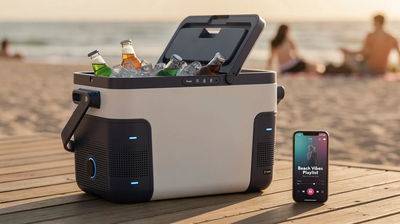
Whether you are heading to a weekend campsite or setting up for a backyard bbq, carrying both a cooler and a separate speaker means extra weight and clutter. A cooler with bluetooth solves that by merging cold storage with wireless audio in a single product. This updated guide breaks down the models, specs, and trade-offs you need to know before your next purchase.
Key Takeaways
- Bluetooth-enabled coolers combine cold storage with wireless audio, letting you chill drinks and stream music from one device at the same time.
- Buyers should check sound quality (watts and driver number), ice retention (day-use vs multi-day), durability (IP rating and materials), and battery life before committing.
- Bluetooth coolers range from $29.99 to $359.00 depending on capacity, speaker wattage, and build quality. Models covered here include the Koozie Bluetooth Speaker Cooler with a main zippered compartment featuring a top hook and loop opening, the retro KoolTunes Playmate, and large 40L waterproof coolers with 450W speaker systems.
- Click through our product links to check today's price on Amazon and quickly choose the right Bluetooth speaker cooler for your next outing.
What Is a Cooler With Bluetooth Speaker?
A Bluetooth cooler is a portable ice chest with an integrated Bluetooth speaker system built into the body, lid, or front pocket. You pair it with a smartphone, tablet, or laptop and stream music wirelessly while keeping drinks cold-no extra cables or gear.
Designs vary widely. The Igloo Playmate uses a retro boombox-style lid with two 5W speakers, while Koozie-style soft coolers mount a pair of speakers behind the front pocket for easy access to playback controls. Some coolers can even transmit telemetry data via Bluetooth Low Energy to companion apps, and smart electric coolers prevent food spoilage by allowing temperature monitoring on a phone-a feature that's especially useful on multi-day trips.
Common use cases include weekend camping, beach parties, tailgates, RV trips, and boating-anywhere you would already bring a cooler and a speaker separately. Extras you will discover on many models include a device attached bottle opener on the strap, a main zippered compartment, a zippered pocket for keys, two side mesh pockets for sunscreen, and padded shoulder straps.
Key Features to Look For in a Bluetooth Cooler
This section covers the most important buying criteria. Use it as a checklist before you add anything to your cart.
- Sound quality: Budget units run 5–10W total, which is fine for background music at a campsite. Premium models push 50W or more. Some Bluetooth speaker coolers feature a capacity of 40 quarts and pack 350W PA-grade systems with bass control, like the iLive "Cooler Pro" Larger drivers (4.5-inch) deliver fuller sound than the small cones found in compact coolers.
- Bluetooth performance: Favor Bluetooth 5.0 or newer for better range and stability. Some coolers feature Bluetooth 4.0 with a 100FT range, which still works in open space but may drop signal behind obstacles. Bluetooth coolers also provide wire-free control to save phone battery life, since you won't need to keep the screen on.
- Battery life: Look for at least 6–8 hours at medium volume. The KoolTunes Playmate delivers roughly 10 hours; the Seismic SC48WS-Blue manages about 4 hours at full strength. High-wattage party systems drain faster unless they carry large batteries.
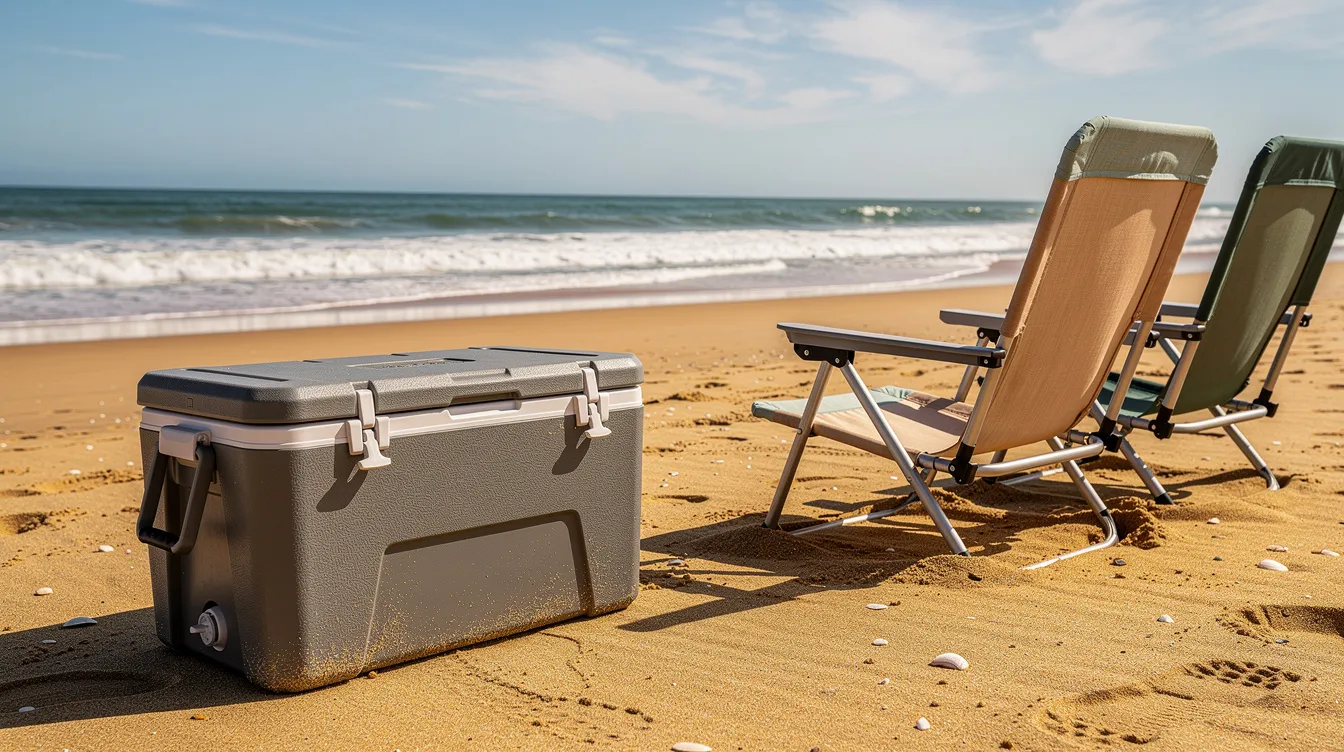
- Cooling capacity: Measured in quarts or liters. Soft coolers handle day trips well; rotomolded hard coolers with thick insulation can keep ice up to 10 days in ideal conditions. Always pre-chill and use ice packs to extend performance.
- Durability and weather protection: Bluetooth speaker coolers can be waterproof with meaning dust-tight and submersible up to one meter. For beach or river use, this level of protection matters. Check for reinforced corners and rust-resistant hardware.
- Storage and organization: Practical details include a main zippered compartment featuring a top opening, a front pocket for phones, and mesh pockets on the sides for small items. These keep gear organized without opening the cooler.
- Comfort and portability: A bottle opener on the strap, padded handles, and low overall weight when empty make a real difference on a long walk from car to campsite. Wheeled models help with heavy loads but only on flat ground.
- Power and charging: Some models serve as a power source-bluetooth coolers can charge phones or tablets while off the grid via built-in USB ports. An Aux input adds flexibility when Bluetooth isn't available. Smart electric coolers also allow monitoring of internal temperatures using companion apps, giving you added control.
Popular Types and Example Models
Bluetooth coolers span a wide spectrum. Here is how real products break down by category.
Soft-sided bluetooth cooler bags: The Bluetooth Speaker Cooler costs $29.99 and includes two Bluetooth speakers for pairing. It offers a main zippered compartment featuring a top hook and loop opening, a front zippered pocket, two side mesh pockets, and a device-attached bottle opener, great for a day at the lake.
Retro hard coolers: The Igloo Playmate traces its history back to the original 1989 Playmate design, now updated with Bluetooth 5.0 and dual 5W speakers. At around $139, it hits a solid middle ground between sound, ice retention, and retro style.
Large waterproof party coolers: The Bluetooth cooler is priced at $359.00, packing a 40-quart capacity and a 350W speaker system rating for crushproof, dustproof performance. Built for boating and large group gatherings, it can hold ice for up to 24 hours.
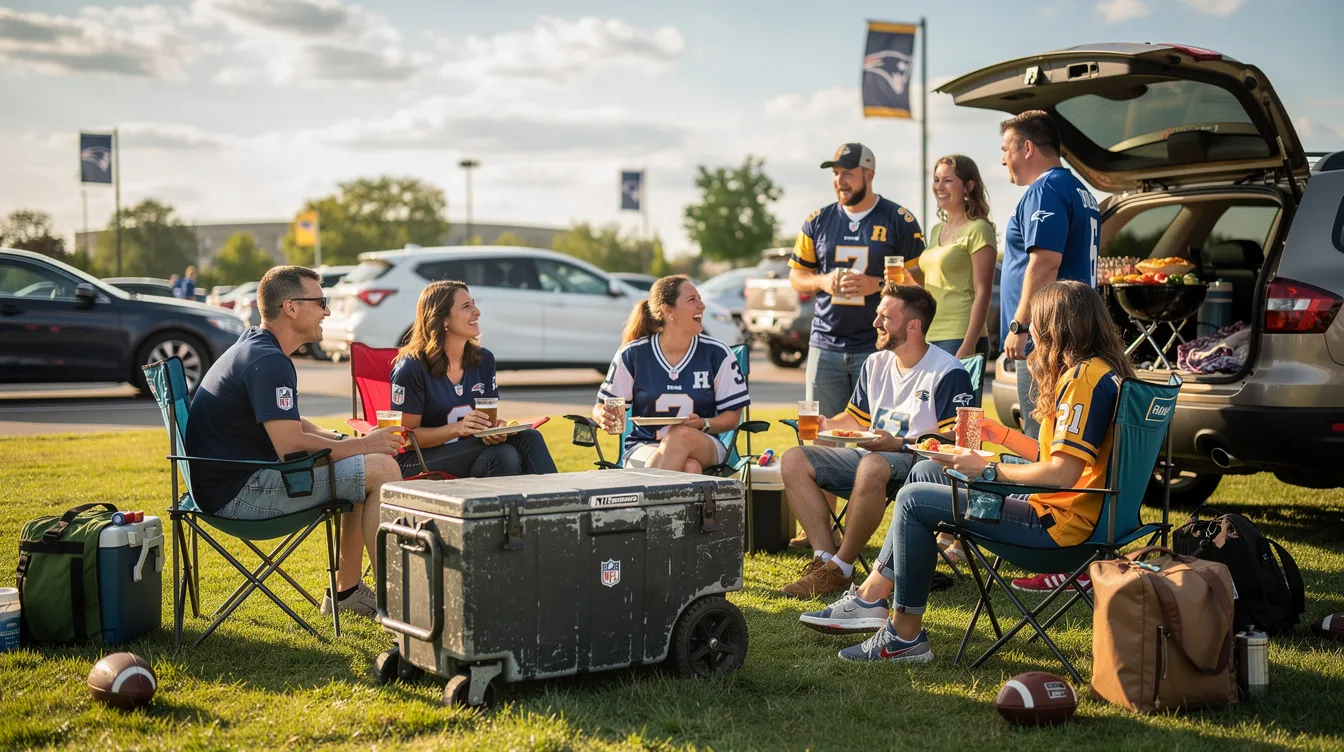
As an outdoor gear review site, we tend to recommend smaller soft-sided models for hikers and car campers, and larger IP67-rated rigs for people who host regular lake, pool, or tailgate parties.
Pros and Cons of a Cooler With Bluetooth Speaker
Can a bluetooth cooler truly replace carrying separate gear? Here is a balanced look at the subject.
Pros:
- One unit to carry instead of two-less clutter in the trunk, more order at the campsite.
- Convenient extras like a device attached bottle opener, zippered pocket for valuables, and USB charging on higher-end models.
- Seamless Bluetooth pairing from any smartphone lets you connect and stream playlists, podcasts, or sports broadcasts at tailgates without a separate power source.
- Fun retro styling on models like KoolTunes turns heads and sparks conversation.
Cons:
- If either the speaker or cooling function fails, the entire product loses value compared to separate devices. Integrated speakers are sometimes weaker than a standalone bluetooth speaker at the same price.
- High-wattage units (450W systems) drain batteries fast at full volume; some models are heavier due to built-in electronics.
- Repair options can be limited when audio components are not user-serviceable. Always review warranty details before you finalize delivery.
Frequent campers in remote facilities may still prefer a traditional cooler plus a compact rugged speaker. Casual park and backyard users often find the all-in-one format perfect.
How to Choose the Right Bluetooth Cooler for Your Adventures
Use these guidelines to match a model to your environment and group size.
- Match size to trip length: A 6-can cooler works for a solo day trip. A 20–35L soft cooler suits a small family. For full-weekend camping or boat outings, search for 50L+ hard coolers.
- Pick sound power for your environment: 5–15W is plenty for a quiet campsite; 20–50W covers beach gatherings; 350W party coolers fill large, noisy spaces.
- Consider your camp setup: If you already use a padded camping chair at camp, a compact bluetooth cooler that fits beside or under the chair keeps your space tidy.
- Check weather exposure: For river trips or rainy tailgates, prioritize IP67-rated waterproof coolers to protect both ice and electronics.
- Look at budget: Expect roughly $80–$120 for quality soft bluetooth cooler bags, $100–$150 for compact hard coolers, and $250–$300+ for heavy-duty 55L waterproof systems.
Care, Maintenance, and Safety Tips
Good maintenance extends the life of both the cooling and audio components. These steps take minutes but save you money over time.
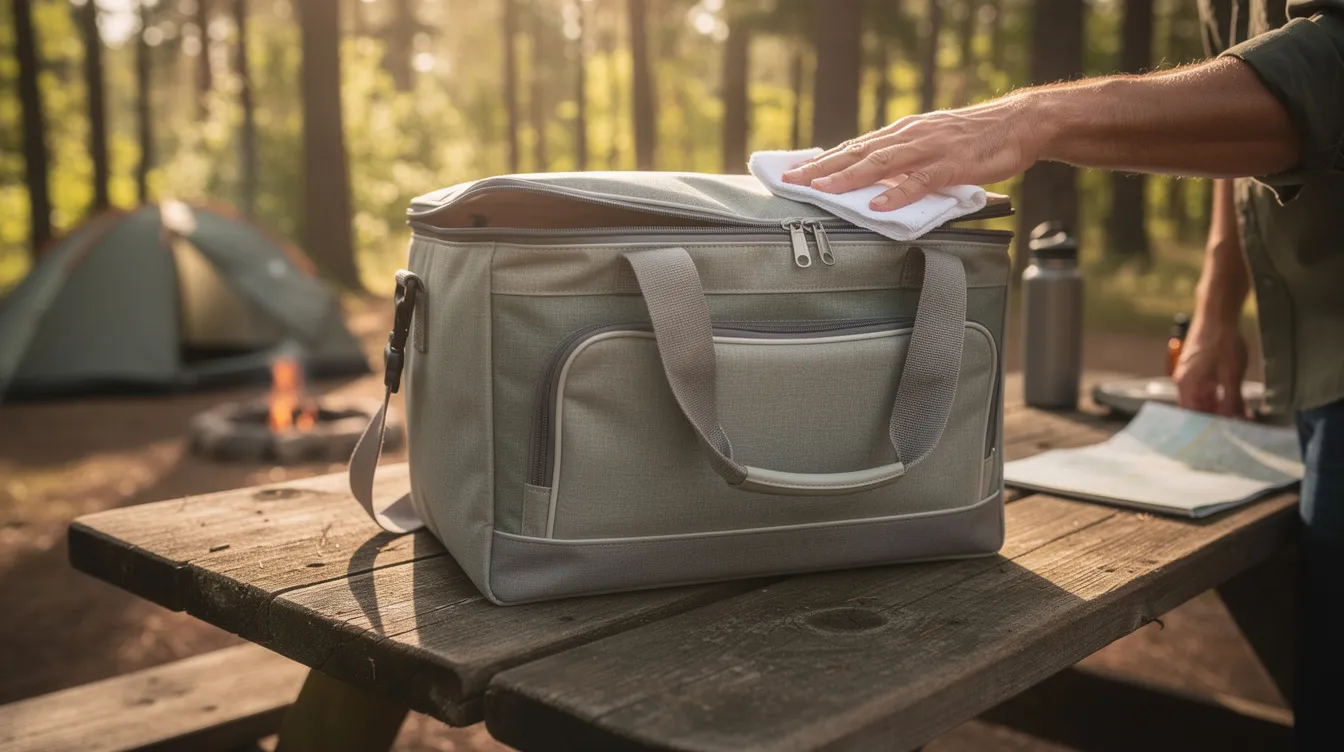
- Cleaning: Empty melted ice after each outing, wipe the main zippered compartment with mild soap and water, and avoid soaking the speaker area.
- Drying and storage: Air-dry fully with pockets open before storing. This prevents mildew and protects wiring from moisture.
- Battery care: Fully charge before big events. Avoid leaving the unit plugged in continuously. Store in a cool, dry environment.
- Water exposure: Even with an IP67 rating, keep USB ports sealed with rubber covers and avoid submerging units that are only splashproof.
- Volume and courtesy: Keep the level moderate at campgrounds to respect quiet hours. Avoid placing drinks directly on speaker grilles where condensation could seep in. You do not need permission to play music outdoors in most public areas, but local noise ordinances may apply-check before you crank the volume.
FAQ
Can I use a Bluetooth cooler while it's plugged into an external power source?
Many larger models, including 55L 450W party coolers, support playback while plugged into AC or DC power. Smaller battery-powered units are often designed for charging only when not in use. Always check the manual for your specific product and follow the stated guidelines.
Will the speaker still work if the cooler interior gets very cold?
The audio components are physically separated from the insulated compartment, so ice and cold drinks do not affect the speaker. Just make sure water does not pool near external controls or ports over time.
Can I connect more than one phone to the Bluetooth speaker at the same time?
Most bluetooth cooler speakers pair with one device at a time. Switching between phones is usually quick. Only a few newer systems with added multi-point support or party mode allow simultaneous connections-a feature that may change as Bluetooth versions continue to be updated.
Are Bluetooth coolers allowed at all campgrounds and public beaches?
Many U.S. campgrounds enforce quiet hours, and some beaches restrict amplified music. A number of parks post rules at their facilities or on their websites. Always check local rights and regulations, keep volume low, and be mindful of others.
What happens if the Bluetooth module fails-can I still use the cooler?
If the electronics fail, you can still use the unit as a regular cooler for ice and drinks. Repairs typically require contacting the manufacturer's service department. Buyers who found this concern relevant should look for models with longer warranty coverage as additional information and peace of mind.

Member discussion