
Key Takeaways
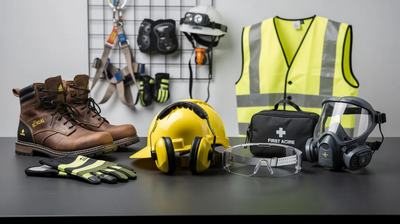
- “Safety gear” covers everything from hard hats, safety glasses, work gloves, and hearing protection to trekking poles, emergency sleeping bags, high-visibility layers, and first-aid kits.
- This guide walks through head, eye, hand, foot, body, and fall protection, plus outdoor-specific essentials like medical kits, emergency shelters, fire starters, and signaling tools.
- You will learn how to match gear to real scenarios, including winter hiking in 2026, summer construction work, off-grid camping, and roadside emergencies.
- The FAQ at the end covers replacement timing, using work gear outdoors, beginner hiking kits, and how to check whether online safety products are genuine.
What We Mean By Safety Gear & Safety Supplies
- Everyday outdoor gear is not always safety gear. A standard backpack carries supplies, while an EN-certified climbing helmet or ANSI-rated safety glasses are tested for specific hazards.
- Reliable safety gear should provide comfort, durability, and protection in demanding work conditions and hazardous environments.
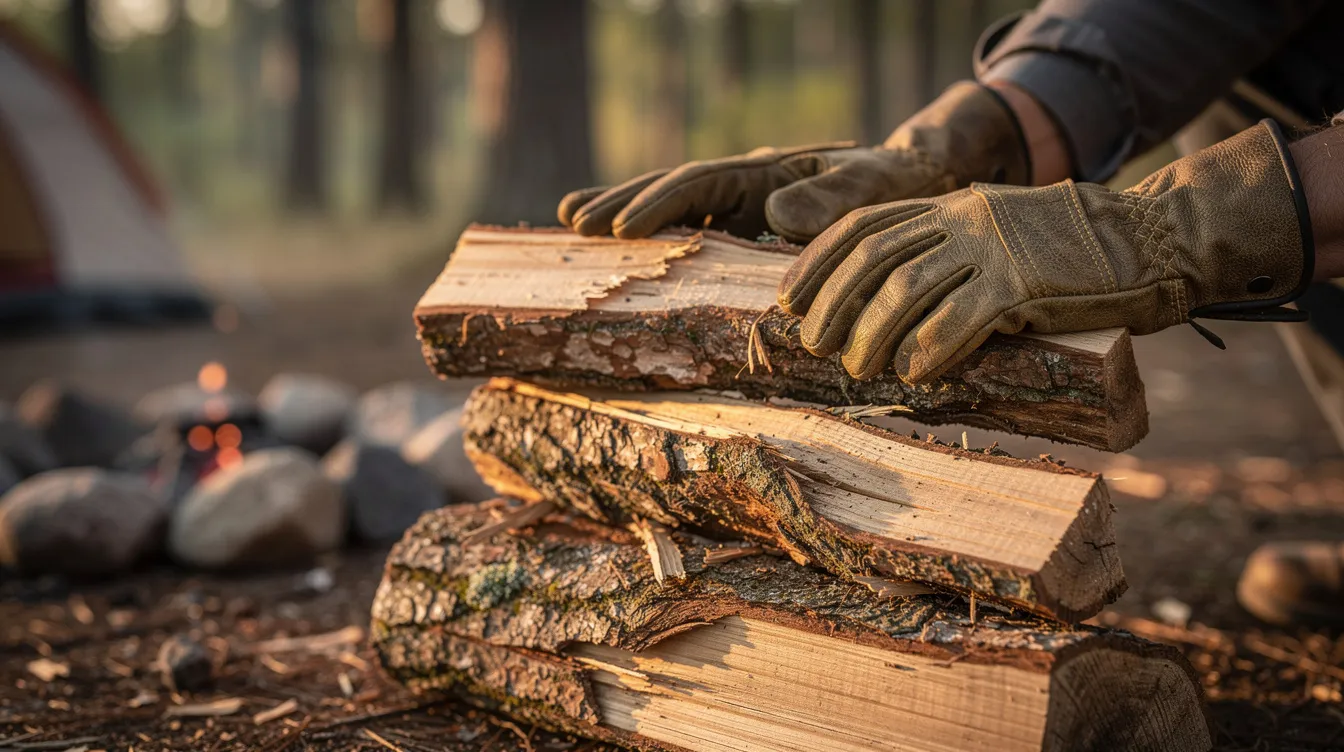
- Work gloves can cross over from carpentry to camp chores, especially when handling firewood, tent stakes, cookware, or multitools.
- Hi-vis vests are useful for construction zones, but they also help during roadside breakdowns, early trailhead starts, or night hiking near traffic.
- Steel-toe boots are made for job sites, yet they can also protect your feet during yard work, wood splitting, and heavy camp setup.
Head, Eye & Hearing Protection
Head protection
Hard hats, climbing helmets, and bump caps all protect the head, but they are not interchangeable.
- Hard hats are built for job sites where falling objects, electrical hazards, or overhead impacts are possible. In the U.S., many industrial helmets follow ANSI/ISEA Z89.1, which classifies helmets by impact type and electrical protection.
- Climbing helmets are designed for scrambling, via ferrata, rockfall exposure, and vertical terrain. Look for standards such as EN 12492, which focuses on climbing-specific impacts and retention.
- Bump caps are lightweight options for low-clearance tasks, trail work, or DIY projects where you might bump your head. They are not substitutes for hard hats when falling objects or electrical hazards are realistic.
Eye protection
Safety glasses and goggles are useful for more than construction. They can protect your eyes while:
- Cutting wood at camp
- Cycling on dusty roads
- Belaying loose rock below
- Hammering stakes into hard ground
- Using a camp stove in windy conditions
Look for ANSI/ISEA Z87.1-rated safety glasses when impact protection matters. In 2026, anti-fog coatings and UV-blocking lenses are especially useful for hot, humid, and sunny summers. For snow, water, and alpine glare, choose lenses that block 99–100% of UV-A and UV-B rays.
Sunscreen should be a broad-spectrum formula rated SPF 30 or higher for effective sun protection, but sunglasses or safety glasses are just as important for protecting your eyes from glare, dust, and flying debris.
Hearing protection
Hearing damage is easy to ignore because it often happens gradually. NIOSH recommends an exposure limit of 85 dB(A) over an 8-hour day, and exposure time drops quickly as noise rises above that level, according to the CDC/NIOSH noise guidance.
Common options include:
- Foam earplugs for shooting ranges, loud campgrounds, motorsports, or generators
- Reusable earplugs for frequent tool use
- Earmuffs for chainsaws, snow blowers, mowing, or yard work
- Dual protection, meaning plugs plus muffs, for extremely loud or impulse noise
Hand Protection: Work & Outdoor Gloves (Including Winter Options)
Cut-Resistant Gloves
- Cut-resistant gloves: Choose these for handling knives, saws, tent stakes, sheet metal, split wood, or camp stoves. ANSI/ISEA 105 cut levels run from lower protection to very high protection; in plain language, the higher the level, the more force the material can resist before a blade cuts through.
General Work Gloves
- General work gloves: Leather or synthetic work gloves are good for collecting firewood, building camp kitchens, clearing brush, or doing light job-site tasks. They are usually heavier than liner gloves but more durable.
Insulated Winter Work Gloves
- Insulated winter work gloves: 2025–2026 winter models increasingly balance dexterity and warmth with thinner insulation, stretch panels, and better grip materials. Use them for cold-weather construction, snow shoveling, winter camping, and loading gear in freezing conditions.
Waterproof/Breathable Gloves
- Waterproof/breathable gloves: These are useful for rainy shoulder-season hikes, mountaineering, wet snow, and cold camp chores. They keep moisture out better than fleece alone, but they can feel bulkier.
Lightweight Liner Gloves
- Lightweight liner gloves: Liner gloves are best for three-season trekking, cool mornings, photography, and wearing under mittens. They are light and dexterous but offer limited abrasion protection.
- Amazon-friendly example: leather work gloves: Heavier and more protective for firewood, tools, and camp chores, but warmer and less precise for small tasks.
- Amazon-friendly example: insulated waterproof gloves: Better for winter hiking, snow shoveling, and cold rain, but usually bulkier when tying knots or adjusting buckles.
Foot Protection: Boots, Traction & Stability
Work boots
Work boots should match the job site hazards. Useful features include:
- Safety toes, including steel, aluminum, or composite toe caps
- Puncture-resistant soles for nails, scrap metal, or sharp debris
- Slip-resistant outsoles for wet concrete, oily surfaces, mud, or ladders
- Waterproofing for rain, snow, and muddy job sites
- Insulation for cold-weather work
Many 2026 work boot models are available through Amazon, which makes it easier to compare sizing, safety ratings, reviews, and return policies before buying.
Hiking and backpacking boots
For hiking, the safest footwear depends on terrain, load, and weather.
- Hiking boots offer ankle support and stiffness for rocky trails, heavy packs, and uneven ground.
- Backpacking boots often include rock plates or firm midsoles to reduce bruising from sharp rocks.
- Lug patterns improve grip on mud, roots, loose dirt, and gravel.
- Trail runners can still be safe for experienced hikers carrying lighter loads on maintained trails, but they offer less underfoot and ankle protection.
Researching the local weather and terrain of your destination is crucial before any outdoor activity. A desert trail, muddy forest route, and icy alpine approach all demand different footwear choices.
Traction devices
Microspikes and crampons are winter safety gear for icy trails, packed snow, and frozen job sites.
- Microspikes work well for packed ice, frozen trails, and moderate winter hikes.
- Crampons are for steeper snow, glacier travel, and more technical ice.
- Traction devices can be overkill on dry ground and may increase tripping risk if used in the wrong conditions.
Fit matters as much as features. Try boots with the socks you plan to wear, leave enough toe room for descents, and break them in before long trips.
Body & Fall Protection: Clothing, High-Visibility Gear & Harnesses
Protective Clothing
- Protective clothing includes flame-resistant workwear for welding or spark exposure, abrasion-resistant pants for chainsaw work or trail maintenance, and durable layers for brushy terrain.
Insulation & Thermal Layers
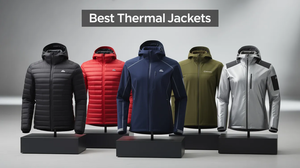
- Insulation for outdoor activities includes weather-appropriate layers such as a waterproof rain shell and fleece or down jackets for warmth.
- Thermal layers such as merino base layers, synthetic fleece, and insulated jackets are essential for cold-weather hikes, winter camping, and shoulder-season backpacking.
High-Visibility Gear
- High visibility garments are a critical component of construction safety supplies, helping to ensure that workers are seen in hazardous environments.
- High-visibility vests and jackets with reflective strips are useful for roadside emergencies, night hiking near traffic, cycling approaches, and construction zones.
- ANSI-rated high-visibility apparel is worth choosing when vehicle traffic, machinery, or low-light work is involved.
Respiratory Protection
- Construction safety supplies also include respiratory protection equipment, which is vital for workers exposed to harmful dust, fumes, or vapors on job sites.
- Respirators are not casual dust masks. Choose respiratory protection based on the hazard, fit, and required filter type.
Fall Protection
- Fall protection includes harnesses, lanyards, and anchors for roofing, tower work, and elevated industrial tasks.
- Climbers use separate systems, including climbing harnesses, helmets, ropes, belay devices, and anchors designed for dynamic climbing falls.
- Visually, this section works best as a short intro plus one clean bullet list, with bolding used only for key terms like high-visibility and fall protection.
Outdoor-Specific Safety Gear: First Aid, Emergency Shelters & Signaling
First-aid kits
You can buy compact pre-built kits or build a DIY kit. Pre-built kits are convenient, while DIY kits are better if you need allergy medication, prescription items, blister-specific care, or supplies for children and pets.
Emergency shelters
Emergency shelters or reflective space blankets are essential for unexpected overnight stays in the outdoors. Emergency bivy sacks and reflective emergency sleeping bags help block wind and reflect body heat, which can reduce hypothermia risk if you are injured, lost, or delayed.
Navigation and signaling
Do not rely only on your phone.
- A physical map and compass are essential navigation tools that do not rely on batteries.
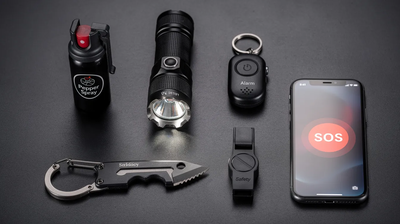
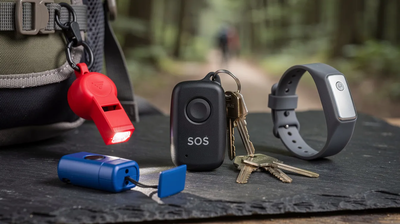
- GPS devices or satellite communicators are highly recommended for off-grid hikes or backcountry treks.
- Offline maps on your phone are useful, but only if downloaded before you lose service.
- A whistle can be heard farther than shouting and uses less energy.
- A backup headlamp helps if a short hike turns into a dark exit.
- Reflective tape can make packs, trekking poles, and shelters easier to spot.
- A signal mirror can help rescuers locate you in open terrain.
Fire and water safety
Fire and water safety are basic survival categories, but they are often forgotten on short trips.
- Matches should be waterproof or stored in a watertight case for effective use in outdoor activities.
- Stormproof matches, ferro rods, and compact lighters give you backup ignition options.
- Water filters remove bacteria and protozoa from backcountry water sources, ensuring safe drinking water.
- Purification tablets are light backup options when filters clog or freeze.
- High-calorie energy bars provide dense nutrition for outdoor adventures.
- Multitools, which include knife blades and pliers, are useful for various tasks in outdoor settings.
Choosing the Right Safety Gear & Performing Security Verification on Products
- Check product labels and listings for recognized standards such as ANSI, EN, NIOSH, CSA, ASTM, or UIAA, depending on the gear category.
- For hard hats, look for ANSI Z89.1 details such as type and electrical class.
- For safety glasses, look for ANSI/ISEA Z87.1 or comparable markings.
- For boots, review safety toe, puncture resistance, waterproofing, and slip-resistance information.
- For harnesses and lanyards, confirm compatibility before combining products from different brands.
- Read recent positive and critical reviews, not just the star rating.
- Look for customer photos showing labels, stitching, lenses, soles, buckles, or packaging.
- Check seller ratings and confirm the seller is the brand or an authorized distributor when possible.
- Avoid listings with unclear branding, missing specs, copied photos, or suspiciously low prices.
Frequently Asked Questions
How often should I replace my safety gear?
Replacement intervals depend on the item. Helmets and harnesses often have manufacturer life spans around 5–10 years, while gloves and boots should be replaced as soon as they show cracks, compressed padding, worn soles, torn stitching, or loss of grip.
Gear exposed to harsh chemicals, intense UV, or severe impact should be retired immediately. For example, a hard hat hit by a heavy object may need replacement even if the shell looks fine.
Always check the specific manufacturer guidance, date stamps, inspection instructions, and any marked expiration dates on PPE.
Can I use work safety gear for hiking and camping?
Yes, many items can cross over. Work gloves, headlamps, hi-vis vests, safety glasses, and some boots can be useful for camping, hiking, trail work, and roadside emergencies.
However, work gear may be heavier, hotter, or less comfortable than outdoor-specific designs. Use gear designed for the primary activity when possible, such as climbing-rated helmets and harnesses for vertical terrain instead of industrial fall-arrest equipment.
Prioritize fit, mobility, and the actual hazard. Safety gears that are technically strong but too uncomfortable to wear are less useful in the real world.
What safety gear is essential for a beginner hiker in 2026?
A beginner hiker should start with sturdy footwear with good traction, layered clothing, a small first-aid kit, a headlamp with fresh batteries, a whistle, extra water, extra snacks, and an emergency bivy or blanket.
In many regions, sun protection is also critical. Carry a hat, sunglasses, sunscreen, and enough water for the heat and elevation.
For navigation, bring a phone with offline maps, but also learn to use a paper map and compass. As trips become longer or more remote, add microspikes, a satellite communicator, a water filter, and more robust emergency supplies.
How do I know if online safety gear is genuine and not counterfeit?
Buy from well-known brands, official stores, or authorized sellers whenever possible. Check for correct logos, serial numbers, packaging details, rating labels, and product documents that match the manufacturer’s site.
Avoid listings with suspiciously low prices, vague descriptions, poor photos, missing safety standards, or reviews that mention broken parts and inconsistent packaging.
What should I check before using safety supplies on a trip or job?
Before use, inspect the gear for cracks, tears, missing labels, worn straps, compressed padding, loose lenses, damaged buckles, expired filters, or smooth boot soles. Test headlamps, GPS devices, satellite communicators, whistles, water filters, and fire starters before you leave.
Also, confirm the gear matches the environment. Hot construction work, winter backpacking, rainy shoulder-season hiking, and dusty demolition jobs all require different protection.
The safest approach is simple: match the product to the hazard, verify the rating, test the fit, and replace anything you would not trust when conditions get worse.

Member discussion