
If you've ever opened a regular cooler on day three of a camping trip to find warm water and soggy sandwiches floating in lukewarm meltwater, you already understand why freezer coolers exist. These powered units go far beyond what a traditional ice chest can deliver, and the gap in performance isn't even close.
Introduction
A standard cooler uses passive thermal insulation and relies on ice or reusable packs to keep items cold for short durations. That approach works fine for a day at the beach or a tailgate, but coolers are really designed for short-term access to items. Once the ice melts, temperatures climb fast.
A freezer cooler is a fundamentally different tool. These units use compressors to maintain ultra-low temperatures, and they require a continuous power source to operate. Active refrigeration is powered by electricity or solar for freezers, which means they can hold precise set temperatures regardless of how hot it gets outside. A freezer generates sub-freezing temperatures for long-term food preservation, and freezing food continuously at 0°F or lower prevents bacteria growth entirely. Freezers are built for long-term storage and preventing food spoilage across multi-day trips.
Freezer coolers combine freezing temperatures with mobility, making them essential for overlanding, extended camping, fishing trips, and off grid living. Whether you need to keep bait rock-solid, store harvested game, or simply enjoy frozen foods at a remote campsite, a portable freezer changes the equation completely.
But not all freezer coolers are created equal. The differences in cooling power, energy efficiency, build quality, storage capacity, and smart features can make or break your outdoor adventures. Below, we break down exactly how we evaluated the top performers and which seven models earned a spot on this list.
How We Chose the Best Freezer Coolers
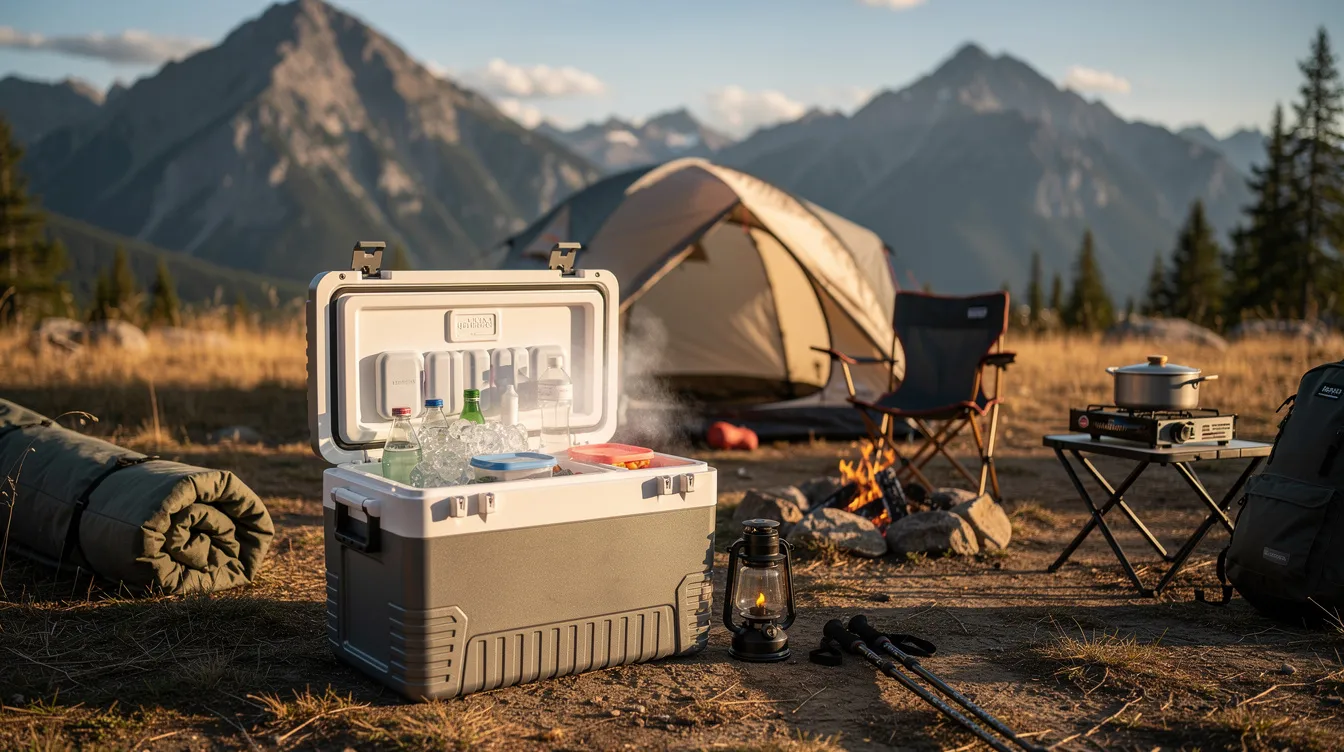
When testing electric coolers for this guide, we focused on real-world outdoor performance rather than laboratory ideals. Here's what mattered most.
Temperature Control and Freezing Capability
The defining feature of any freezer cooler is its ability to reach and hold sub-zero temperatures. Freezers operate at or below 0°F (−18°C), while regular coolers maintain temperatures typically between 35°F and 41°F (2°C to 5°C). We prioritized models that could reach the lowest possible temperature under realistic conditions, not just rated specs in a climate-controlled room. The freezing process creates ice crystals in foods with high water content, so maintaining a stable, deep freeze matters for food quality. Freezer coolers can offer precise temperature control, which is something no passive ice chest can match.
Power Efficiency and Battery Life
Freezers consume more energy than coolers, full stop. Most 12V electric coolers draw between 40 and 70 watts during active cooling cycles. Energy-efficient models use less power overall during operation, and modern portable coolers can operate on ECO mode, consuming under 1 kWh/day. We measured watt hours consumed over 24-hour periods at different temperatures to compare real-world efficiency.
Cooling Technology
Every model on this list uses a compressor-based system. Compressor coolers can reach freezing temperatures regardless of ambient conditions, making them the only viable option for true freezing. By contrast, thermoelectric coolers cool only 35-40°F below ambient temperature, which means they can't freeze anything on a hot day. Thermoelectric coolers are lighter and quieter than compressor coolers, but compressor coolers are generally heavier and more expensive than thermoelectric models for good reason: compressor coolers offer better energy efficiency for longer trips and deliver far superior cooling power.
Durability and Build Quality
Freezers require thicker insulation and more robust construction than coolers. We evaluated wall thickness, gasket quality, hinge and latch durability, and materials used for exterior shells. Electric coolers weigh between 19.8 to 62.9 lbs, and that weight needs to come from quality materials rather than dead weight.
Portability, Capacity, and Value
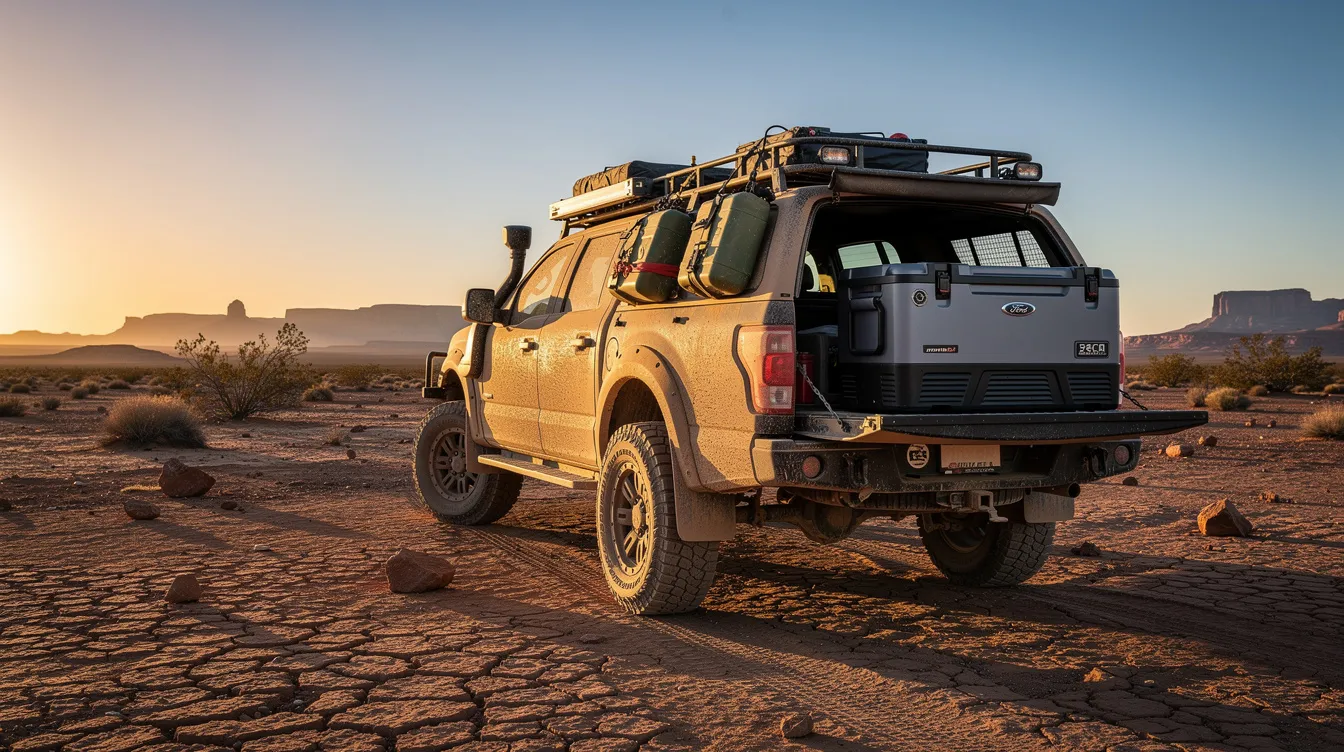
We balanced storage capacity against physical size and weight, evaluated handle and wheel designs, and considered how well each unit fits in a pickup truck bed or SUV cargo area. Warranty coverage factored heavily into value assessments.
Top 6 Freezer Coolers for Outdoor Adventures
1. Dometic CFX5 55
The Dometic CFX5 55 is the electric cooler to beat in 2026. It pairs a variable-speed compressor with vacuum-insulated panels and a polished app experience to deliver the best overall package for serious outdoor use.
Why It Stands Out: Premium build quality combined with advanced app connectivity and industry-leading insulation technology. The Dometic CFX5 series features vacuum-insulated panels that dramatically reduce heat transfer, keeping the compressor from working overtime.
Best For: Serious campers and overlanders who prioritize performance and are willing to invest in the best electric cooler available.
Key Strengths:
- Dual zone design lets you run two zones at different temperatures simultaneously, keeping drinks cold on one side and items frozen on the other
- The Dometic CFX5 55 can reach temperatures as low as −7°F, and the Dometic CFX5 can maintain temperatures as low as −7°F even in high ambient temperature conditions
- Smartphone app control via Bluetooth for precise temperature control and monitoring
- Dometic CFX5 features a rugged design with aluminum handles built for rough terrain
- The Dometic CFX5 has a three-stage battery protection system that automatically shuts down before draining your car battery
- Dometic CFX5 includes a 5-year warranty for added durability assurance.
Possible Limitations: Higher price point than most competitors. Requires significant power for extended use at the minimum temperature, particularly in hot conditions. No built-in battery means you'll need a portable power station or vehicle connection.
2. ARB Zero 47-Quart
ARB has built its reputation on gear that survives the Australian Outback, and the Zero 47-Quart portable freezer carries that DNA. This is a cooler designed to take a beating and keep your food refrigerated without complaint.
Why It Stands Out: A proven track record in harsh outdoor conditions across multiple continents. The ARB Element fridge is made from 304-grade stainless steel, and the Zero line inherits that commitment to rugged durability.
Best For: Overlanders and truck campers who need a powered cooler that won't fail when the trail gets rough.
Key Strengths:
- Heavy-duty construction with reinforced corners and robust latches
- Reaches −7.6°F, putting it among the top performers for freezing capability
- Dual power inputs (12/24V DC and AC) with low-voltage cutoff protection to protect your car battery
- Non-slip top surface doubles as a usable workspace
- DC draw of approximately 0.8 amps at moderate load (89.6°F ambient, internal temperature at 41°F)
- Transit bag and slide mount accessories available for permanent vehicle installation
- 3-year warranty with strong dealer network
Possible Limitations: Weighs approximately 53 lbs empty, making it one of the heavier options. Premium pricing reflects the build quality. App features are more basic compared to Dometic. Single zone only, so you can't run fridge and freezer compartments independently.
3. BougeRV Rocky 41QT Dual Zone
The BougeRV Rocky 41QT is where dual zone functionality meets accessible pricing. If you want a zone fridge on one side and a portable freezer on the other without spending premium money, this is your pick.
Why It Stands Out: Multiple power source compatibility including solar panels, a modular battery pack option, and true dual zone fridge capability at a price point well below the competition.
Best For: Budget-conscious campers who want dual zone design without compromise on core performance.
Key Strengths:
- Dual zone coolers can operate as both fridge and freezer, and the BougeRV CRD45 can set two compartments from −4 to 68 degrees F, covering everything from deep freeze to gentle cooling
- The BougeRV CRD45 can cool from 79°F to 36°F in under 30 minutes, demonstrating impressive pull-down speed
- Modular battery pack option for true battery powered operation away from any vehicle
- Fold-flat handles and compact size for easier transport
- Built in bottle opener on the exterior (also serves as an integrated bottle opener for campsite convenience)
- Compatible with solar panels and portable batteries for extended off grid use
- The BougeRV 23 Quart (smaller model in the lineup) draws an average of 8.3 watts per hour and weighs just 19.8 lbs, showing the brand's commitment to efficient compressors across their range
- Interior light for nighttime access
- Removable divider for flexible organization
Possible Limitations: Shorter warranty period than premium brands. Materials feel less premium than Dometic or ARB. The bottle opener is a nice touch, but overall build quality trails the top two options on this list.
4. Anker Everfrost 40-Liter
The Anker Everfrost line brought something genuinely new to the freezer cooler market: a high-capacity built-in battery that makes this a truly battery-powered cooler out of the box. No cables, no power station, no hassle.
Why It Stands Out: An integrated battery system with quick-swap capability. The Anker Everfrost 40 can run for up to 36 hours on a single charge, and the Anker Everfrost maintains 39°F for up to 36 hours on a charge. That's a weekend trip covered without plugging into anything.
Best For: Campers who need true portable power without relying on external portable batteries or a wall outlet connection.
Key Strengths:
- Built-in 299Wh rechargeable battery delivers up to 27 hours of runtime in freezer mode (longer in fridge mode)
- The Anker Everfrost 40 draws an average of 5.8 watts per hour, making it one of the most efficient units available and requiring less power than most competitors
- Dual zones for running different temperatures in separate compartments
- Large wheels and a telescoping handle for rolling transport across uneven ground
- Compatible with Anker solar panels and portable power station units for recharging off-grid
- Control panel with digital temperature display
- The Travoca Rigel 45 also features a dual zone design, but the Everfrost's integrated battery gives it a distinct advantage in this category
Possible Limitations: The battery adds weight-the Anker Everfrost 40 weighs 56.1 lbs, making it the heaviest unit on this list. Limited freezing capacity when running on battery alone versus AC power. The rechargeable battery will eventually degrade over hundreds of charge cycles.
5. Goal Zero Alta 50
Goal Zero built its name on portable solar power, and the Alta 50 extends that expertise into cold storage. This portable fridge is engineered from the ground up to work seamlessly with solar panels and Goal Zero's ecosystem of battery packs.
Why It Stands Out: Designed specifically for solar and portable power integration. If you're already invested in Goal Zero's Yeti power station lineup, the Alta 50 slots in perfectly.
Best For: Solar-powered camping setups and off grid enthusiasts building a complete renewable energy camp system. If you're already exploring solar-powered gear for camping, this is a natural addition.
Key Strengths:
- Reaches −4°F, which is more than sufficient for keeping items frozen solid over long periods
- Insulated cover included to boost efficiency and reduce power draw in direct sunlight
- App monitoring via Bluetooth for temperature tracking
- Reinforced corners and impact-resistant shell for transport in vehicles
- Optimized for Goal Zero Yeti power stations and solar panels
- Excellent value within the Goal Zero ecosystem
Possible Limitations: Premium pricing, especially if you're buying into the Goal Zero ecosystem from scratch. Performance is best when paired with Goal Zero products, which can feel limiting. Single zone only.
6. Whynter FM-45G
The Whynter FM-45G is the best seller in the "serious freezing on a budget" category. It reaches the coldest minimum temperature on this list and costs significantly less than every model above it.
Why It Stands Out: Reaches the lowest temperatures at a competitive price point. If raw freezing performance per dollar is your priority, nothing else comes close.
Best For: Budget-conscious users who still need serious freezing capability for hunting, fishing, or longer trips where keeping food at sub-zero temperatures is non-negotiable.
Key Strengths:
- Reaches −8°F (−22°C), the deepest freeze on this list
- Energy efficient operation at approximately 65W max draw, with 24-hour consumption around 1.0–1.2 kWh depending on ambient temperature and set temperature
- 45-quart capacity (roughly 60 standard cans) with removable baskets for organization
- Solid build quality with functional tilt tolerance up to 30°
- AC (115V) and DC (12/24V) power inputs
- Noise level around 40 dB
- For reference, competing models like the Engel MT45 cools to 38°F in just 20 minutes and cools to 3.2°F with a temperature deviation of 0.7°F. The Engel MT45 has a galvanized steel construction for durability. The Renogy 53 Quart weighs 40.6 lbs. The Whynter matches or beats these competitors on freezing depth while undercutting them on price
Possible Limitations: Basic controls with no app connectivity or Bluetooth. Weighs approximately 45 lbs. No dual zone option. Heavier than competitors at similar capacities. No built in bottle opener or premium extras. But for pure performance, it's a game changer at its price.
How to Choose the Right Freezer Cooler
Choose Based on Power Requirements
Every portable cooler on this list needs power, and how you supply that power shapes your entire camping experience.
12V Vehicle Power: The simplest approach. Plug into your truck or SUV's 12V outlet and the compressor runs off your car battery while driving. Most units include low-voltage protection that automatically shuts off before draining your starter battery. This works well for road trips and overlanding where you're driving daily.
Portable Power Station: A dedicated power station (like a Jackery, EcoFlow, or Goal Zero Yeti) gives you independence from the vehicle. Size your station based on your cooler's 24-hour draw. A unit drawing 6-7 watts per hour needs roughly 160 watt hours per day. A 500Wh power station could run it for about three days at moderate temperatures.
Solar Panels: Pairing solar panels with portable batteries creates a truly sustainable off grid setup. A 100W panel in good sun can generate 400-600Wh per day, enough to keep most freezer coolers running indefinitely. If you're already exploring solar-powered gear for the trail, adding a freezer cooler to your solar setup is a logical next step.
Built-in Battery: Models like the Anker Everfrost eliminate the need for external power entirely for shorter trips. The trade-off is added weight and limited runtime at the coldest settings.
Match your power source to your trip length. A weekend trip might only need 12V vehicle power. A week-long basecamp demands solar or a high capacity power station.
Choose Based on Capacity and Zones
Storage capacity directly affects how many people you can feed and for how long. A 45-50 quart unit comfortably handles food for two people on a week-long trip or four people on a weekend trip.
The single zone versus dual zone decision comes down to flexibility. Dual zone coolers allow separate temperature settings for different foods-frozen meats at −4°F on one side and fresh vegetables at 38°F on the other. A dual zone fridge like the BougeRV Rocky gives you two zones without needing two separate units. The trade-off: more capacity goes to the divider and dual compressor systems, and you'll use more power.
Single zone units are simpler, often lighter, and draw less power. If everything in your cooler needs to be at roughly the same temperature, a single zone model gives you more capacity per pound.
Choose Based on Portability Needs
Weight matters more than most people think until they're carrying a 55-lb freezer cooler across a campground.
- Vehicle-based camping: Weight is secondary. Focus on fit within your pickup truck bed or cargo area. Mounting slides and tie-down points matter more than handles.
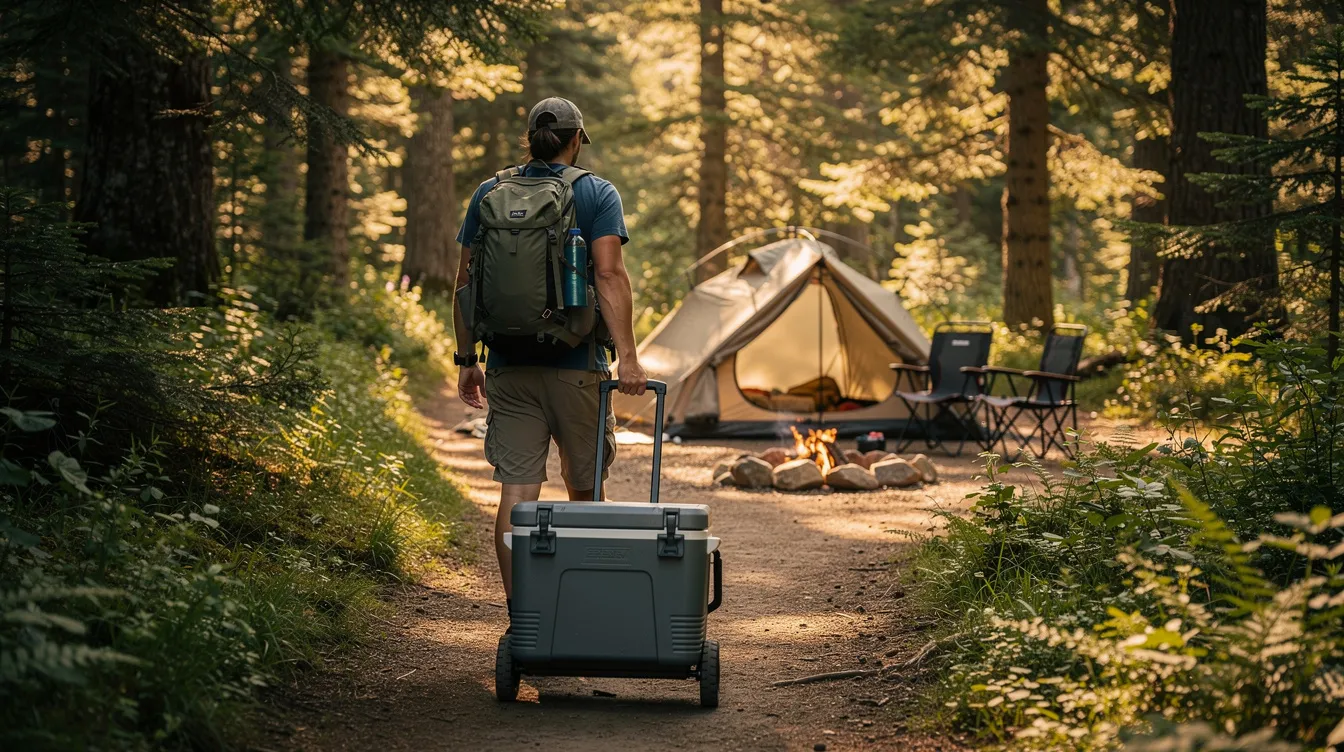
- Walk-in campsites: Wheels and telescoping handles (like the Anker Everfrost) make a huge difference. Compact size helps navigate tight campsite paths.
- Boat or RV use: Tilt tolerance matters. Some compressors lose efficiency or risk damage beyond 30° of tilt. Check specs before mounting in a boat cabin.
Which Option Is Best for You?
Here's the straight recommendation based on how you actually camp:
Choose the Dometic CFX5 55 if you want the best overall performance and smart features. The combination of vacuum insulation, efficient compressor, app control, and 5-year warranty makes it the top pick for most users. It's the one we'd buy with our own money.
Choose the ARB Zero 47QT if you prioritize extreme durability for harsh conditions. If your rig sees serious off-road abuse and you need a unit that shrugs off vibration, dust, and temperature swings, ARB delivers.
Choose the BougeRV Rocky 41QT if you want dual zones on a budget. It's the best way to run a fridge and freezer simultaneously without paying premium prices. Excellent value for the features.
Choose the Anker Everfrost 50L if you need built-in battery power. The integrated rechargeable battery means true portability without cables or external power. Perfect for festival camping, beach trips, or any situation where you can't plug in.
Choose the Goal Zero Alta 50 if you're building a solar camping setup. It integrates perfectly with Goal Zero's ecosystem and rewards you with seamless power management.
Choose the Whynter FM-45G if you want maximum freezing power for the price. At −8°F capability with a modest price tag, it delivers the deepest freeze per dollar on this list. No frills, just serious ice maker-level cold.
Final Thoughts
The best freezer cooler depends entirely on your specific outdoor needs. There's no single "best" option because a weekend car camper and a month-long overlander have fundamentally different requirements.
That said, the Dometic CFX5 55 offers the best all-around performance for most users. Its combination of efficient cooling, rugged construction, dual zone capability, and smart app control hits the sweet spot between capability and convenience. If you're investing in one unit for years of camping, it's the safest bet.
Whatever model you choose, remember that proper power planning is essential for freezer cooler success. The best portable freezer in the world is just an expensive, insulated box without adequate power. Pair your choice with a properly sized portable power station or a solar charging setup, and you'll have food that stays cold-or frozen-for as long as your adventure lasts.
FAQ
- What is the main difference between a freezer cooler and a regular cooler?
- A freezer cooler uses a compressor to maintain sub-freezing temperatures for long-term food preservation, while a regular cooler relies on ice or packs and passive insulation to keep items cold for short durations.
- Why are compressor coolers preferred over thermoelectric coolers for freezing?
- Compressor coolers can reach freezing temperatures regardless of ambient heat and offer better energy efficiency, making them suitable for long trips. Thermoelectric coolers only cool 35-40°F below ambient temperature and cannot freeze on hot days.
- How important is power efficiency in choosing a freezer cooler?
- Very important. Freezer coolers consume more energy than regular coolers. Energy-efficient models use less power overall, allowing longer operation on battery or solar power, which is crucial for off-grid camping.
- What features should I look for in a freezer cooler for overlanding?
- Look for rugged build quality, dual-zone temperature control, efficient insulation (like vacuum insulated panels), battery protection systems, and compatibility with vehicle 12V power or portable power stations.
- Can freezer coolers run off solar power?
- Yes, many modern freezer coolers are compatible with solar panels and portable power stations, making them ideal for sustainable off-grid use.
- Are freezer coolers portable enough for walk-in campsites?
- Some models include wheels and telescoping handles to improve portability, but freezer coolers are generally heavier than regular coolers due to insulation and compressors.
- How do I choose the right size freezer cooler?
- Consider the number of people and trip length. A 45-50 quart unit suits two people for a week or four for a weekend. Dual-zone coolers offer flexibility but may reduce usable space.
- Do freezer coolers require maintenance?
- They require basic maintenance like cleaning, checking seals, and ensuring power connections are secure. Some models offer app monitoring for easier management.
- What is the warranty like on top freezer coolers?
- Premium models like Dometic offer up to 5-year warranties. Others vary from 1 to 8 years depending on brand and model.
- Can freezer coolers make ice?
- Some models like the Dometic CFX5 55IM have ice maker features, but most are designed primarily for freezing and refrigeration.



Member discussion