
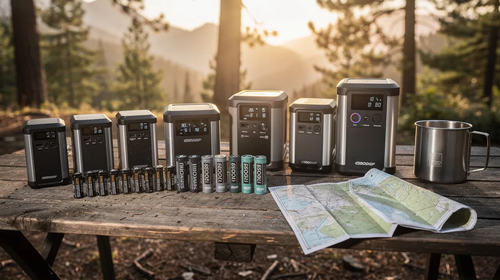
If you spend any serious time off-grid- whether that's boondocking in your RV, trolling quiet lakes at dawn, or running a basecamp miles from the nearest outlet - you already know that power isn't optional. It's the backbone of every modern outdoor adventure.
The good news? Lithium batteries have fallen in price by approximately 99% since 1991, making reliable energy accessible to nearly every outdoor enthusiast. Lithium batteries typically last between 10 to 15 years, and the best LiFePO₄ models are significantly longer-lasting compared to lead acid batteries, delivering thousands of charge cycles before showing meaningful degradation. They operate at about 95% efficiency, meaning almost all the energy you store actually reaches your devices.
But not all lithium batteries are created equal. Chemistry, battery capacity, temperature tolerance, weight, and safety features all vary wildly between models. Choosing the wrong battery for your specific adventure style can mean dead devices at the worst possible moment - or worse, a safety hazard in extreme conditions.
We spent months evaluating the market and testing claims against real-world outdoor performance. Here are the seven best lithium batteries for outdoor adventures in 2026, along with everything you need to pick the right one for your setup.
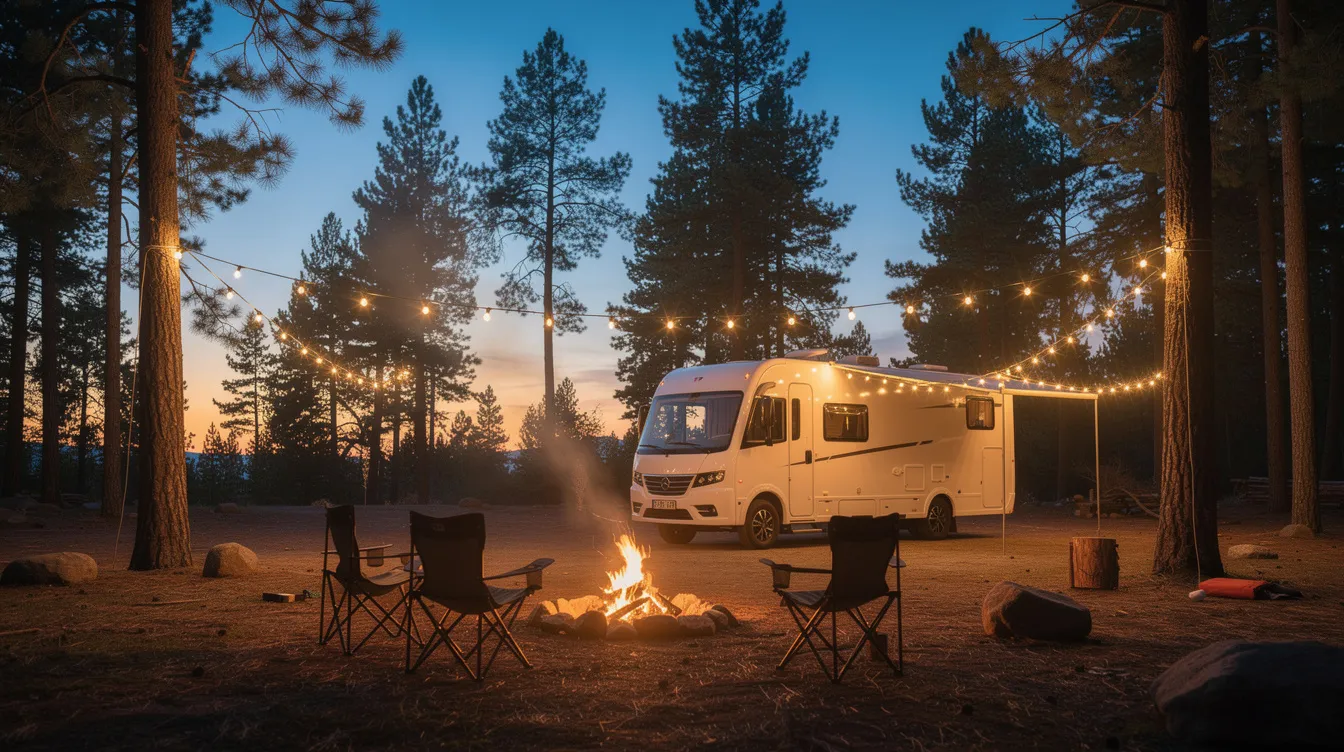
How We Chose the Best Lithium Batteries
Understanding battery chemistry is important for choosing the right battery for applications. Not every lithium battery is suited for every outdoor scenario, so we evaluated each model across eight critical factors.
Capacity and Power Output
Capacity matching is critical for ensuring battery performance meets energy needs. We prioritized batteries that deliver enough usable amp-hours to power common off grid setups - fridges, lights, phone chargers, CPAP machines - for at least 24 hours without a recharge. Higher energy density means more stored power per pound, and the energy density of lithium ion batteries has more than tripled since 1991.
Cycle Life and Durability
Battery cycle life is often defined as 1000-2000 cycles for standard lithium ion batteries, but LiFePO₄ batteries typically offer 3,000 to 5,000 charge cycles at 80% depth of discharge. Standard lithium batteries offer 1,000 to 3,000 charge cycles depending on chemistry and usage. We favored models on the higher end of that spectrum.
Weight and Portability
A 100Ah LiFePO₄ deep cycle battery weighs roughly 25–35 lbs compared to 60+ lbs for an equivalent lead acid unit. That 30-lb savings per battery adds up fast in mobile setups, and it's a non-negotiable for anyone carrying gear on foot.
Temperature Performance
Standard lithium batteries should not be charged below freezing to prevent damage - charging below 0°C can cause lithium plating and short circuits. Built-in self heating features may be necessary for cold-weather battery performance, and we gave extra points to models that include internal heaters. On the hot end, charging lithium ion batteries above 45°C can degrade performance significantly.
Safety Features
A battery management system is the brain protecting your investment. We required robust BMS with overcharge, over-discharge, short circuit, and thermal cutoff protection. LiFePO₄ is recognized as one of the safest lithium chemistries available, but BMS quality still varies between manufacturers. Lithium ion batteries contain flammable electrolytes that pose fire risks, and thermal runaway can cause lithium ion batteries to reach temperatures above 500°C - Charging Speed and Solar Compatibility
Lithium ion batteries can be fully charged in 45 minutes or less under ideal conditions with high-amperage chargers. For outdoor use, solar panels are the primary charging method, so we verified compatibility with common MPPT and PWM charge controllers.
Value and Warranty
We calculated cost per usable cycle rather than just sticker price. A battery that costs twice as much but lasts five times longer is the better deal. Warranty coverage ranged from 5 to 11 years across our picks.
Real-World Feedback
Self-discharge rate for lithium ion batteries is 1.5-2% per month under normal conditions, but self-discharge rates can reach 31% at 60°C - something you'd encounter leaving a battery in a hot vehicle. We cross-referenced manufacturer claims with actual user experiences in forums, camping groups, and marine communities.
Beyond LiFePO₄, it's worth knowing the broader landscape. Lithium Titanate (LTO) batteries excel in extreme temperatures and rapid charging but remain niche and expensive. Lithium Nickel Manganese Cobalt (NMC) is preferred for electric vehicles and drones, with lithium nickel manganese cobalt oxide batteries having a nominal voltage of 3.7V. Lithium ion batteries are widely used in consumer electronics and electric vehicles. There are even lithium-ion flow batteries that suspend materials in a solution for grid-scale storage. For outdoor power, though, lithium iron phosphate remains the smart choice.
Top 3 Lithium Batteries for Outdoor Adventures
1. LiTime 12V 100Ah LiFePO4 Battery
If you're building your first off grid power system on a budget, LiTime delivers surprising performance without the premium price tag. This 100Ah model has become a favorite among DIY solar system builders and weekend campers who need reliable performance without breaking the bank.
Why It Stands Out: Best value for money in the LiFePO₄ space. LiTime has aggressively priced their batteries while maintaining solid BMS protection and respectable cycle life. Lithium solar batteries last between 10 to 15 years, and LiTime's build quality suggests it'll track toward the middle of that range.
Best For: Budget-conscious campers, first-time lithium buyers, and anyone building a DIY solar charging setup for their camping lanterns and small electronics.
Key Strengths:
- 4,000+ rated cycles
- Fast charging capability up to 100A
- Excellent safety features including over voltage, over-current, and thermal protection
- Lightweight at approximately 24 lbs
- Maintenance free operation
Possible Limitations:
- Shorter warranty period (typically 5 years) compared to premium competitors
- Basic monitoring features - no Bluetooth or app connectivity
- No built-in heating for cold weather charging
2. Battle Born 12V 100Ah LiFePO4 Deep Cycle Battery
Battle Born has earned its reputation as the go-to premium lithium iron phosphate battery for serious full-time adventurers. Made in Reno, Nevada, each unit uses quality cylindrical lithium-ion cells produced in a "jelly roll" format - the same proven cell architecture used in demanding applications worldwide.
Why It Stands Out: Made in the USA with exceptional customer support that full-time RVers consistently praise. The 10-year warranty reflects genuine confidence in the product.
Best For: Full-time RVers, professional outdoor guides, and anyone who values premium quality and accessible expert battery advice from the manufacturer.
Key Strengths:
- 3,000–5,000 cycles to 80% capacity retention
- Lightweight design at approximately 31 lbs
- 10-year warranty with responsive US-based support
- Near 100% depth of discharge for maximum usable capacity
- Uses prismatic cells and ev grade cells in premium configurations
- Drop-in replacement for Group 27 lead acid batteries
Possible Limitations:
- Premium pricing - roughly 30–50% more than budget alternatives
- Limited capacity options (primarily 100Ah)
- Some users report overheating at the positive terminal under sustained high load - proper installation and cooling matter
Worth noting: community feedback on forums reveals occasional warranty tangles when terminal overheating occurs under heavy continuous draw. For typical off grid use with moderate loads, this battery delivers tested, reliable performance over long periods.
3. Goal Zero Yeti 1500X Portable Power Station
Not everyone wants to wire a battery bank. The Goal Zero Yeti 1500X is a complete plug-and-play system with AC outlets, USB ports, 12V outputs, and solar input - all in one portable box. It's the easiest path to off grid power for car campers who want to keep things simple.
Why It Stands Out: Complete power station requiring zero installation. Plug in your devices, connect solar panels, and go. Lithium ion batteries typically lose 20% capacity in 3-5 years with regular use, and the Yeti's NMC-based cells follow this pattern - but for weekend warriors who cycle less frequently, it'll serve reliably for years.
Best For: Car campers and weekend adventurers wanting convenience, families powering small electronics and devices at the campsite, and anyone who doesn't want to build a custom system.
Key Strengths:
- Ready-to-use out of the box - no wiring, no inverter needed
- Multiple outlet types (AC, USB-A, USB-C, 12V)
- Solar charging compatible with Goal Zero and third-party panels
- Clean, silent power for basic needs
- Approximately 1,516 Wh capacity
Possible Limitations:
- Lower cycle life compared to dedicated LiFePO₄ batteries (estimated ~500-800 cycles)
- Higher cost per watt-hour than standalone batteries
- Heavier and bulkier than a comparable raw battery
- Not ideal for high-draw devices or long-term off grid living
The Yeti 1500X is a smart choice for the end user who values convenience over customization. If you're already packing a USB solar charger for day hikes, this is the natural next step for basecamp power.
How to Choose the Right Lithium Battery for Your Adventures
Choose Based on Your Power Needs
Start by calculating your actual daily power consumption. List every device you'll run - fridge, lights, phone charger, CPAP, laptop - and multiply each device's wattage by hours of daily use.
Example calculation:
- 12V fridge: 50W × 12 hours = 600 Wh
- LED lights: 10W × 5 hours = 50 Wh
- Phone charging: 15W × 3 hours = 45 Wh
- Laptop: 60W × 2 hours = 120 Wh
- Total: 815 Wh/day
For a 12V system, that's roughly 68Ah per day. A 100Ah battery gives you comfortable headroom with some reserve. For a fully charged battery lasting two days without recharge, step up to 170Ah or add a second unit.
Consider peak power requirements too. An inverter powering a microwave or coffee maker can draw 1,000-1,500W momentarily - your battery's continuous and surge discharge ratings must handle these spikes.
Choose Based on Your Budget and Timeline
The upfront price of a lithium battery tells only part of the story. Here's how to think about real cost:
- A $300 LiFePO₄ battery lasting 4,000 cycles costs about $0.075 per cycle
- A $150 lead acid battery lasting 500 cycles costs about $0.30 per cycle
- The "expensive" lithium option costs roughly one-quarter per cycle over its lifespan
Factor in warranty coverage - it's your insurance against manufacturing defects. A 10-year warranty on a battery rated for 3,000+ cycles means you're covered for the majority of the battery's useful life. Consider installation costs too: if you need a new charger, inverter, or wiring upgrades for a different voltage system, those expenses add up.
Also think about the environmental cost of replacements. Lithium extraction consumes 1.9 million liters of water per ton of lithium produced. Manufacturing a kilogram of lithium-ion battery requires about 67 megajoules of energy. And cobalt mining in the Congo causes significant deforestation and habitat destruction. Buying one long-lasting battery instead of cycling through cheaper alternatives reduces your overall environmental footprint.
Effective recycling can significantly reduce the carbon footprint of production. The EU mandates 70% recovery of collected lithium-ion battery materials by 2031 - a standard that's pushing the entire industry toward more sustainable manufacturing. In 2023, 12 fires occurred in Swiss recycling facilities due to lithium batteries, highlighting the importance of proper disposal through certified recyclers.
Choose Based on Your Adventure Style
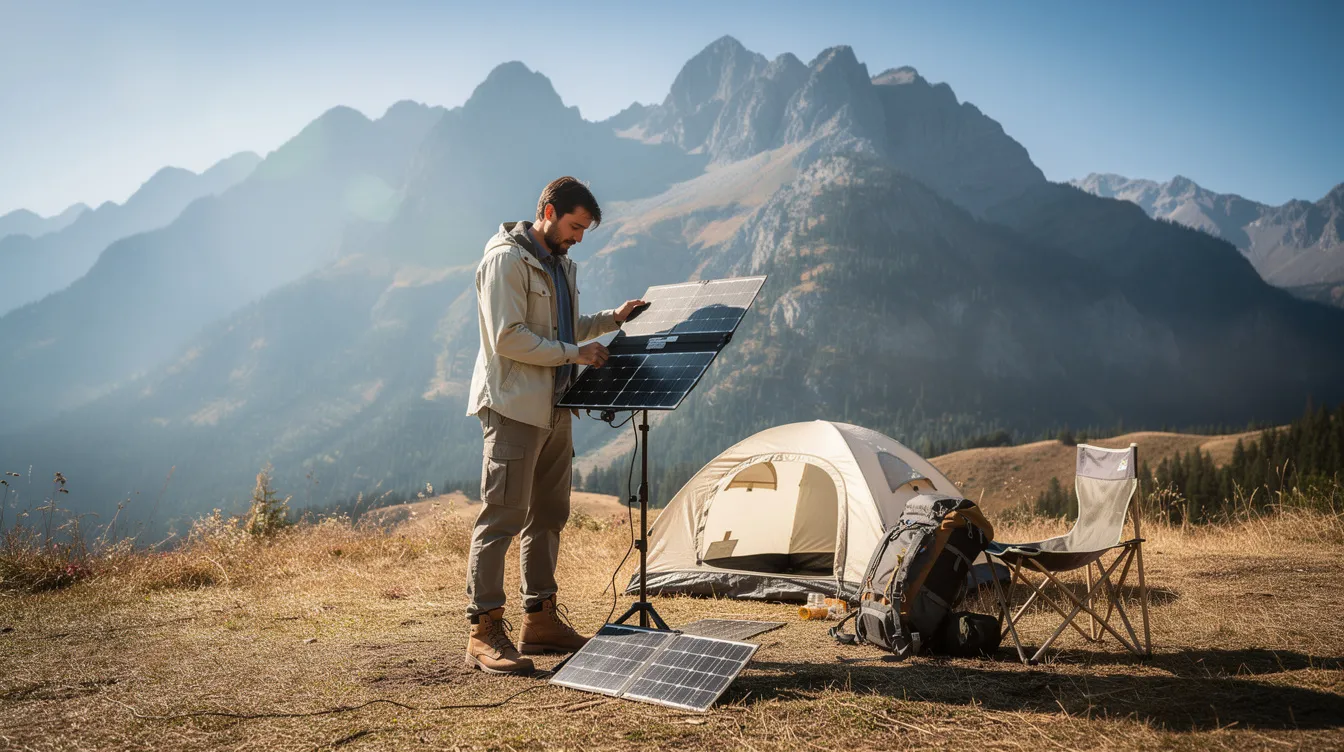
Portable solutions for car camping and weekend trips: Go with an all-in-one power station like the Goal Zero Yeti or a lightweight 100Ah battery paired with a solar power backpack or portable panel setup. Keep speed of setup as a priority - you want to be fishing or hiking, not wiring.
Fixed installations for RV living and extended travel: Invest in high-capacity LiFePO₄ batteries (135Ah–170Ah) with proper BMS, solar charge controllers, and an inverter. If your system exceeds 2,000W, consider stepping up to 24V or even 48V architecture for efficiency. These setups are ideal for deep discharge cycles over long periods without shore power.
Marine applications: Waterproofing, corrosion resistance, and vibration tolerance are non-negotiable. Purpose-built motor batteries like the RELiON RB36V40 eliminate the headaches of adapting land-based batteries for marine use. Match your trolling motor's voltage requirement exactly - a 36V motor needs a 36V battery, not three 12V units jury-rigged in series.
Weight-critical backpacking: For remote camping where every ounce matters, your "battery" is likely a high-capacity power bank rather than a deep cycle unit. Lithium ion batteries in consumer-grade power banks use NMC chemistry for its higher energy density per gram. Save the LiFePO₄ for your vehicle or basecamp. Pair a compact power bank with rechargeable lanterns to keep pack weight manageable.
Which Lithium Battery Is Best for You?
There's no single "best" - only the best match for your specific needs. Here's the quick decision framework:
Choose LiTime 100Ah if you want the best bang for your buck. It covers the basic needs of most campers at a price that doesn't sting, making rechargeable batteries accessible to everyone.
Choose Goal Zero Yeti 1500X if you want ultimate convenience and simplicity. No wiring, no technical knowledge required - just plug in and go.
Choose AIMS Power 24V if you're building a large, efficient system for an off grid cabin or serious RV installation where speed of energy transfer and wiring efficiency matter.
Final Thoughts
The best lithium batteries for outdoor adventures in 2026 share common traits: lithium iron phosphate chemistry for safety and long lifespan, robust battery management systems for deep discharge protection, and construction quality that handles the vibration, temperature swings, and rough handling of life on the road or water.
Your specific choice comes down to three questions: How much power do you need? How harsh are your conditions? And what's your budget - not just today, but across thousands of cycles?
LiFePO₄ chemistry generally offers the best balance of safety, cycle life, and reliability for outdoor applications. While lithium ion batteries can explode if overcharged beyond design limits - a real concern with budget units featuring weak BMS - the models in our roundup all include robust safety features and legitimate third-party certifications.
Investing in quality power isn't glamorous. Nobody posts their battery bank on social media. But it's the invisible foundation that keeps your fridge cold, your lights on, your phone charged, and your adventures rolling - whether you're out for a weekend or a lifetime.
Pick the battery that matches your adventure. Then go have one.




Member discussion