
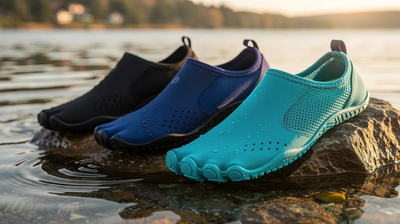
Whether you are crossing rivers on a backpacking trip, paddling a lake at camp, or hopping across hot sand with the family, the right footwear makes all the difference. This guide breaks down the best barefoot water shoes available in 2026 so you can find a pair that fits your feet, your activity, and your budget.
Key Takeaways
- Barefoot water shoes feature thin, zero-drop soles and quick-drying materials that mimic the feeling of being barefoot while keeping your feet safe from rocks, shells, and sea urchins.
- We prioritize models with good grip, effective drainage, and lightweight packability for camping, backpacking, and water sports trips.
- This guide covers five specific models for 2026, from budget picks under $30 to premium options over $70-with sizing tips and care advice.
- You will find a detailed FAQ covering arch support, cold water use, sand management, and whether barefoot water shoes can replace your camp sandals.
What Are Barefoot Water Shoes?
Barefoot water shoes sit at the intersection of minimalist footwear and aquatic protection. Unlike classic water shoes with thick midsoles and structured arch support, these are built around thin, flexible soles and wide toe boxes that let your toes splay naturally. Rubber or synthetic outsoles protect feet from sharp objects like broken shells and jagged rock, while porous mesh uppers and drainage holes let water flow through and dry quickly after being submerged.
They provide protection against sharp rocks and sea urchins without sacrificing ground feel. Thin, flexible soles improve proprioception and balance, which matters when you are stepping across a slippery riverbed or balancing on a SUP board. That makes them ideal for kayaking, wild swimming, and general camp use. A 2026 systematic review on sole thickness confirms that thinner soles preserve more sensory feedback, directly influencing stability on uneven wet terrain.
This article focuses on adult options for 2026, but many models also offer kids sizing for family trips-if you are shopping for younger adventurers, check out our guide to the best kids waterproof sneakers for all weather adventures. Here is a quick in-text comparison:
- Traditional water shoes: Thicker sole (8–15 mm), structured support, slower drying, less ground feel
- Barefoot water shoes: Thin sole (3–7 mm), zero drop, wide toe box, fast drying, maximum flexibility
- Hiking sandals: Open upper, rugged outsole, good ventilation, less toe protection, often higher drop
How to Choose the Best Barefoot Water Shoes
This is the main buyer's guide section for campers, hikers, and water sports enthusiasts who shop online. Here is what to look for before you grab a pair:
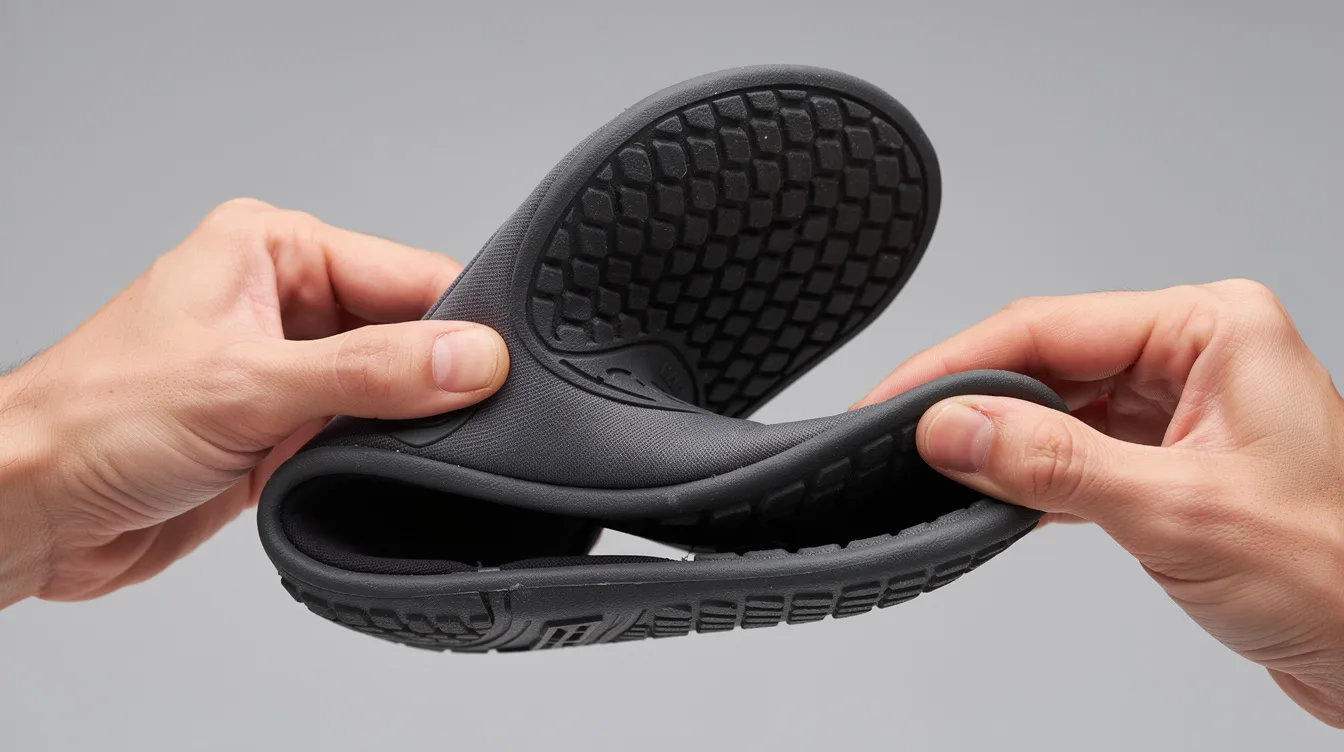
- Sole thickness and flexibility: Most of the best barefoot shoes fall between 3–7 mm underfoot. Thinner soles give better ground feel; slightly thicker options help on sharp river entries. Bend the shoe by hand-if it resists, it is too stiff.
- Traction: Barefoot water shoes provide multi-directional traction through outsole patterns that channel water away. Sticky rubber outsoles channel water away to prevent hydroplaning. Research on tread design shows that vertical tread patterns with 3–4 mm gaps perform best on wet surfaces. They often have slip-resistant soles for better traction, though no shoe is perfect on mossy rock.
- Materials: Hydrophobic materials repel water and allow rapid drying-ideal for hot summer climates. Many shoes are constructed with porous mesh and drainage holes, and effective drainage prevents water pooling inside the shoe. Neoprene-like uppers suit cooler lakes and shoulder-season paddling. Toe caps provide defense against sharp underwater obstacles on rockier terrain.
- Fit and toe box: Wide toe boxes let toes splay naturally. A zero-drop sole allows for a natural foot strike. Look for snug instep and heel fit without toe crowding. Sizing tip: feet swell in water, so consider going slightly larger.
- Arch support: Most barefoot water shoes have minimal or no built-in arch support, which is suitable for barefoot-curious users transitioning slowly. Those with existing foot conditions may want models that accept removable insoles.
- Closure systems: Secure closure systems ensure a snug fit during swimming and strong currents. Speed laces and elastic collars offer quick on/off at camp. Many water shoes feature adjustable fits for comfort across different foot shapes.
- Weight and packability: Water shoes are lightweight and easy to pack for travel. Sub-8 oz options double as camp shoes inside your pack.
- Budget ranges (2026): Under $30 for basic water socks, $30–$70 for midrange models with better rubber and drainage, $70+ for premium minimalist brands with advanced compounds.
Top Barefoot Water Shoes in 2026
This section profiles specific models available in 2026, with a focus on Amazon-available options ideal for camping and water adventures. Each pick describes where the shoe excels, its barefoot feel, and any trade-offs. We do not sell these shoes directly; as padded camping chair we independently review gear and may earn from qualifying purchases through affiliate links. Skim to the model that matches your primary use-ultra-minimal, cushioned, cold-water, or all-round travel.
Xero Shoes Aqua X Sport: Barefoot Grip for Mixed Trail & Water
Xero Shoes Aqua X Sport are lightweight and quick-drying, designed as a hybrid barefoot shoe for both dry trails and water. The mesh upper and non-absorbent tongue shed water fast, keeping weight low after repeated river crossings. The rugged outsole delivers good grip on gravel, dirt trails, and standard river rocks-though caution is still needed on slick, moss-covered stones. A zero-drop platform, wide toe box, and flexible sole deliver true barefoot feeling rather than a classic water shoe experience. The speed-lace system allows quick on/off at camp and secure fit in moving water. Ideal for packrafting, canyon day hikes with frequent crossings, light scrambling near waterfalls, and as a minimalist camp shoe that can also handle hiking. Those used to strong arch support or thick cushion may want to transition gradually.
Saguaro Dive : Budget-Friendly Barefoot Water Shoe for Everyday Use
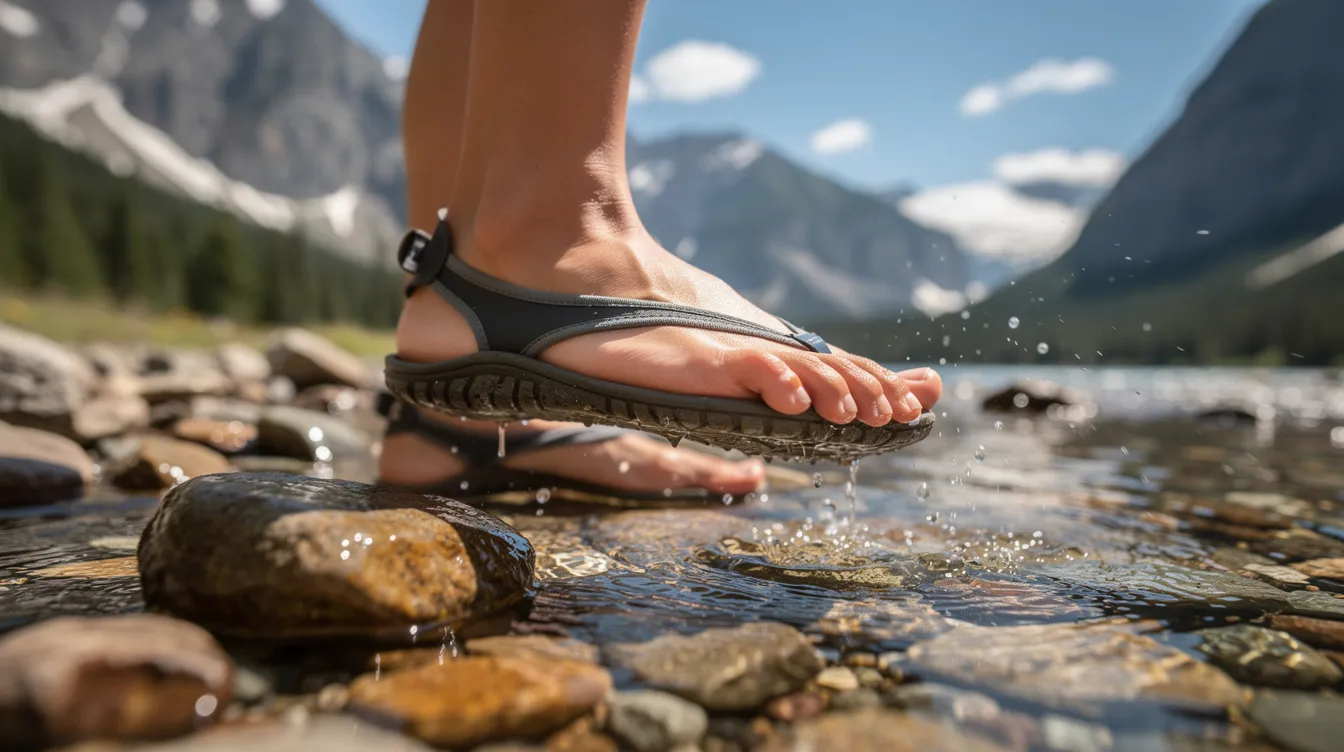
Saguaro Dive is one of the widest-fitting barefoot water shoes on the market, making it a great option for women, men, and adults with broader feet. The soft, foamy insole offers a touch more cushion than ultra-minimal models while remaining flexible and low-profile. Protection is solid enough to block sharp pebbles and occasional sea urchins on rocky Mediterranean or Caribbean shorelines and riverbanks. They feel more like a very light sneaker in the water, so swimmers will notice them more than sock-like options, but this trade-off improves protection. Ideal for campers who want one pair to handle short walks, errands, and water sport on a budget without buying separate sandals. Primarily recommend them for travel, seasonal use, and weekend adventures rather than daily urban wearing.
VIVOBAREFOOT Ultra & Hydra ESC: Premium Minimalist Water Shoes
VIVOBAREFOOT Ultra and Hydra ESC represent the premium end of barefoot water shoes. The Ultra features a perforated, cage-like design that drains instantly-perfect for hot-weather SUP, sailing, and beaches where maximum ventilation matters. VIVOBAREFOOT Ultra lasts for two full summer seasons, which justifies its higher price for regular users. The Hydra ESC is more technical, with trail-ready grip and subtle design tweaks aimed at wet, uneven terrain and adventure racing. Check the brand website or Amazon listings in 2026 for current seasonal offers. These models suit experienced barefoot shoe users, minimalist runners, and paddlers who value ground feel and foot health training. New barefoot users should transition gradually to avoid calf and arch soreness.
Skinners Comfort 2.0: Sock-Like Minimalist Shoes for Water & Camp
Skinners Comfort 2.0 provide a sock-like experience in water, blending a thin abrasion-resistant sole with a flexible upper. They excel as packable camp shoes, travel slippers, and minimalist water shoes for clean rivers and lakes where sharp rocks are limited. The thin sole offers limited rock protection-consider optional insoles or gentler environments to maintain comfort. Fit is snug around ankles and instep, best for low to average foot volume; the toe area slopes gently toward the pinky toe, suitable for narrow to medium feet. Sizing can be tricky, so check current size charts and buyer reviews on Amazon before you order. Ideal for ultralight backpackers needing a sub-4 oz camp and stream-crossing option, van lifers wanting a single pair for around camp and quick dips, and travelers after barefoot comfort in hostels.
How Barefoot Water Shoes Fit Into Your Outdoor Kit
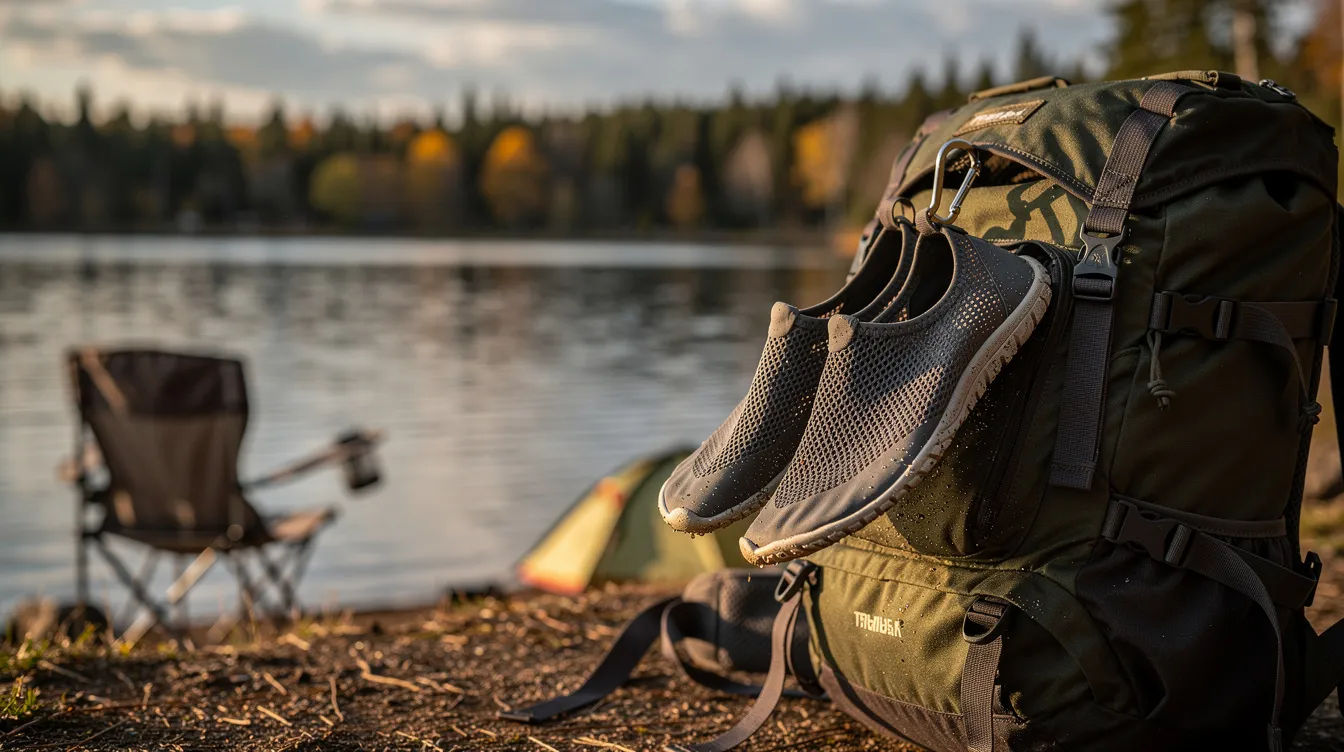
Think of your footwear system the same way you think about your sleep system: layers designed for different conditions. Most multi-day trips benefit from main hiking boots or trail runners plus a lightweight water and camp shoe. Barefoot water shoes slot in as the crossing and camp specialist-a perfect complement to the best lightweight camping shoes.
Concrete examples: a weekend backpacking trip with creek crossings where you swap into Xero Aqua X Sports at every ford; a week-long car camping trip by a lake where Saguaro Dive IIs handle morning swims and evening walks; a packrafting loop where shoes are constantly wet and must dry overnight. Ultralight hikers might choose Skinners for the weight savings, while others prefer more robust options for added security.
A safety note: always wear shoes when walking on unknown shorelines, carrying hot cookware, or stepping around tent stakes and fire rings. Match shoe choice to your main activities-swimming, SUP, fishing, canyoning, or beach camping-not just the cheapest option on your list.
Caring for Your Barefoot Water Shoes
Quick cleaning and proper drying extend lifespan and keep odor under control, especially on long road trips or thru-hikes. Research shows that outsole wear can reduce traction by 16–38%, so monitoring sole condition matters.
- Rinse in clean fresh water after every saltwater session
- Brush sand and grit out of seams before it grinds into fabric
- Avoid high-heat drying-it can delaminate soles and warp rubber
- Remove insoles (if present), loosen laces, and hang where air circulates but direct midday sun is limited
- For odor control, use mild soap or occasional vinegar soaks; make sure shoes fully dry between uses to prevent mildew
- Store in a cool, dry place during the off-season, not compressed under heavy gear
- Very thin-soled models wear faster under daily urban use, so keep them mainly for water and camp if durability is a concern
FAQ
This FAQ covers questions not fully answered above, based on what readers commonly ask about barefoot water shoes, arch support, and safety around camp and water.
Are barefoot water shoes safe for people who need arch support?
Most barefoot water shoes are designed with little to no built-in arch support to encourage natural foot mechanics. This can be beneficial for many people if they transition slowly, but those with existing foot conditions should consult a medical professional first. Practical workarounds include using thin removable insoles in models that allow it and limiting barefoot shoe use to short walks and water activities at first. Readers with severe plantar fasciitis or recent injuries may be better starting with more supportive footwear and experimenting with barefoot styles gradually.
Can I hike all day in barefoot water shoes, or should I switch at camp?
Experienced minimalist hikers comfortably do full-day hikes in models like the Aqua X Sport, but new users may prefer keeping them as secondary camp and crossing shoes. Thin soles transmit more impact on rocky trails, which can fatigue feet and calves if you are used to cushioning. Start with short day hikes and increase time gradually, keeping a traditional hiking shoe as backup on big trips. For heavily loaded backpacking, many people still prefer slightly thicker shoes while using barefoot water shoes mainly around camp and in water.
Do barefoot water shoes keep sand and pebbles out?
Designs vary. Snug sock-like models with neoprene collars do better at sealing out fine sand than wide, open-mesh designs. No shoe is perfect in surf or very silty rivers, but higher collars and tighter ankle cuffs reduce debris entry. If you hate sand inside your shoes, prioritize models with elastic ankle gaskets and rinse feet frequently during beach days.
Are barefoot water shoes warm enough for cold lakes and shoulder seasons?
Most mesh-based barefoot water shoes are designed for warm to mild conditions and will feel cold in glacial rivers or spring snowmelt. Pair them with thin neoprene socks or choose thicker, more enclosed models for cooler water. For serious cold-water sports like whitewater kayaking in snowmelt, treat these as part of a layered system rather than your only insulation.
Can barefoot water shoes replace flip-flops or camp sandals?
Absolutely. Barefoot water shoes can easily replace flip-flops for camp and shower use, offering better protection from sharp objects, hot ground, and insects. Compared with open sandals, closed water shoes dry a bit slower but protect better from debris and stubbed toes. Weight-conscious backpackers should consider a single pair of barefoot water shoes as both camp footwear and stream-crossing shoes instead of carrying separate sandals. Check our ultimate guide to lightweight camping shoes for more options.
Member discussion