
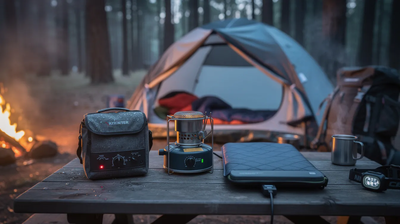
A frozen tank, stiff oil pan, or icy sleeping bag can turn a good winter trip into a problem. Pad heaters give campers, vanlifers, and overlanders targeted warmth without heating an entire tent, garage, or cabin.
Quick Answer: What Are Pad Heaters & Which Ones Campers Should Buy First?
Pad heaters are flexible, flat devices designed to generate and apply controlled warmth to a localized surface. Most pad heaters convert electrical or chemical energy into thermal energy, making them useful for people, gear, pets and reptiles, vehicles, and winter camp systems.
Common outdoor uses include:
- Keeping a camper van diesel tank usable at -10 °F in Colorado.
- Pre-warming a rooftop tent mattress before sleep in Montana.
- Helping engine oil flow before a January start in Minnesota.
- Using USB pads in a sleeping bag footbox on a chilly Rockies trip.
First buys we recommend:
- 12V silicone heating pads for vehicle fluids.
- Mains-powered electric heating pads for recovery at home or in cabins.
- Small USB heating pads for camp, trail, and jacket use.
padded camping chair may earn a commission from amazon purchases. Our picks are based on hands-on testing or verified user feedback, not paid brand sponsorships.
How Pad Heaters Work (Without the Jargon)
Most consumer and industrial pad heaters rely on electric currents. Pad heaters operate based on Joule heating or resistive heating: current passes through a resistive element, gets hot, and spreads warmth through the pad.
- Heat moves from the internal heating element to the outer casing and transfers to the skin or surface primarily through conduction.
- Typical construction: silicone or fabric shell, Nichrome wire, carbon fiber, micro metal conductive fiber, then insulation or adhesive backing.
- AC household heating pads usually use 110–120V in the US; DC pads use 5V USB, 12V vehicle power, or 24V systems.
- Pad heaters offer targeted, efficient surface heating across industrial, automotive, and laboratory applications.
- Pad heaters provide precise, localized thermal regulation for medical diagnostic equipment and fluid warming trays.
- Body heating pads often reach 130–140 °F in 5–10 minutes.
- Silicone pads on metal tanks may need 20–60 minutes, depending on wattage, voltage, and cold ambient air.

Types of Heating Pads for Outdoor and Vehicle Use
- Soft electric heating pads: Used for pain relief, sleeping bag pre-warm, and cabin comfort. They may use microplush, flannel, machine-washable covers, and 12"×24" formats.
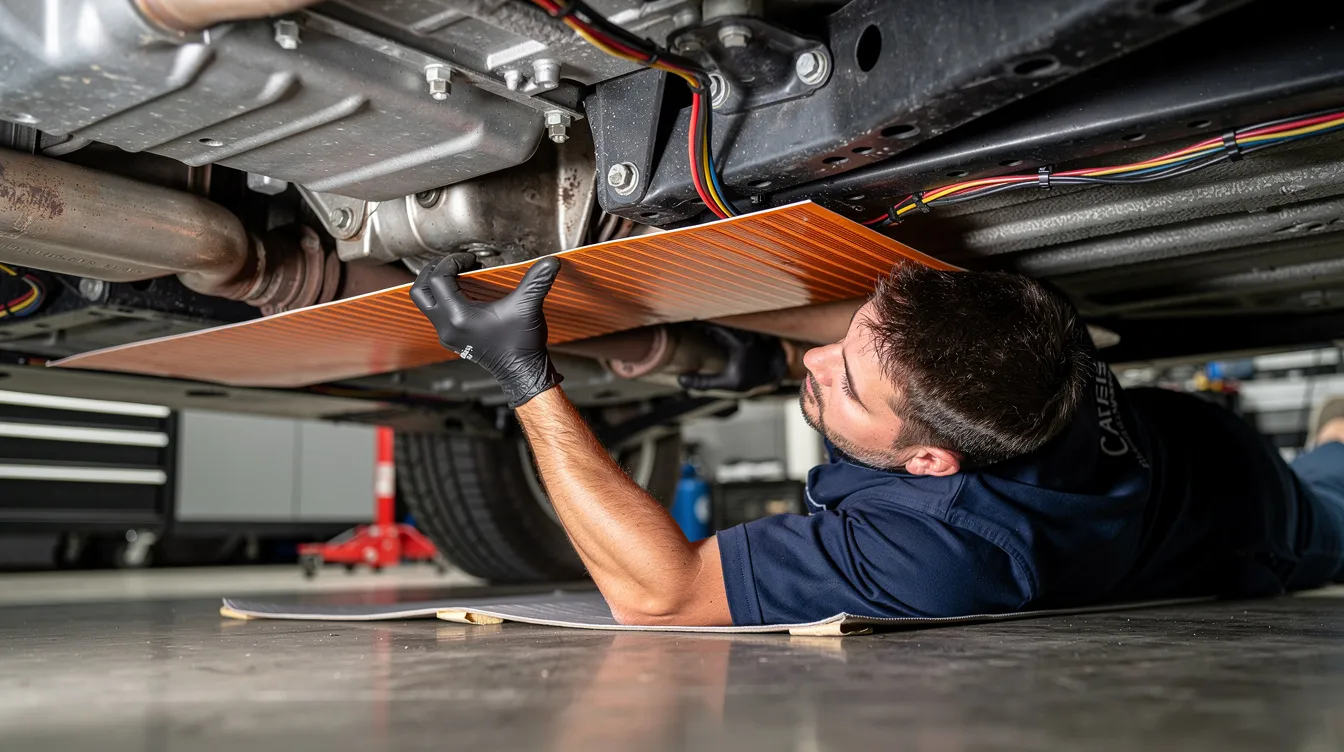
- Silicone heating pads: Also called silicone rubber pad heaters, these are designed for oil pans, diesel tanks, water tanks, and battery boxes. Silicone heating pads are designed to provide warmth to areas with fluid susceptible to freezing or thickening, making them ideal for cold weather applications.
- DC-powered heating pads: DC powered heating pads are low power, flexible, and ideal for near-body heating applications, such as hand-warmers and heated garments. Think 5V USB, 12V seats, and 7.4V clothing inserts.
- Stick-on vs strap-on pads: Adhesive pads suit permanent installs; strap-on or Velcro pads work when you need temporary contact. Flexible geometry allows pad heaters to contour to curved surfaces for better heating.
Best Uses of Pad Heaters in Camping, Overlanding, and Vanlife
Frozen water jugs at 10 °F, diesel gelling at -15 °F, and cold-soaked backs in camp chairs are exactly where heating pads make sense. The key is matching the heater to the job.
- Use silicone pads on engine oil pans or transmission pans to improve cold starts. Pad heaters are also widely used in industries to keep automotive engines warm in freezing weather, and pad heaters are used in automotive applications for engine warming in cold climates, ensuring smoother engine starts.
- Add RV tank pads for fresh or gray water tanks during November trips in Yosemite or winter camping in Alberta.
- Use low-voltage mattress pads in rooftop tents, but avoid direct skin contact at max settings.
- Add 12V seat or backrest pads to hunting, fishing, or stock camp chairs.
- Use USB items inside jackets, pockets, or sleeping bag footboxes; check battery-bank weight before backpacking.
Shopping Guide: How to Choose the Right Pad Heater
- Match power source: 120V shore power, 12V vehicles, 24V rigs, or 5V USB power banks.
- Match size: 4"×5" oil-pan pads heat small metal surfaces; 18"×24" pads spread gentler warmth across bedding.
- Look for temperature range controls, thermostats, or thermal switches instead of single-temperature “always on” products.
- Electric heating pads are energy efficient and designed for direct heat transfer, making them suitable for various applications and industries.
- Choose IP-rated silicone products for under-vehicle use and fabric pads with reinforced strain relief for cabins or tents.
- Pick adhesive-backed, magnetic, strap-on, or cigarette-lighter plug-in styles in order of how permanent the setup should be.
- Check UL, ETL, or CSA labels, plus printed maximum surface temperature information.
Safety: Using Heating Pads Without Melting Gear or Draining Batteries
Pad heaters are generally safe, but misuse can result in burns, melted gear, or dead batteries on a cold morning. This is where labels, timers, and first-use monitoring matter.
- For extended skin contact, stay near 105–110 °F; 130–140 °F is for brief use, not bare-skin sleeping.
- Many heating pads are designed with safety features such as automatic shutoff, which typically activates after two hours of use to prevent burns and fires.
- Use thermostats or thermal fuses on plastics, fuel tanks, and composites.
- A 100W 12V pad draws about 8.3A; run for 3 hours, it uses about 25Ah from a 100Ah AGM battery.
- 50–150W oil-pan heaters need real power planning; 20–40W USB body pads suit smaller batteries.
- Avoid overlapping pads, sharp edges, and trapped heat unless the product is designed for it.
- Medical guidance warns that prolonged high heat can damage skin; see this heat-contact safety discussion.
Installation Tips for Silicone Heating Pads on Vehicles and RVs
Silicone pad heaters are popular DIY upgrades on 4x4 trucks, RVs, and diesel vans. Installation quality decides whether the heat transfers well or peels off early.
- Clean oil pans and tanks with degreaser and isopropyl alcohol; many adhesive pads bond best above manufacturer minimums, often around 40–50 °F, with stronger bonding over 24–72 hours.
- Place pads low on pans or tanks, away from drain plugs, moving parts, and folds.
- Maintain complete contact with no air gaps.
- Route cables with zip ties or clamps, away from hot exhaust and metal edges.
- Add fuse protection slightly above expected current draw and weather-resistant connectors.
- If 120V or 12V wiring is not clear, hire a mechanic or RV technician. Manufacturer PSA guidance, like adhesive heater installation notes, is worth reading.
Best Heating Pad Features for Camp Comfort and Recovery
Soft household-style heating pads are useful after long drives, ski days, and heavy-pack hikes. Pad heaters are commonly used in healthcare and personal wellness to relieve muscle pain and stiffness.
- Medical heating pads applied to the body induce vasodilation, increasing localized blood flow, oxygen, and nutrients to relax stiff muscles or joints.
- Advanced therapeutic pads use carbon fiber elements to emit far-infrared light, penetrating deeper into muscles and tissues.
- Heating pads can have multiple heat settings, with some models offering up to six levels of heat for customizable comfort.
- Heating pads can be made from various materials, including microplush fabric, which provides a soft touch while also being breathable to prevent overheating.
- Choose rectangles for backs, XL pads for legs, and wrap styles for knees or necks.
- Long cords, simple controls, and 2-hour auto-shutoff help in cabins.
- Keep therapeutic pads indoors or protected from tent condensation.
Power Planning: Running Heating Pads from Batteries, Solar, and Shore Power
- Use shore power for high-wattage AC pads, weather-protected cords, and RV hookups.
- A 100W silicone pad for 3 hours uses about 300Wh, or roughly 25Ah at 12V.
- Solar mainly recharges batteries by day; 200W of solar may replace a few hours of pad use on a sunny winter day.
- Power stations work with household pads, but inverter losses reduce runtime; check watts and watt-hours.
- Backpackers should use low-power USB pads, chemical warmers, or more insulation.
Recommended Pad Heater Categories for Outdoor Enthusiasts
- Engine and Oil Pan Silicone Heating Pads: for trucks, SUVs, and vans parked below 10 °F.
- RV and Camper Tank Heating Pads: 12V stick-on tank warmers with thermostats.
- XL Heating Pads for Recovery: large microplush AC pads with multiple settings.
- USB and 12V Heating Pads for Camp Comfort: seat, backrest, and footbox pads.
- Ultralight Backpacking Heating Options: low-power USB pads, only when insulation is not enough.
Frequently Asked Questions About Heating Pads and Silicone Pad Heaters
Many readers ask the same questions before adding heating pads to a kit.
- Question: Can silicone heating pads stay on overnight? / Answer: Only if thermostat-controlled, correctly fused, and powered without draining the starter battery.
- Question: Is it safe to sleep on a heating pad all night? / Answer: Usually no; avoid long high-heat contact on bare skin and follow manufacturer instructions.
- Question: Can I use heating pads inside tents? / Answer: Yes with care: manage condensation, route cords safely, and prefer DC over AC in damp areas.
- Question: How long do heating pads last? / Answer: Consumer pads often last 3–5 years; quality silicone units can last multiple seasons when installed well.
- Question: Are pads more efficient than space heaters? / Answer: For targeted tasks, yes. High thermal efficiency of pad heaters minimizes heat loss due to direct contact.

Sources, Testing Methods, and How Padded Camping Chair Chooses Heating Pads
padded camping chair uses field testing, long-term reviews, and safety guidance to decide what to recommend.
- Field tests include sub-freezing truck camping in 2025–2026 across Colorado, Montana, and New Hampshire.
- Lab checks include surface temperature, watt draw, cord strain relief, and connector quality.
- We cross-check claims with UL, ETL, CSA labels, customer reviews, and watt-density guidance such as Tempco heater engineering data.
- Amazon affiliate commissions help fund testing and do not influence which models we recommend.
- Before you buy, decide what you need to warm, how long it must run, and what power source you trust in the cold.


Member discussion