
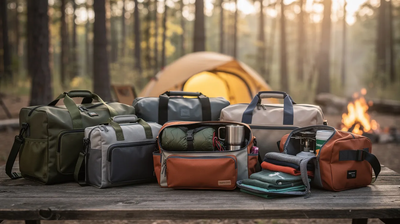
When it comes to emergency preparedness, having the best to go bags is essential for ensuring safety and survival during unexpected situations. A to go bag, also known as a grab bag, is a key part of any emergency plan, providing a pre-packed, easily accessible collection of vital items for quick deployment in urgent scenarios. This guide is for anyone looking to prepare for emergencies, from beginners to experienced preppers. Whether you face natural disasters, power outages, or other crisis situations, a well-packed emergency bag can make all the difference. We will cover what to look for in a go bag, essential items to include, and tips for packing effectively.
Bug out bags, also known as go bags or 72-hour bags, are designed to provide essential supplies for short-term emergencies, typically lasting up to three days. A Bug Out Bag (BOB) is a portable survival kit designed for short-term emergencies, typically packed in a backpack for easy transport, and is meant to sustain you for at least 72 hours during an evacuation.
What Is a To Go Bag?
Bug out bags, also known as go bags, grab bags, or 72-hour bags, are designed to provide essential supplies for short-term emergencies, typically lasting up to three days. According to the US Department of Homeland Security's ready.gov, these bags should be packed with emergency supplies based on trusted preparedness recommendations. A Bug Out Bag (BOB) is a portable survival kit designed for short-term emergencies, typically packed in a backpack for easy transport, and is meant to sustain you for at least 72 hours during an evacuation. FEMA recommends including a minimum of 1 gallon of water per person per day for emergency preparedness, which is essential for both drinking and hygiene. Ensuring your bag contains all necessary emergency supplies is crucial for staying safe in any situation.
Emergency go bags are categorized into pre-packed multi-day survival systems and customizable backpacks. A survival system refers to a comprehensive kit that includes multiple gear components designed for emergency situations, offering organization, ease of use, and support for one or more people.
These kits are designed to provide you with all the essential items you need to sustain yourself for at least 72 hours in an emergency scenario, including reliable shelter options such as emergency tents and survival shelters. Customizable backpacks allow you to tailor your gear to your specific needs, while other bags may differ in organization, features, and overall quality, making it important to compare options based on your requirements.
There are various types of bug out bags, including one-person bags, two-person bags, and family-sized bags, each tailored to the number of people they need to support during an emergency. Bug out bags can also be categorized based on their intended use, such as urban bug out bags designed for city environments and rural bug out bags focused on wilderness survival.
Transitioning from understanding what a to go bag is, let's explore why having an emergency kit is so important.
The Importance of Emergency Kits
An emergency kit is more than just a collection of supplies—it’s a lifeline during an emergency situation. These kits can be tailored to meet the unique needs of each individual or family, taking into account age, health conditions, and mobility. Regularly reviewing and updating your emergency kit ensures that all items remain current and effective, providing peace of mind and a sense of security when disaster strikes.
Now that you understand the importance of emergency kits, let's break down the essential items you should include in your to go bag.
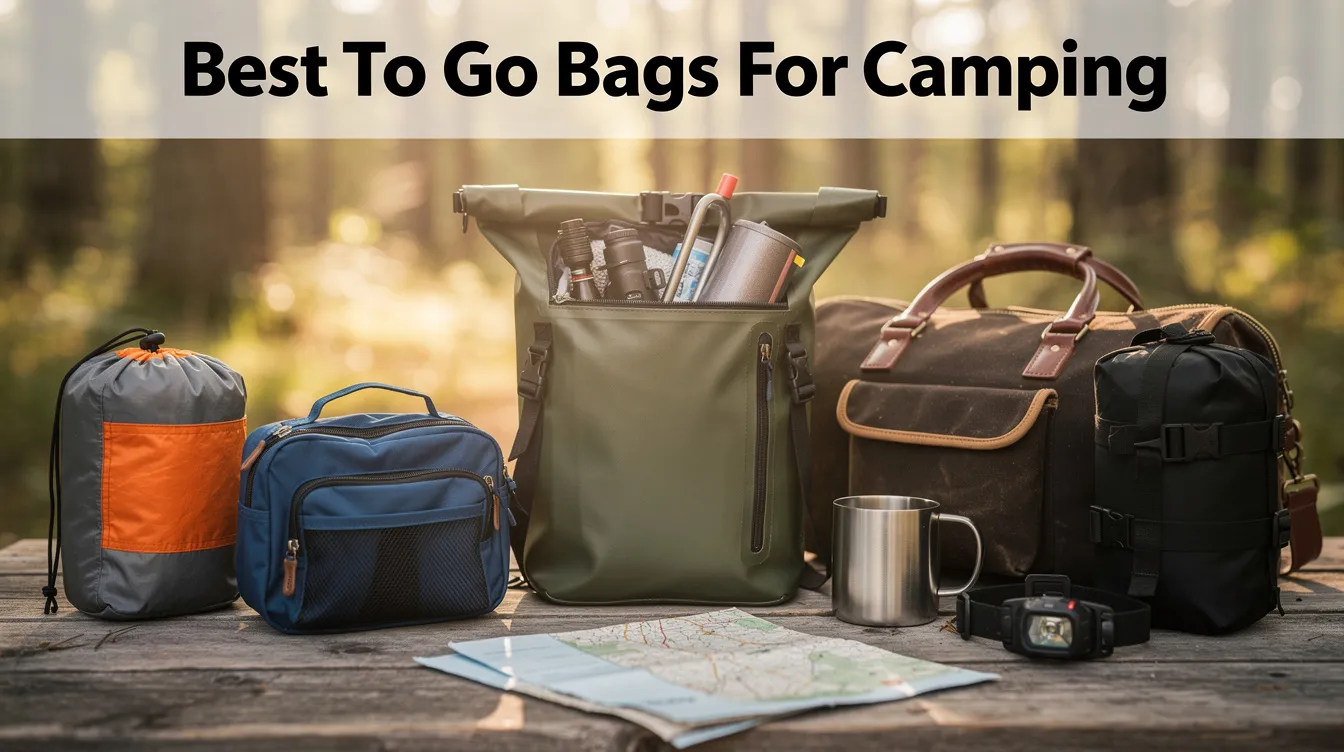
Top To-Go Bag Items
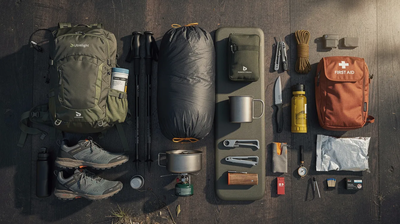
The best to-go bags should include the following essential items to ensure preparedness and survival in emergency situations:
- First aid kit with essential medical supplies, including metal tweezers
- Emergency blankets, such as Mylar blankets and warm wool blankets
- Sleeping bag and sleeping pad for rest and insulation
- Durable water bottle or canteen to maintain hydration
- Multi-tool and other essential camping tools for versatility
- Duct tape for repairs and emergency uses
- Garbage bags for waste management and makeshift shelter
- Energy bars and nonperishable food items for sustenance
- Backup battery and power bank to charge electronic devices
- Cell phone for communication and emergency alerts
- Hand sanitizer and personal hygiene items for sanitation
- Paper towels for cleaning and hygiene
- Clothing suitable for the environment and weather conditions
- Tarps or plastic sheeting for shelter and protection
- Can opener for opening canned food supplies
Additionally, ensure you include at least 1 gallon of water per person per day, along with portable water purification methods like filtration systems and chemical purifiers. Prioritize lightweight, durable, and multi-use items to keep your bag manageable and effective.
Essential Items to Include
A high-quality to go bag typically includes critical supplies such as:
- First aid kit with essential medical supplies (with higher-quality gear like metal tweezers)
- Emergency blanket (mylar blankets and warm blanket)
- Wool blanket
- Sleeping bag
- Sleeping pad
- Water bottle or durable canteen for hydration
- Multi tool and other essential camping tools
- Duct tape
- Garbage bags
- Energy bars
- Backup battery and power bank (for charging your cell phone)
- Cell phone
- Hand sanitizer
- Paper towels
- Personal hygiene items
- Other gear (such as clothing, tarps, and tools)
It’s essential to ensure your water supply is adequate—plan for at least 1 gallon of water per person per day for drinking and hygiene. Always include a method for purifying found water, as municipal supplies may be cut off or contaminated in emergencies.
Portable filtration systems and chemical purifiers are crucial for treating found water. While chemical purifiers can take hours to work, portable filters are a more practical and immediate solution. When storing water, use containers that seal well; avoid using empty milk, juice, or soda containers unless they are thoroughly cleaned, as they can harbor bacteria.
When preparing a Bug Out Bag, prioritize environmental protection, water purification, food supplies, sleeping gear, and first aid. Keep your bag lightweight—ideally under 25-30 lbs—and choose a bag with a capacity of 30L to 50L to avoid overpacking and carrying too much gear. Using less gear and a small bag can improve manageability and reduce injury risk, while a big bag may be necessary for family members or longer trips, but can become cumbersome if overloaded.
Look for bags made from high-denier nylon (500D to 1000D) for durability and resistance to tearing. Hydration readiness is important, so select bags with compartments for hydration bladders and routing ports for drinking tubes, as well as built-in sleeves for hands-free drinking. Weather protection features like water-resistant coatings and dedicated backpack rain covers for ultimate protection are also valuable.
Heavy-duty go bags should have heavily padded shoulder straps, a sternum strap, and a supportive waist belt for proper load distribution and comfort, especially if you need to carry the bag for extended periods. An ideal bug out bag backpack capacity is around 50 liters, which is suitable for essential gear for one or two people. Comfort and weight distribution are crucial for long carries, so look for bags with ergonomic designs.
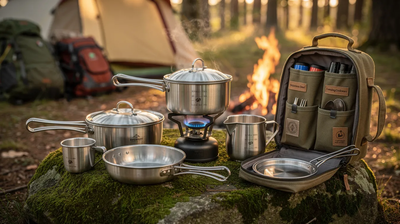
Include bedding such as a sleeping bag, sleeping pad, warm blanket, and wool blanket, as well as tools like a multi-tool, duct tape, and other gear, and consider lightweight options like backpack hammocks and complete hammock sleep systems alongside compact camping mess kits for cooking and meals. Don’t forget backup battery and power bank for charging your cell phone, and always include personal hygiene items, hand sanitizer, and paper towels for sanitation.
Balance is key—avoid too much gear that can make your bag heavy and difficult to organize, but don’t skimp on essentials. Consider the needs of all family members and whether you need a home bag for long-term preparedness. Rapid-access organization, such as clamshell openings and multiple pockets, helps you quickly find what you need in an emergency.
Now that you know what to pack, let's look at how to choose the best bag for your needs.
How to Choose the Best To Go Bag
Choosing the best to go bag means considering factors like:
- Durability
- Ease of access
- Capacity (Look for an internal frame and adjustable frame to improve comfort, fit, and weight distribution, especially for extended carries.)
Types of bags to consider include:
- Tactical backpacks (popular for their rugged construction and MOLLE webbing for attaching additional gear)
- Duffel bags (offer spacious storage for family-sized emergency kits) and chest bags for quick-access essentials
A tactical backpack with a hip belt and waist belt helps distribute weight more evenly, enhancing comfort and portability during long evacuations. Packing cubes and organized compartments ensure quick access to critical items when every second counts.
Comfort is crucial in a bug out bag backpack, as you may need to carry it for extended periods—ideally, your bag should be lightweight and portable, weighing no more than 25-30 pounds. When choosing a bug out bag, consider waterproofing and weight distribution to maximize comfort and functionality during an evacuation. The best bug out bags for 2025 and beyond combine capacity, organization, durability, and comfort, making them reliable choices for a variety of emergency scenarios.
What This Guide Covers
In this guide, we’ll explore the top to go bags available, what essential items to include in your emergency kit, and tips on how to pack your bag effectively for any emergency situation. The vast majority of people can affordably assemble a basic to go bag with accessible, budget-friendly items. We will cover what to look for in a go bag, essential items to include, and tips for packing effectively. When considering water purification, it's important to know that a rolling boil for a few minutes is one of the most reliable ways to eliminate viruses and pathogens if filtration or tablets are unavailable. Even a few hours of preparedness can make a significant difference in an emergency situation. Being prepared with the right to go bag is a crucial step in disaster preparedness and can provide peace of mind knowing you have all the supplies to handle a crisis.
Let’s get started on building your emergency preparedness plan.
FAQ: Best To Go Bags
Q1: What is the ideal capacity for a to go bag?
A1: The ideal capacity for a to go bag is typically between 30 to 50 liters. This range balances enough space to carry essential survival gear and supplies for one or two people while keeping the bag manageable and portable.
Q2: How much water should I include in my to go bag?
A2: It is recommended to include at least 1 gallon of water per person per day in your to go bag, covering drinking and hygiene needs. For a 72-hour emergency, plan for at least 3 gallons per person or include water purification tools to treat found water.
Q3: Should I buy a premade kit or assemble my own to go bag?
A3: While premade kits offer convenience, assembling your own to-go bag allows for customization to fit your specific needs, preferences, and environment. Premade kits can be a good starting point but may require additional items or replacements for quality.
Q4: What are the most important items to include in a to-go bag?
A4: Essential items include water and purification supplies, nonperishable food, a first aid kit to handle minor injuries, emergency blankets, durable clothing, sturdy shoes, a multi-tool, a flashlight, important documents, and personal hygiene products.
Q5: How can I keep my to go bag organized for quick access?
A5: Use bags with multiple interior pockets, clamshell openings, and packing cubes to organize gear by category. Labeling compartments and storing items in clear pouches can help you find critical supplies quickly during an emergency.
Q6: How heavy should a to-go bag be?
A6: Aim to keep your to-go bag under 25 to 30 pounds to ensure it remains portable and comfortable to carry, especially if you need to evacuate on foot. Prioritize lightweight, multipurpose gear to reduce overall weight.
Q7: Are tactical backpacks the best choice for a go-to bag?
A7: Tactical backpacks are durable and offer MOLLE webbing for attaching extra pouches, but they can be conspicuous. For urban environments, consider more discreet designs. Comfort, durability, and organization should guide your choice.
Q8: How often should I update my to-go bag contents?
A8: Review and update your to-go bag at least twice a year. Check expiration dates on food, water, and medical supplies, and replace items as needed to ensure everything remains functional and ready for use.
Q9: Can I share items across multiple bags for family preparedness?
A9: Yes, sharing items like tools, cooking gear, and shelter supplies across family members’ bags can reduce weight and redundancy. However, personal items like medications and clothing should be packed individually.
Q10: What survival skills complement having a to-go bag?
A10: Basic survival skills such as water purification, first aid, shelter building, fire starting, and navigation enhance the effectiveness of your to go bag and increase your chances of staying safe during an emergency.

Member discussion