
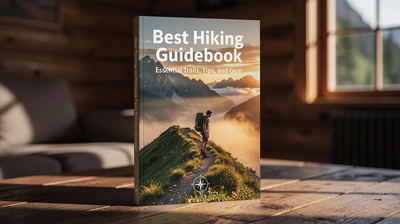
Choosing the right hiking guidebook can make all the difference in planning your hiking adventure. A well-written hiking guide book not only provides detailed maps and trail descriptions but also offers useful tips on gear, safety, and the natural history of the area. Whether you are planning day hikes or a thru hike, a definitive guide can help you decide on the best route, understand the terrain, and prepare for weather conditions. Often, your journey begins by driving your car to a remote park or trailhead, so considering parking options is an essential part of your planning. For many folks, the dream of exploring new landscapes starts with the simple idea of opening a guidebook and imagining the quest ahead.
For example, guide books covering famous trails like the Appalachian Trail or the Wicklow Way offer in-depth knowledge about the course, including parking, permits, and local amenities. The Wicklow Way is Ireland's oldest waymarked trail, established in 1980, spanning 127km from Dublin through the heart of Wicklow to Clonegal in Carlow. Many of these guidebooks include high-quality maps with elevation contours, detailed forms of the landscape, and clear directions in a particular order to make navigation easier. The best hiking guidebooks should also feature contours, elevation details, and photographs of difficult trail intersections, so you don’t get lost at a confusing fork or among the rocks and trees. Each page may highlight interesting features or provide technical data to help you gauge if a trail matches your ability, including distance, elevation, difficulty ratings, and required permits. In summer, some guides even suggest the best time to walk for vibrant scenery or unique experiences like stargazing in Mexico or the UK.
Beyond practical information, hiking guidebooks often reflect the history and culture of the trail, enriching your sense of adventure and connection to nature and life itself, much like the stories found in the best hiking books that explore personal journeys and wilderness. The Wicklow Way Map Guide by Barry Dalby is praised for providing necessary maps and historical snippets, making it a valuable resource for those who want to notice the details and explore the story behind the trail. Some guidebooks focus on specific regions or types of hiking, such as mountain treks, family-friendly walks, or wild nature exploration—Mountaineers Books is known for detailed, regional hiking guides. Others provide advice tailored to women hikers, hiking with a child, or those seeking a lighter pack and the best hiking work boots for comfort and support on the trail. Guidebooks can help families plan safe and fun outings, offering ideas for engaging children and overcoming the fear of the unknown, while the best outdoor books for adventure seekers can inspire new destinations and deeper appreciation for wild places.
When selecting a hiking guidebook, consider your level of experience, the type of terrain, and your personal interests. High-quality guides often include species identification, wildlife safety information, and specific distance requirements for local animals, helping you avoid dangerous plants and animals and contributing to safety on the trail; combining this with practical tips to surviving in the wild further boosts your confidence outdoors. Look for books that cover safety tips, food planning, and gear recommendations, including essential tools for camping and building a reliable outdoor toolkit, as well as those that connect you with the hiking community through websites or forums. Always check official land management websites to verify safety alerts and regulations before you head out. A reliable guidebook provides precise technical data, including distance, elevation, difficulty ratings, and required permits, so you can form a plan that matches your ability and avoid getting lost. Notable examples include John Brierley's 'A Pilgrim's Guide to the Camino De Santiago' for its realistic walking durations and easy-to-follow maps, and the Tour du Mont Blanc guidebook by Kev Reynolds for detailed descriptions and maps. Wait—don’t forget to adjust your backpack straps at your head and shoulders for comfort before you walk out the door. Ultimately, a good hiking guidebook is more than just a collection of maps—it’s a smart companion that helps you create memorable experiences, overcome fear, and safely enjoy the outdoors on your next adventure, whether your quest is to explore a new park, marvel at a tree, or simply turn the page to your next chapter in life.
Features of a Good Hiking Guidebook
A truly great hiking guidebook is your trusted companion on any hiking adventure, whether you’re tackling a legendary trail like the Appalachian Trail or exploring a hidden gem closer to home. The best guidebooks stand out for their detailed maps, which help you visualize the trail and plan your route with confidence. Look for guidebooks that offer turn-by-turn trail descriptions, highlighting key intersections, water sources, and notable landmarks—these details can make all the difference when you’re deep in the woods or navigating rocky hills.
Safety is another crucial feature. A reliable hiking guidebook will include up-to-date information on trail conditions, weather patterns, and potential hazards, along with useful tips for staying safe in the outdoors. Recommendations on essential gear, clothing, and nutrition are also invaluable, helping hikers of all experience levels pack smart and travel light.
Organization matters, too. The best guidebooks are easy to follow, with clear headings, concise language, and information presented in a logical, particular order. Region- or trail-specific guidebooks provide the most accurate and relevant knowledge, ensuring you’re prepared for the unique challenges and rewards of your chosen adventure. Whether you’re planning a day hike or a multi-week thru hike, a well-crafted hiking guidebook covers everything you need to know—so you can focus on the fun, freedom, and sense of accomplishment that comes with exploring the trail.
Hiking Guidebook Glossary
Navigating the world of hiking guidebooks is easier when you’re familiar with the common terms and concepts you’ll encounter. Here’s a handy glossary to help you get the most out of your next adventure:
- Thru-hike: Completing an entire trail from start to finish in one continuous journey, often spanning weeks or months.
- Day hike: A hike completed within a single day, perfect for exploring nature without overnight gear.
- Trailhead: The official starting point of a hiking trail, usually marked with a sign or map.
- Map scale: The ratio that shows how distances on the map correspond to real-world distances on the trail.
- Elevation gain: The total vertical distance you’ll climb during your hike, measured in feet or meters.
- Switchback: A zig-zag section of trail designed to make steep climbs more manageable.
- Summit: The highest point of a mountain or hill—often the goal of your hike!
- GPS: Global Positioning System, a navigation tool that helps hikers track their route and location.
- Bear bag: A special bag used to store food and scented items safely away from wildlife.
- Trail marker: Signs, blazes, or symbols that guide hikers along the correct route.
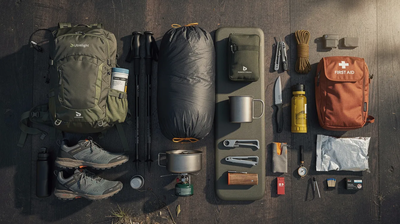
- Hiking gear: Essential equipment like backpacks, boots, and trekking poles that make your hike safer and more comfortable.
- Backcountry: Remote, undeveloped areas far from roads and crowds, offering a true sense of wilderness.
- Wilderness area: Protected natural land with limited human impact, often requiring special permits or rules.
- Peak bagging: The challenge of reaching the summits of multiple mountains, often tracked as a personal achievement.
- Trail running: Running on hiking trails for exercise or competition, blending speed with adventure.
- Geocaching: A treasure-hunt activity using GPS to find hidden containers along the trail.
- Orienteering: Navigating a course using a map and compass, testing your skills and sense of direction.
- Hiking poles: Poles that provide extra stability and support, especially on rough or steep terrain, similar in function to the best walking sticks for stability and confidence on trails.
- Hiking boots: Durable, supportive footwear designed for the demands of the trail.
- Hiking socks: Specialized socks that wick moisture and prevent blisters, keeping your feet happy mile after mile.
- First aid kit: A collection of medical supplies for treating minor injuries or emergencies on the trail.
- Headlamp: A hands-free light source for hiking in low-light or nighttime conditions; choosing from the top headlamps for hiking adventures can make night travel safer and easier.
- Water purification tablets: Tablets that make natural water sources safe to drink, a must for backcountry hikes.
- Food storage: Methods and containers for keeping food safe from animals and the elements.
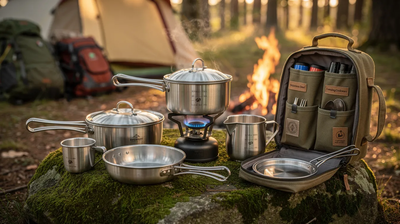
- Camp stove: A portable stove for cooking meals in the outdoors, essential for longer trips and often paired with a compact camping mess kit for efficient outdoor cooking.
- Tent: Your portable shelter for overnight adventures, designed to keep you dry and comfortable.
- Sleeping bag: An insulated bag for sleeping outdoors, chosen for warmth and weather resistance.
- Backpack: The main bag for carrying all your hiking essentials, with compartments for organization.
- Navigation: The art of finding your way using maps, compasses, and GPS devices.
- Weather forecast: Predictions that help you plan for changing conditions and stay safe on the trail.
- Avalanche safety: Knowledge and equipment for avoiding and responding to avalanches in snowy mountain areas.
- Wildlife awareness: Tips and precautions for safely sharing the trail with animals, from bears to snakes.
- Hiking etiquette: Guidelines for respecting fellow hikers, wildlife, and the natural environment.
- Leave no trace: Principles for minimizing your impact and preserving the beauty of nature for others.
- Hiking community: The network of hikers who share advice, stories, and support—online and on the trail.
- Hiking apps: Digital tools for navigation, trip planning, and tracking your progress.
- Hiking websites: Online resources for trail information, gear reviews, and connecting with other hikers.
- Hiking blogs: Personal accounts and tips from hikers who share their adventures and insights.
- Hiking social media: Platforms where hikers post photos, stories, and connect with the broader community.
- Hiking forums: Online discussion boards for sharing questions, answers, and planning ideas.
- Hiking groups: Local or online communities that organize hikes, events, and meetups.
- Hiking events: Organized activities like festivals, workshops, and group hikes that bring hikers together.
- Hiking workshops: Educational sessions focused on skills, safety, and gear for hikers of all levels.
- Hiking festivals: Celebrations of hiking culture, often featuring music, food, and outdoor fun.
- Hiking conferences: Gatherings for sharing knowledge, networking, and learning from experts in the hiking world.
With this glossary at your fingertips, you’ll be ready to dive into any hiking guidebook, plan your next adventure, and join the vibrant hiking community with confidence and knowledge.
FAQ On Hiking Guidebook
- What should I look for in a good hiking guidebook? A good hiking guidebook should include detailed maps with contours and elevation, clear directions, trail difficulty ratings, distance, permit requirements, and safety tips.
- Are hiking guidebooks useful for beginners? Yes, hiking guidebooks provide essential information on gear, trail navigation, safety, and natural history, making them valuable for hikers of all experience levels.
- Can hiking guidebooks help with wildlife safety? Absolutely. Many guidebooks include species identification and advice on avoiding dangerous animals and plants.
- Do guidebooks cover parking and permits? Yes, comprehensive guidebooks often include details on parking options, permit requirements, and trailhead locations.
- Are there guidebooks suitable for family hikes with kids? Yes, some guidebooks offer advice and trail suggestions suitable for families and children.
Member discussion