
Key Takeaways
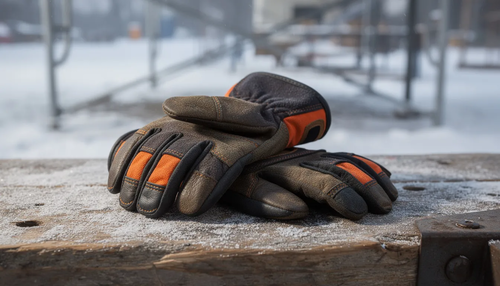
- Winter work gloves must balance warmth, dexterity, and protection for real job sites, performing reliably from about 20°F down to extreme sub-zero conditions where frostbite becomes a genuine risk.
- The majority of winter work gloves are designed to keep hands warm and dry in cold conditions, providing essential warmth and protection for outdoor jobs in harsh winter environments.
- Different tasks demand different glove designs: warehouse freezer work requires heavily insulated extended-cuff gloves, outdoor construction calls for abrasion-resistant leather with mid-weight insulation, and protein processing benefits from wool-blend grips that stay warm when damp.
- Materials like insulated leather, dual-layer synthetics, wool blends, and dipped grips directly affect warmth, durability, and grip performance in snow, ice, and wet conditions.
- Modern features such as touchscreen compatibility, impact and cut protection, and 3-finger or mitt designs that trade dexterity for extra warmth have become standard for serious cold weather work.
- Many professionals use combinations—liners under insulated gloves, or nitrile under leather—and often keep 2–3 specific pairs for different temperatures and tasks throughout the day.
Introduction: Why Winter Work Gloves Matter
Picture this: it’s January, wind cutting across an open construction site at 15°F, and you’re handling rebar with gloves that keep slipping. Or you’re pulling stock in a -10°F freezer warehouse for an eight-hour shift. Maybe you’re doing early-morning farm chores in freezing rain, fingers so numb you can barely work a gate latch. These aren’t edge cases—they’re everyday realities for millions of people who work hard through winter.
Regular winter gloves designed for skiing or walking the dog often fail spectacularly on job sites. They lack the cut resistance needed for handling metal, the grip required for wet lumber, and the durability to survive contact with tools, machinery, and rough materials. A pair of fleece-lined fashion gloves won’t protect your fingers when you’re wrestling with frozen banding or pulling pallets in a cold storage facility.
Winter work gloves become critical across a wide temperature range—roughly 32°F down to -20°F and below. But raw temperature only tells part of the story. Wind, moisture, and contact with cold metal make your hands feel dramatically colder than the thermometer suggests. A 25°F day with 20mph wind and wet snow can be harder on your fingers than a calm -5°F morning.
The majority of winter work gloves are designed to keep hands warm and dry in cold conditions, providing warmth and protection for outdoor jobs in cold environments.
This article walks through the specific types of winter gloves built for real work, the key features that separate good ones from disposable junk, and how to choose the right pair (or pairs) for your environment. Here’s what you need to know:
- Understanding the difference between work gloves designed for cold and general winter gloves can prevent injuries and improve productivity
- Matching insulation weight to your temperature range and activity level keeps hands warm without bulk that kills dexterity
- Grip patterns, palm materials, and shell construction determine whether gloves survive a full season of hard use
- Safety features like ANSI cut ratings and impact guards matter even more when cold makes hands clumsy
- Building a small rotation of complementary gloves beats trying to find one pair that does everything
Types of Winter Work Gloves
Winter work gloves are specialized gloves designed to provide warmth and protection for outdoor jobs in cold conditions.
The “type” of glove you need should match the job you’re doing all day. Heavy insulated mitts make sense for static, frigid work like flagging traffic in -15°F wind. Flexible knit-dipped gloves work better for detailed tasks like picking orders in a 0°F warehouse. The ideal setup often involves owning more than one kind.
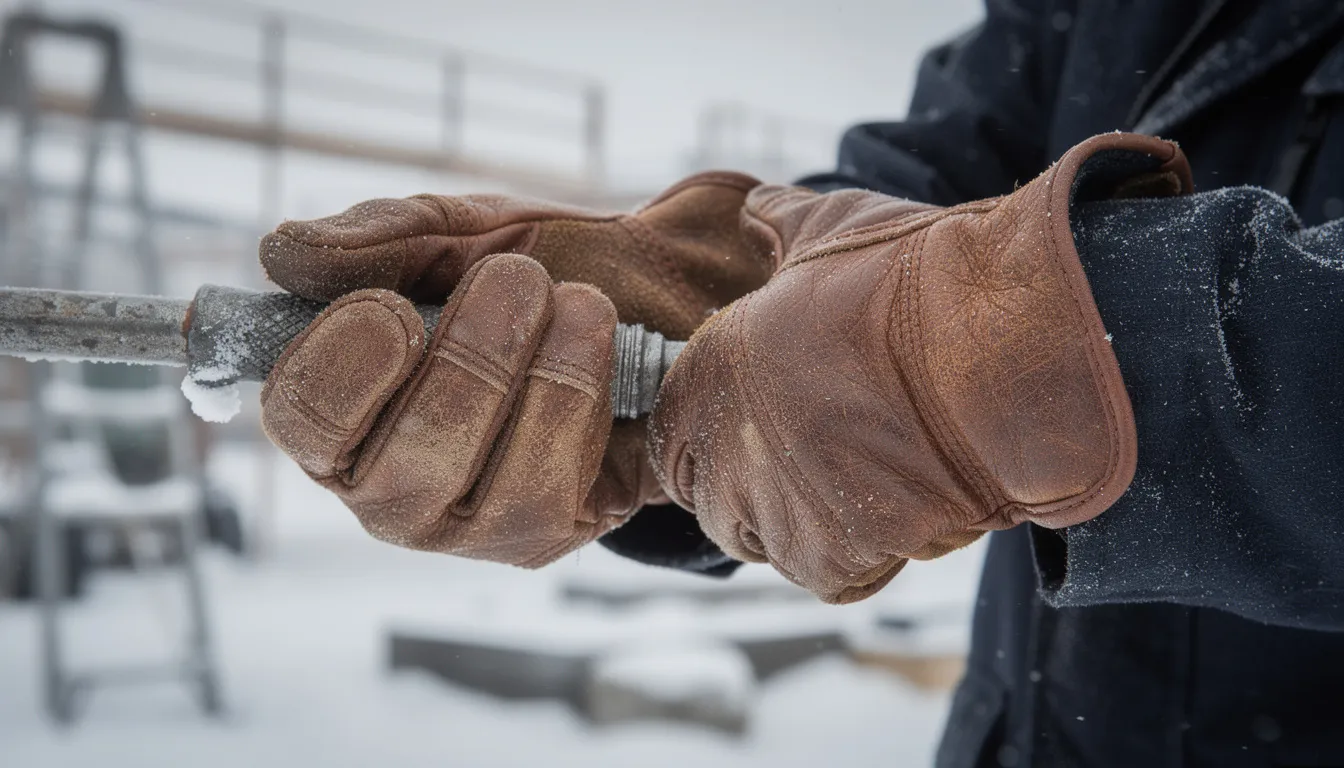
- Insulated leather work gloves feature a tough outer leather shell (often deerskin or goatskin) combined with synthetic or wool insulation inside. These are the workhorse gloves for winter construction, framing, and farm work, typically comfortable around 0–25°F with enough flexibility for handling tools and fasteners. Deerskin offers unmatched cold weather flexibility, retaining about 90% of its pliability at -10°F.
- Coated knit and herringbone-grip gloves use dual-layer knit shells with latex, nitrile, or PVC coatings and patterned grips for traction. These are popular in warehouses, loading docks, and cold storage where workers handle boxes, tools, and machinery. The coatings add water resistant properties and reduce slip by up to 40% in wet or oily conditions.
- Freezer gloves are heavily insulated, often featuring extended cuffs and moisture-resistant shells designed for -20°F and below. Walk-in freezers, blast freezers, and ice cream distribution centers require this level of protection to prevent frostbite during long exposure.
- Touchscreen work gloves range from thin to mid-weight, typically with conductive fingertips and abrasion-resistant palms. They’re suited for inventory scanning, data entry on tablets, and light-duty winter tasks where you need to use devices without stripping off your gloves every few minutes.
- Mitts and 3-finger mitts group fingers together to boost warmth dramatically. The 3-finger design keeps your trigger finger or tool-ready finger separated while bundling the others, offering a compromise between maximum heat retention and enough dexterity for extremely cold outdoor work in oilfields, rail yards, or snow removal.
- Liner gloves are thin wool or synthetic gloves worn under bulkier outer gloves. They add an extra layer of warmth, make removing the outer glove for phone use or paperwork easier, and create a moisture barrier that keeps insulation drier.
Key Features to Look For in Winter Work Gloves
Beyond the basic question of “warm vs. cold,” details like insulation type, grip pattern, and impact guards decide whether a glove survives a full season of hard use or falls apart by February. Here’s what to evaluate:
- Warmth and insulation: Synthetic insulations like Thinsulate use ultra-fine fibers (about 1/15th the diameter of human hair) to trap more air per volume than fleece or foam, delivering better warmth-to-weight ratios. Insulation is measured in grams—40g–70g handles moderate cold from 40°F to 25°F during active work, 70g–100g suits colder exposures from 25°F to 10°F, and 150g+ is necessary for sub-10°F conditions during low-activity tasks. Wool linings wick moisture 25% faster than synthetics but need blending to prevent shrinkage.
- Dexterity and fit: There’s always a trade-off between bulk and finger control. Framers, electricians, and mechanics favor slimmer insulated gloves with articulated knuckles over bulky ski mitts because they need to feel fasteners, wires, and small parts. If you can’t do your job with the gloves on, you’ll take them off—and that defeats the purpose.
- Grip performance: Herringbone patterns, double-dot palms, and textured latex or nitrile coatings help you hold wet lumber, metal tools, or cardboard in icy conditions. Nitrile coatings offer particular advantages in wet or oily environments, maintaining grip when other materials would slip.
- Durability and abrasion resistance: Leather palms, reinforced fingertips, and thicker shells extend glove life dramatically for construction, welding prep, and handling rough materials. Deerskin provides excellent abrasion resistance (ANSI level 3), while goatskin offers higher tensile strength and better puncture resistance.
- Touchscreen compatibility: Many modern work gloves incorporate conductive fingertips or specialized nib technologies that allow scanning barcodes and tapping phones without removing gloves. This feature has become essential for delivery drivers, warehouse staff, and supervisors who constantly toggle between physical tasks and device use.
- Impact and cut protection: Back-of-hand impact guards and ANSI cut ratings matter for demolition, metal fabrication, and handling sharp banding or sheet metal. A4 cut-level gloves withstand 1500g loads per EN 388 standards, while level 2 impact guards absorb forces up to 2.5 joules.
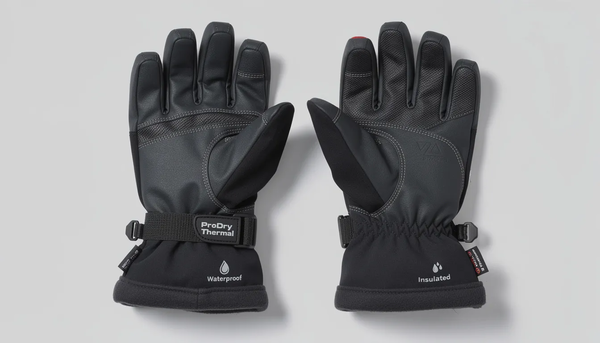
- Moisture and wind protection: Waterproof or water resistant shells prevent snow and slush from soaking insulation (wet insulation loses up to 50% of its effectiveness). Choosing waterproof winter work gloves with extended cuffs, double cuffs, and gauntlet designs helps seal out wind that would otherwise wick heat away from your wrists.
Popular Styles and Use Cases
The “best” winter work glove depends entirely on what you do all day. Operating heavy machinery in -10°F wind requires different gear than driving a forklift in a cool warehouse or tying rebar on a 25°F construction site. Here’s how popular styles match to real work scenarios:
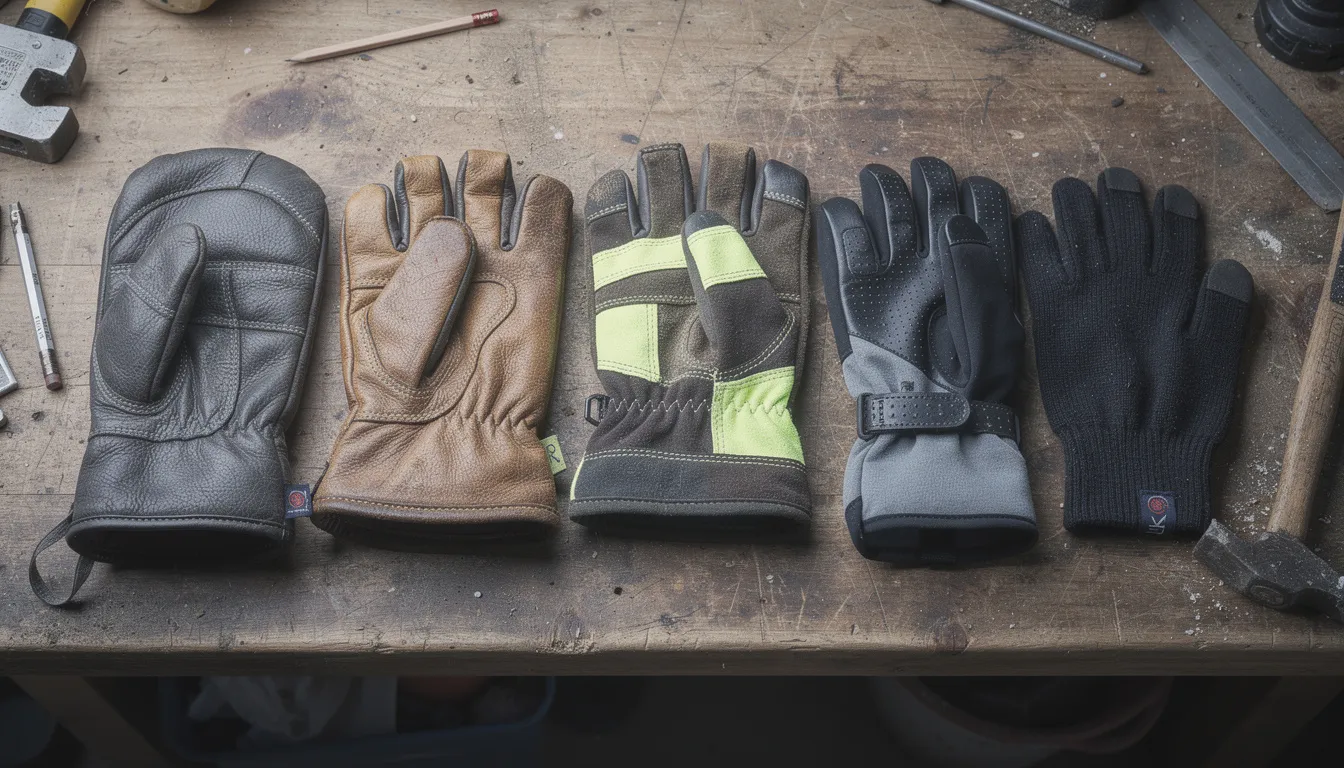
- Mid-weight insulated grip gloves (similar to Ninja Ice style) work well for general outdoor work, offering good performance down to roughly 10–20°F with solid grip on tools and enough flexibility for fasteners and equipment controls. These are versatile enough for many trades and represent a good starting point if you can only buy one pair.
- Heavy-duty insulated leather gloves suit prolonged outdoor work: winter concrete pours, snow-removal crews, and road construction where you need impact and abrasion resistance combined with serious warmth. Synthetic leather with 70g Thinsulate and PVC palm patches handles shoveling, tool work, and extended exposure to harsh conditions.
- Hi-vis dual-layer gloves serve road crews, utility workers, and anyone who needs to stay visible in snow, at dawn, or under job-site lights. Neon shells with reflective accents boost visibility up to 40% in low-light conditions while maintaining ergonomic fits that don’t sacrifice performance.
- 3-finger and full mitt styles work for oilfield, rail yards, and extreme cold jobs where you’re exposed to bitter wind and constant contact with cold metal. These are meant for tasks with less fine detail but long exposure times—think monitoring equipment, flagging, or static security work in sub-zero temperatures.
- Thin touchscreen and liner gloves help drivers, package delivery workers, and supervisors going in and out of heated trucks and cold docks throughout the day. The easy on-off and device compatibility makes them ideal for intermittent outdoor exposure rather than all-day cold.
- Wool or wool-blend grip gloves excel in protein processing, livestock handling, and farm work where natural fibers provide warmth even when damp. The grips help with tools and feed bags, and wool’s natural wicking keeps hands more comfortable than synthetics during active, sweaty work.
How to Choose the Right Winter Work Gloves
Selection should be based on temperature range, exposure time, the materials you handle (wet vs. dry, sharp vs. smooth), and how often you need bare-hand precision. Getting this right isn’t complicated, but it does require thinking through your specific situation.
- Assess your environment: A -10°F cold storage facility demands different gear than a 30°F windy job site with wet snow or intermittent outdoor steps from a heated vehicle. Be honest about your coldest, wettest, most exposed moments—those are what you’re protecting against.
- Match insulation to temperature: Mid-weight insulated gloves (40g–70g) handle 20–32°F well for active work. Heavier freezer-rated gloves (100g–150g+) are necessary below 0°F. Liner-plus-shell setups offer flexibility for highly variable conditions where you might see 35°F at noon and 10°F at dawn.
- Prioritize dexterity where needed: If you’re in carpentry, electrical, or finishing work, favor slimmer, flexible gloves with good grip and articulated knuckles. You won’t wear gloves that prevent you from doing your job, so find the minimum bulk that still keeps you warm.
- Consider safety requirements: Some situations require or strongly suggest ANSI cut or impact ratings—metal work, demolition, handling banding or glass in winter. Don’t forget that cold-stiff fingers are clumsier, making cuts more likely even on tasks you’d handle easily in summer.
- Account for moisture: Water resistant or waterproof shells matter when handling snow-covered materials, thawing pipes, or working in sleet and freezing rain. Dry cold warehouses need less waterproofing but still benefit from moisture-wicking liners to handle sweat.
- Think in systems, not a single pair: Serious workers often own 2–3 complementary pairs—a heavy mitt for -10°F mornings, a mid-weight grip glove for daytime tasks, and liners for added warmth or quick device use. This approach keeps hands warmer and extends each glove’s lifespan.
- Fit and sizing: Test fit with slightly bent fingers, allowing a small air gap for insulation to do its job. Gloves that are too tight cut off circulation, making hands feel colder despite the insulation. Gloves that are too loose bunch up and reduce grip.
Real-World Tips from the Job Site
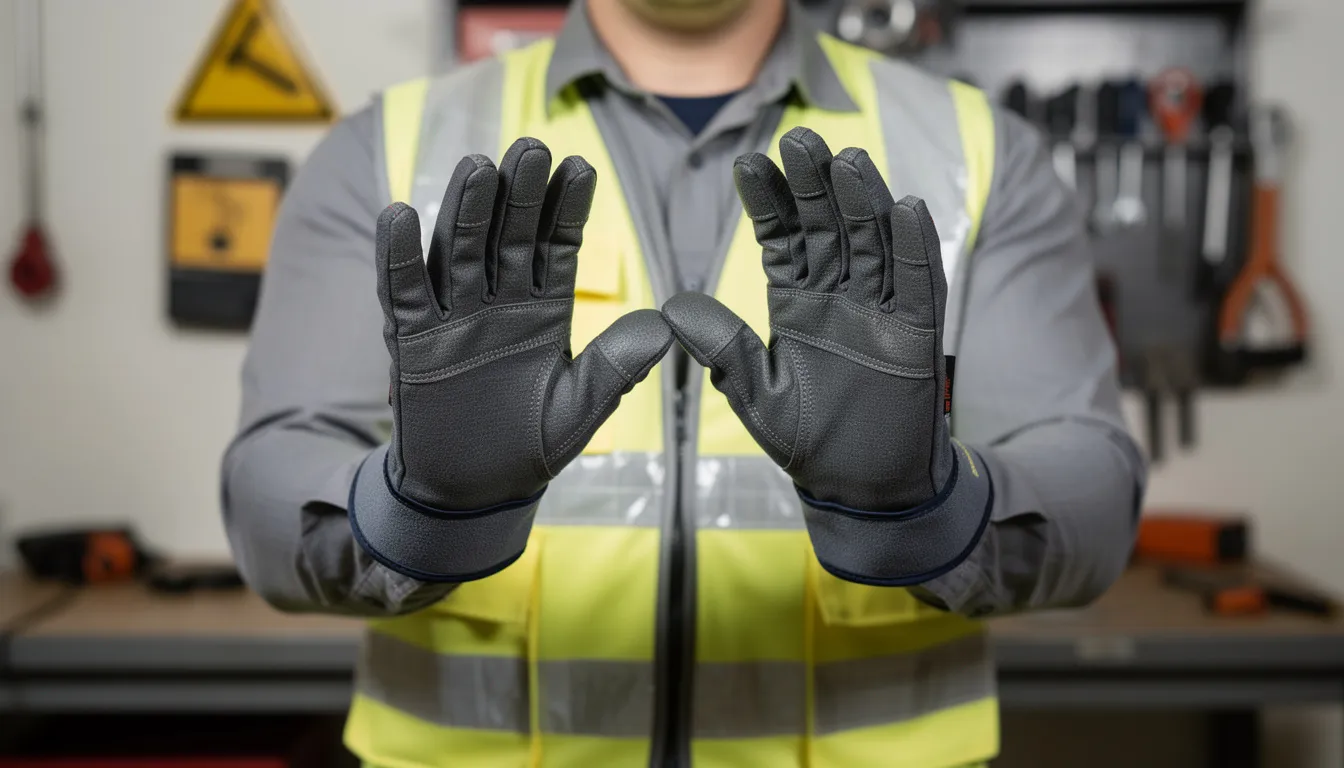
Many of the warmest, most functional setups come from trial and error by construction workers, warehouse staff, and tradespeople who’ve spent years figuring out what actually works. Here’s what experienced hands have learned:
- Wear thin nitrile or disposable gloves under insulated work gloves to add a wind and moisture barrier. This keeps liners cleaner in wet or muddy conditions and adds surprising warmth for minimal bulk. Some Mechanix and similar brands even design their gloves expecting this kind of layering.
- Layer knit or wool liners under leather gloves for versatility. You can pull off the outer glove quickly for fine tasks without fully exposing skin for too long. This is especially useful for electricians and finish carpenters who need intermittent precision.
- Tuck disposable hand warmers inside the back of the glove (not against your palm where they’d interfere with grip) during long, static tasks like flagging traffic or monitoring equipment. The warmers work best positioned over the back of the hand where blood flow is closest to the surface.
- Rotate gloves through the day. Keep a spare dry pair in the truck or locker to swap out at lunch so you don’t sit in damp insulation all afternoon. Wet gloves lose insulating performance dramatically—having a backup isn’t luxury, it’s basic warmth management.
- Maintain your gloves properly. Shake out snow before it melts inside, dry gloves at room temperature overnight with cuffs open, and avoid direct heat sources that can stiffen leather or melt synthetic coatings. A little care makes each pair last significantly longer.
Care, Maintenance, and When to Replace Your Gloves
Proper care extends the life of winter work gloves and keeps them warmer and safer over multiple seasons. Don’t worry—maintenance isn’t complicated, but it does make a real difference.
- Drying: Air-dry gloves at room temperature with cuffs open. Boot dryers or glove stands work well, but never place gloves directly on heaters, radiators, or open flames. High heat damages insulation, cracks leather, and can melt synthetic materials.
- Cleaning: Gentle handwashing works for wool or knit gloves. Spot-clean leather with mild soap and a damp cloth. Follow manufacturer instructions for synthetic insulated gloves—some can handle machine washing on gentle cycles, others cannot.
- Re-waterproofing: Leather and some synthetic shells benefit from occasional waterproofing treatments or conditioners, especially after repeated exposure to snow and slush. This is particularly worth doing at the end of fall before heavy winter use begins.
- Storage: Store gloves in a dry, ventilated space at the end of the season. Don’t leave them compressed in tool bags where they stay damp and break down faster. Proper storage can add another full year to a quality pair’s useful life.
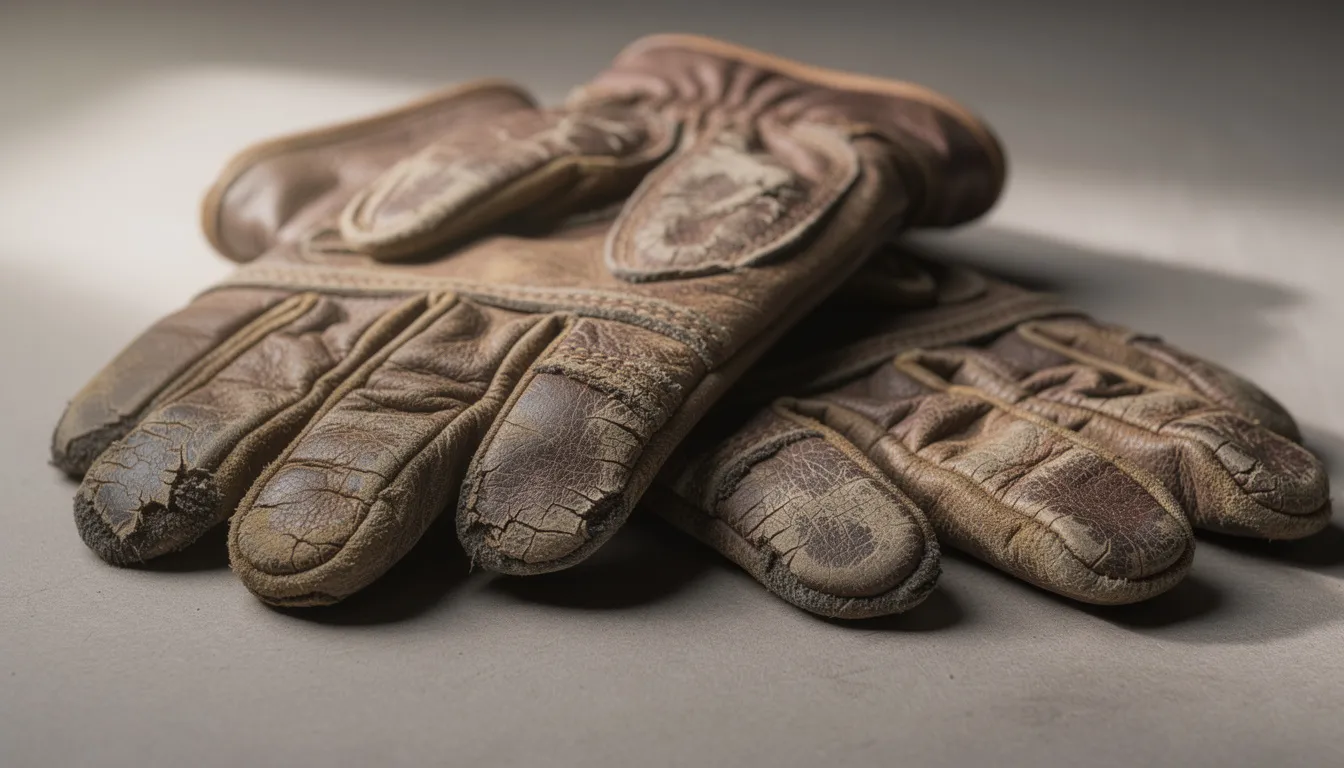
- Signs it’s time to replace: Flattened insulation that no longer feels warm, cracked leather, worn-through fingertips, peeled coatings, and compromised seams that let in wind and moisture all indicate a glove has reached the end of its useful life. Average lifespan runs 6–12 months for leather under heavy use, 3–6 months for coated synthetics.
FAQ
How warm should winter work gloves be for sub-zero temperatures?
For temperatures around 0°F to -20°F, look for heavily insulated or freezer-rated gloves or mitts with 150g+ insulation, extended cuffs, and wind-resistant shells. Many professionals in these conditions pair thick outer gloves with thin liners to create a dual-barrier system. Keep in mind that manufacturer temperature ratings are guidelines—activity level, wind, and individual circulation make a significant difference. Someone actively shoveling generates more body heat than someone standing still monitoring equipment.
Are touchscreen winter work gloves as durable as regular work gloves?
Modern touchscreen work gloves can be both durable and functional, especially models that combine abrasion-resistant palms with conductive fingertip materials. However, extremely thin “everyday” touchscreen gloves won’t survive construction sites or warehouse use. Work-specific touchscreen gloves with reinforced palms and leather or synthetic leather overlays are designed for job use. If you need heavy durability plus device access, look for gloves with specialized conductive nibs or removable fingertip caps that preserve thicker protective materials.
Can I use ski gloves as winter work gloves?
While ski gloves are often warm and waterproof, they typically lack cut resistance, targeted grip patterns, and abrasion durability for tasks like hauling lumber, handling metal, or working with machinery. Skiing doesn’t require gripping wet rebar or manipulating small fasteners—work does. Ski gloves can be acceptable for occasional light chores, but daily work in construction, warehouses, or processing plants is better served by purpose-built work gloves designed around tools, machinery, and safety requirements that ski gloves simply weren’t made to address.
What’s the difference between winter work gloves and standard work gloves with liners?
Winter work gloves are built from the ground up for cold, combining insulation, shell materials, and cuffs that trap heat and block wind as an integrated system. Adding liners under standard work gloves can help, but gaps at the cuff, lack of windproofing, and compressed insulation often still leave hands cold. The combined design of purpose-built winter gloves creates a significant performance difference. That said, combining proper winter gloves with liners often works even better than either alone for extremely cold conditions.
How many pairs of winter work gloves should a professional own?
At minimum, two pairs serve most professionals well: one heavier, warmer pair for the coldest days or static work, and one more dexterous pair for milder temperatures or detail tasks. Workers frequently in wet, slushy, or variable conditions benefit from a third backup pair so they always have a dry set available. This rotation approach isn’t just about convenience—it keeps hands warmer throughout the day and extends each glove’s lifespan by giving materials time to dry and recover between uses. Think of it as a small investment that pays off in comfort and productivity all winter long.
Member discussion