
Key Takeaways
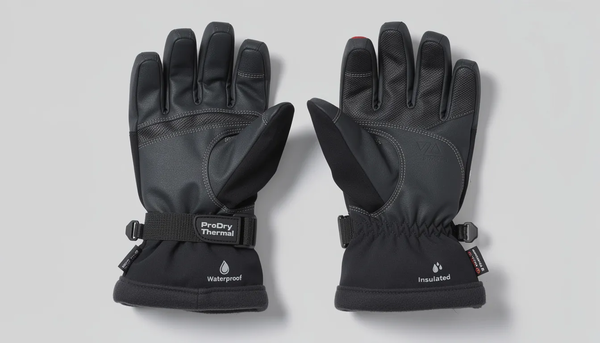
- This 2026 buyer’s guide from Genuine Wild highlights the top waterproof insulated gloves ideal for hiking, hunting, winter work, and everyday cold weather use, complete with convenient Amazon affiliate links to recommended options.
- Our testing involved real-world conditions such as rain, sleet, wet snow, and temperatures ranging from roughly 10–40 °F (−12 to 4 °C), providing practical insights beyond lab-based claims.
- You'll quickly grasp the essential trade-offs: warmth versus dexterity, true waterproof membranes versus water-resistant coatings, and price versus durability.
- The guide categorizes glove types—under-the-cuff, over-the-cuff gauntlets, high-dexterity work gloves, and hunting-specific designs—and explains how to select the perfect gloves for your outdoor adventures.
- Genuine Wild earns a small commission from qualifying purchases at no extra cost to you, supporting more unbiased outdoor gear testing.
What Is a Waterproof Insulated Glove?
A waterproof insulated glove combines two critical protective layers into one piece of gear: a water-impermeable barrier (such as Gore-Tex or polyurethane membranes) paired with thermal insulation (like Thinsulate, PrimaLoft, or synthetic loft materials) to keep your hands warm and dry in wet, cold conditions. These gloves are engineered to tackle the dual challenge of moisture exposure and freezing temperatures simultaneously—something standard winter gloves often cannot reliably handle.
Understanding the difference between “waterproof” and “water resistant” is essential before purchasing:
- Waterproof gloves feature a sealed membrane layer that blocks water penetration even during prolonged exposure to snow, sleet, or rain. Perfect for shoveling snow, working in sleet, or hiking through wet conditions for hours.
- Water resistant gloves employ hydrophobic fabric treatments or tightly woven shells that repel light drizzle but eventually soak through with extended exposure. Suitable for quick walks in light mist but not dependable for serious winter use.
Typical construction layers include:
- Outer shell: Nylon, polyester, or leather providing abrasion resistance and shedding surface moisture.
- Membrane layer: The actual waterproof barrier (Gore-Tex, Hipora, or proprietary polyurethane inserts).
- Insulation layer: Synthetic fills like Thinsulate that trap body heat while remaining effective when damp.
- Inner lining: Often a fleece lining or brushed tricot that feels soft against the skin and helps manage moisture.
These gloves excel in specific scenarios: winter hiking on slushy trails, tree stand hunting in freezing drizzle, construction or industrial work in sleet, and daily commuting where gloves might get soaked handling wet steering wheels or waiting at bus stops.
Quick Recommendations: Best Waterproof Insulated Gloves for 2026
Here are our editor’s top picks for 2026 based on Genuine Wild’s testing and research. Each glove links to Amazon for easy purchasing, with options across different price points and use cases.
- Best Overall Waterproof Insulated Glove for Most Users – Mid-priced ski/work-style gloves in the $50–$70 range with 100g Thinsulate insulation and a Gore-Tex or equivalent membrane. These gloves strike the ideal balance of warmth, waterproofing, and dexterity for hiking, light work, and everyday winter tasks.
- Best Budget Waterproof Insulated Glove Under ~ $30 – Value-focused options featuring basic polyurethane membranes and 60–80g synthetic insulation for occasional use. Expect slightly less durability in palms and seams but solid protection for weekend warriors not exposing their gear to daily wear.
- Best High-Dexterity Waterproof Insulated Work Glove – Professional-grade designs with snug fit, reinforced palms with textured grip, and pre-curved fingers optimized for tool operation. Look for sandy nitrile palm coatings and ANSI-rated cut protection for handling sharp materials in extreme cold.
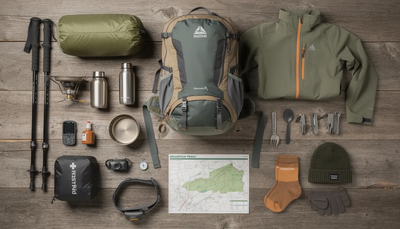
- Best Waterproof Insulated Glove for Hiking & Backpacking – Lightweight, packable designs fitting under jacket cuffs, ideal for active use in temperatures around 20–35 °F. Prioritize stretch insulation that allows excellent dexterity for handling trekking poles and zippers without removing gloves.
- Best Waterproof Insulated Hunting Glove – Quieter fabric, earth-tone or camo patterns, and trigger-friendly index fingers define top hunting gloves. Look for 150–200g insulation for long sits and touchscreen-compatible thumb and index fingers for checking wind apps or trail cameras.
Availability and pricing reflect the 2025–2026 winter season and may vary. We recommend checking live prices on Amazon before purchasing.
Types of Waterproof Insulated Gloves
Glove design significantly affects warmth, dexterity, and how effectively they seal out water and snow. Understanding the main categories helps narrow your search before exploring specific features.
Under-the-Cuff Waterproof Insulated Gloves:
- Feature shorter gauntlets designed to fit underneath jacket sleeves, offering greater wrist mobility and easier layering with rain shells.
- Popular for hiking, trail running, and active winter sports where overheating is a concern during high-output movement.
- Best suited for temperatures roughly from mid-20s to low-40s °F when paired with a shell jacket that overlaps the wrist.
- Lightweight and packable, ideal as backup gloves on milder temperature outings.
Over-the-Cuff (Gauntlet) Waterproof Insulated Gloves:
- Feature longer cuffs that cinch over jacket sleeves with drawcord closures or velcro straps, fully sealing out snow and slush.
- Perfect for deep winter conditions, snowshoeing, skiing, and all-day snow exposure where hands frequently contact snow.
- Often include adjustable cuff closures, wrist straps, and sometimes removable liners for versatility across conditions.
- Provide superior protection against wind infiltration around the wrist.
High-Dexterity Waterproof Insulated Work Gloves:
- Built with a snug fit, reinforced palms, and articulated fingers allowing you to grip tools, operate machinery, or perform detailed work in wet, cold environments.
- Often feature sandy nitrile or textured polyurethane palm coatings that maintain grip on slippery objects.
- Some models carry safety ratings like ANSI/ISEA 105-2016 level A5 for cut resistance, crucial for construction and industrial applications.
- Designed to minimize bulk while still providing adequate warmth for active work. If you're looking for recommendations, check out these waterproof winter work gloves.
Hunting and Tactical-Focused Waterproof Insulated Gloves:
- Made from softer, quieter fabrics that won’t spook game when drawing a bow or shouldering a rifle.
- Feature muted earth tones or camo patterns and pre-curved fingers that allow operating triggers, safety switches, and rangefinders without fumbling.
- Include tech-touch fingertips for checking maps, weather apps, or trail cameras without exposing bare skin.
- Prioritize insulation for low-activity situations like long sits in the stand during colder conditions.
How to Choose the Right Waterproof Insulated Glove
The “right” glove depends on temperature, activity level, exposure to water and snow, and how easily your fingers get cold. Here’s how to decide.
Temperature & Climate:
- Light insulation (40–60g): Best for active use in 30–40 °F or as liners under shell mittens.
- Midweight insulation (80–100g): The sweet spot for most winter activities in 15–30 °F.
- Heavy insulation (150–200g+): Needed for sub-15 °F conditions or low-activity situations like ice fishing or tree stand hunting.
Wind chill and wetness (freezing rain, heavy sleet, wet snow) require better waterproofing than cold alone. Gloves that keep you warm in dry 20 °F weather may fail in wet 35 °F conditions.
- High-output activities (trail running, ski touring, fast hiking) generate significant body heat and blood flow to extremities. Excess insulation causes sweaty, clammy hands that feel colder when you stop moving. Prioritize breathable membranes and lighter insulation.
- Low-output activities (ice fishing, tree stand hunting, watching outdoor events) produce minimal heat. Maximum warmth matters more than dexterity—heavy insulation and windproof shells are best.
Fit & Dexterity:
A close-but-not-tight fit is essential for warmth (eliminating dead air space) and dexterity (allowing natural finger movement). Look for:
- Pre-curved fingers matching your hand’s natural resting position.
- Articulated knuckles that flex without bunching fabric.
- Flexible palm materials helping you grip trekking poles, ice axes, or tools naturally.
If gloves feel tight across knuckles or fingertips when making a fist, size up.
Waterproofing & Breathability:
- Gore-Tex and similar membranes offer reliable waterproofing while allowing vapor transmission so sweat escapes.
- Full coatings (latex, PVC, polyurethane) create impermeable barriers but may trap perspiration during active use.
- Seam taping is critical—unsealed seams leak regardless of membrane quality.
- Cuff design matters: over-the-cuff gauntlets seal better against snow infiltration, while under-the-cuff styles rely on jacket sleeves for coverage.
Materials & Durability: For a detailed comparison of rain cover materials and durability, check out these essential backpack rain cover reviews.
Touchscreen Compatibility:
Tech-touch or conductive fingertips on thumb and index fingers allow answering calls, checking texts, or swiping maps without removing gloves. However:
- Fine typing accuracy suffers with thick insulated gloves regardless of conductive coatings.
- Most conductive treatments wear down after 1–2 winters.
- Don’t make touchscreen compatibility your primary deciding factor.
Key Features to Look For (2026 Buyers’ Checklist)
Use this checklist to quickly evaluate any waterproof insulated glove before exploring product pages.
Insulation Type and Weight:
- Thinsulate (3M) fibers are approximately ten times smaller than competing materials, trapping more warmth in less space—look for Type G/KL or Water-Resistant formulations.
- PrimaLoft offers similar warmth-to-weight ratios with good wet-weather performance.
- Approximate gram weights translate roughly: 60g for active use in mild cold, 100g for general winter wear, 150–200g for extreme cold or static activities.
- Thinsulate absorbs less than 1% of its weight in water and dries quickly, maintaining reliability after moisture exposure.
Waterproof Membrane:
- Look for named membranes (Gore-Tex, Hipora, proprietary inserts) in product descriptions.
- “Seam-sealed construction” indicates the manufacturer has addressed common leak points.
- Gloves relying only on DWR-coated shells without internal membranes are typically just water resistant and will eventually soak through.
- Some professional gloves combine a waterproof bladder with exterior water-resistant fabric for redundant protection.
Lining and Comfort:
- Fleece lining or brushed tricot feels soft against skin and helps trap warm air.
- Fast-drying liner materials are preferable if you expect sweat or occasional interior moisture.
- Jersey cotton liners are comfortable but slow to dry.
- Some gloves feature odor-resistant treatments using silver-infused fibers.
Grip and Palm Material:
- Debossed polyurethane or silicone-printed palms provide reliable grip in wet conditions.
- Goat leather or synthetic leather patches in high-wear zones (thumb crotch, fingertips) add durability.
- Sandy nitrile coatings excel for tool handling and maintain flexibility in cold.
- Consider your primary grip needs: trekking poles, snow shovels, rifle stocks, or steering wheels.
Dexterity Enhancers:
- Pre-curved fingers reduce fatigue and improve natural hand positioning.
- Articulated knuckles allow full range of motion without fabric bunching.
- Stretch panels (some materials stretch up to 40%) maintain warmth while preserving feel and control.
- High-dexterity designs often trade some insulation thickness for better fine motor control.
Extra Convenience Features:
- Wrist leashes prevent dropping a glove off a ridge or losing one in deep snow.
- Nose-wipe panels provide soft fabric on thumb or back of hand for runny noses.
- Pull loops make putting on snug gloves easier, especially with cold fingers.
- Clip pairs keep gloves together in your pack or gear bin.
- Removable liners allow drying, washing, or adjusting warmth levels for different conditions.
Best Uses: Matching Gloves to Your Outdoor & Work Scenarios
Rather than seeking one “do-everything” glove, choose based on your specific needs.
Winter Hiking and Backpacking:
- Midweight, under-the-cuff waterproof insulated gloves work best for 20–35 °F shoulder-season and winter hikes on wet trails.
- Look for good dexterity to handle trekking poles, adjust pack straps, and set up wet tent poles at camp.
- Consider packing lighter liner gloves for camp chores or backup if primary gloves get soaked.
- Walking in light snow requires less insulation than standing around at camp—factor in your activity pattern.
Backcountry and Resort Skiing / Snowboarding:
- Over-the-cuff, heavily insulated, fully waterproof gloves are preferred for all-day snow immersion and frequent contact with chairlifts, skis, and boards.
- Wrist leashes prevent losing gloves on lifts; nose-wipe panels save you from constant sniffling.
- Removable liners help with drying overnight on multi-day hut trips.
- Some skiers prefer mittens for maximum warmth on windy days, accepting reduced dexterity as a trade-off.
Hunting and Wildlife Observation:
- Quieter fabric avoids spooking game; look for brushed polyester or soft shell materials rather than crinkly nylon.
- Muted earth tones or camo patterns help blend into surroundings.
- Pre-curved fingers and trigger-friendly index fingers allow operating firearms, bow releases, and rangefinders without fumbling.
- Heavy insulation (150–200g) is essential for long, low-activity sits in temps below ~25 °F.
- Touchscreen-compatible thumb and fingers let you check wind apps, maps, or trail camera photos without exposing skin.
Outdoor Work and Industrial Tasks:
- High-dexterity waterproof insulated gloves with strong grip and abrasion-resistant palms suit construction, forestry, and farm work in sleet and snow.
- Look for reinforced thumb crotch stitching—this area sees heavy wear and often fails first.
- Some gloves carry specific safety ratings (ANSI cut resistance, impact protection) for hazardous work environments.
- Sandy nitrile palm coatings maintain grip on wet, oily, or icy tools and materials.
- Consider hi-vis colors (orange, yellow) if working near traffic or heavy machinery.
Urban Commuting and Everyday Use:
- Lighter, stylish waterproof insulated gloves balance warmth, dexterity, and touchscreen function for bus stops, dog walks, and scraping ice off windshields.
- Good steering wheel grip matters for driving; look for textured palms that don’t slip on leather or plastic.
- Being able to handle keys, transit cards, and phones without removing gloves saves time and keeps hands warm.
- Thin enough to fit in a coat pocket when indoors but warm enough for standing outdoors.
Care, Maintenance, and Longevity
Proper care extends the life of your waterproof insulated gloves and keeps them performing like new for multiple winters. A well-maintained pair can last 3–5 seasons with regular use.
Cleaning:
- Follow manufacturer instructions—most gloves tolerate hand-washing or gentle machine washing on cold.
- Use mild detergent; avoid fabric softeners that damage waterproof membranes and reduce breathability.
- Spot-clean palms and fingers after muddy or greasy work rather than frequent full washes.
- For leather palm patches, wipe clean with a damp cloth and condition periodically.
Drying:
- Air-dry at room temperature, keeping gloves open (not balled up) so air circulates through the lining.
- Keep away from direct heat sources like radiators, wood stoves, or car heaters—high heat damages membranes and can delaminate glued layers.
- Stuff gloves lightly with dry cloth or crumpled paper towels to speed drying after a day in slushy snow.
- Never put insulated gloves in a dryer unless the manufacturer specifically says it’s safe.
Restoring Water Repellency:
- Apply DWR (durable water repellent) spray or wash-in treatments to synthetic shells every season or when water stops beading.
- Use leather conditioner on goat leather or cowhide palm patches to maintain flexibility and water resistance.
- These treatments help water bead off the outer shell but don’t replace a failing internal membrane.
- Reapply after washing, as detergent can strip existing DWR treatments.
Storage:
- Store gloves fully dry in a cool, dark place at season’s end—a labeled bin with other winter gear works well.
- Avoid damp basements or hot attics where mildew can grow or materials degrade.
- Keep pairs clipped together or stored in the same spot to avoid losing one glove during the off-season.
- Stuff lightly with paper to help maintain shape if storing long-term.
Recognizing End-of-Life:
- Persistent dampness inside after thorough drying indicates membrane failure.
- Peeling palms reduce grip and expose underlying layers to accelerated wear.
- Packed-out insulation that no longer lofts won’t keep you warm.
- Cracked or delaminated shells let water and wind penetrate freely.
If you rely on gloves for safety during high-altitude hiking, winter backcountry travel, or professional work, replace compromised pairs before a major trip or season. It’s not worth risking frostbite to squeeze one more year out of worn gear.
About Genuine Wild & How We Recommend Gloves
Genuine Wild is an outdoor-focused affiliate content publisher that tests and researches gear for hikers, backpackers, campers, and survival-minded readers. Our goal is to help you find reliable gear that performs when conditions get tough.
Testing Philosophy:
Our picks are based on a combination of field use (winter hikes, snow shoveling, cold weather camping, and everyday winter commuting) and deep research of specifications, user reviews, and brand reliability. We noticed many glove reviews focus only on warmth or waterproofing—we evaluate both together because that’s how you’ll actually use them outdoors.
We assess gloves for:
- Warmth retention across different activity levels.
- Real-world waterproof performance in rain, sleet, and wet snow.
- Dexterity for handling gear, tools, and electronics.
- Durability of shells, palms, and seams over extended use.
- Comfort during full days outside.
Affiliate Disclosure:
Genuine Wild uses affiliate links (primarily to Amazon) and may earn a commission on qualifying purchases. This does not increase the price you pay—it simply helps fund more independent testing and long-form guides like this one. We recommend products based on merit, not commission rates.
How to Use This Guide:
- Start with quick recommendations for fast answers.
- Read buying advice sections matching your primary use case (hiking, work, hunting, etc.).
- Cross-check sizing charts, user photos, and reviews on Amazon before finalizing a purchase.
- Consider buying from retailers with good return policies if uncertain about fit.
FAQ
Are waterproof insulated gloves too warm for fall hiking?
Midweight waterproof insulated gloves can be overkill above ~40 °F for high-intensity hiking, causing sweaty hands that feel clammy and cold when you stop moving. For shoulder seasons, consider lighter liner gloves or simple water-resistant softshell gloves instead. Save heavily insulated pairs for true winter or low-activity situations.
Can I use the same waterproof insulated gloves for both skiing and winter work?
There’s overlap, but dedicated work gloves typically offer better grip, more durable palms, and sometimes safety ratings for cut or impact resistance that ski gloves lack. Ski gloves often have longer gauntlet cuffs and convenience features like nose-wipe panels that aren’t necessary for tool-based work. If frequently switching activities or enjoying outdoor adventures like backpacking, having a pair for each prevents compromise. For those interested in outdoor preparedness, check out the best rain ponchos for backpacking to stay dry in unpredictable weather.
How do I know if my gloves are truly waterproof or just water-resistant?
Look for a named membrane (Gore-Tex, Hipora, or proprietary inserts) and seam sealing in product descriptions. Gloves mentioning only “water-resistant fabric” or “DWR coating” without internal membranes are usually water resistant and soak through during extended wet exposure. User reviews often mention real-world performance.
What size waterproof insulated glove should I buy for use with liners?
Measure hand circumference around the palm (excluding thumb) and check brand sizing charts—sizes vary significantly. If wearing liner gloves underneath, size up slightly (half to one full size). Too large creates dead air space reducing warmth and dexterity. Test combinations before critical trips.
Can I still use a touchscreen reliably with thick waterproof insulated gloves?
Tech-touch fingertips work for basic swiping, calls, and tapping large buttons, but fine typing or precise navigation is frustrating with heavily insulated gloves regardless of conductive coatings. For accuracy, remove gloves or use thinner liners with touchscreen compatibility. Some dexterity trade-off is inevitable when prioritizing warmth.
Member discussion