
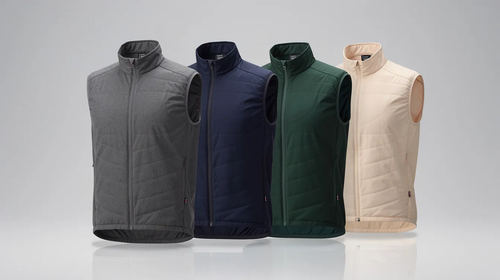
Finding the right insulation for shoulder-season adventures can make or break your comfort on the trail. This guide is for hikers, backpackers, and outdoor enthusiasts who want to maximize warmth and mobility on the trail. A thermal vest sits at the sweet spot between bulky jackets and flimsy base layers, delivering core warmth without the weight penalty. Here’s what you need to know before your next gear purchase.
Key Takeaways
- A thermal vest is a sleeveless insulated layer designed to keep your core warm while leaving arms free for movement during hiking, backpacking, and camp tasks.
- Vests deliver roughly 60–75% of a jacket’s torso warmth at 40–70% less weight, making them ideal for active use in temperatures between 40–60°F.
- Down vests excel in cold, dry conditions with superior warmth-to-weight ratios, while synthetic insulation performs better in wet weather and dries quickly after moisture exposure.
- This guide covers detailed specs (fill power, weights, 2026 prices), concrete examples from brands like Patagonia and Montbell, and a quick FAQ to answer your remaining questions.
What Is A Thermal Vest (And Why Hikers Love Them)?
Thermal vests are specialized garments designed to trap body heat and provide insulation to the core. A thermal vest is an insulated, sleeveless layer engineered to trap body heat around your torso while leaving your arms completely free for movement. The design focuses warmth exactly where it matters most—your core, where vital organs like your heart and lungs reside and where roughly 70–80% of total body heat loss occurs in cold conditions.
The term “thermal vest” covers several categories:
- Down vests filled with goose or duck plumage
- Synthetic insulated vests using polyester batts like PrimaLoft
- Fleece vests marketed for thermal performance
- Hybrid designs combining multiple insulation types
Picture yourself hiking Colorado’s Front Range in October 2025 at 45°F. You’re generating heat on the uphill but your core still feels chilly. A thermal vest over a merino base layer solves this perfectly—you stay warm without overheating your arms or restricting shoulder movement.
For outdoor activities like shoulder-season backpacking, camp chores, and cool trail mornings, thermal vests offer a versatility that full jackets simply can’t match.
Thermal Vest vs Jacket: When A Vest Makes More Sense
Vests trade a portion of total warmth for better mobility, lower weight, and superior packability. The math works out clearly when you examine actual products.
Weight and cost savings: | Product | Weight (Men’s M) | 2026 Price | Patagonia Down Sweater Vest | 7.8 oz | $199 | | Patagonia Down Sweater Hoody | 11.6 oz | $279 | | Difference | 3.8 oz saved | $80 saved |
That 32% reduction in packed volume matters when every cubic inch of your backpacking pack counts.
Mobility benefits shine during:
- Setting up camp and handling gear
- Casting a fishing line (no sleeve drag near fishing nets or rods)
- Scrambling on Class 3 terrain
- Shouldering a 40-pound pack without shoulder seam chafe
- Cycling or paddling where arm freedom is critical
When a full jacket wins:
- Static winter camping below 35°F
- Belaying in wind or sitting motionless on a hunting stand
- High wind conditions (15+ mph) where sleeve barriers block chill
Quick guidance: If your trips are mainly 3-season and you stay active (hiking, camp chores), start with a vest. If you’re often stationary in sub-freezing temperatures, prioritize a jacket with full arm coverage.

Types Of Thermal Vests (Down, Synthetic & Fleece)
Material choice is the single biggest factor affecting warmth, weight, and wet-weather performance.
Down Vests
Down uses goose or duck plumage clusters measured by fill power—cubic inches per ounce. Higher numbers mean better warmth-to-weight:
Synthetic Insulated Vests
Synthetic options use polyester batts like PrimaLoft Gold or Montbell’s Exceloft. Key advantages:
- Retains 95% warmth when wet (compared to down’s 20%)
- Dries 3–5x faster than down
- Costs 20–40% less than comparable down models
- More tolerant of machine washing
The trade-off? Synthetics run heavier and slightly bulkier for equivalent warmth.
Fleece Vests
Fleece (200–300g/m² Polartec) offers breathability and a comfy, soft hand feel. Perfect for car camping and everyday wearing—especially when relaxing in comfortable camping rocking chairs—but fleece bulks 50% more than puffies and blocks 30% less wind.
Hybrid Designs
Models like the Rab Mythic Down Vest combine down in the body with synthetic at the shoulders and neck. This addresses backpack strap moisture—sweaty shoulders won’t kill your insulation where it matters most.
Key Features To Look For In A Thermal Vest
Beyond insulation type, details like fabric, fit, and pockets determine real-world performance.
Insulation Specs
- Fill power: 700+ for serious hiking; 650 works for casual use
- Fill weight: 2.5–5 oz is the optimal range (e.g., Montbell Plasma 1000 uses 4.2 oz of 1000-fill down)
Face Fabric & Durability
Denier | Characteristics | Best For |
|---|---|---|
7D | Ultralight, delicate | Gram-counting thru-hikers |
10D | Balance of light and durable | General backpacking |
20D | Ripstop, tough | Off-trail bushwhacking, rock contact |
Weather Resistance
- DWR coatings: PFAS-free C0 treatments (2026 standard) shed 10–15cm water columns
- Wind resistance: 20D weaves block 90% of wind at 20 mph
- Shell options: Fully waterproof softshell vests (like Alitium 3-layer fabric) work for cycling or wet weather shoulder-season rain
Fit and Mobility
- Trim vs boxy: Technical vests run snug (Montbell: 24” chest medium); lifestyle versions allow more layers
- Side stretch panels: Improve range of movement for active use
- Hem length: Hip-length (28–30”) prevents ride-up; silicone grippers seal drafts
- Armhole size: Larger armholes suit layering over bulky fleece; smaller ones reduce drafts
Pockets and Storage
Most quality vests include:
- Two handwarmer pockets
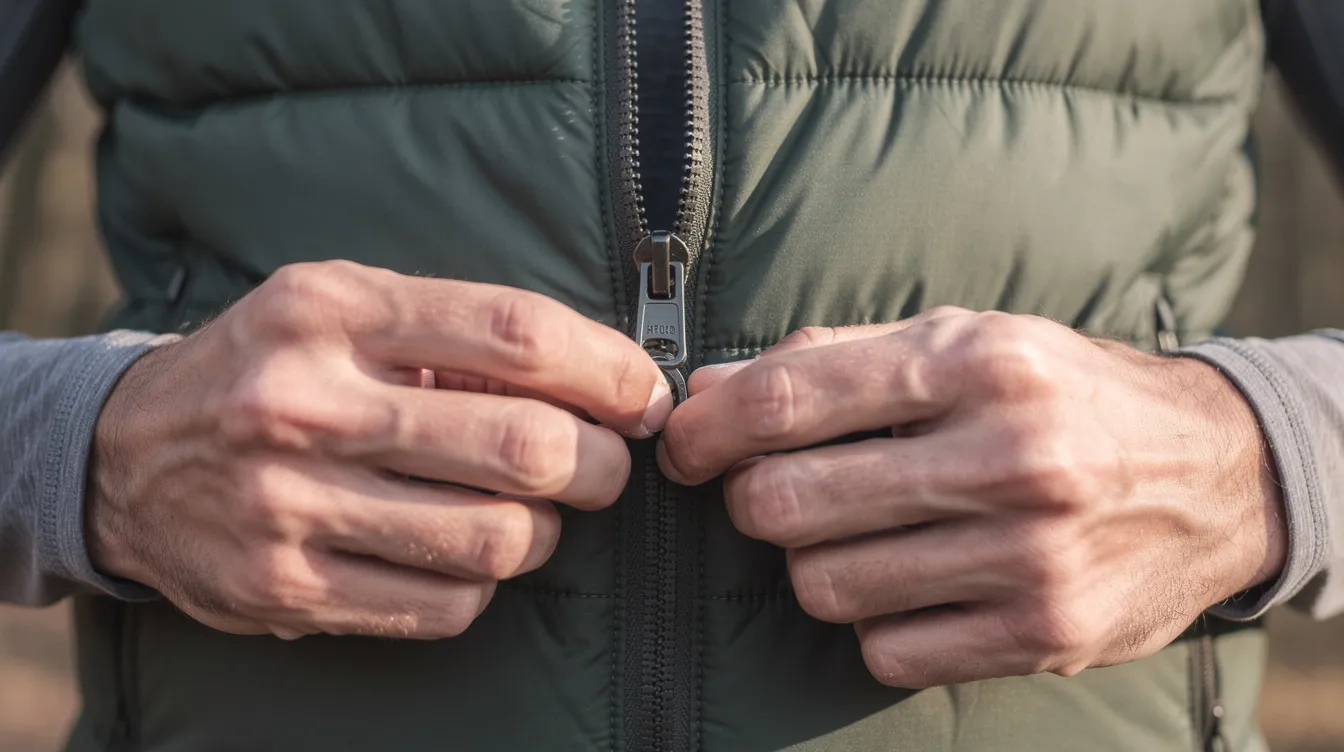
- Napoleon chest pocket with YKK Aquaguard zipper
- Internal stash pocket
- Stuff-into-own-pocket design (compresses to ~0.5L)
Zippers & Details
Look for a zipper garage to protect your chin, draft flaps that reduce infiltration by 40%, and hem adjusters. These small details add up to meaningful cold weather comfort.
Best Uses For A Thermal Vest In The Outdoors
Thermal vests function as multi-role pieces across hiking, backpacking, camping, bikepacking, and travel, especially when paired with lightweight camping shoes for versatile outdoor use.
Backpacking: An ultralight down vest (5–6 oz) serves as summer insulation for Sierra Nevada or Appalachian Trail sections where nights hover around 50°F. You’ll save 4–8 oz versus carrying a full jacket.
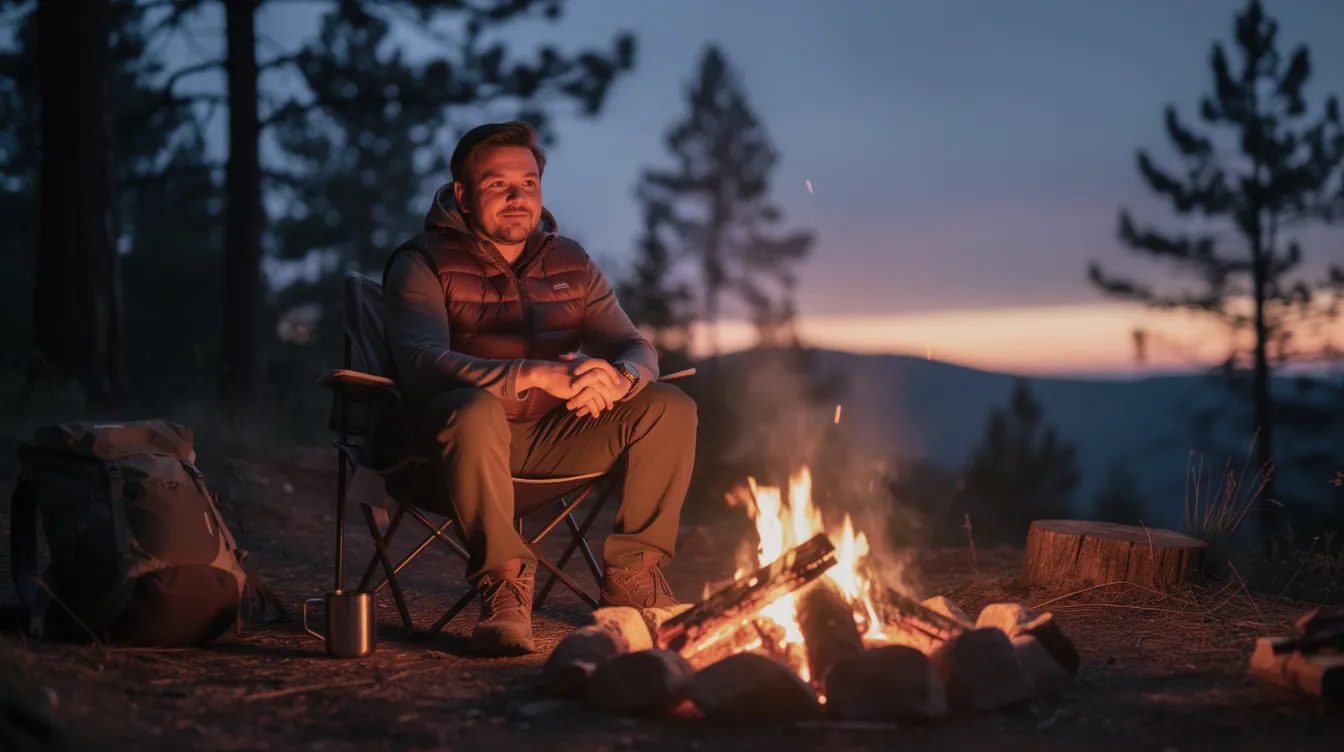
Camping: Pair a thermal vest with your padded camping chair or a heated camping chair around the campfire for cozy warmth without feeling overdressed. Field tests show vests maintain core temps 5–10°F warmer than base layers alone during 45°F evenings.
Alpine & shoulder seasons: Layer a vest under a waterproof shell (rain jacket) or backpacking rain poncho while climbing in the Cascades in May when conditions swing between 30–50°F. The vest handles insulation; the outer layer blocks wind and precipitation.
Cycling and running errands: Trim synthetic vests with wind-blocking fronts and breathable backs work perfectly in the 30–50°F range for high-output activities.
Travel & daily wear: A packable vest fits in carry-on luggage, works in city settings, and doubles as a pillow on trains and planes—though many campers prefer a dedicated camping pillow for outdoor sleep comfort. Versatility at its finest.
Down Thermal Vests: Warmth-To-Weight Champions
Down remains king for the lightest, warmest thermal vests—provided you avoid consistent rain and heavy moisture.
The 700–800 fill power sweet spot:
The Montbell Superior Down Vest. This range balances performance and price for most hikers. Expect to pay $150–$220 for quality 800-fill options in 2026.
Sustainability considerations:
- RDS-certified down (Responsible Down Standard)
- 90% recycled shell fabrics
- PFAS-free DWR treatments (Patagonia completed full transition by 2026)
Limitations to know:
- Down loses significant loft when soaked (apply Nikwax Down Proof for hydrophobic treatment)
- Requires more attentive care than synthetic
- Higher sticker price versus down alternative options
Synthetic & Hybrid Thermal Vests: Best For Wet, Hard Use
Synthetic and hybrid vests often make the smarter pick in damp, high-output conditions—or for budget-conscious buyers.
Why synthetic works wet:
PrimaLoft Gold retains 95% warmth when moisture infiltrates. For Pacific Northwest weekend trips with misty 45°F rain, a synthetic vest under a shell and a reliable backpack rain cover for ultimate protection outperforms down that might become unavailable for warmth once saturated.
The Thermawrap Vest category and similar PrimaLoft-insulated models typically:
- Dry 3–5x faster than down
- Handle machine washing without special detergent
- Cost 20–40% less at comparable warmth levels
Hybrid designs:
Models constructed with down in the core and synthetic at shoulders and neck address a real problem: backpack strap sweat. Field reports from Appalachian Trail hikers show 20% better comfort retention under 30-pound loads compared to all-down vests.
Long-term durability:
Modern synthetic batts (PrimaLoft Gold Active+) last 100+ washes before experiencing 10% loft loss. Expect 3–7 years of heavy use from quality synthetics versus potentially decades from well-maintained down.
How We Research & Recommend Thermal Vests
Our research process involves:
- Scanning outdoor retailers, brand catalogs, and technical spec sheets for 50–70 promising vests each season
- Prioritizing models widely available in 2026 in the US and Europe
- Focusing on hiking, backpacking, and camping use cases matching our audience
- Cross-referencing lab-style metrics (fill power, weight, fabric denier) with field reports from hikers and campers in varied climates
Affiliate relationships don’t change our rankings or conclusions. We link to Amazon and other retailers where it helps users find products quickly and make informed purchases.
Care & Maintenance: Making A Thermal Vest Last Years
Proper care extends a vest’s usable life from a few seasons to a decade or more.
For down vests:
- Wash with down-specific detergent (Nikwax Down Wash or similar)
- Use a front-loading washer on low spin
- Dry thoroughly with clean tennis balls (4–6 hours) to restore loft
- Wash once or twice per season depending on use intensity
For synthetic vests:
- More tolerant of frequent machine washing (2–4x more than down)
- Use low heat and mild detergents
- Preserve DWR coatings by avoiding fabric softeners
Storage tips:
- Store loosely in a breathable bag or on a hanger
- Never compress in a stuff sack for months (causes 20% annual loft degradation)
- Avoid direct sunlight during long-term storage
If you prefer sleeping in the air instead of on the ground, pairing your vest with dedicated hammock blankets and underquilts can dramatically improve nighttime warmth and comfort.
Minor repairs:
- Tenacious Tape handles 0.5–2” tears effectively
- Lubricate sticky zippers with zipper wax
- Consider professional repair for seam failures before replacement
On especially frigid trips, supplementing your vest with disposable or rechargeable body warmers to stay toasty adds an extra margin of safety and comfort.
Quality down vests can remain lofty for decades with proper maintenance. Synthetics typically deliver 3–7 years of heavy use before requiring replacement.
Thermal Vest Buying Checklist (Quick Reference)
Use this checklist before clicking through to Amazon from Padded Camping Chair:
Verify your use case:
- [ ] Backpacking (ultralight priority)
- [ ] Camping (versatility priority)
- [ ] Cycling/running (breathability priority)
- [ ] Casual/travel (style priority)
- [ ] Walking the dog (durability priority)
Match conditions to insulation: | Conditions | Best Choice | || Dry, cold (35–55°F) | Down, 700–800 fill | | Wet, variable | Synthetic | | Mixed with heavy pack | Hybrid |
Check specs:
- [ ] Weight range: Under 6 oz (ultralight) or 6–10 oz (standard)
- [ ] Fill power: 700+ for hiking, 650 suitable for casual
- [ ] Fabric denier: 10D+ for durability; 7D only for gram-counters
- [ ] Pockets: Minimum two handwarmers plus stuff pocket
- [ ] Fit: Trim technical vs relaxed (check size charts)
Timing: Shop late winter and early fall 2025–2026 sales for 20–30% discounts on quality models.
FAQ
How warm is a thermal vest compared to a full jacket?
A quality thermal vest delivers around 60–75% of a comparable jacket’s torso warmth, but without warming the arms. For active hiking and backpacking in roughly 40–60°F conditions, many people find a vest plus long-sleeve base layer feels just as comfortable as a light jacket. In sub-freezing, windy, or very static situations (winter belays, long chairlift rides), a full jacket remains the better choice for keeping your body fully insulated.
Should I size up to layer my thermal vest over bulky clothing?
Stick with your normal size for most modern vests, which are designed to fit comfortably over a base layer and light midlayer. Size up only if you plan to wear the vest over thick hoodies, multiple heavy layers, or if you prefer a roomier fit for everyday wear. Always check brand-specific size charts—technical vests from Montbell run trim, while lifestyle-oriented options from other brands may fit more relaxed around the neck and shoulders.
Can a thermal vest replace a midlayer fleece on backpacking trips?
For many 3-season hikers, a lightweight insulated vest can replace fleece as the primary midlayer, especially on weight-conscious trips where every ounce matters. Fleece still wins for breathability and stretchy durability, while vests win for packability and warmth-to-weight ratio. Gear-minimalists typically choose one or the other, whereas comfort-focused campers might carry both for more flexible layering—especially if heated vests or other options aren’t in the budget.
Are thermal vests suitable for running or cycling in cold weather?
Trim, breathable synthetic or softshell vests work very well for running and cycling in the 30–50°F range. Avoid very puffy down vests for high-output sports, as they can overheat and trap too much sweat. Look for wind-blocking fronts, breathable back panels, reflective details, and grippy hems (silicone waist grippers are the elite feature here) to prevent the vest from riding up during your ride. Light synthetic options with moisture management remain our top pick for athletic use.
How many years should a good thermal vest last?
With moderate use and proper care, a quality down or synthetic thermal vest from reputable brands can last 5–10 years or more. Down insulation itself can remain lofty for decades if washed and stored correctly, while synthetic may slowly lose loft after 3–7 heavy-use years. Repair minor fabric damage with patch kits, refresh DWR coatings periodically, and consider professional repair for significant issues to extend the lifespan before replacing your vest entirely. Gloves and other accessories may wear out faster, but a well-maintained vest becomes a long-term investment in your outdoor comfort.

Member discussion