
Key Takeaways
- Thermal sleeping bags are insulated bags engineered to trap body heat efficiently in cold, damp, and variable weather—not just a marketing buzzword but a distinct category from summer sleeping bags.
- This guide covers specific 2024–2026 models across temperature ranges from approximately 30°F down to -40°F, matching bag type to trip style (car camping, backpacking, ultralight missions, expeditions).
- You’ll find quick product-style overviews, a concise buying guide covering insulation types and temperature ratings, and an FAQ section addressing storage, layering, and safety limits.
- Whether you’re planning a January weekend in Colorado or a Continental Divide Trail section hike, matching your bag to real conditions keeps you safe and sleeping well.
What Is a Thermal Sleeping Bag?
A thermal sleeping bag is any sleeping bag designed primarily for heat retention in cold or variable weather—think winter expeditions, shoulder seasons, and alpine environments where staying warm isn’t just about comfort but safety.
These bags rely on three core principles: insulation that creates loft to trap still air, draft protection features that seal gaps where warm air escapes, and efficient body-conforming shapes that minimize dead space. Down insulation provides the highest warmth-to-weight ratio because its clusters form three-dimensional pockets that resist compression. Synthetic insulation mimics this by trapping air in polyester fibers, performing better when damp but trading off packability.
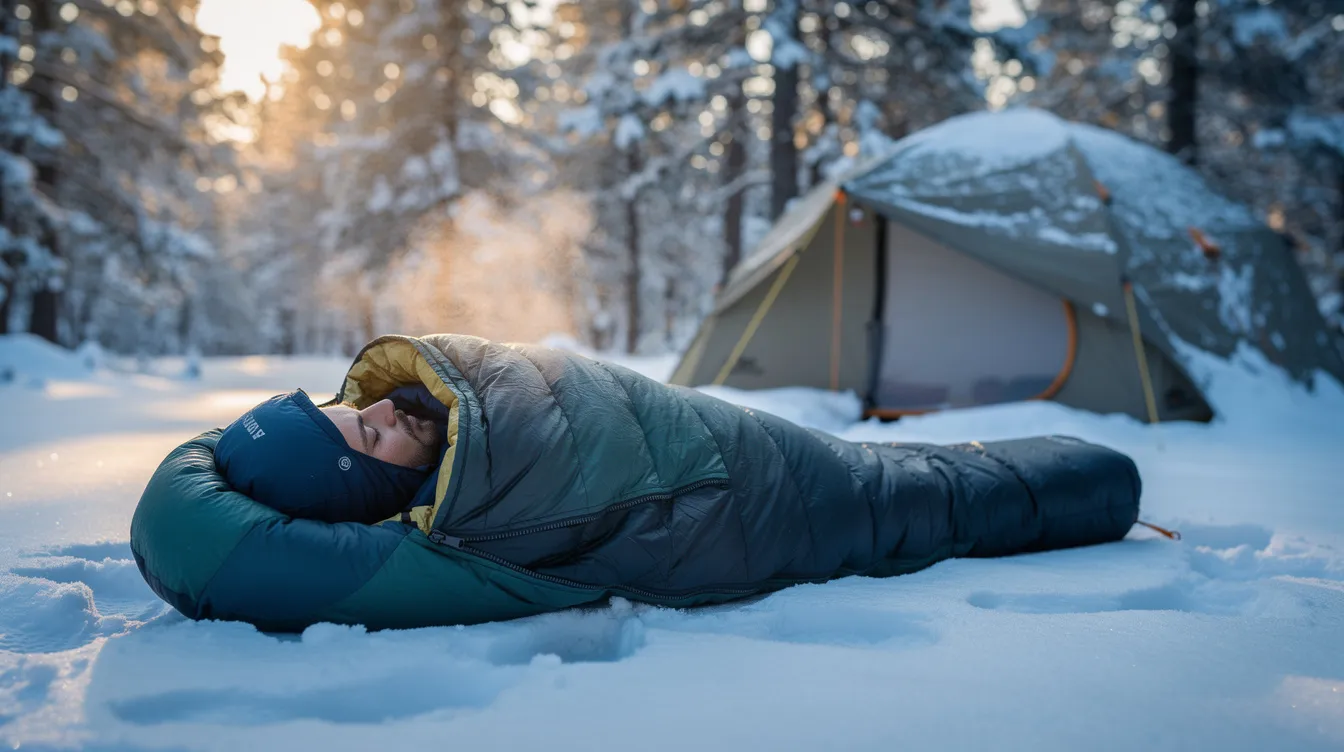
What separates thermal bags from basic summer sleeping bags comes down to several factors:
- Temperature ratings typically range from 0°F to 30°F (versus 40°F+ for summer bags)
- Thicker loft measured in inches—sometimes 10-12 inches for expedition models
- Draft collars (insulated neck baffles) that block 30-40% of potential heat loss
- Zipper draft tubes sealing gaps along the zipper line
- Cinchable hoods that reduce exposure around your head and neck
Many searchers looking for “thermal sleeping bags” may also encounter emergency reflective bags made from mylar or foil materials or be considering thermal blankets for bushcrafting and survival use. While this guide focuses on insulated, reusable models built for repeated cold nights, we’ll briefly cover emergency options for those building survival kits.
Best Thermal Sleeping Bags by Use Case (Quick Picks)
Best Overall Winter Thermal Bag: Mountain Hardwear Phantom 0 — Rated to 0°F with 800-fill down, massive draft tubes, and a snug mummy cut that eliminates cold spots. Ideal for high-altitude Rocky Mountain winter camping where temperatures crash below freezing. Check price on Amazon to see current availability.
Best Budget Car-Camping Thermal Bag: Coleman Heritage Big and Tall — A synthetic bag rated to 10°F that testers found toasty even in single-digit Sierra Nevada nights. Weighs around 6 lbs and won’t pack small, but delivers surprising warmth at a reasonable price under $150. Perfect for drive-up campsites and family camping trips.
Best Emergency Thermal Bag for Survival Kits: SOL Emergency Bivvy — Reflective mylar construction at roughly 4 oz, packing to grapefruit size. Not a replacement for an insulated bag but essential as a backup in vehicle kits or backcountry emergency scenarios, especially when paired with a well-stocked first aid medical kit.
Top Thermal Sleeping Bags for Camping & Backpacking (2024–2026 Models)
This section mirrors competitor model summaries but focuses specifically on bags excelling at thermal performance—heat retention versus weight and bulk trade-offs. Each model here has proven popular through the 2024-2026 seasons.
Western Mountaineering UltraLite 20 uses continuous baffles for even down distribution, eliminating cold spots that plague cheaper bags. With 850-fill down and a true 20°F rating, this lightweight bag (around 27 oz) handles three-season backpacking and mild winter conditions. The narrower cut minimizes dead air space but may feel restrictive for side sleeper types who move at night.
Mountain Hardwear Bishop Pass 15 hits a sweet spot at roughly $334, offering recycled down with a full-length zipper and water resistant shell. The draft collar seals well, and the bag offers enough roominess for layered sleeping without excessive cold air pockets. For readers who prioritize value alongside thermal performance, this bag offers strong returns.
Therm-a-Rest Parsec 0 uses mapped down zones and a convertible zipper system adding 5-10°F of versatility—open it for warm nights, seal it for cold nights. The 20-denier nylon shell provides water resistance while maintaining breathability, and pairing it with a waterproof sleeping bag cover helps keep insulation dry in prolonged wet conditions. One tester noted this bag’s footbox stayed consistently warm even at 10°F.
Sea to Summit Spark 0 delivers the best warmth-to-weight ratio in its class, using 850+ fill power down in a minimalist design. Weighing under 2 lbs at the 0°F rating, it’s a favorite for fastpackers and weight-conscious backpackers. The trade-off is a very snug fit and thin shell fabric requiring careful handling around rocks and gear.
Coleman Brazos 30 anchors the budget option category at under $50. This synthetic rectangular bag weighs 4+ lbs but provides honest 30°F comfort for car camping and warm nights during fall trips. The flannel liner adds a cozy feel, and the price point makes it accessible for families outfitting multiple sleepers.
Thermal Sleeping Bags for Extreme Cold & Expeditions
When temperatures drop to -10°F, -20°F, or even -40°F, your sleeping bag becomes survival equipment. This section covers expedition-grade thermal bags suitable for deep winter camping in Colorado’s January nights, northern Minnesota frozen lake adventures, or high-altitude basecamp preparation.
Western Mountaineering bags in the -10°F to -40°F range (like the Kodiak MF or Antelope) use 800-900+ fill power goose down with overstuffed baffles yielding 10-12 inches of loft. These bags compress surprisingly well given their warmth but require dry storage and careful moisture management in the field.
Ultralight & Compact Thermal Sleeping Bags
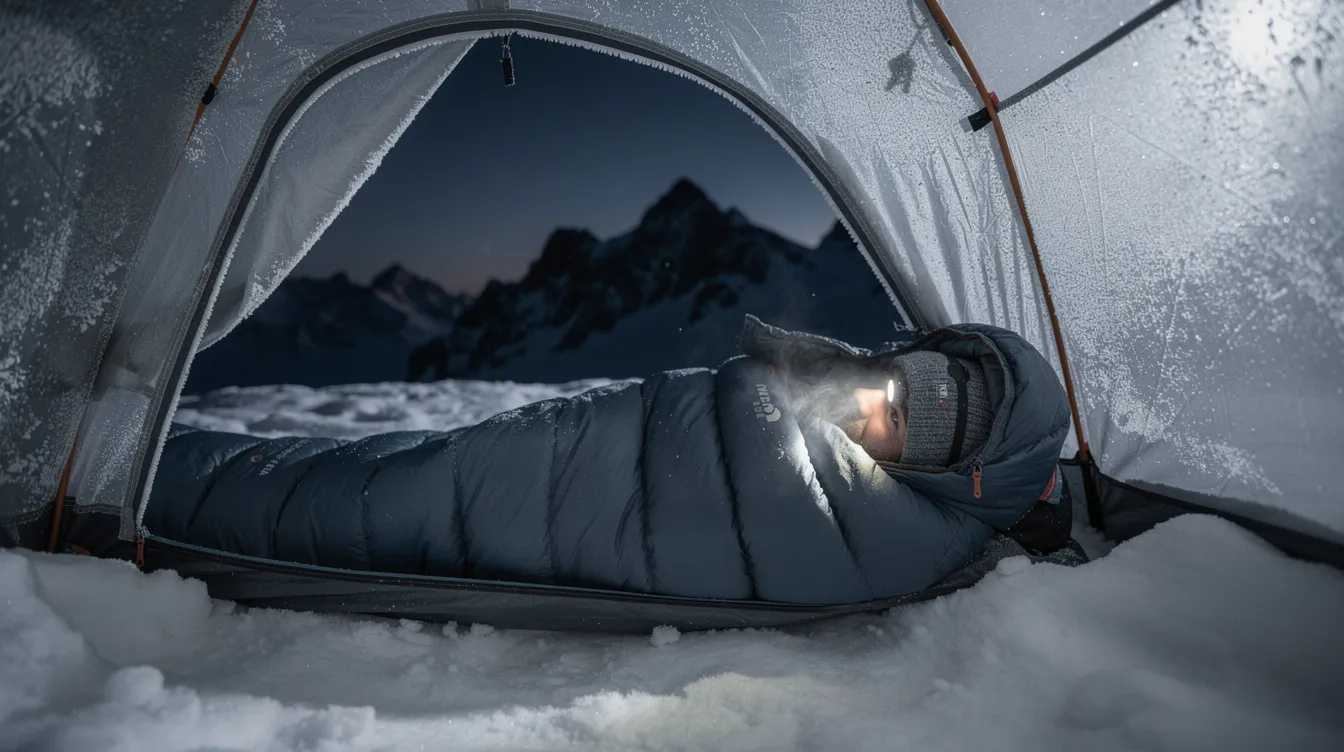
For backpackers and thru-hikers chasing maximum warmth per ounce, this section covers sub-2 lb thermal bags with packed sizes small enough for demanding trails or lightweight hammock-based sleep systems. Think Continental Divide Trail sections in May or September 2025-2026, where every ounce matters but nights still drop to 25-35°F.
Sea to Summit Spark series (15°F, 30°F options) uses 850+ fill power treated down in thin 10-denier shells. The weight savings are significant—under 1.5 lbs in some configurations—but the delicate materials demand care around abrasive surfaces.
How ultralight thermal bags achieve performance:
- Narrow mummy or quilt cuts minimizing dead air space
- Partial zippers or no zippers reducing weight and potential draft entry points
- Thin shell fabrics (10-15 denier) that tear more easily but save weight
- High-fill-power down (850-950+) with hydrophobic treatments for damp resistance
The compromises are real. Tighter fits can feel restrictive, especially if you’re layering clothing inside. Thinner fabrics require careful site selection to avoid punctures. Some ultralight bags thin out insulation in the legs or feet, requiring you to wear insulated booties at camp.
These bags work best for experienced backpackers who understand layering, site selection, and the limits of their gear. Upgrading supporting items like a dedicated camping pillow for better outdoor sleep comfort also makes a noticeable difference on demanding trails. For your next adventure on demanding trails, see latest ultralight pricing on Amazon to compare current options.
Budget & Family-Friendly Thermal Sleeping Bags
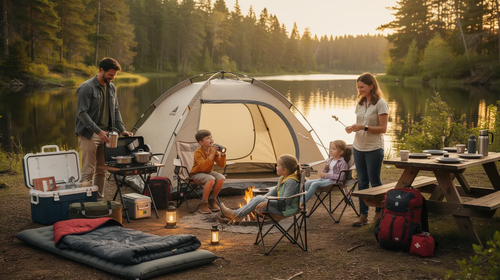
Not everyone needs a $700 alpine expedition bag. Many readers want something warm enough for shoulder-season car camping, scout trips, or backyard winter campouts with kids—without breaking the bank.
TETON Sports Polara 3-in-1 offers doublewide sizing with adjustable blankets—ideal for couples or parents sleeping with young children. The synthetic fill handles damp conditions well, and the modular design provides versatility from summer through shoulder seasons around 20°F.
Alps OutdoorZ Redwood -10 handles serious cold at a fraction of premium pricing. The thick synthetic insulation provides 80-90% loft retention when damp versus down’s roughly 50%, making it reliable for rainy or humid conditions. Expect 5+ lb weights and bulky packed sizes.
Common traits of budget thermal bags:
- Heavier weights (5-13 lbs typical)
- Bulkier packed size unsuitable for backpacking
- Rectangular or semi-rectangular shapes offering roominess
- Thick synthetic insulation at accessible price points
- Flannel or brushed polyester liners for comfort
Realistic temperature expectations: A budget bag labeled “0°F” often provides true comfort around 15-25°F. A 30°F rated budget option may be best for late-spring to early-fall cold nights unless you naturally sleep very warm.
Family kit ideas: Pair these thermal bags with insulated sleeping pads (R-value 3+), high-quality thermal socks to keep feet warm, fill a Nalgene water bottle with hot water as a heat source, and have everyone wear warm beanies to bed. These simple tricks extend comfort range without extra cost on camping trips.
Key Thermal Performance Factors
This section serves as your concise buying guide, focusing on thermal efficiency and real-world comfort rather than spec-sheet comparisons.
Insulation Type
Down bags offer the best warmth-to-weight ratio. Fill power measures loft quality—850-950+ fill power indicates superior thermal efficiency per ounce. Down compresses small and rebounds well but loses significant loft when wet unless treated with hydrophobic coatings like Nikwax or DownTek.
Synthetic bags retain 80-90% of their insulating ability when damp, making them superior for humid conditions and wet weather. They’re also more affordable. The trade-off is heavier weight and larger packed size compared to equivalent-warmth down bags, so pairing them with winter-ready thermal socks for cold conditions can help maintain overall comfort.
Reflective emergency materials (mylar/foil) bounce back 90% of radiant body heat for short-term survival but trap condensation and offer no real comfort for planned camping. Use them as supplements, not primary sleeping systems.
Temperature Rating
EN/ISO standardized testing provides three ratings: comfort (temperature where a standard woman sleeps comfortably), lower limit (for a standard man), and extreme (survival only). A bag rated 20°F comfort might handle 10°F nights with proper layering.
The general rule: buy a bag rated about 10°F colder than your expected lowest temperature for three-season use. For winter camping, add 15-20°F margin. A 0°F bag provides reasonable comfort into the single digits with proper pad and shelter.
Weight & Packed Size
Use Case | Typical Weight Range | Priority Level |
|---|---|---|
Ultralight backpacking | Under 2 lbs | Critical |
Standard backpacking gear | 2-3 lbs | High |
Car camping | 4-6+ lbs | Low |
Car campers can tolerate heavier bags since they’re not carrying them far. Backpackers need to balance warmth against every ounce, often shifting smaller essentials into compact chest bags for hiking and travel. Ultralight missions demand sub-2 lb options and minimal packed size. |
Shape & Fit
Mummy bags minimize internal volume, creating 20-30% better thermal efficiency than rectangular shapes per unit volume. Less dead air means less space your body must heat.
Rectangular bags offer roominess but create potential cold spots from excess volume. Some sleepers find them more comfortable despite reduced thermal efficiency.
Quilts eliminate the bottom insulation you’d compress anyway, saving 4-6 oz while integrating directly with your sleeping pad. They require careful tucking to prevent cold air infiltration.
Too-tight bags crush insulation beneath your body weight, reducing loft where you need it. A slightly roomy mummy allows loft to expand fully while still minimizing dead space.
Comfort Features
- Draft collar: An insulated neck baffle blocking 30-40% of heat loss from your upper body
- Zipper draft tubes: Fabric flaps sealing gaps along the zipper line where cold air enters
- Cinchable hoods: Adjustable closures keeping warm air trapped around your head
- Side baffles: Internal walls preventing down from shifting away from cold spots
- Multi-baffled footboxes: Ensuring consistent insulation around your feet
These details separate a warm bag from a great sleeping bag. When temperatures drop, quality thermal features multiply perceived warmth significantly.
Thermal vs. Emergency (Reflective) Sleeping Bags
Searchers looking for “thermal sleeping bags” sometimes mean compact emergency foil sacks rather than insulated winter bags. Understanding the difference matters for trip planning and safety.
Emergency thermal bags (mylar/reflective) weigh just 3-8 oz and pack to grapefruit size. They’re nearly waterproof and reflect up to 90% of radiant body heat, providing 6-12 hours of emergency warmth. The downsides: they trap condensation creating clammy discomfort, tear easily from abrasion, and offer zero insulation against ground cold.
Insulated thermal bags use loft (down or synthetic fill) to trap still air, providing many nights of reliable warmth with far greater comfort and durability. They handle real camping conditions across multiple seasons but weigh pounds rather than ounces.
Recommendation: Carry an emergency thermal bivy or bag in addition to—not instead of—an insulated thermal sleeping bag for winter backcountry safety or vehicle emergency kits. The emergency option serves as backup when conditions exceed your main bag’s rating or in genuine survival scenarios.
Good emergency options to pair with insulated bags include the SOL Emergency Bivvy (reflective, around 4 oz) and Adventure Medical Kits Thermal Bivvy (heavier but more durable). Both pack small enough to keep in your stuff sack or vehicle kit alongside your main bag.
How to Choose the Right Thermal Sleeping Bag for Your Trips
Selecting the right sleeping bag comes down to honest answers about how you’ll actually use it. Work through these questions:
1. How cold will it realistically get where you camp?
Late October in the Rockies often sees lows around 20°F. January in northern Michigan can drop below 0°F. Pacific Northwest shoulder seasons might hover around 30-40°F with high humidity. Match your temperature range expectations to your bag’s comfort rating, then add 10-20°F margin.
2. Are you car camping, backpacking, or doing expeditions?
Car campers can prioritize comfort and value over weight. Backpackers need to balance warmth against pack weight—a bit heavier bag might be acceptable for weekend trips but punishing on week-long trails. Expedition users need maximum thermal protection regardless of weight.
3. Do you sleep hot or cold?
Personal metabolism varies significantly. Cold sleepers should add extra warmth margin (buy a bag rated 15-20°F below expected lows). Hot sleepers might find a 20°F bag comfortable into the single digits with layering.
4. What’s your budget?
Premium down bags from Feathered Friends or Western Mountaineering run $400-900. Quality backpacking options from REI Co-op or Mountain Hardwear hit $250-400. Budget synthetic bags for car camping fall under $150. Higher quality generally means better warmth-to-weight, better durability, and better thermal features.
5. Do you need one bag or a two-bag system?
A two bags system—say, a 30°F bag over a 20°F bag—extends your temperature range modularly. This approach costs less than buying a single heavy expedition bag and offers flexibility. Use the lighter bag alone for milder conditions, stack them for deep winter.
Shortlist 2-3 candidates matching your use case, then compare current prices, reviews, and availability through Amazon to find the best sleeping bag for your needs.
Caring for Your Thermal Sleeping Bag
Preserving loft and fabric integrity directly impacts long-term thermal performance. A well-maintained bag can last a decade or more; a neglected one loses effectiveness within seasons.
Storage
Keep your bag loosely stored in a large cotton or mesh sack—never compressed in its stuff sack long-term. Down loses approximately 20% of its loft after 24 hours of compression; repeated compression degrades performance permanently. Avoid damp garages, attics, or basements where moisture accumulates.
Cleaning
Front-load washing machines work best (top-loaders with agitators can damage baffles). Use down-specific detergent like Nikwax Down Wash for down bags or mild synthetic-specific cleaners for synthetic bags. Rinse thoroughly to remove all soap residue.
Dry on low heat with clean tennis balls—they help break up clumps and restore loft. Expect multiple dryer cycles; down must be completely dry before storage to prevent mildew. Spot-clean hoods and draft collars between full washes to extend intervals.
Field Care
- Use liners to keep the bag interior cleaner and add 5-15°F of extra warmth
- Air your bag in morning sun to evaporate moisture from overnight condensation
- Keep bags away from campfire sparks, sharp rocks, and wet tent walls
- Fold differently each time to avoid creasing the same spots repeatedly
Simple Repairs
Small rips respond well to gear repair tape as temporary fixes. Broken zippers typically require professional repair. If your bag’s loft has noticeably collapsed—flat baffles under 6 inches versus 10+ inches when new—consider replacing it before demanding winter trips. Demote worn bags to mild-weather or loaner duty.
Conclusion: Building a Warm, Reliable Sleep System
A quality thermal sleeping bag forms the foundation of safe, comfortable nights during camping, backpacking, and winter adventures. Match your bag’s temperature rating to realistic conditions, choose insulation type fitting your style and budget, and prioritize fit alongside key thermal features like draft collars, hoods, and well-baffled footboxes.
Think of your bag as part of a bigger system: insulated sleeping pad providing ground insulation, shelter blocking wind and precipitation, base layers managing moisture, and possibly an emergency thermal bivy for worst-case cold nights.
FAQ: Thermal Sleeping Bags
How much colder than the forecast should my thermal sleeping bag be rated?
Most campers sleep comfortably when their bag’s EN/ISO comfort rating falls about 10°F colder than expected overnight lows. Winter bags benefit from 15-20°F extra margin since conditions can change rapidly and ground cold steals warmth faster than air temperature suggests.
Variables like wind, humidity, tent type, sleeping pad R-value, and personal metabolism all shift this baseline. Someone who naturally sleeps cold might need a 0°F bag for 20°F nights, while a hot sleeper stays comfortable in a 20°F bag under the same conditions. Treat ratings as guidelines, not guarantees—when uncertain, err toward the warmer option or plan to supplement with insulated clothing and a liner.
Can I safely use a 3-season thermal sleeping bag in winter?
It depends entirely on your specific conditions. A bag rated 20°F works fine for mild coastal winters where lows rarely dip below 25°F. The same bag becomes dangerous in interior states where January lows crash below 0°F.
If using a borderline bag, mitigate risk by adding a high-R-value sleeping pad (5+), wearing insulated layers to bed, using a fleece or synthetic liner, and considering an emergency thermal bivy as an outer shell. For consistent sub-freezing trips below 15-20°F, investing in a true winter-rated bag is the safer and more comfortable long-term choice.
Are thermal sleeping bags safe to use inside a vehicle or RV?
Using a thermal bag inside a vehicle or RV for warmth is generally safe and can reduce heater dependency. The key is adequate ventilation to prevent condensation buildup and carbon monoxide risks from any fuel-burning devices.
Never run a vehicle engine or unvented propane heater for extended periods while sleeping in a closed space, regardless of sleeping bag warmth. Crack a window slightly, avoid blocking exhausts with snow, and rely on your bag’s insulation rather than combustion heat whenever possible. Your thermal bag should let you stay warm without running systems that create exhaust hazards.
What’s the difference between a thermal sleeping bag and a thermal liner?
A thermal sleeping bag is your primary insulated shell providing most of your warmth through loft and draft protection. A thermal liner—fleece, silk, or synthetic fabric—is an inner layer added inside your main bag to boost warmth and keep the shell cleaner.
Quality liners add roughly 5-15°F of perceived warmth depending on material and construction. However, no liner transforms a 40°F summer bag into true winter protection. Think of liners as range extenders: they’re a budget-friendly way to push an existing thermal bag 10-15°F colder rather than purchasing an entirely new warmer bag.
How do I know if my thermal sleeping bag has lost too much loft?
Compare your bag’s current loft (thickness when fully fluffed) against manufacturer specifications or photos from when it was new. Panels that look flat or noticeably thinner indicate reduced thermal performance. Cold spots appearing in previously warm areas confirm loft degradation.
Older down bags can sometimes be revived through careful washing with down-specific detergent and thorough low-heat drying with tennis balls. If loft doesn’t return after proper cleaning and drying, the down clusters may be permanently fatigued from compression or moisture damage.
Replace heavily compressed or decades-old bags before demanding winter trips. Demote aging bags to milder-weather use, loaner duty, or car camping where reduced performance matters less than backcountry survival situations.
Member discussion