
Key Takeaways
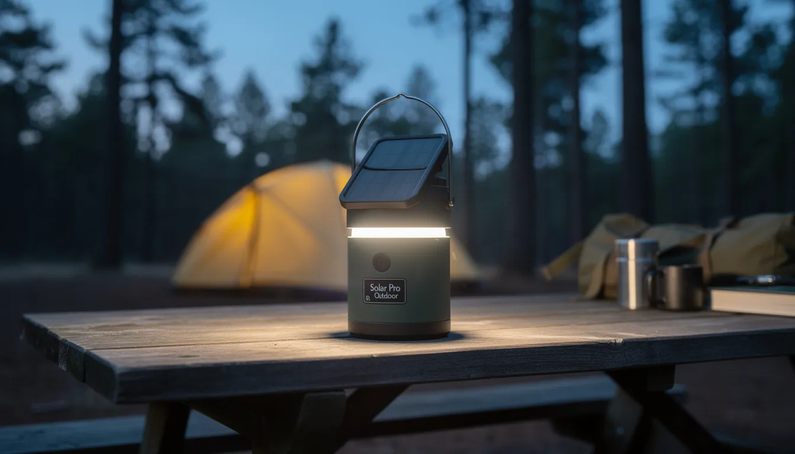
- Solar camping lights eliminate the need for disposable batteries, making them ideal for car camping, backpacking, and emergency situations. Modern models offer brightness levels ranging from 200 to 4000 lumens, sufficient to light up entire campsites.
- Genuine Wild is an independent outdoor gear review and affiliate site that tests and compares solar lanterns, featuring popular Amazon options such as the LuminAID Max, Goal Zero Crush Light Chroma, and versatile hybrids from Coleman and Energizer.
- Start by determining your intended use—whether for backpacking, car camping, or emergency backup—and select a lantern that fits your desired lumen output, battery capacity (2000–10000mAh), runtime, and charging methods like solar, USB, hand crank, or AA/AAA batteries.
- Weather resistance is essential—seek at least an IPX4 rating, with IPX5 to IPX68 preferred for stormy or extended trips. Collapsible and inflatable designs help conserve valuable pack space.
- This article concludes with a detailed FAQ covering charging times, winter performance, and whether solar lanterns can reliably charge phones off-grid.
What Is a Solar Powered Camping Light?
A solar camping lantern is an LED light featuring an integrated or external solar panel and a built-in battery—usually between 1500 and 10000mAh—that charges from direct sunlight and often via USB.
This technology became practical for serious outdoor use around 2015, when improvements in LED efficiency and lithium-ion batteries transformed what were once dim garden novelties into dependable camping gear. Modern solar panels achieve about 30% energy conversion efficiency—double that of the 1990s—while lithium-ion batteries offer 500 to 1000 charge cycles before notable capacity loss.
Today’s solar camping lights come in various styles:
Pros and Cons of Solar Lights for Camping
Solar camping lights have advanced significantly, but it’s important to understand their benefits and limitations before purchasing.
Pros
- Free energy from the sun — On multi-day trips, recharge your lantern during the day without carrying extra fuel canisters or disposable batteries.
- Lower environmental impact — They eliminate battery waste; a single rechargeable lantern can replace hundreds of AA batteries over its lifetime.
- Silent, odor-free operation — Unlike gas lanterns, solar lights operate quietly and emit no fumes, making them safe for use inside tents.
- No fire hazard — Traditional fuel lanterns cause many camping accidents annually; solar lights remove combustion risks completely.
- Ready for power outages — These lanterns can recharge daily on a windowsill or deck, making them excellent emergency backup lights for home use.
- Hybrid versatility — Many models include USB, hand crank, or AA battery backups, so you’re not fully reliant on sunlight during stormy or winter conditions.
Cons
- Slow charging in low light — Overcast skies or dense forest cover can reduce charging efficiency by 20–50%.
- Lower winter performance — Shorter days and low sun angles reduce charging capacity by 30–60% compared to summer.
- Requires daytime planning — You need to remember to place your lanterns in direct sunlight during the day for optimal charging.
- Budget models underperform — Many inexpensive lanterns have modest 1500–3000mAh batteries and often exaggerate lumen claims.
- May not suffice alone for heavy users — Guides or multi-week expedition campers may prefer combining solar lanterns with battery or fuel lanterns for redundancy.
Types of Solar Camping Lights
Solar camping lights come in different styles, each suited for various trip types and storage needs.
Collapsible “Can-Style” Lanterns
These telescope open from a compact disc shape, typically delivering 500–2000 lumens. Popular for general tent or picnic-table lighting, they pack flat for car camping bins. Budget-friendly 4-packs from brands like XTAUTO and DIBMS offer great value for family camps needing multiple lights around the site. When planning your gear, don't forget to consider emergency sleeping bags as another essential item for safety and comfort during your outdoor adventures.
Inflatable Lanterns
Models such as the LuminAID Solar Camping Lantern and Max Quick Inflate fold nearly flat, weigh just a few ounces, and even float on water. With 200–300 lumens and 2000–4000mAh batteries, they’re favorites among backpackers and emergency kit builders. Their lightweight design lets you carry multiple units without noticing the weight.
Hybrid Solar/USB/Battery Models
Units like the Energizer S-500 Hybrid Power Lantern run on solar, internal rechargeable cells, and sometimes standard AA batteries. This versatility provides backup during extended bad weather or indoor power outages.
High-Capacity Camp Lanterns
Large LED lanterns with 5000–10000mAh batteries and 1500–2000 lumens double as power banks for phones and other devices. They’re heavier—better suited for car camping or home emergency kits than ultralight backpacking—but deliver more light and longer runtime than compact options.
Hand-Crank Plus Solar Lanterns
These 3000mAh crankable models serve as last-resort lighting when both sun and USB power are unavailable. The manual backup ensures you’re never left without light.
Solar String Lights and Decorative Lanterns
Solar string lights (39–44 ft lengths) and flickering flame lanterns from brands like KOOPER add ambiance to awnings and van builds. They’re great for atmosphere but not suited for primary task lighting like cooking.
How Bright Should a Solar Camping Light Be?
Lumens measure total light output and are the key metric when comparing solar camping lanterns. Here’s a guide to what you need for common camping tasks:
Many Amazon listings advertise impressive lumen numbers (2000–4000+), but actual useful brightness often feels closer to 300–800 lumens. Check verified reviews and runtime data rather than marketing claims.
Look for lanterns with multiple brightness settings—typically 3–8 modes—and an eco low-light setting to extend battery life from a single solar charge. For backpacking, prioritize 150–300 lumens with good light diffusion (like LuminAID Max or Black Diamond Moji-class lights) over ultra-bright but heavy models.
Modern LEDs delivering 350–500 lumens provide illumination equivalent to a 40W incandescent bulb while using 90% less energy. This efficiency makes all-night solar lighting practical.
Battery Capacity, Runtime, and Charging Options
Battery capacity (measured in mAh), combined with LED efficiency and brightness settings, determines how long your solar camping light will last overnight.
Solar Charging Expectations
Most lanterns require 6–10 hours of direct summer sun for a full charge. Cloud cover or shade often means charging takes 1–2 days. When possible, top up by USB before leaving home.
Charging Methods Available
- Integrated solar panel — Built into the lantern top, convenient but limited surface area.
- Detachable/external solar panel — Allows flexible sun positioning for better charging.
- USB-C or micro-USB input — Essential backup for cloudy stretches.
- Backup AA/AAA battery bays — Hybrids like Coleman Classic Recharge offer this redundancy.
Manufacturer runtime claims tend to be optimistic. Expect about 50–70% of listed max hours in real-world use, especially in cold or windy conditions.
If your lantern doubles as a power bank for phones, heavy charging will reduce available light runtime. Treat the power bank as an emergency feature rather than your primary phone charger.
Weather Resistance and Durability
Understanding IP ratings helps you choose solar lanterns that withstand real camping conditions.
Construction Details to Check
- Robust plastic or rubber housings that absorb impacts.
- Protected USB ports with rubber flaps.
- Impact-resistant corners to withstand drops.
- Solid handles or hanging loops that won’t snap when hung from trees or tarps.
Inflatable and collapsible designs like LuminAID and Goal Zero Crush Light Chroma are surprisingly durable but can puncture if mishandled. Keep them away from sharp gear and store carefully.
Large emergency lanterns from Coleman or Duracell prioritize rugged shells and impact resistance over ultralight design—ideal for car camping and home backup where weight is less critical.
Best Use Cases: Car Camping vs Backpacking vs Emergency Kits
Your ideal lantern depends on whether you’re car camping, backpacking, or assembling an emergency kit.
Car Camping
When weight is less of a concern, prioritize:
- Brightness: 800–2000 lumens for cooking areas and group gatherings.
- Battery: 5000–10000mAh capacity with power bank functionality.
- Charging: Hybrid solar/USB for reliability.
- Features: Multiple color modes, hanging options for campfire areas.
These best camping lanterns illuminate entire campsites and can recharge phones in emergencies.
Backpacking
Every ounce counts when carrying your gear:
- Weight: Under 6–8 ounces.
- Format: Inflatable or small collapsible.
- Brightness: 150–300 lumens with good diffusion.
- Charging: Solar + USB combo.
- Runtime: Prioritize long battery life on low modes rather than maximum brightness.
Emergency and Home Backup
Storm preparedness requires redundancy:
- Main lanterns: 1–2 large units (6000–10000mAh, 200–1000 lumens) for primary rooms.
- Backup lights: Several compact solar lanterns or 4-packs for hallways, bathrooms, and kids’ rooms.
- Maintenance: Store charged, test every few months before storm season.
- Features: Red light option for nighttime navigation without disturbing sleeping family members.
Genuine Wild’s buying guides separate recommendations into these categories and link to current Amazon listings for easy price and availability checks.
Key Features to Look For in a Solar Camping Lantern
Use this checklist when shopping for your next solar light:
Brightness and Beam
- Appropriate lumen output for your use case.
- 360° lantern glow versus directional spotlight modes.
- Multiple brightness settings (3–8 modes).
- Warm white light for comfort, cool white for tasks.
- Red light for preserving night vision.
Power and Runtime
- Battery capacity matching your trip length.
- Average runtime on medium or low settings.
- Solar panels with reasonable efficiency (20%+).
- USB backup charging port.
- Battery longevity indicators (LED bars or percentage).
Mounting and Portability
- Foldable hanging hooks or carabiner loops.
- Magnetic bases for versatile attachment.
- Stable flat base for table use.
- Compact collapsed size for pack space.
- Bright options without excessive weight.
Additional Features
- USB output (USB-A or USB-C) for charging devices.
- SOS or strobe modes for emergencies.
- Built-in solar panel versus detachable options.
- Fan or radio hybrids for hot-weather car camping.
Lanterns with clear battery indicators help you know when to dim lights or switch to backup—essential for multi-night trips.
How to Use Solar Lights Effectively at Camp
Maximize your solar lantern’s performance with these practical tips.
Daytime Charging Strategy
- Charge lanterns on your car dashboard while driving to the campsite.
- Hang them from tent ridgelines or tree branches during the day.
- Position solar panels directly toward midday sun.
- Avoid placing them under dense tarps or awnings while charging.
Battery-Saving Tactics
- Use lower brightness modes for most tasks—you often need less light than you think.
- Reserve maximum brightness for cooking and group activities.
- Dim or turn off lights once everyone is in their sleeping bags.
- Use a dim headlamp for individual tasks instead of the main lantern.
Smart Lighting Layout
- One brighter central lantern for group tasks and cooking.
- Smaller dim lights at ground level to prevent tripping.
- Solar string lights as gentle path markers around tent sites.
- Hang lanterns rather than placing them on the ground for wider light coverage.
Cold Weather Considerations
Cold nights cause faster battery drain. Charge lanterns during warm daylight and store them inside your tent or vehicle overnight. In freezing conditions, keeping a lantern inside your sleeping bag maintains battery performance for morning use.
Care, Maintenance, and Safety
Proper care extends the life of your solar camping gear.
Regular Cleaning
- Wipe dust and pollen off solar panels every few trips—dirty panels lose up to 15% efficiency.
- Clean USB ports with compressed air to prevent charging issues.
- Inspect housings and lenses for cracks after each trip.
- Check hanging loops and hinges for wear.
Battery Health
- Top up rechargeable batteries every 2–3 months during storage.
- Avoid leaving lanterns fully discharged for long periods.
- Keep them out of extreme heat (like closed car dashboards in midsummer).
- Expect some battery capacity loss after 2–3 years of regular use.
Storage Best Practices
- Store lanterns completely dry in a gear bin or closet.
- Keep cords and accessories together in a labeled bag.
- Test each lantern for a few minutes before trips.
- Check stock levels and battery condition before storm season.
Safety Reminders
- Keep lanterns away from campfires and hot stoves.
- Avoid dangling cords across walkways where people might trip.
- Use dim or red light modes late at night to avoid disturbing neighbors.
- Never attempt to open or modify lithium battery compartments.
Genuine Wild’s Approach to Recommending Solar Camping Lights
Genuine Wild is a reader-supported outdoor gear review and affiliate site. When you shop through our Amazon links, we earn a small commission at no extra cost to you.
Our team compares dozens of solar and hybrid camping lanterns by reviewing specifications (lumens, battery mAh, IP ratings), verified customer reviews, and real-world usage from long-term campers, car campers, and emergency-preparedness users.
We prioritize reliability and value over hype. Our guides often recommend mid-priced models—like well-reviewed 4-packs or durable hybrid lanterns—rather than the cheapest or over-specced gear most campers don’t need.
Buying guides organize picks into three categories:
- Best for Car Camping — Higher brightness, larger batteries, power bank features.
- Best for Backpacking — Ultralight, compact, efficient.
- Best for Emergency Kits — Reliable, long-lasting, multiple units.
Each category links directly to current Amazon listings so you can check prices, coupons, and shipping times before purchasing.
FAQ
How long does it usually take to charge a solar camping lantern in real sunlight, and will it work on cloudy days?
Most solar lanterns need about 6–10 hours of good sun for a full charge. They still gain energy on cloudy days, but charging efficiency drops to 20–50% of normal. For reliable performance, combine solar charging with USB top-ups before your trip, especially during shoulder seasons or in forested areas with limited direct sunlight on your outdoor adventures.
Can a solar camping light reliably charge my smartphone on a weekend trip?
Lanterns with 5000–10000mAh batteries typically provide one or two partial phone charges. However, using them heavily as power banks significantly reduces available lighting runtime. Treat phone charging as an emergency feature—if you need consistent device charging off-grid, bring a dedicated portable power bank or larger solar generator.
Are solar camping lights good enough for winter camping or high-latitude trips?
Winter performance drops due to shorter days, lower sun angles, and cold-related battery efficiency losses. For winter or high-latitude trips, choose hybrid models with USB or replaceable batteries. Pre-charge via USB before leaving home, and keep lanterns inside your jacket or sleeping bag when not in use to maintain battery performance.
How many solar lights do I need for a family campsite?
A good starting point: one main lantern of at least 400–800 lumens for the cooking and eating area, plus 1–2 smaller lanterns or headlamps per person for tents and personal use. Optionally add a string of solar lights for pathways or tarps. This setup provides ample light without excessive weight or complexity.
What’s the difference between warm white, cool white, and red light modes on camping lanterns?
Warm white light (around 2700–3000K) feels cozy and is easier on the eyes during evening relaxation. Cool white light (4000–6500K) provides better visibility and detail for cooking and camp tasks. Red light preserves night vision and is less disruptive to nearby campers—ideal for middle-of-the-night bathroom trips or checking on kids without waking everyone.

Member discussion