
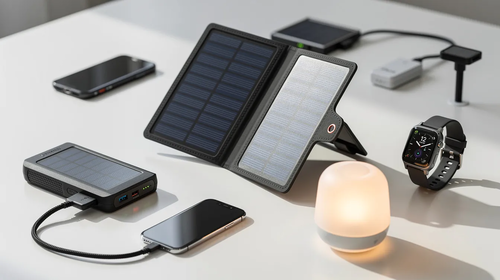
Harnessing the sun’s energy has never been more practical for campers, RV owners, and backyard enthusiasts. In 2026, solar power gadgets range from pocket-sized chargers to refrigerator-ready power stations, and most are available on Amazon with prices that make sense for everyday users.
Key Takeaways
- Solar gadgets in 2026 can cut home energy costs, boost off-grid reliability, and fit naturally into camping, RV, and backyard life without complex installation.
- Most products featured here are widely available on Amazon, with approximate price ranges from $30 for basic chargers to $1,500+ for comprehensive power stations.
- Even small devices like chargers, lanterns, and fans can meaningfully reduce battery waste, prevent spoiled food during power outages, and provide reliable emergency backup.
- These gadgets work equally well for backyard use and deeper adventures including car camping, overlanding, and off-grid cabins.
- We prioritize weather resistance, durability, and ease of use—gear that pairs well with your camping chairs, tents, and outdoor living setup.
Why Solar Power Gadgets Matter For Campers And Homeowners In 2026
Rising electricity prices and increasingly frequent grid outages have pushed compact solar gear into the mainstream. The 2024-2025 heatwaves and storms across the US and EU reminded many households that the grid isn’t always reliable, making portable solar products a practical investment rather than a luxury.
Small solar panels work through photovoltaic cells that convert sunlight directly into electricity. Modern solar gadgets combine these panels with built-in rechargeable batteries and USB or DC outputs, delivering power without noise, fuel, or emissions. Unlike gas generators, they operate silently—perfect for tents, RVs, and neighborhoods where noise matters.
Consider a weekend car-camping setup: a solar lantern, 20W charger, and small fan can keep your phone charged, your tent lit, and your sleeping area cool without a single disposable battery or extension cord. That’s the kind of practical independence these gadgets deliver.
Compact Solar Chargers And Power Banks
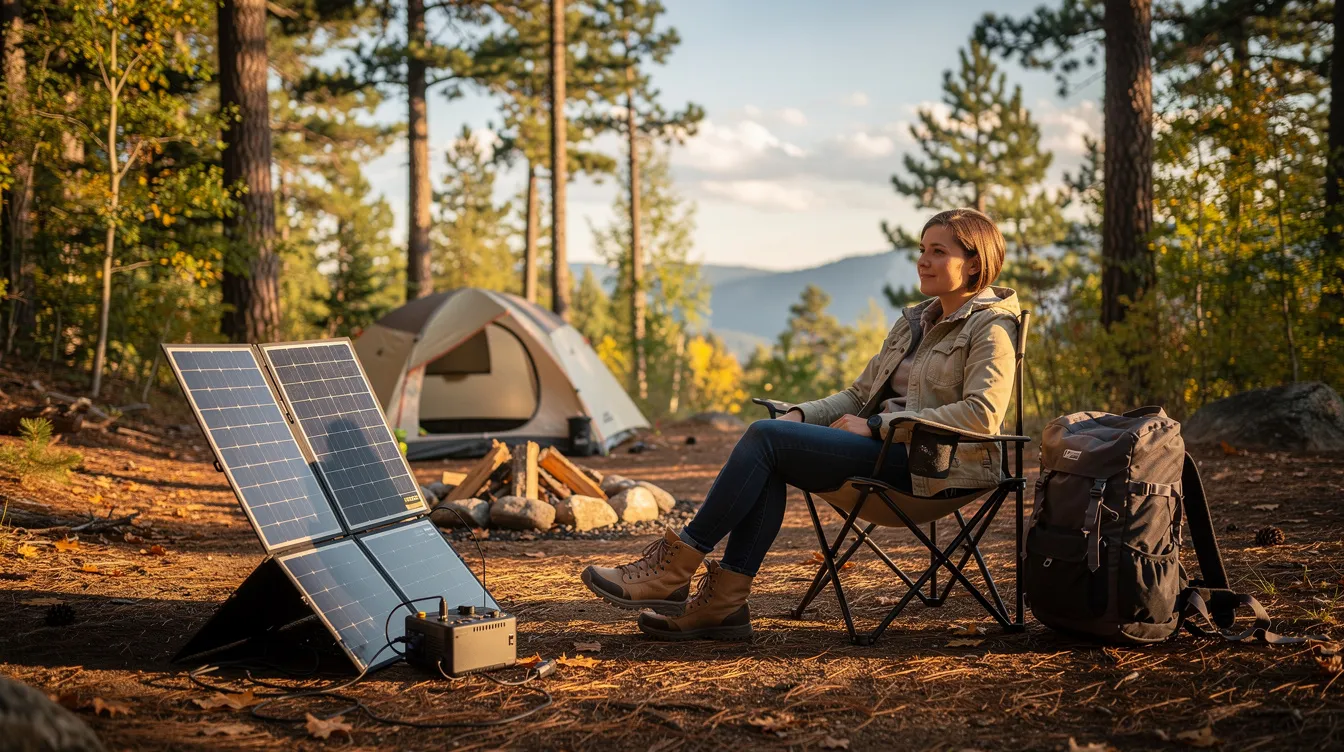
These are typically the first solar purchase for most outdoor enthusiasts—ideal for phones, headlamps, GPS units, and compact cameras during trips.
A 20-30W folding solar charger paired with a 10,000-20,000mAh power bank can keep two smartphones and a headlamp charged over a weekend camping trip. Look for models with both USB-A and USB-C PD outputs for compatibility with newer devices.
Where to use them:
- Clipped to a backpack while hiking
- Laid on a car dashboard during drives
- Set next to your camping chair in full sun at camp
Key buying criteria:
- Panel wattage (higher = faster charge)
- Weather resistance
- Integrated loops or carabiners for hanging
- USB-C Power Delivery support
Solar Lanterns For Campsites, Patios, And Power Cuts
Solar lanterns differ from basic garden path lights through higher lumen output, longer runtimes, and true portability. Quality models like collapsible or inflatable designs can deliver 35-50 hours of runtime on low brightness after a full day of solar charging.
A solar lantern can light up a picnic table, the inside of a tent, or the area around your camping chair without cords or spare AA batteries. Features to look for include multiple brightness modes, integrated USB charging for cloudy days, and emergency SOS modes.
For home use, keep one on a sunny window so it’s always charged and ready during storm-related blackouts. No plug required, no worry about dead batteries.
Solar-Powered Fans And Attic Systems To Stay Cooler
Hot attics and stuffy tents increase AC strain and make summer camping miserable, so choosing the best camping fan for your setup can make a big difference. Solar cooling addresses both problems.
Home option: A roof-mounted 20-40W solar attic fan can ventilate 2,000-2,800 square feet and reduce attic temperatures significantly. Traditional powered vents draw 300-400W continuously—solar attic fans eliminate that electricity cost entirely when sunlight is available.
Portable option: Clip-on solar camping fans hang inside tents or from canopy frames, running directly from integrated panels or a small solar battery. They’re quiet, safe for enclosed spaces, and eliminate the need to carry extra batteries.
Installation varies: roof fans are DIY-friendly for experienced homeowners, while portable fans simply clamp onto tent poles or chair frames. Either way, you get cool air without grid dependence.
Solar Refrigeration And Cooler Options For Food Safety
Spoiled food is one of the most expensive consequences of power outages and longer camping trips. Solar refrigeration solves this with 12V compressor-based fridges designed to work with portable power stations and solar panels, which can also power electric camping kettles for quick hot drinks.
A typical 45L solar-ready fridge draws 30-60W when the compressor runs, allowing day-long operation from a mid-size portable power station topped up by 100W+ of panels. Similar low-draw devices include solar showers for staying clean off-grid. Real-world use cases include:
- Backyard base camp with cold drinks next to your chair
- Car camping setups with fresh food for multiple days
- Emergency backup in apartments during outages
Key buying tips: Check insulation quality, single-zone vs. separate freezer compartment, low-voltage cut-off protection for car batteries, and compatibility with your existing power station brand.
Solar Power Stations For Off-Grid Camps And Backup Power
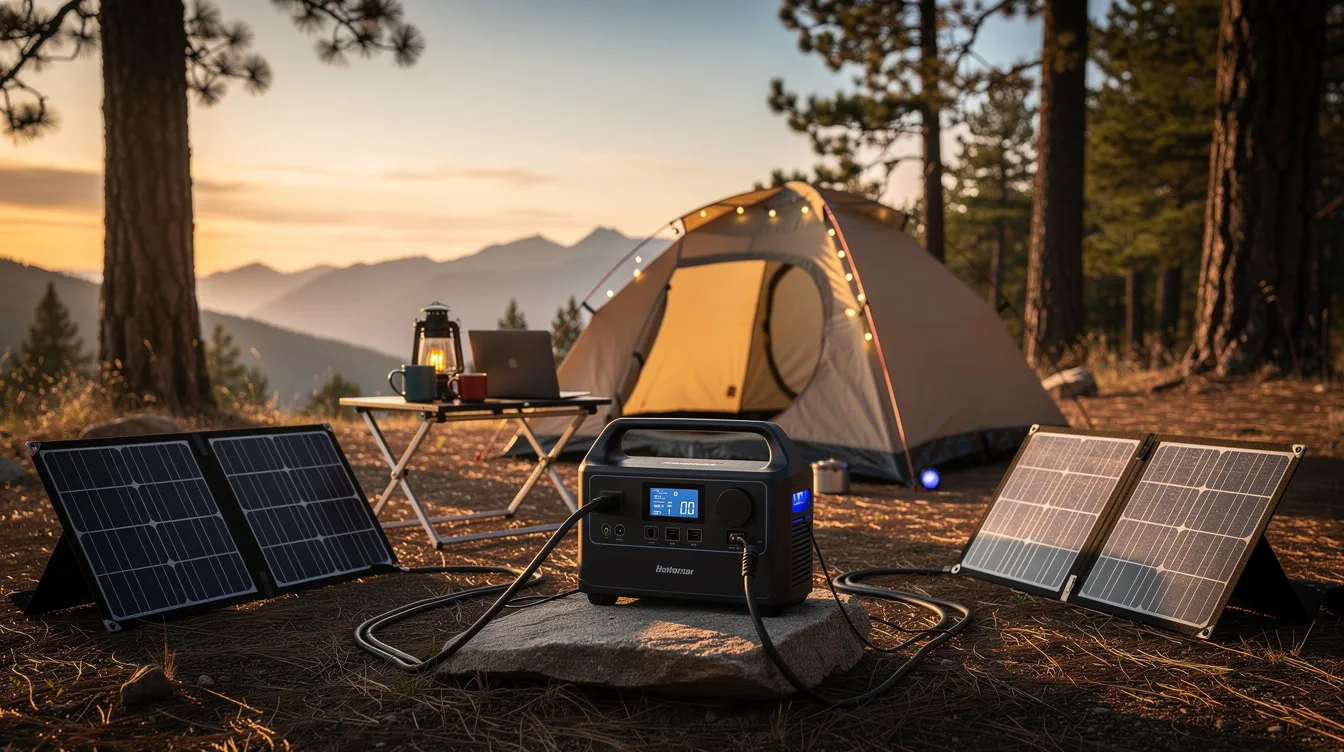
Pairing a portable power station (500-2,000Wh) with folding solar panels creates the hub of a small off-grid system and sits alongside core tools for camping and outdoor preparedness. The Jackery Explorer 2000 v2, priced around $1,299 with two 200W panels, can run a standard refrigerator for 24-48 hours during outages.
Mid-range units (1,000-1,500Wh) handle weekend camping realistically: a 12V fridge, phones, lanterns, laptop, and small fan without specialized wiring knowledge. Quiet operation beats gas generators every time.
Home backup scenario: Keep a Wi-Fi router, laptop, and small fridge running during a 24-48 hour outage, with panels recharging the station by day through a window or outdoor placement.
Before buying, check:
- Battery chemistry (LiFePO4 offers longer cycle life)
- Inverter wattage for AC devices
- Solar input wattage (determines recharge speed)
- Connector compatibility
Wearable And Everyday Solar Gadgets
Solar technology now integrates into everyday items, making it handy for hikers and travelers who want passive charging without extra gear.
Solar smartwatches (Garmin and similar 2024-2026 models) feature solar lenses that extend GPS and battery life by several days in bright outdoor conditions—no charging cables needed on multi-day trips.
Solar backpacks with integrated 5-10W panels and USB ports enable hands-free phone charging while hiking. The trade-off: panels face one direction, reducing efficiency when tilted.
Solar Bluetooth speakers designed for outdoor use sit next to your camping chair, playing music while trickle-charging in sunlight. Look for waterproof ratings and decent runtime.
Additionally, products like the Logitech K750 solar keyboard bring this technology to your computer setup at home, featuring low profile keys and months of stored charge from ambient light, while compact emergency tents and shelters extend that resilience to unexpected nights outdoors.
Outdoor Solar Lighting For Patios, Paths, And Camps
Solar LED string lights, path lights, and wall-mounted fixtures create ambiance at camp or in the garden without running extension cords or paying for electricity, and they pair well with reliable LED lanterns for camping and emergencies.
Practical applications:
- String lights around an awning or between trees for cozy evening atmosphere
- Solar motion-sensor flood lights at shed entrances or RV doors for security
- Path lights marking walkways to the house or campsite bathroom
Shopping considerations:
Feature | What to Look For |
|---|---|
Brightness | 50-500 lumens (path) to 1,000 lumens (flood) |
Panel size | Larger panels = faster charging |
Modes | Auto on/off, motion-sensor, or manual |
Runtime | 6-12 hours on full charge typical |
Even inexpensive sets dramatically reduce reliance on plug-in patio lights when positioned in good sunlight and occasionally cleaned. |
Solar Gear For Emergency Preparedness
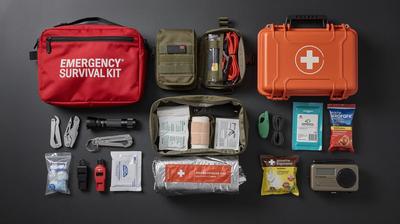
Recent severe weather events and rolling blackouts have made solar-based emergency kits increasingly popular. The best part: these items double as camping essentials, especially when you include a rechargeable camping lantern alongside your solar gadgets.
Recommended emergency bundle (rounded out with a bright LED lantern light):
- Folding solar charger (20-30W)
- Power bank (10,000-20,000mAh)
- Solar lantern with SOS mode or a compact rechargeable lantern light
- Compact radio with solar and hand-crank
- Portable fan for heatwaves
Store near a sunny window or in a go-bag by the door. Test everything every few months—finding a dead battery during an actual emergency isn’t fun.
Prioritize reliability and user reviews over the cheapest price, especially for radios and lights you might rely on during disasters. Peace of mind is worth a few extra dollars.
How To Choose The Right Solar Power Gadget For Your Setup
Before clicking through to Amazon, run through this quick checklist:
Key factors:
- Primary use case (camping vs. home backup)
- Power needs (phones only vs. fridge + laptops)
- Available sunlight at your location
- Storage space in car, room, or closet
Rule of thumb: More watts in panels equals faster charging. More watt-hours in batteries equals longer runtimes.
Start small—one lantern and one charger. Expand to a power station or solar fridge once you understand your habits. Save money by not over-buying initially.
Read recent 2025-2026 user reviews on Amazon for reliability info, warranty support, and performance in different climates. What works in Arizona may behave differently in winter in Minnesota.
FAQ
These answers cover common questions not fully addressed above, aimed at first-time solar gadget buyers.
How much sun do solar power gadgets really need to work well?
Most gadgets are rated based on “full sun”—around 4-6 hours of direct midday summer sunlight. Cloudy days still provide some charge, but don’t expect full rated output without direct sun. Reposition panels 1-2 times daily at camp, avoid heavy shade, and angle toward the midday sun for best results.
Can I safely leave my solar gadgets outside all the time?
Many outdoor lights and panels are weather-resistant, but long-term exposure to hail, snow, or extreme heat shortens lifespan. Check IP ratings and manufacturer guidance. Lanterns and power banks are better stored indoors when not in use, while permanent garden lights and attic fans are designed to stay installed outside.
Do solar gadgets still work in winter or cold climates?
Solar panels actually operate more efficiently in cold temperatures, but shorter days and lower sun angles reduce total daily production. Snow or ice can completely block panels until cleared. Tilt panels more steeply toward the low winter sun, keep them clear, and expect longer charge times compared to summer use.
Are solar power gadgets worth it if I already have a rooftop solar system?
Rooftop systems mainly offset grid electricity, while portable gadgets provide flexibility during outages and on trips. Even households with large solar arrays often lose power when the grid goes down unless they have battery backup—which is where portable power stations and lanterns shine. Focus gadget purchases on emergency backup and portable outdoor comfort.
How long do small solar gadgets typically last before needing replacement?
Quality solar lanterns and chargers often last 3-7 years with regular use, while cheaper garden lights may fade after 1-3 seasons. Battery health is usually the limiting factor. Choose brands with replaceable batteries when possible, and store gear partially charged (40-60%) if it will sit unused for several months.

Member discussion