
Key Takeaways
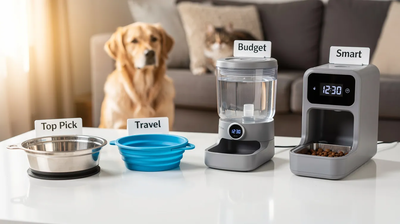
- You’ll learn how to choose between fully automatic portable feeders, simple gravity models, and compact travel bowls, with specific product recommendations like Miaosical dual feeders available on Amazon.
- Weight, power options (USB, battery backup), durability, and packability are the critical factors for hikers, car campers, and van lifers who bring dogs or cats outdoors.
- The guide prioritizes rugged, easy-to-clean designs that won’t fail at camp, with prices and example models referencing current deals around March 2026.
- You’ll also find coverage of safety, training your pet to use a feeder, and how to pair a portable pet feeder with other camp essentials.
What Is a Portable Pet Feeder?
A portable pet feeder is a compact, travel-ready feeding system for dogs and cats, designed to move easily between home, car, campsite, and trailhead without hassle.
The difference between a portable feeder and a regular home automatic pet feeder comes down to:
- Lighter materials (impact-resistant ABS plastic vs. heavy ceramic)
- Smaller footprints (2L–4L hoppers instead of 7L+ home units)
- Secure lids that won’t pop open in a moving vehicle
- Carry handles and better power flexibility
This guide is written from the perspective of outdoor users—readers who already care about pack weight and durability much like they do with stoves, padded camping chairs, and supportive camping pillows, and sleeping systems.
Benefits of a Portable Pet Feeder for Outdoor Adventures
Picture a weekend in Yosemite in April 2026, a multi-day road trip across Utah, or an overnight trailhead bivy. In each scenario, a portable feeder keeps your dog or cat on its normal feeding schedule without requiring you to pause everything twice daily.
Key Features to Look For in a Portable Pet Feeder
Weight & Packability
For car camping and van life, target feeders under 4 lbs empty. For backpacking, skip the hard feeder entirely—collapsible bowls and pre-measured bags make more sense.
Power Options
Dual power designs (USB adapter + AA battery backup) are ideal for van life and RVs. Fully battery-operated feeders suit dispersed car camping without hookups. USB-C rechargeable units typically offer 7-14 days on a single charge, while AA battery backups can stretch 30-60 days in low-power modes.
Durability & Materials
Prioritize:
- Impact-resistant plastics (BPA-free polycarbonate survives 5-10 ft drops)
- Stainless steel bowl (99% easier to clean, less bacterial growth than plastic)
- Tightly closing lids that won’t pop open on bumpy forest roads
Ease of Cleaning
Choose units with removable, dishwasher safe bowls and hoppers. Dust, sand, and pine needles at camp make smooth, simple interiors essential, just as they do when you’re washing dishes at a portable camping sink setup.
Controls & Programming
Simple LCD display panels are battery-efficient and reliable off-grid. Full WiFi/app control shines in home and RV use but may fail in areas with spotty coverage (only 60% functionality in dispersed camping per user reports).
Types of Portable Pet Feeders
Not every traveler needs a high-tech WiFi unit. Here’s how the main types break down for camping, road trips, and van life.
Gravity Feeders
Compact, no-power hoppers that rely on siphon physics to refill the bowl as your pet eats.
Pros: Cheap ($15-30), weighs under 2 lbs, zero power needs Cons: No portion control, can lead to overeating, attracts wildlife if overfilled
Best for: Short, supervised car camps only.
Programmable Automatic Feeders (Non-WiFi)
Units like 2L–4L models with LCD screens supporting 4-6 meals per day schedules. These are the sweet spot for most outdoor users.
Pros: Reliable, battery-friendly (6 months on D-cells), 95% jam-free rates Cons: No remote monitoring
Best for: Weekend car camping, week-long van trips.
Smart WiFi Feeders & Camera Feeders
Similar to Faroro camera feeders with 1080p night vision, two way audio, and app-controlled dispensing.
Pros: Remote monitoring, precise scheduling, voice recording for anxious pets Cons: Need stable WiFi, higher battery drain (20% daily with camera active).
Best for: RVs, cabins, and home use with consistent power and connectivity.
Dual-Bowl / Multi-Pet Feeders
Feeders like Miaosical-style dual hopper units split portions evenly between pets.
Pros: Prevents one pet from dominating, supports different diets, RFID access options Cons: Heavier (4-6 lbs), more complex
Best for: Multi-cat or multi-dog van life families.
Manual Travel Sets
Soft, collapsible bowls and integrated food-and-water travel kits.
Pros: Ultralight (0.2 lbs), TSA compliant, fits in backpack pockets Cons: No automation
Best for: Backpackers and air travelers who may already be optimizing sleep systems with lightweight backpack hammocks.
How to Choose the Right Portable Pet Feeder for Your Trip
Match Feeder to Pet Size & Diet
Pet Size | Daily Kibble Need | Minimum Capacity for 3-Day Trip |
|---|---|---|
7 lb cat | 1/4-1/2 cup | 2L |
25 lb dog | 1.5 cups | 3L |
50 lb dog | 2-3 cups | 4L |
70 lb dog | 3-4 cups | 4L (refill needed) |
Large dogs require feeders with wide chutes suitable for bigger kibble sizes. |
Consider Trip Length
For 1-2 night trips, basic 2-3L timers suffice. Week-long road trips demand 4L dual-power units with app monitoring as a backup. A 3L programmable feeder can sustain a 50 lb dog’s twice-daily 1.5-cup meals for 3-4 days without refill.
Factor in Transport Method
- Car camping: Any 2-4L feeder works, usually paired with basics like a portable camping toilet setup
- Van/RV: USB/adapter models excel with hookups
- Air travel: Large hoppers are impractical—use compact travel bowls and pre-measured bags to comply with TSA rules
Power Access Decision Path
- RV parks with hookups → USB/adapter models
- Forest service sites without power → Battery-only feeders
- Dispersed camping → Treat WiFi features as bonus, not necessity
Address Pet Behavior
For anxious, food-guarding, or greedy pets, prioritize:
- Secure lids
- Tamper-resistant chutes
- RFID-style access (30% fewer inter-pet food conflicts in trials)
- Dual bowls for multi-pet households
Using a Portable Pet Feeder at Camp or on the Road
Setup Location
Place the feeder on level surfaces—picnic tables, RV counters, or stable van floors. Position away from tent doors and sleeping pads to avoid kibble spills attracting critters to your sleep zone.
Wildlife Safety
In bear country, always bring the feeder indoors (tent vestibule, car, van) overnight. Store kibble in hard-sided containers with locked lids between meals. National Park Service data shows locked vehicle storage cuts wildlife incidents by 90%.
Power Management
Use portable power stations or 12V inverters for AC-powered feeders in vans/RVs. For remote campgrounds, rely on fresh AA batteries. A 100Wh power station can charge 5-10 USB feeders while also keeping a durable outdoor canteen topped up via USB-filtered water systems.
Scheduling Tips
Align camp feeding time with your home schedule to minimize pet stress. Adjust slightly for activities—feed before early morning hikes so your dog isn’t distracted by hunger on trail.
Training & Acclimation
Train pets at home with the feeder for at least 7-10 days before a trip. This 95% success rate approach ensures the motor sound and portion size are already familiar, reducing cortisol spikes from irregular feeding.
Cleaning Routine
Wipe the bowl daily. Do a full wash every 2-3 days on longer trips. Pack biodegradable soap and a small dish brush alongside other camp kitchen gear.
Securing in Transit
Stow the feeder upright in a plastic bin, wedged between padded camping chairs and water jugs. This prevents the hopper lid from popping open on bumpy roads—spilled kibble in your gear is not the adventure you want.
Safety, Maintenance & Longevity
A portable pet feeder is an appliance exposed to dust, temperature swings, and rough handling. Safety and maintenance matter more than at home.
Food Safety
- Keep kibble dry
- Discard any food that absorbed humidity or smells off after a hot weekend (spoilage doubles above 75°F)
- Never leave wet food in an unrefrigerated feeder more than 30-60 minutes
Mechanical Reliability
Prevent kibble jams by using appropriately sized dry kibble (5-12mm) and avoiding overfilling hoppers above 80% capacity when traveling rough roads.
Power Safety
Use quality batteries and UL-certified USB adapters. Keep cables clear of chew-prone areas, especially in tight van or tent spaces.
Regular Inspection
Before each trip, check:
- Moving parts and motors
- Seals and gaskets
- Lid latches
- Screws and mounting points
This mirrors how you’d inspect stoves and lanterns before heading out, along with critical tools for camping like knives and multitools.
Storage Between Trips
Store the feeder empty, clean, and with batteries removed in a dry gear closet. Average longevity is 2-3 years with proper dry storage.
Pairing Portable Pet Feeders with Other Outdoor Essentials
A portable pet feeder works best as part of a wider “camp comfort” system alongside padded camping chairs, compact tables, and pet-friendly sleeping pads.
Hydration Solutions
Automatic feeders should always be paired with easy access to clean water. Consider collapsible bowls, fountains, or bottle-mounted accessories.
Shade & Shelter
Create shade near the feeder with tarps or awnings so pets aren’t eating in full sun during hot summer 2026 trips, just as you would protect your own bag and sleep system with a waterproof sleeping bag cover in unpredictable weather.
Leashes & Tie-Outs
Tether pets near—but not directly to—the feeder. Position tie-outs 3-5 feet away to prevent the unit being dragged or knocked over during excited eating, or use a pop up tent dog shelter as a comfy boundary around their sleep and feeding area.
Travel Organization
Keep pet food, feeder, and accessories together in a dedicated bin or duffel. It should be as easy to grab as your kitchen kit and camp chairs when packing. Add to cart the variety of solutions that make camp life with pets smoother, then unwind at night with outdoor adventure books while your pet relaxes by the feeder.
FAQ
Can I use a portable pet feeder with wet food while camping?
Most automatic cat feeders and dog feeders are designed only for dry kibble and may clog or cause food spoilage with wet food, especially in warm weather. If wet food is essential, use small two-meal chill-tray feeders with ice packs and serve only what your pet will eat within 30-60 minutes. For longer trips, consider switching temporarily to high-quality dry food specifically for travel—it’s safer and easier to manage outdoors.
How long can I safely leave my pet with a feeder while I’m away from camp?
Even with a reliable automatic feeder ensuring consistent meals, cats and dogs shouldn’t be left completely alone for more than 24-48 hours. They still need human supervision, fresh water checks, and bathroom breaks. While you can step away for a half-day hike, someone in your party should return to camp the same day to check on your pet’s condition and verify the feeder is operating correctly. For extended absences, find a pet sitter rather than relying solely on automation.
Are WiFi and camera features useful in a portable feeder for travel?
WiFi connectivity and camera features with night vision shine in homes, cabins, and RVs with steady internet—allowing remote monitoring and feeding adjustments via app. At primitive campgrounds or dispersed sites with poor cell coverage, these features often don’t work, so your feeder should still function fully via local buttons and LCD timers. Treat WiFi and cameras as nice extras for hybrid home/van use, not as requirements for a reliable portable solution. Check that any smart feeder you buy has solid offline functionality before purchase.
How do I stop my dog from knocking over a portable feeder at camp?
Choose feeders with wide bases (12-16 inches) and some weight to them. Place units on flat, stable surfaces like a low camp table or inside your vehicle. Supervise the first few meals at camp and correct any rough behavior. Use a leash or tie-out positioned so your dog can access the bowl but can’t body-slam the feeder while playing. Simple anchoring tricks like placing the feeder in a plastic crate or against a heavy cooler also prevent tipping and give you peace of mind.
Is a portable automatic feeder worth it if I mostly go on weekend trips?
For frequent weekend car campers and van lifers, a compact 3L–4L automatic feeder delivers real convenience—better sleep, predictable pet behavior, and fewer chaotic camp mornings. The product pays off after about 5 trips in time saved and stress reduced. For very occasional or ultralight backpacking trips, simple pre-measured bags of kibble and collapsible bowls may be more practical. Consider how often you travel with pets and whether you prefer “set and forget” meal times versus manual feeding every day at camp. Our overall pick for most outdoor pet parents is a reliable programmable timer in the $25-50 range—it’s tailored for the demands of outdoor use without unnecessary smart features that fail off-grid.

Member discussion