
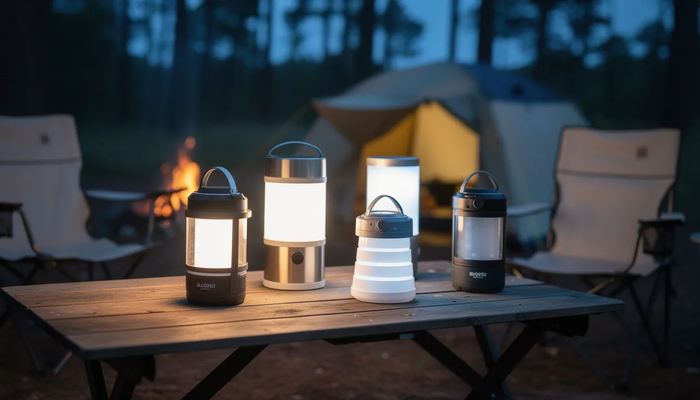
When the power goes out or night falls at the campsite, a pop up lantern delivers exactly what you need: bright light that stores flat and deploys in seconds. These collapsible devices have become essential gear for outdoor enthusiasts, emergency preppers, and promotional buyers alike. Here’s everything you need to know about choosing the right one.
Key Takeaways
A pop up lantern is a compact lighting device that collapses for storage and expands to reveal an LED or COB light source, providing 360-degree illumination rather than a narrow flashlight beam.
- Pop up lanterns combine portable storage with bright LED output ranging from 150 to 1000+ lumens, making them ideal for camping, power outages, roadside emergencies, and corporate giveaways.
- Buyers can choose between battery-powered, rechargeable, and solar models depending on trip length, frequency of use, and whether they need USB charging capability.
- Promotional buyers can typically order from as few as 5–30 units with custom branding available on many models, making them practical corporate gifts for outdoor and preparedness themes.
- Modern 2024 features include IPX4 water resistance, multiple light modes (high, low, red, strobe), fold-out handles, magnetic bases, and runtimes up to 24 hours on low settings.
- Premium models double as power banks, allowing you to charge devices while camping or during emergencies—a feature that adds significant value for extended trips off-grid.
What Is a Pop Up Lantern?
A pop up lantern is a compact lantern that collapses down for storage and expands to reveal its light source when you need illumination. Most modern models use COB (Chip on Board) or high-efficiency LED technology, including CREE emitters known for their tight beam patterns and longevity.
A pop up lantern is a portable illumination solution for outdoor adventures. When extended, the lantern provides diffused, 360-degree illumination suitable for tents or tables. Pulling the lantern up activates the LED lights, while pushing it down turns them off. When collapsed, the lantern serves as a concentrated, high-intensity spotlight or flashlight. The lantern transforms from a small, handheld flashlight into a 360-degree area lantern by pulling the top bezel upward.
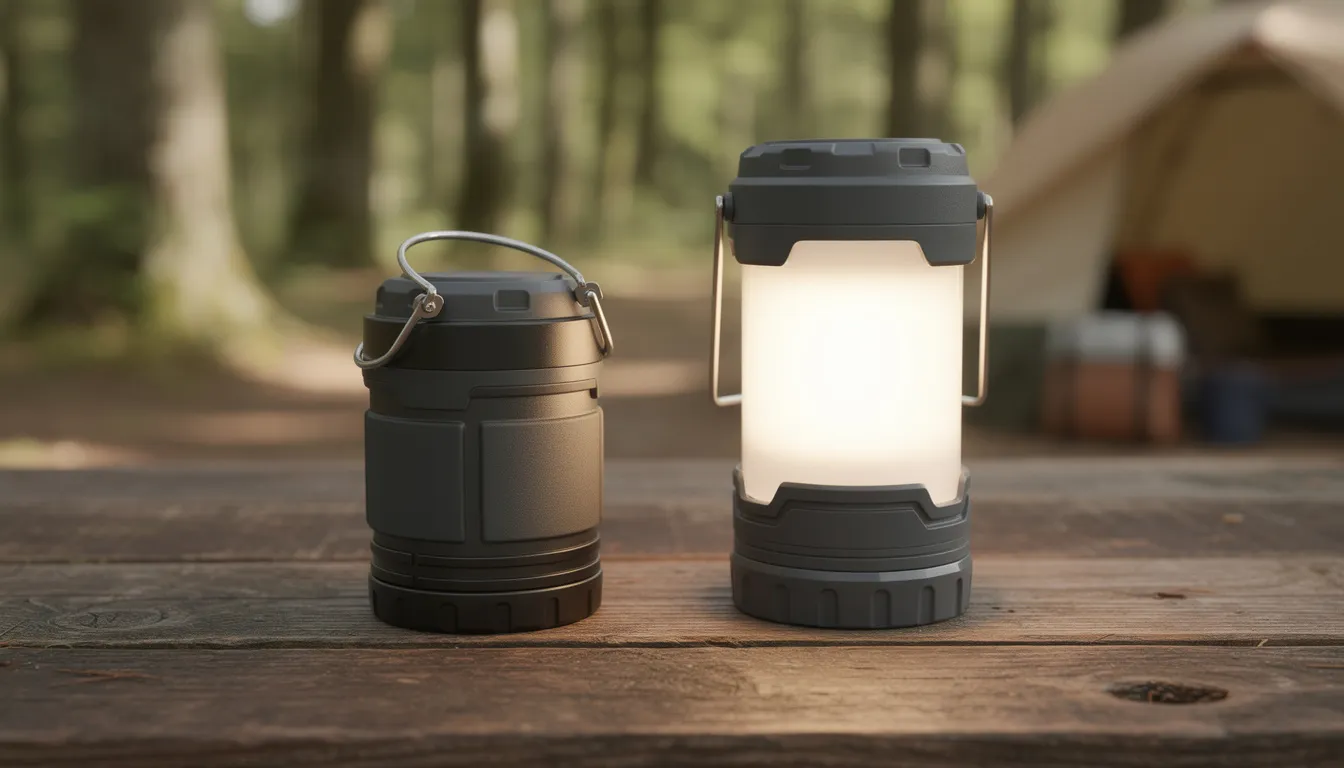
The design fundamentally differs from traditional camping lanterns and standard flashlights:
- Classic camping lanterns feature rigid bodies that take up significant space in your pack or car, even when not in use.
- Flashlights produce directional beams that pierce darkness effectively but struggle to illuminate entire rooms or tent interiors.
- Pop up lanterns merge both functions, offering focused spot illumination in one mode and omnidirectional 360-degree area light when expanded.
Common 2024 features include collapsible bodies that reduce packed depth by 50% or more, fold-out or top handles for hanging, IPX4 or better water resistance for wet conditions, and impact-resistant housings built to survive drops on rocky trails. For outdoor navigation, check out the best compasses for every adventure in 2024.
Why Choose a Pop Up Lantern Over Other Lights?
Choosing the right portable light source matters when you’re hiking into a remote campsite or preparing for storm season. Pop up lanterns occupy a unique middle ground that makes them practical for situations where other devices fall short.
Light Type | Beam Pattern | Packed Size | Best Use |
|---|---|---|---|
Directional (narrow) | Compact | Trail navigation, searching | |
Head torch | Directional (hands-free) | Very compact | Hiking, reading |
Fixed lantern | 360° (bulky) | Large | Base camps, home use |
Pop up lantern | Both modes | Very compact | Tents, emergencies, versatile |
Key advantages of pop up lanterns include: |
- Small packed size: Most models collapse to fit in a coat pocket or glove compartment, making them easy to add to any emergency kit or day pack.
- Fast deployment: A simple pull or twist transforms the unit from closed storage mode to full brightness in under two seconds—no fumbling in the dark.
- 360-degree ambient light: Unlike flashlights that create harsh shadows, pop up lanterns fill tents, rooms, and cooking areas with even illumination ideal for card games, meal prep, or reading.
- Versatile brightness ranges: Small models typically output 150–500 lumens, while larger emergency or work lanterns reach 500–1000+ lumens.
Real-world scenarios where pop up lanterns excel:
- Storm power outages: When the grid goes down, a pop up lantern floods your living room with light instead of the narrow beam a flashlight provides.
- Late-night hiking: Reaching camp after dark, you can hang your lantern to illuminate the entire cooking area while setting up your tent.
- Backyard gatherings: Place one on the picnic table for ambient lighting without running extension cords.
- Car emergency kit: Keep a compact model in your trunk for roadside emergencies—the magnetic base attaches directly to your vehicle’s frame for hands-free work.
Key Types of Pop Up Lanterns
The pop up lantern market in 2024 offers several distinct categories, each optimized for different power sources, use cases, and budget levels. Understanding these types helps you match the right product to your needs.
Battery-Powered COB Pop Up Lanterns (AA/AAA
- Lower upfront cost, typically mid-teens per unit
- Ideal for corporate giveaways and bulk orders of 25–50+ units
- Simple operation with no charging required—just add batteries and go
- Brightness ranges from 150–300 lumens on most models
- Best for emergency kits where you can stock spare batteries for long-term storage
Rechargeable USB/Lithium-Ion Lanterns
- Feature USB-C or micro-USB charging ports
- Runtimes up to 24 hours on low modes, 4–8 hours on high
- Higher per-unit cost offset by elimination of ongoing battery purchases
- Suitable for frequent campers who can charge between trips
- Many include charge indicators so you know battery status at a glance
Solar-Assisted and Hybrid Designs
- Incorporate solar panels that charge during the day
- Solight’s origami-inspired SolarPuff uses triaxial sailcloth diffusers that fold flat for storage
- Excellent for extended off-grid trips or humanitarian aid situations
- Some require several hours of sunlight exposure before first use
- Often feature waterproof construction (IP65) for harsh conditions
- Models with built-in Bluetooth speakers for campsite entertainment
- Versions that double as 4000mAh or similar power banks, letting you charge phones and devices
- Typically higher price point but eliminate need to carry multiple devices
When evaluating types, consider your typical use pattern. If you camp monthly, a rechargeable model pays for itself quickly. If you’re building emergency kits that might sit unused for years, battery-powered models with alkaline cells offer better long-term reliability.
Features to Look For in a Pop Up Lantern
Before you purchase any pop up lantern, run through this checklist to ensure the model meets your needs:
Brightness and Light Modes
- Brightness (lumens): Look for specific lumen ratings rather than vague terms like “super bright.” Most quality models clearly state output—150 lumens works for small tents, while 400+ lumens handles group cooking areas.
- Light modes: Multi-mode operation lets you adjust from high (maximum brightness) to low (battery saving) and often includes red or red flashing for emergencies. Red light preserves night vision and serves as a signaling option.
- Beam pattern: Confirm whether the lantern offers true 360-degree coverage or is directional. Some models include both modes—use lantern mode inside tents and flashlight mode on trails.
Build Quality and Durability
- Water and dust resistance: IPX4 handles splashes and light rain. IP65+ models withstand heavy rain and dusty conditions without compromising internal components. Check ratings before relying on a lantern in wet weather.
- Build quality: Aluminum housings typically outlast plastic, though rugged ABS plastic works well for lighter-weight needs. Reinforced handles, drop resistance ratings, and quality fold mechanisms extend lifespan.
Convenience Features
- Runtime: Modern LEDs efficiently convert power to light. Expect 4–8 hours on high and 20–24 hours on low or eco modes. Match runtime to trip length—a weekend camping trip needs less capacity than a week-long backcountry expedition. For detailed advice, check out the best LED lanterns for camping.
- Convenience features: Hanging hooks let you suspend lanterns from tent ceilings or tree branches. Magnetic bases attach to car hoods, toolboxes, or metal tent poles. Fold-away legs provide stability on uneven surfaces. Glow-in-the-dark switches help you find the power button when darkness surrounds you.
- Charging options: USB rechargeable models offer convenience for frequent users. Solar panels add independence from grid power. Some premium models include both, plus the ability to run on standard batteries as backup.
Use Cases: Camping, Emergencies & Everyday Lighting
Pop up lanterns adapt to situations ranging from recreational camping to serious emergency preparedness. The key is matching the right lumen output and power source to your specific scenario.
Camping Applications
- Inside two-person tents: 200–300 lumens provides comfortable illumination for reading, organizing gear, or playing cards without harsh glare.
- On picnic tables: 300–400 lumens lights cooking areas and dining spaces, letting you prepare meals safely after sunset.
- Along trails: Use the flashlight mode to mark your campsite location—some models with CREE LEDs provide visible beams from miles away.
- In RVs and vehicles: Compact collapsed storage fits in door compartments or under seats; magnetic bases attach to metal surfaces for hands-free lighting.
Emergency Preparedness
- Home power outages: Keep a lantern in your hall closet or kitchen drawer. When hurricanes, winter storms, or grid failures hit, 360-degree light keeps entire rooms functional.
- Vehicle emergencies: A pop up lantern in your trunk provides work light for changing tires and can run for 24 hours on SOS mode if you need to signal for help.
- Multi-day outages: Choose models with lithium-ion batteries offering 20+ hour runtimes, or solar-assisted designs that recharge during daylight hours.
- Signaling capability: Red flashing modes (available on models like Cascade Mountain Tech’s lantern) work as emergency beacons visible at a distance.
Audience Matching Recommendations
- Trade and construction events: Choose rugged aluminum housing or tool-set lanterns with magnetic bases and high lumen output.
- Lifestyle and outdoor brands: Bamboo accents, vintage rechargeable styles, or models with Bluetooth speakers align with premium outdoor aesthetics.
- Emergency preparedness themes: Focus on long-runtime models with red SOS modes and clearly visible average rating certifications for reliability.
- General corporate gifts: Simple COB models in brand colors offer excellent value and universal appeal.
When you’re ready to order, request product samples first to verify build quality and imprint areas. Many suppliers offer sample programs that apply sample costs toward final orders.
Care, Safety & Maintenance Tips
Proper maintenance extends lantern lifespan and ensures reliable performance when you need it most.
Battery Storage
- Remove alkaline batteries if storing a lantern for several months. Chemicals in batteries can leak and corrode contacts, damaging the device.
- For lithium-ion rechargeable models, charge to approximately 50% for long-term storage and top off every 3–4 months.
Cleaning and Maintenance
- Wipe lenses and housings with a damp cloth periodically.
- Avoid harsh solvents, ammonia-based cleaners, or abrasive materials that can fog clear plastic covers or damage waterproof seals.
Water Exposure Limits
- IPX4 models handle splashes and light rain but shouldn’t be submerged or exposed to direct water jets.
- IP65+ models tolerate heavy rain but still benefit from drying after extended wet exposure.
- Inspect seals and gaskets periodically.
Additional Safety and Storage Tips
- Never charge lithium-ion lanterns in extremely hot vehicles—interior temperatures can exceed safe charging thresholds.
- Avoid covering lanterns while in operation, as this traps heat and may shorten LED lifespan or damage plastic housings.
- Before camping season or hurricane season begins, test all lanterns in your kit. Check that folding mechanisms still lock properly, handles aren’t cracked, and batteries hold charge. Replace any suspect components before you discover them mid-emergency.
- Store lanterns in their collapsed position to protect extended elements and lens covers. Keep them in cool, dry locations away from direct sunlight, which can degrade plastic and rubber components over time.
Frequently Asked Questions
FAQ
How many lumens do I need for a pop up lantern?
For a two-person tent or small table, 150–250 lumens provides comfortable illumination without harsh glare. Family campsites, gazebos, or small rooms during outages work well with 300–500 lumens. Work areas, large shelters, or garages benefit from 500+ lumens.
Most 2024 lanterns offer multiple modes, so you can run on low (battery saving) during quiet evenings and switch to high when you need maximum brightness for cooking or tasks.
Are rechargeable pop up lanterns better than battery-powered models?
Rechargeable models prove cost-effective and convenient for frequent users. If you camp monthly or use your lantern regularly, USB or solar charging eliminates ongoing battery costs and the waste associated with disposable cells.
However, battery-powered lanterns using AA, AAA, or D cells often work better for long-term emergency storage. Spare batteries are easy to stock, remain viable for years when stored properly, and continue to work even when the power grid fails—no charging required.
Can I use a pop up lantern in heavy rain or on a boat?
Usage in heavy rain depends entirely on the IP rating. IPX4 models handle splashes and light rain but aren’t designed for sustained exposure. IP65 or higher models withstand heavy rain and are more suitable for marine environments or extended outdoor use during storms.
Always check the manufacturer’s rating before using lanterns near water or in prolonged wet conditions. After exposure, dry the lantern thoroughly and inspect seals to ensure they remain intact for future use.
How long do pop up lanterns usually last on one charge or set of batteries?
Typical runtimes range from 4–8 hours on high brightness to 20–24 hours or more on low or eco modes. Premium models with large lithium-ion batteries may exceed these figures, while compact promotional models may fall slightly below.
Check manufacturer runtime charts before your trip—they typically specify hours by mode. For multi-night camping or extended power outages, plan battery needs based on low-mode consumption, which often provides 3–4 times the runtime of high mode.
Is it possible to add my company logo to a pop up lantern?
Yes, many pop up lanterns feature flat panels, bands, or handle areas specifically designed for logo imprinting. Common methods include pad printing for detailed logos and laser engraving for permanent marks on metal housings.
Minimum order quantities commonly start around 5–30 units, with per-unit pricing decreasing as quantity increases. Artwork setup, proof approval, and production time add to lead times—plan accordingly if you need items for a specific event date.
Member discussion