
Key Takeaways
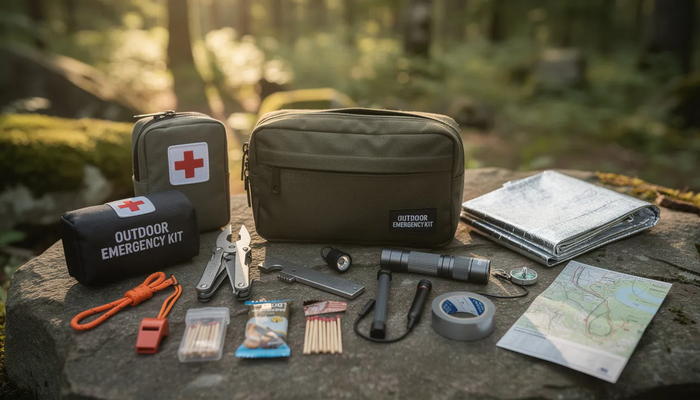
- A personal emergency kit enables you to stay self-sufficient for at least 72 hours during disasters, blackouts, or when stranded in the great outdoors. It’s not just a random collection of items—it’s a carefully curated system designed to meet your most critical needs when access to resources is limited.
- Build separate kits for home, car, and work, sized appropriately for each household member and tailored to your typical activities—whether day hikes, weekend camping trips, or long road trips through remote areas.
- Must-have items span several categories: water and purification, non-perishable food, light sources, a comprehensive first aid kit, warmth gear (including a compact emergency sleeping bag), hygiene supplies, and copies of critical documents.
- The rest of this article walks you through detailed categories, gear examples, maintenance schedules, and answers common questions like how heavy your kit should be and how often to rotate supplies.
Core Components of a Personal Emergency Kit
This section provides a high-level checklist of categories you need to cover. Detailed examples and specific product recommendations follow in later sections.
Major Categories to Include
- Water – Storage containers, purification methods, and enough supply for drinking and basic sanitation
- Food – Calorie-dense, shelf-stable items requiring minimal or no cooking
- Light and Power – Headlamps, flashlights, batteries, and charging solutions
- First-Aid and Medications – Supplies to handle injuries plus personal prescriptions
- Warmth and Shelter – Insulation layers, emergency bivies, and protection from elements
- Tools and Safety – Multitools, knives, fire-starting gear, and signaling devices
- Hygiene – Personal care items and sanitation supplies
- Communication and Navigation – Charged devices, maps, compass, and power banks
- Documents and Cash – Copies of critical papers and small-denomination currency
- Comfort Items – Extras that make extended waits more bearable
For most adults, aim for at least 72 hours of supplies. If you plan to carry your kit on foot, keep the weight under roughly 20-25% of your body weight. Ultralight backpacking gear—such as emergency sleeping bags, compact cook sets, and collapsible water containers—helps reduce bulk without sacrificing functionality.
Water Storage and Requirements
The standard recommendation is one gallon (approximately 3.8 liters) per person per day for home storage, covering both drinking and basic sanitation needs. For a portable kit, aim for at least 2-3 liters per person per day, increasing for hot weather or strenuous activities.
Practical storage options:
- 1-liter BPA-free water bottles (durable and easy to find)
- Collapsible water bladders (save space when empty)
- Small hydration reservoirs with drinking tubes
Food Selection
Focus on calorie-dense, shelf-stable items that require minimal preparation:
- Energy bars (400-600 calories each, 1-2 year shelf life)
- Nut mixes and trail mix
- Beef jerky and dried meats
- Vacuum-packed tuna or chicken pouches
- Instant oatmeal packets
- Dehydrated backpacking meals (3-5 year shelf life)
Commercially available 2400-calorie emergency food bars are designed for kit storage, with 5-year shelf lives that withstand temperature extremes.
Cooking and Eating Tools
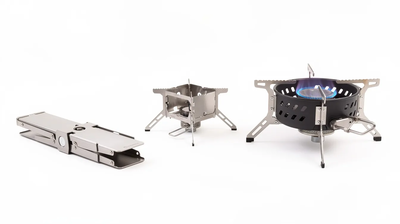
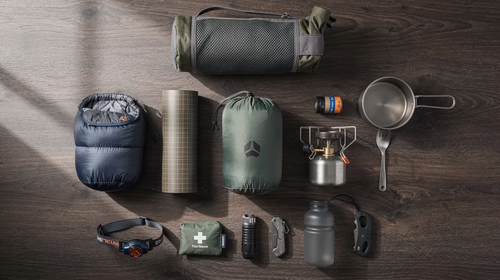
- Compact backpacking stove with fuel canister
- Metal mug or small pot (doubles as eating vessel)
- Long-handled spoon or spork
- Stormproof matches and refillable butane lighter stored in a waterproof container
First-Aid, Medications, and Hygiene
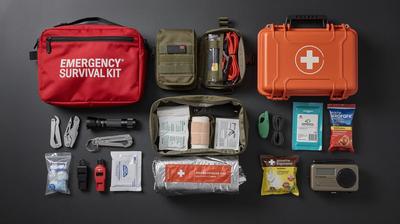
Every kit needs these essentials:
- Assorted adhesive bandages (various sizes)
- Sterile gauze pads (4x4 inches)
- Roller bandage and medical tape
- Antiseptic wipes and antibiotic ointment packets
- Blister pads (critical for hikers)
- Tweezers and small trauma shears
- Elastic wrap for sprains
- Compact CPR face shield
Advanced and Outdoor-Focused Items
For backcountry adventures or serious emergencies, consider adding:
- Triangular bandage (for slings and securing splints)
- SAM-style malleable splint
- Pain relievers (ibuprofen and acetaminophen)
- Antihistamines (for allergic reactions)
- Oral rehydration salts
- Tourniquet and hemostatic gauze (for severe bleeding)
- Skin closure strips or butterfly bandages
Personal Medications
Pack a 3-7 day supply of prescription medications in original labeled containers. This includes:
- Daily maintenance medications
- Rescue inhalers for asthma
- EpiPens for severe allergies
- Insulin and testing supplies for diabetics
- Spare eyeglasses or contact lenses with solution
Rotate these supplies regularly—medications lose efficacy after expiration, and temperature exposure can accelerate degradation.
Hygiene Essentials
Proper sanitation prevents secondary health issues:
- Travel toothbrush and small toothpaste
- Unscented biodegradable soap
- Hand sanitizer (60%+ alcohol)
- Wet wipes (individually wrapped last longer)
- Menstrual products
- Small quick-dry towel
- Lightweight trowel and toilet paper for outdoor sanitation
- Garbage bags (for waste containment)
Emergency Shelter Items
- Emergency bivy or sleeping bag – Compact, reflective models retain up to 90% of body heat and weigh under a pound
- Mylar space blanket – Lightweight backup (pack 2-3)
- Small tarp with paracord and stakes – Provides overhead protection from rain or snow.
Accessories
Small items make a big difference:
- Warm hat (significant heat loss through the head)
- Lightweight gloves
- Extra socks (merino or synthetic)
- Buff or neck gaiter (versatile protection)
Keep clothing vacuum-packed or in dry bags to ensure readiness.
Tools, Lighting, and Safety Gear
Simple tools and reliable light sources significantly improve your ability to solve problems and move safely after dark or through damaged environments. Complete darkness during a power outage can be disorienting.
Lighting
- Primary headlamp or flashlight – Hands-free operation is essential; choose one with 200+ lumens and multiple brightness modes
- Backup flashlight – Small, reliable, and stashed separately
- Extra batteries – Stored in labeled waterproof bags (batteries degrade about 20% per year, so rotate them)
- USB-rechargeable lantern – Optional but useful for area lighting in camp or at home
Tools
- Sturdy multitool – Includes knife, pliers, and screwdrivers at minimum
- Fixed-blade or folding knife – For heavier tasks
- Duct tape – Flat-pack a length around a card or pencil
- Paracord – 25-50 feet covers most needs
- Mini repair kit – Safety pins, needle, strong thread
Fire-Starting
Redundancy is key—store options separately so one failure doesn’t leave you without fire-starting means:
- Stormproof matches (burn even when wet)
- Butane lighter (test regularly)
- Ferro rod or magnesium fire starter (works indefinitely)
Safety and Signaling
If you need rescue, you need to be found:
- Loud whistle – Carries farther than shouting and uses less energy
- High-visibility bandana or panel – Bright orange or reflective material
- Small signaling mirror – Visible for miles in sunlight
- Emergency glow stick or strobe light – Effective at night
Communication Devices
- Fully charged mobile phone – Pre-download offline maps and key documents
- Compact power bank – 10,000-20,000 mAh capacity for multiple charges
- Charging cable – Consider multi-tip cables for versatility
- Small solar panel – Extends power during outages (test in fair weather before relying on it)
Navigation Tools
- Baseplate Compass – Learn basic orientation before you need it
- Printed local maps – Cover home area, hiking regions, and evacuation routes
- Waterproof sleeve – Protects maps from rain and sweat
Relying solely on smartphone GPS is risky—batteries die, screens break, and signals fail when you need them most.
Critical Documents
Store photocopies in a waterproof pouch:
- Government-issued ID
- Insurance cards (health, auto, home)
- List of prescribed medications with dosages
- Emergency contact numbers (written down, not just in your phone)
- Brief medical summary (allergies, conditions, blood type)
Home Kit
Weight isn’t a concern, so go bigger:
- Extended water supply (minimum 1 gallon per person per day for 7 days)
- More comprehensive food stores (including comfort foods)
- Full-size sleeping bags and blankets
- Complete tool set including gas shut-off wrench
- Battery-powered or hand-crank NOAA weather radio
- Board games or activities for children to pass the time
Car Kit
Store in a duffel or plastic bin that’s easy to grab:
- Jumper cables
- Small shovel and ice scraper
- Reflective triangle and high-visibility vest
- Emergency sleeping bag or heavy blanket
- Extra water (consider expansion space for freezing in winter)
- Non-perishable snacks
- Compact stove (usable outside the vehicle)
- Basic tool kit
- Phone charger compatible with car power outlet
Outdoor and Travel Kit
This version prioritizes weight savings and weather-specific needs:
- Ultralight shelter and sleeping system
- Robust water treatment (squeeze filter plus tablets)
- Detailed navigation tools (map and compass for your region)
- Weather-appropriate layers (adjust for season and elevation)
- Minimal but complete first aid kit
- Fire-starting redundancy
Tailor contents based on trip length, remoteness, and conditions—a day hike needs less than a week in the backcountry, and don’t forget about protecting your gear.
Maintaining, Rotating, and Storing Your Personal Emergency Kit
Field Testing
Once a year, test portions of your kit on a short camping trip or day hike. This confirms that:
- Stoves light and function properly
- Water filters flow as expected
- Headlamps and flashlights work
- You can comfortably carry the weight
- Food items taste acceptable
Testing reveals problems before they matter. A dried-out filter, a stove that won’t ignite, or a pack that’s too heavy are easy to fix now but dangerous to discover during an emergency.
FAQ
How heavy should my personal emergency kit be?
If your kit is designed to be carried on foot—as a go-bag or trail-ready pack—keep the total weight under 20-25% of your body weight. For a 160-pound adult, that’s 32-40 pounds maximum, with experienced ultralight hikers aiming even lower.
Prioritize essentials first: water and purification, first aid, warmth, light, and calories. Then choose backpacking-grade gear to reduce bulk without sacrificing safety. Home-only kits can be heavier since you won’t carry them far.
How often should I replace the water and food in my kit?
Commercially bottled water is typically safe for 1-2 years when stored in a cool, dark place, but rotating it annually is practical. Energy bars last 1-2 years, while specialty emergency food bars and dehydrated meals can remain viable for 3-5 years.
Check expiration dates and set calendar reminders to rotate items every 6-12 months. A “store what you eat, eat what you store” approach prevents waste—use older items on camping trips and replace them with fresh stock.
Do I really need separate kits for home, car, and outdoor trips?
Separate kits are best because each environment presents different risks. Home kits can be larger and more comfortable. Car kits must handle breakdowns, extreme temperatures, and roadside emergencies. Trail kits need to be lightweight and suited for specific weather.
If budget is tight, start with one well-stocked kit. Then build car and trail versions around duplicates of key items—extra headlamp, small first aid kit, spare water filter—rather than repacking a single bag constantly.
What’s the difference between a personal emergency kit and a camping first-aid kit?
A camping first aid kit focuses primarily on treating injuries and minor illnesses. A personal emergency kit covers broader survival needs: water, food, shelter, tools, communication, and documents. The first aid kit is one component of the larger system.
For outdoor enthusiasts, integrate your camping first aid kit into your larger personal emergency kit. They shouldn’t be separate systems—your trail medical supplies should live inside your emergency bag, complemented by additional items.
Is it worth buying pre-made emergency kits, or should I build my own?
Pre-made kits offer a fast starting point, especially for beginners. However, they often include low-quality tools or miss items tailored to individual needs, climates, and family situations (like supplies for children or pets).
The best approach is using a reputable pre-made kit as a base, then customizing by adding higher-quality gear, personal medications, and climate-specific clothing. We’ve reviewed several pre-made options on Amazon and can direct you to the best ones and recommended upgrades.
Building a personal emergency kit isn’t about paranoia—it’s about the freedom to explore knowing you’re prepared for whatever conditions arise. Whether facing a sudden storm at home, a breakdown on a remote highway, or an unexpected night in the backcountry, having the right supplies transforms a potential crisis into a manageable event.
Start with the essentials covered in this guide, test your gear on your next adventure, and refine your kit based on what you learn. The best time to prepare is now, when the weather is calm and stores are stocked—not when sirens are wailing and everyone else is scrambling.
Ready to start building your kit? Browse our gear guides to find tested recommendations for every category, from water filters to emergency sleeping bags.
Member discussion