
Key Takeaways
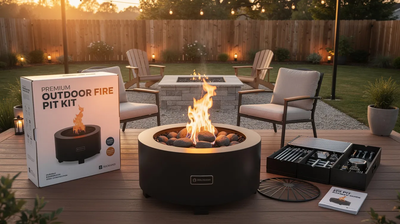
- Padded camping chair is an outdoor gear review site, and this guide helps you find the right outdoor fire pit kit for patios, decks, and campsites—whether you’re entertaining at home or heading into the backcountry.
- Most readers should choose a mid-sized, smokeless steel fire pit kit (around 20”–28”) with easy assembly and good airflow for low-smoke burns that won’t send guests running for fresh air.
- There are three main types of fire pit kits covered here: permanent stone/brick kits, portable collapsible pits, and smokeless metal systems with dedicated starters.
- This article includes specific buying criteria—materials, airflow, safety features, accessories—plus links to recommended kits sold on Amazon.
- A short FAQ at the end addresses safety clearances, city rules, and fuel choices not fully covered in the main sections.
Introduction: Scope, Audience, and Why the Right Fire Pit Kit Matters
Outdoor fire pit kits have become a popular addition to both backyards and campsites, offering warmth, ambiance, and a focal point for gatherings. This guide covers a wide range of outdoor fire pit kits, including permanent stone or brick kits, portable collapsible pits, and advanced smokeless metal systems. Whether you’re a homeowner looking to enhance your patio, a camper seeking a portable solution, or someone who enjoys entertaining friends and family outdoors, this article is designed for you.
Choosing the right fire pit kit is crucial for several reasons. The right kit ensures safety for your property and guests, maximizes enjoyment by providing efficient heat and minimal smoke, and can even increase your property’s value with a permanent, attractive feature. Kits also offer a cost-effective and efficient alternative to custom-built fire pits, simplifying installation and reducing the need for specialized skills or tools.
Why Choose a Fire Pit Kit Over Custom-Built Options?
Outdoor fire pit kits are a cost-effective and efficient solution compared to custom-built fire pits. Kits come with pre-cut materials—such as stone, concrete blocks, or metal liners—and clear instructions, making installation straightforward for most users. They allow for customization in shape, size, and fuel type (wood, propane, or natural gas), so you can tailor your fire pit to your specific needs and preferences. Fuel sources vary: wood-burning kits offer a traditional experience but require cleaning, propane kits are clean-burning and ash-free, and natural gas kits can connect directly to home lines for convenience.
Top-Rated Outdoor Fire Pit Kits: Quick Picks
Looking for the best outdoor fire pit kits? Here are some top-rated options that consistently receive high marks for performance, durability, and ease of use:
- Solo Stove Bonfire 2.0: A leading smokeless fire pit, known for its double-wall stainless steel construction and efficient airflow that minimizes smoke. It’s portable, easy to assemble, and ideal for both backyard and campsite use.
- Breeo X Series: Renowned for its heavy-duty build and advanced smokeless technology, the Breeo X Series is perfect for homeowners seeking a permanent, high-performance fire feature. It also offers cooking accessories for added versatility.
- Elementi Manhattan Concrete Fire Table: This modern, propane-fueled fire table combines style and function, making it a great centerpiece for patios and outdoor living spaces. It’s easy to operate, clean-burning, and requires no ash cleanup.
These kits are recommended because they simplify installation, offer reliable performance, and provide a cost-effective alternative to custom-built fire pits. Whether you want portability, smokeless technology, or a stylish permanent fixture, these options deliver excellent value and user satisfaction.
What Is an Outdoor Fire Pit Kit?
An outdoor fire pit kit is a pre-packaged set of components—typically including a bowl or ring, support frame, hardware, and often a spark screen or grate—designed to be assembled into a safe, contained fire feature without requiring masonry skills or custom fabrication. These kits take the guesswork out of building a fire pit from scratch and give you matched parts that work together right out of the box.
Background and Customization:
Outdoor fire pit kits allow you to customize the shape, size, and fuel type of your fire feature. Kits are available for wood-burning, propane, or natural gas setups. Wood-burning kits provide a classic campfire experience but require regular cleaning and produce smoke. Propane kits are clean-burning, require no ash cleanup, and are easy to ignite, while natural gas kits can connect directly to your home’s gas line for continuous fuel supply. Kits simplify installation by providing pre-cut materials—such as stone or concrete blocks—and a metal liner, making them a cost-effective and efficient solution compared to custom-built options.
The key difference between a kit and a DIY fire pit is straightforward: a DIY pit means sourcing your own bricks, blocks, or steel and figuring out dimensions and airflow on your own. A commercial kit arrives with instructions, pre-cut components, and engineering that’s already been tested. This guide focuses on wood-burning and smokeless-style kits commonly sold online (including Amazon), suitable for backyards, patios, and campsites—not permanent gas lines that require contractor installation.
Here are a few concrete examples of what you’ll find on the market:
- A 24” steel bowl kit with spark screen and poker, weighing around 20–25 lbs
- A 20” collapsible stainless portable fire pit weighing under 3 lbs, designed to pack into a zippered carry bag
- A modular stone fire ring kit using fire bricks and a steel insert, typically 30”–42” in diameter
Types of Outdoor Fire Pit Kits
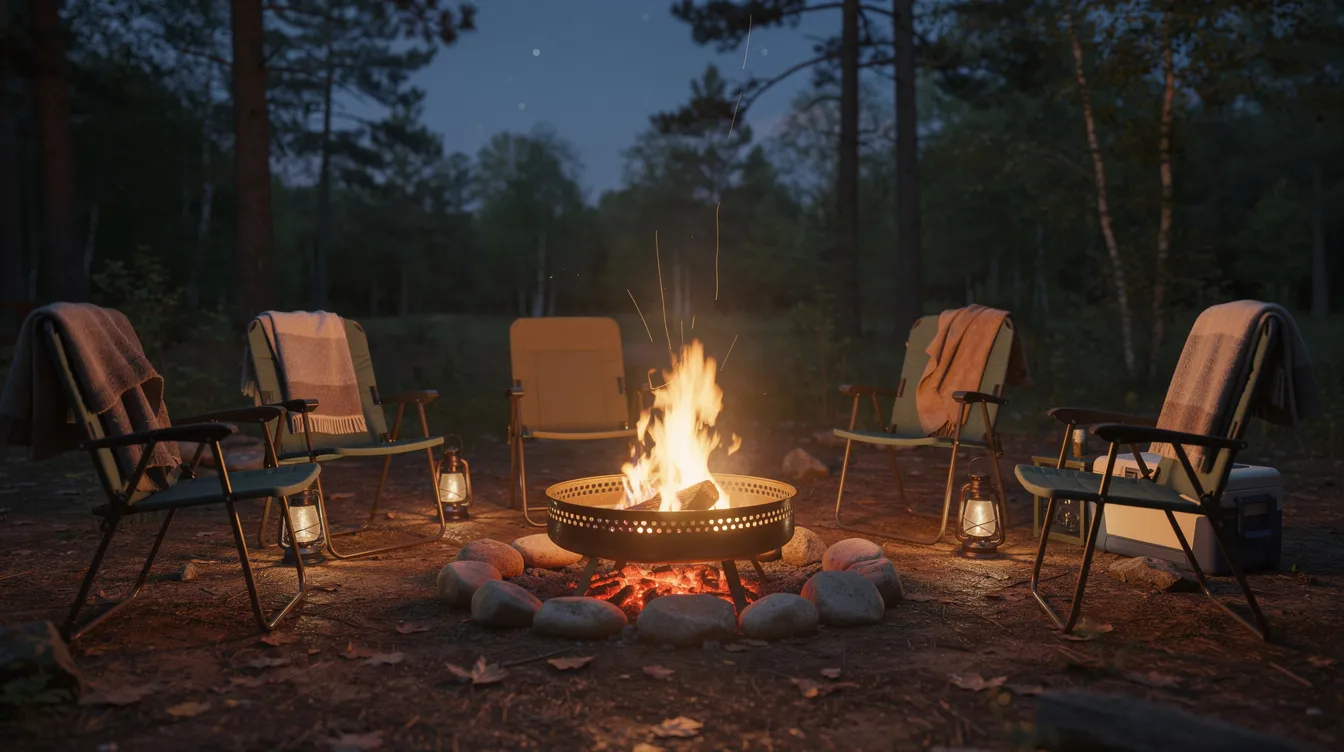
When you start shopping for fire pits, you’ll encounter three core categories: portable collapsible kits, smokeless metal systems, and permanent stone or firebrick kits. Understanding the differences helps you find the ideal setup for your situation.
Portable collapsible fire pit kits are built for people who need to carry their fire with them. These lightweight frames—often under 3 lbs in compact models—feature mesh or stainless fire basins that pop up quickly and fold flat for storage. They’re perfect for car camping, overlanding, and beach nights where you need something that fits in a trunk next to your other gear. Some 2024 models pack into a zippered bag small enough to toss in a backpack. The trade-off is heat output: smaller bowls mean smaller fires, but for many campers, that’s exactly what they want.
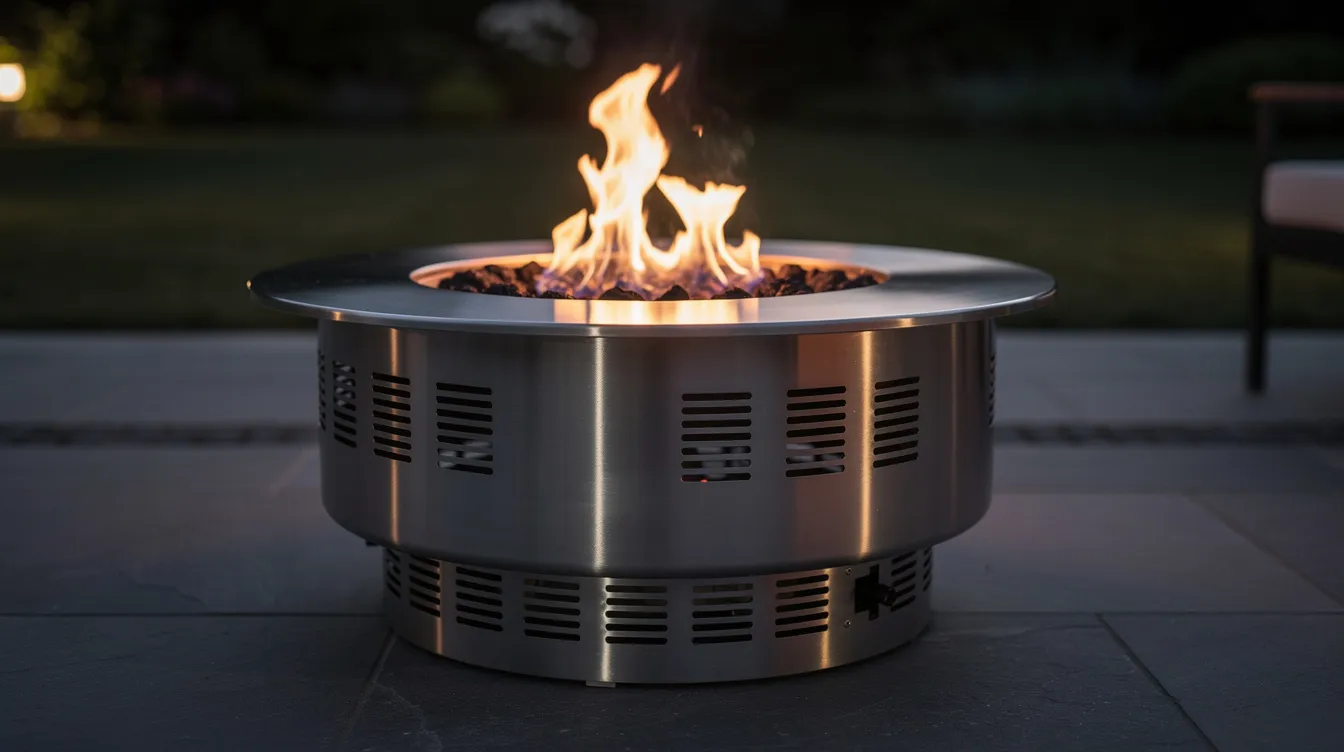
Smokeless fire pit kits represent the game changer in outdoor fire technology over the past decade. These double-wall stainless steel designs use 360° airflow to pull fresh air from below the fire and channel it through vents around the rim. The hot air mixes with rising smoke and ignites volatile gases in a secondary combustion process—dramatically reducing visible smoke. Many smokeless systems include accessories like dedicated alcohol-based fire starters or natural kindling sticks that help you build a clean-burning fire from the start. If you’ve ever struggled with smoke blowing in your face no matter where you sit, these systems solve that problem.
Permanent masonry-style kits are designed for homeowners who want a fixed outdoor fire feature. These typically include precut stone or concrete blocks, fire ring inserts, and fire bricks meant to be installed in a set spot in your yard or on a patio. Diameters usually range from 30” to 42” or larger, with heights of 12”–18”. They’re heavy, take an afternoon to build, and aren’t going anywhere—but they add serious value to your outdoor living space and can last decades with minimal maintenance.
Specialty starter kits pair well with all these pit types. Options include water-resistant fire starter sticks, mini square fire starters for ultralight packing, and reusable “infinite” fire starters that burn isopropyl alcohol to create a hot, low-smoke flame that lights easily and gets your fire going fast.
Key Features to Compare When Buying a Fire Pit Kit
When evaluating fire pit kits, consider the following key features to ensure you select the best option for your needs:
- Material and Durability
- Powder-coated steel: Budget-friendly, but prone to rust once the coating chips. Expect 3–5 years of life if left uncovered.
- Cast iron: Excellent heat retention and traditional look, but heavy and can crack with thermal shock.
- Stainless steel: Resists corrosion, lasts 8–12+ years, though it may discolor at high temperatures.
- Corten (weathering steel): Develops a protective rust patina and can last 20–30 years with proper thickness.
- Stone and firebrick: Handle heat beautifully and last indefinitely, but the steel insert inside will eventually need replacement.
- Size and Capacity
- Fire pit sizes range from mini 14” tabletop kits for compact patios up to 36”+ backyard rings that seat 6–8 people.
- A 20”–28” pit is ideal for most users—large enough for heat and a decent fire, small enough to move or store.
- Consider how many people you entertain and your available space before choosing a size.
- Airflow and Smoke Control
- Look for elevated fire grates, perforated bases, and double-wall systems that pull air from below and along the sides.
- Airflow features enable secondary combustion, burning off smoke before it reaches your eyes.
- Pits with 1” holes around the rim or dedicated vent channels offer superior smoke control.
- Portability and Storage
- Collapsible pits can weigh as little as 2.8 lbs, while stone kits can exceed 60 lbs assembled.
- Features like fold-flat legs, weather-resistant zippered carry bags, and compact packed dimensions are ideal for camping and RV use.
- For stationary use, prioritize stability and build quality over weight.
- Safety Features
- Spark screens to contain embers.
- High sidewalls to direct flames upward.
- Heat shields to protect surfaces below.
- Stable tripod or four-leg bases to prevent tipping on uneven ground.
- Accessories and Compatibility
- Grill grates for cooking, cooking tripods, fire poker and tongs, weatherproof covers, and compatibility with smokeless fire starters or color-changing flame packets.
- Some pits work with pizza ovens or plancha attachments.
- Choose accessories based on your intended use.
- Ease of Assembly
- Quick pop-up frames can be ready in under 60 seconds.
- Multi-block stone kits may take an afternoon and require basic tools.
- Most metal kits assemble in under 10 minutes with no tools required.
- Cost and Value
- Typical 2024 price ranges:
- Portable steel kits: $60–$130 (lightweight, simple bowls with spark screens)
- Smokeless metal systems: $200–$400 (double-wall construction, ash pans, better airflow)
- Premium smokeless/masonry: $400–$500+ (Corten steel, stone kits, included accessories)
- Value is assessed through Amazon reviews, real-user feedback, and feature-to-price comparison.
- Typical 2024 price ranges:
Best Outdoor Fire Pit Kit Setups for Different Use Cases
Readers use fire pit kits differently depending on their lifestyle. Some want a permanent backyard centerpiece for entertaining; others need a compact pit for national park campsites or beach nights. Here’s how to match your kit to your situation.
Backyard Entertaining
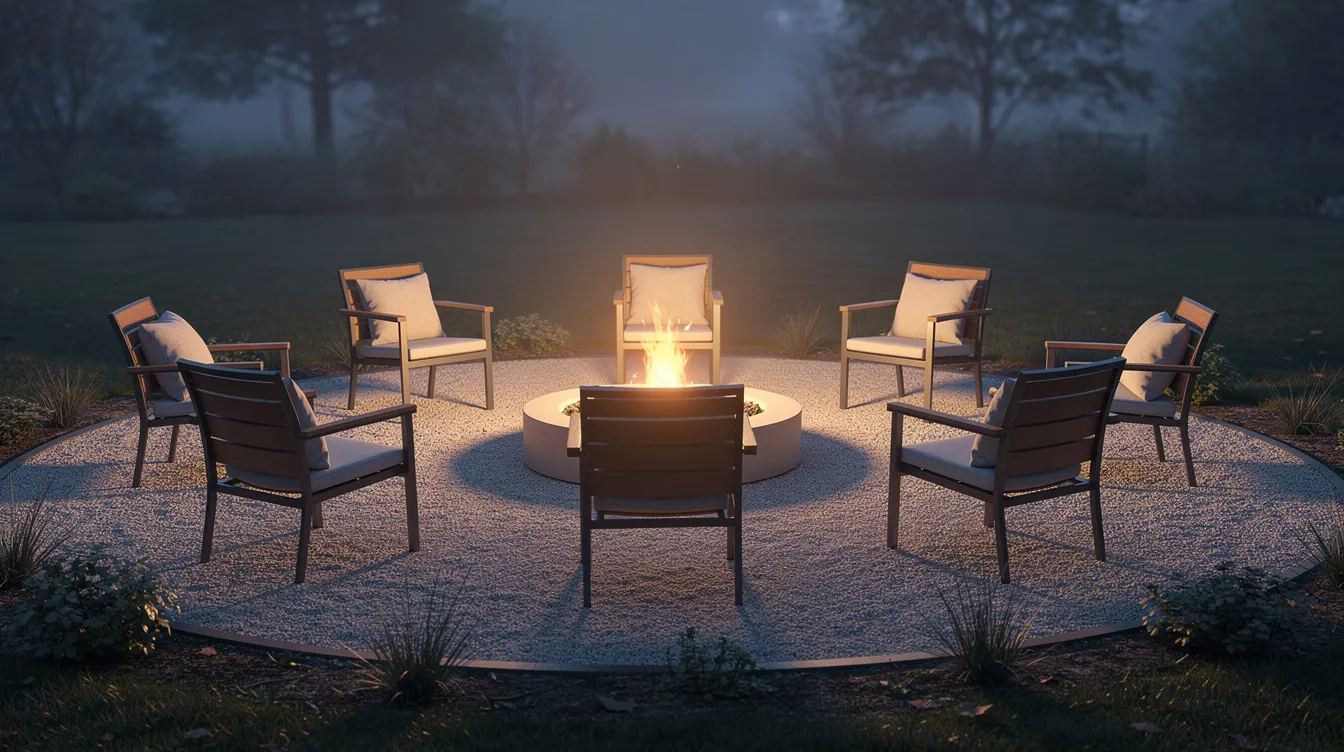
For hosting 4–6 adults on a patio, a mid-sized smokeless stainless kit around 28” across works perfectly. Look for double-wall airflow, a removable ash pan for easy cleanup, and an optional grill grate if you want to cook. The Solo Stove Bonfire 2.0, at approximately 19” external diameter and 23 lbs, represents this category well—stainless steel construction, minimal smoke, and assembly that takes under a minute. Set it on a stone or gravel patio, add some comfortable chairs, and you’ve got a gathering spot you’ll enjoy for years.
Car Camping and Overlanding
When trunk space is at a premium, a 2–3 lb collapsible fire pit with a mesh base and fast pop-up frame is ideal. Models like the PACKFIRE (around 27.5 lbs for the full-size version with backpack) fold flat and store easily alongside padded camping chairs and a camp stove. These pits are designed for quick setup at dispersed campsites where established fire rings don’t exist—perfect for adventure seekers who want campfires without the hassle, especially when paired with essential camping tools and gear that make setup and teardown more efficient.
Compact Patios and Balconies
If you live in an urban setting with limited outdoor space, smaller-diameter metal bowl kits with tall spark screens offer a contained fire experience. The ALDI Adventuridge tabletop smokeless pit retails around $30 and features a stainless steel body that fits on a small patio table. Always check building rules and local fire codes before using any open flame on a balcony—many buildings prohibit them entirely.
Cold-Weather and Off-Grid Use
For cabins or cold-weather camping, deeper, heavier steel or cast-iron kits that hold larger logs make sense. These pits handle repeated freeze/thaw cycles and pair well with water-resistant natural fire starters that ignite reliably in tough conditions. Cast iron’s heat retention keeps coals burning longer, extending your fire through cold nights.
Cooking-Focused Setups
If you want to cook over your fire, choose kits that accept grill grates, planchas, or tripod systems. Stock your kit with natural charcoal starters or reusable alcohol-based fire starters for steady, even heat. These setups work well with lump charcoal for grilling or hardwood for that authentic wood-fired flavor—whether you’re making simple campfire meals or experimenting with Camp Chef 2-burner outdoor cooking systems and other outdoor fireplaces and grills.
How to Safely Use an Outdoor Fire Pit Kit
Even well-designed kits require thoughtful setup and operation, especially in dry or windy conditions. Taking a few minutes to prepare properly protects your property and keeps everyone safe.
Site Selection and Clearances
Place your kit on non-combustible surfaces like stone, gravel, or bare soil. Keep it at least 10 feet (about 3 meters) from buildings, fences, and low-hanging branches. A clear window of space around your pit prevents accidents and gives smoke room to disperse. For decks, use a fire-resistant mat and ensure adequate clearance from railings—but check manufacturer guidelines first, as many advise against deck use entirely.
Assembly and Inspection
Before each use, check that the frame, legs, fasteners, and bowl are secure and undamaged. Ensure no hardware is missing and confirm the spark screen fits properly if your kit includes one. A quick inspection takes only minutes but prevents problems during use. Stability matters—a wobbly pit on uneven ground is an accident waiting to happen.
Fire Starting
Use clean, seasoned hardwood for the best results. Softwoods like pine pop and spark more, creating safety issues and annoying guests. Start your fire with approved starters—natural wax-and-wood sticks, mini square fire starters, or alcohol-based infinite starters work well. Never use gasoline or other accelerants unless your kit is specifically rated for liquid fuel.
Managing Smoke and Airflow
Stack your wood in a teepee or log cabin configuration to maximize airflow. Don’t overload the pit—crowding reduces oxygen flow and increases smoke. Keep your kit’s air vents clear and free of ash buildup. Even smokeless pits produce some smoke during the starting phase, but it should decrease significantly once the fire stabilizes.
Extinguishing and Cleanup
Fully extinguish coals by dousing with water, stirring the ash, and repeating until no heat remains. Never leave a hot pit unattended or cover it while coals are still warm. Remove ash after each use—wet ash holds moisture and accelerates rust in steel parts. Proper cleanup extends your pit’s life and keeps it ready for the next use.
Local Regulations
Check city or HOA rules, seasonal burn bans, and park regulations before lighting up. Some areas require permits for open flames; others restrict pit size or mandate raised bases. Campgrounds and national parks often have specific rules—some only allow fires in provided rings or ban open flames entirely during dry seasons.
Recommended Accessories to Pair With Your Fire Pit Kit
As an affiliate review site, we help readers build a complete, safe, and comfortable fire setup using products available on Amazon. The right accessories enhance your experience and make fire time more enjoyable.
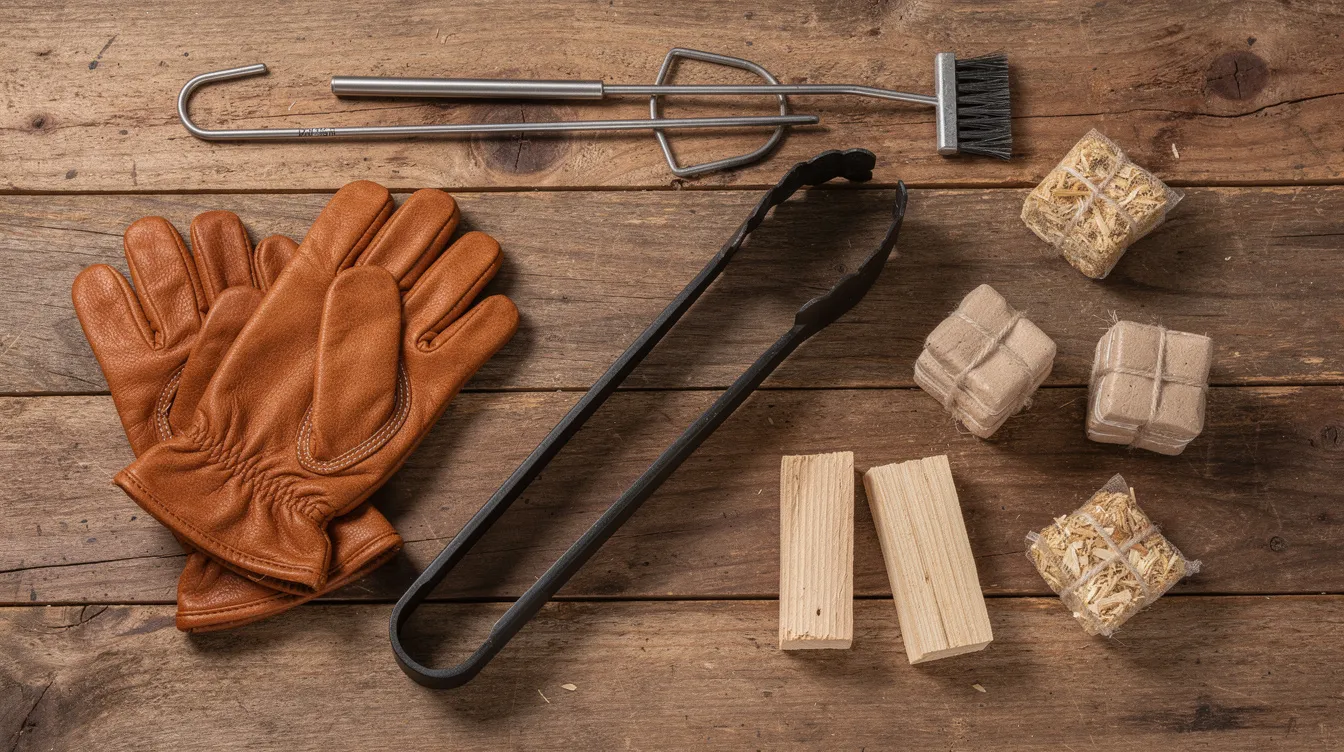
Quality starters eliminate the frustration of struggling to ignite a fire. Water-resistant natural starter sticks work in damp conditions and produce minimal smoke. Compact mini square fire starters pack easily for camping and light reliably every time. Reusable “infinite” alcohol-based starters provide a consistent hot flame without the mess of kindling—just add fuel and you’re ready in minutes.
Comfort Items
Long evenings around the fire call for comfort. Pair your pit with padded camping chairs that support your back during hours of conversation. Add warm blankets for shoulder seasons, heated camping chairs to keep everyone warm, and insulated slippers for cold nights. These items turn a simple fire into a memorable gathering you’ll want to repeat.
Heat-resistant gloves let you adjust logs and move hot grates safely. Long-handled pokers and tongs give you reach without getting too close to flames. Spark screens contain embers during windy conditions. Fire-resistant mats protect decks and patios from heat damage—hard to find alternatives that work as well for the price.
Storage and Protection
Weatherproof covers keep rain and debris out of your pit between uses. Zippered carry bags protect portable pits during transport. Rust-prevention sprays extend the life of steel components, especially if you store your kit outdoors year-round. A little protection goes a long way toward maximizing your investment.
Fun Extras
Color-changing flame packets add visual interest to your fire. Roasting sticks make s’mores easy for kids and adults alike. Top camping kettles compatible with grill grates let you boil water for coffee or cocoa. These extras aren’t essential, but they make fire time more engaging and give you options for what to do around the flames.
Frequently Asked Questions
These FAQs cover common questions not fully answered in the main guide, especially around rules, fuel choices, and long-term care.
Can I use an outdoor fire pit kit on a wooden deck?
Some metal fire pit kits can be used on decks if combined with a fire-resistant mat and a raised base that provides airflow underneath. However, many manufacturers advise against placing any fire pit directly on wood surfaces due to heat transfer and fire risk. Always check the product manual and your local fire codes. Maintain at least 10 feet of clearance from railings, siding, and any combustible materials, and keep a fire extinguisher or water source within reach. Heavy stone kits are generally too heavy and produce too much radiant heat for most decks—they’re better suited to ground-level patios or bare soil.
What kind of fuel is best for most outdoor fire pit kits?
Seasoned hardwood logs are the standard recommendation for general backyard use. Hardwoods like oak, maple, and hickory burn hotter and cleaner than softwoods, producing less smoke and fewer sparks. Charcoal briquettes or lump charcoal work well for cooking-focused pits or hybrid grill/fire pit setups. Some reusable fire starters use rubbing alcohol inside a dedicated device—these are effective but should only be used as designed. Never pour liquid fuels directly into an open fire pit unless the manufacturer explicitly allows it.
How long do metal fire pit kits usually last outdoors?
Lifespan depends heavily on material and maintenance. Budget powder-coated steel kits may last 2–4 seasons if left uncovered in harsh weather. Heavier-gauge stainless steel models can last 5–10 years with covers and basic care. Corten steel pits with proper thickness (2–3mm or more) can exceed 20 years. Simple maintenance extends life: dump ash after each use, scrub soot buildup a few times per season, and use a fitted cover to prevent standing water and rust. Frequent high-heat burns and exposure to coastal salt air shorten lifespan, so readers in harsh climates should store their kit under cover when not in use.
Do I need a smokeless fire pit kit, or is a regular one fine?
Smokeless kits are worth the extra cost if you have a small yard, close neighbors, or anyone in your group who’s sensitive to smoke. The double-wall airflow design significantly cuts visible smoke by burning off volatile gases before they escape. Standard open-bowl kits are usually cheaper and lighter, and they work perfectly well if you use dry wood, maintain good airflow, and stack your fire properly. Readers who frequently host gatherings or have children around may appreciate the cleaner burn and reduced eye irritation that smokeless designs offer.
Are portable fire pit kits allowed at campgrounds and beaches?
Many U.S. campgrounds and beaches allow raised, contained fire pits, but rules vary widely. Some locations require pits to be off the ground with a solid base; others restrict all fires during burn bans. Always check specific park or beach regulations before your trip—some spots only allow fires in provided rings, while others may ban open flames entirely during dry summer months. Packable kits with mesh bases reduce ground scarring and may be preferred where “leave no trace” principles apply. When in doubt, contact the campground or land management agency directly.

Member discussion