
Key Takeaways
- Magnetic camping lights combine hands-free mounting, rechargeable power, and compact LED brightness—making them ideal for tents, vehicles, and emergency kits
- Genuine Wild focuses on Amazon-available lights in the 100–1,000 lumen range, with built-in magnets, hooks, or telescoping poles for overlanding, car camping, and backpacking
- The best picks balance brightness (lumens), battery type (USB-C rechargeable vs. AA/AAA), and durability (IPX5–IP68 waterproof ratings)
- You’ll find buying tips, concrete example products with typical specs (e.g., 14,000mAh telescoping pole light, 3oz overland bar light), and advice on using one light for both camping and emergency preparedness
- A dedicated FAQ at the end answers extra questions on safety, magnet strength, and whether magnetic lights are suitable for backpacking weight limits
What Is a Magnetic Camping Light?
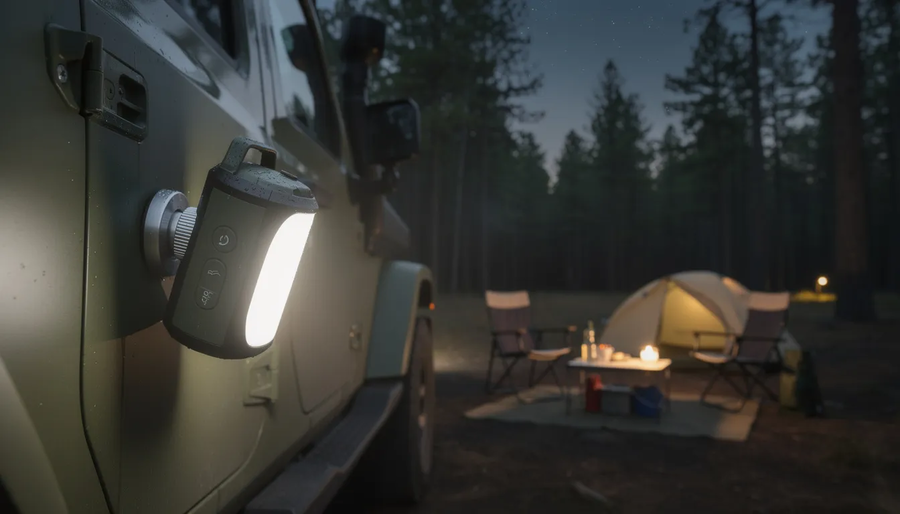
A magnetic camping light is an LED lantern, bar, or stick that uses built-in magnets—often paired with hooks, straps, or telescoping poles—to attach directly to metal surfaces like car roofs, tailgates, or tent poles with metal joints. Unlike a traditional camping lantern that sits on a flat surface or hangs from a single hook, these versatile light options stick securely to ferrous metal, freeing your hands for cooking, gear organization, or vehicle repairs in low-light conditions.
This category differs from classic hanging lanterns you’ll find in most outdoor gear guides. Standard LED camping lanterns without magnetic bases work fine on picnic tables, but they can’t attach to your truck bed rail or van door. Magnetic models cover the same use cases—campsite illumination, vehicle-based trips, emergency lighting, and workshop tasks—while adding mounting flexibility that traditional designs simply can’t match.
Genuine Wild reviews a range of magnetic camping lights commonly found on Amazon as of 2024, from tiny 3 oz overland-style lights putting out around 90–150 lumens to powerful telescoping pole systems packing 14,000mAh batteries and multi-panel LEDs. Here’s what defines this category:
- LED technology: Chip-on-board (COB) or SMD LEDs deliver broad, uniform illumination in compact form factors
- USB rechargeable: Most models charge via USB-C or USB-A, eliminating the need for disposable batteries on extended camping trips
- Compact and portable: Sizes range from pocket-friendly 3 oz bars to larger pole systems that collapse to around 11–12 inches
- Hands-free mounting: Strong neodymium magnets in the base or along the body enable tool-free attachment and repositioning on metal surfaces
Why Choose a Magnetic Camping Light Over a Standard Lantern?
Both magnetic lights and classic camping lanterns illuminate campsites effectively, but magnets add a layer of mounting flexibility that changes how you light your outdoor space. A traditional lantern sits where you put it—on a table, hanging from a branch, or dangling from your tent’s gear loft. A magnetic camping light sticks exactly where you need illumination, even on vertical or overhead surfaces.
Core advantages of magnetic mounting:
- Attach to car bodywork, tailgates, van doors, rooftop tents, metal camp tables, or toolboxes—surfaces where regular flat-base lanterns would slide off
- Stick to truck bed rails for hands-free gear sorting after dark
- Mount inside a vehicle hatch for cooking prep or emergency roadside repairs
- Reposition in seconds without fumbling with hooks or cords
- Move the same light from your campsite to your garage to your power-outage kit at home
Hands-free task lighting scenarios:
- Attach over a camp kitchen area for bright, directed light while prepping meals
- Mount inside a truck bed when organizing coolers and bins at night
- Stick above a work area for vehicle maintenance or gear repairs during your trip
Multi-use benefit:
One quality magnetic camping light can serve as your tent lantern, your emergency roadside work light, your garage shop light, and your power outage backup—similar to the portable LED worklight kits and tactical sticks designed for overlanding and first responders.
When a traditional lantern might still be better:
- Freestanding on picnic tables where no metal mounting surface exists
- Ultra-wide 360° area lighting for large group gatherings
- Situations where you prefer a single dedicated campsite light that never moves
Many experienced campers carry both: a magnetic light for versatile hands-free use and a traditional lantern for general area illumination.
Key Features to Look For in a Magnetic Camping Light
Before clicking through to Amazon, evaluate brightness, battery system, mounting options, durability, and extra functions like power bank capability or emergency modes. These features determine whether a light will serve you well across multiple outdoor adventures or leave you frustrated at the campsite.
Brightness (lumen ranges):
- 80–150 lumens: Small overland bar lights, sufficient for tent interior or close-up tasks
- 300–600 lumens: Compact lanterns, good for general campsite illumination
- 800–1,000+ lumens: Larger multi-panel or stick lights capable of lighting an entire campsite or work area
Battery configurations:
- Single AAA option: Found in ultralight 3 oz magnetic bar lights, good for backup or minimalist setups
- Integrated 10,500–14,000mAh packs: Comparable to high-capacity rechargeable lanterns, offering weekend-long runtime and USB-A output for charging phones or GPS devices
- USB-C input: Faster charging, increasingly standard in 2024 models
Waterproof and dustproof ratings:
- IPX5: Splash-resistant, handles rain and wet conditions typical of most camping trips
- IP67: Submersion-resistant to 1 meter for 30 minutes, suitable for storms and wet riverbank camping
- IP68: Rated for submersion to 6 feet, ideal for extreme weather conditions and emergency use
Mounting systems:
- Strong neodymium magnets in the base or along a bar for metal surface attachment
- Elastic straps and silicone bands to wrap around non-metal tent poles or tree branches
- Telescoping poles (11–43 inch range) for elevated area lighting
- Dual hooks for traditional hanging options
- Ground stakes for 360° perimeter lighting
Light modes:
- High/medium/low white settings for adjustable brightness
- Red emergency flash and red strobe for signaling and preserving night vision
- White blink/SOS for emergency situations
- Simple single-button interfaces with memory mode—better for tired campers than complex multi-click sequences
Weight and packability:
- Under 4 oz: Suitable for backpackers watching every gram
- Under 12–16 oz: Practical for car campers and overlanders
- Telescoping systems collapse to about 11–12 inches, fitting in pack side pockets or vehicle door storage
Types of Magnetic Camping Lights
The market splits into three main types: bar/stick lights, compact magnetic lanterns, and telescoping pole systems. Each suits different camping styles and trip requirements.
Slim magnetic light sticks and bars feature long, tubular bodies with USB rechargeable batteries. These can run 70+ hours on low settings, mount with magnets or elastic brackets, and double as both area lights and directed flashlights. They’re popular with overlanders who need compact, multi-purpose illumination that won’t take up much space. Typical outputs range from 90–300 lumens with multiple brightness levels.
Collapsible magnetic lanterns with power banks combine traditional lantern design with magnetic bases and integrated batteries. Models in the 10,000mAh range offer IP66 waterproof ratings, multiple brightness modes, and USB output for charging devices. These work well for hiking, fishing, travel, and emergency preparedness. The collapsible body reduces packed size while the magnetic base adds mounting versatility you won’t find in standard lanterns.
Telescoping pole lights with magnetic bases extend from around 11 inches to 43 inches, featuring four leaf-shaped panels that rotate approximately 270° and tilt around 180° for directional control. With 14,000mAh batteries, these deliver extended runtime across three white levels plus red flashing mode. IPX5 ratings handle typical campsite conditions. The elevated position illuminates larger areas than handheld options.
Hybrid worklight-style units feature foldable COB LED panels with 1,000 lumen output, magnetic feet, and integrated power bank functionality. Originally designed for mechanics and workshop use, these durable lights have become popular with campers who need bright, adjustable illumination for camp kitchen setups or vehicle repairs.
How to Use a Magnetic Camping Light at the Campsite
Using one or two magnetic lights strategically creates a layered lighting plan that illuminates your entire camp without the harsh glare of a single overhead source. The key is positioning lights at different heights and angles to cover cooking, organizing, and relaxing areas.
Vehicle attachment ideas:
- Stick to your vehicle hatch or tailgate for cooking prep when the kitchen faces your car
- Mount on roof racks for elevated area lighting that covers a wider footprint
- Attach to van rear doors for instant illumination when accessing storage
- Run along a metal truck bed when sorting through coolers, bins, or gear bags at night
Tent applications:
- Attach to steel tent poles for overhead lighting inside
- Use the elastic strap around non-metal poles or guy lines when magnets won’t grab
- Hang from dual hooks as an overhead lantern in the tent vestibule
- Stake a telescoping pole just outside the tent door for 360° area light that covers the entrance and nearby seating
Preserving night vision and camp courtesy:
- Switch to red emergency or low-output modes for late-night bathroom trips
- Use red strobe for signaling across a dark campground without blinding neighbors
- Keep bright white settings for tasks, then dim down when relaxing
Non-camping uses:
- Roadside tire changes—attach to your car’s fender or wheel well for directed light
- Crash scene or breakdown illumination when you need hands-free visibility
- Power outages at home—stick to your refrigerator, fuse box, or basement support beams
- Workshop and garage tasks where you need portable, adjustable lighting
Safety tips:
- Ensure magnets don’t scratch painted car surfaces—wipe both the magnet and paint clean, and consider placing a thin microfiber cloth between them
- Avoid mounting directly on hot exhaust areas or engine components
- Confirm magnets are strong enough before relying on them over concrete or near water where a falling light could be lost
Buying Guide: How to Pick the Right Magnetic Camping Light for Your Trip
This is Genuine Wild’s buyer’s guide for readers browsing Amazon or other retailers before an upcoming trip. Match the specs below to your camping style—especially when considering heavy duty tent stakes for the ultimate camping guide—before you click cart add on any purchase.
Ultralight backpackers:
- Target sub-3–4 oz lights
- 80–200 lumens is sufficient for tent use and close tasks
- USB rechargeable with simple single-button interface
- Skip the power bank features—extra battery life means extra weight
Car campers and families:
- Look for 300–800 lumens to light larger areas
- Robust magnets and multiple hooks for versatile mounting
- IPX5+ rating to handle unexpected rain or storm conditions
- At least 5,000–10,000mAh batteries for weekend trips without recharging
For added comfort around your campsite, check out the best camp stools for ultimate portability and comfort.
Overlanders and truck campers:
- Favor long bar or telescoping systems with 180–270° adjustable panels
- Strong magnets rated for vehicle mounting (look for neodymium construction)
- Power bank features for charging phones and GPS units
- Consider lights that can attach to both your vehicle and campsite structures
Emergency-preparedness users:
- Prioritize long runtime (50–70+ hours on low)
- Red emergency blink and SOS modes for signaling
- Highly durable IP67–IP68 housing for extreme weather conditions
- Compatibility with both USB power and AA/AAA cells for redundancy
Budget considerations (typical Amazon prices, 2024):
- Small AAA magnetic lights: $15–$25
- Mid-range USB rechargeable lanterns: $30–$50
- Telescoping and high-capacity stick systems: $50–$90
Quality indicators to track:
- 1–2 year warranty from the seller
- Solid review history (4.5+ stars with 100+ reviews)
- Specific feedback on magnet strength and battery life in customer reviews
- Stock availability and delivery timeline before your trip
Care, Maintenance, and Safety Tips
Proper care extends the life of magnetic camping lights and keeps them reliable for backcountry trips and roadside emergencies alike.
Battery care:
- Fully charge USB rechargeable lights every 3–6 months during storage
- Avoid deep discharges—recharge before the battery indicator hits zero
- Store lithium-powered lights at partial charge (40–60%) when not in use
- Check integrated battery packs after 2–3 years of regular use for capacity loss
- Note that lithium battery performance drops 20–30% in freezing temperatures
Maintenance:
- Clean magnets and contact surfaces to remove dust and metal shavings that can cause scratching
- Lightly wipe housings with a damp cloth after muddy or salty trips
- Re-seat any O-rings or seals to maintain IPX ratings before each season
- Inspect cables and USB ports for damage or debris
Safety:
For enhanced safety during outdoor activities or unexpected emergencies, consider the best emergency light sticks to stay prepared.
- Never look directly into high-lumen LEDs at close range—the brightness can cause temporary vision issues
- Use red/low modes around kids at night to avoid startling or disorienting them
- Ensure stable mounting so a light cannot shake free on bumpy forest roads or in high winds
- Create a check before leaving any campsite to verify you haven’t left your light attached to a tree or vehicle
Storage recommendations:
- Keep lights in dry, moderate temperatures (avoid attics and uninsulated garages)
- Don’t leave them on a hot truck dashboard for hours
- Store telescoping poles collapsed to protect hinges and rotating leaf panels
- Consider a small padded pouch for lights with exposed lenses
FAQ
These FAQs cover common questions not fully addressed above, especially around magnet strength, backpacking suitability, and interference with electronics.
Are magnetic camping lights safe to use on my vehicle’s paint?
Most modern magnetic lights use rubberized or coated bases to prevent direct metal-to-paint contact. However, scratching is still possible if grit or sand is trapped between the magnet and your vehicle’s surface. Wipe both the magnet and the paint clean before attaching, and for extra caution, place a thin microfiber cloth or protective film between the magnet and your vehicle.
Avoid sliding the light across paint when repositioning—lift and place instead. If you’re very protective of your finish, don’t mount on freshly detailed or soft clear-coat areas. The worry about paint damage is valid, but preventable with basic precautions.
Will the magnets interfere with phones, GPS units, or car electronics?
Small neodymium magnets in camping lights are typically too weak and localized to affect modern smartphones, GPS receivers, or vehicle electronics during normal use. Your phone’s compass app might register the magnet if placed directly against it, but no permanent damage will occur.
That said, don’t store magnetic lights directly against spinning hard drives, traditional compasses, or credit cards for extended periods. Keep a small gap if packing them together in a bag for long road trips. Modern solid-state devices in your vehicle are designed to handle magnetic fields stronger than what camping lights produce.
Are magnetic camping lights too heavy for backpacking?
Many magnetic lights designed for overlanding—with 10,000–14,000mAh batteries—are better suited for car camping than backpacking. However, several sub-4 oz options with integrated magnets work well for backpackers who want versatile mounting without the weight penalty.
Thru-hikers and ultralighters should target sub-3 oz models with modest 100–200 lumen output. Consider whether a simple headlamp plus one tiny magnetic light offers a better weight-to-utility balance than carrying a single heavier option. The innovative design of modern ultralight magnetic lights means you don’t have to sacrifice mounting versatility for packability.
How long do rechargeable magnetic lights typically last on a single charge?
Runtime varies significantly by size and output level:
- Small 3 oz lights: 3–5 hours on high, 20–40 hours on low
- Mid-range 10,500mAh lanterns: 6–10 hours on high, 50–70+ hours on low
- Large 14,000mAh pole systems: 4–8 hours on high, 60+ hours on low
Check manufacturer runtime charts and real-world Amazon reviews before any purchase. “Up to” numbers often refer to the lowest, most efficient mode—not the bright white setting you’ll actually use at the campsite.
Should I carry a battery-powered backup if I already have a rechargeable magnetic light?
If you’re going beyond easy road access, redundancy matters. Carry either a second USB rechargeable light or a small AA/AAA-powered backup in case of charger failure, extreme cold, or unexpectedly long trips. A durable flashlight that runs on common batteries provides peace of mind when your main light’s battery dies.
For emergency kits and bug-out bags, a mix of USB rechargeable and common AA/AAA-powered lights offers the best resilience. If your power bank runs dry or your vehicle’s USB port fails, those replacement batteries from any store become your backup plan. Quality emergency preparedness means never relying on a single point of failure.
Member discussion