
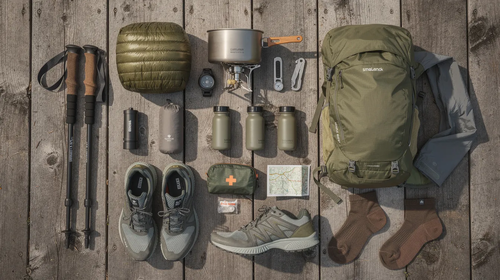
Key Takeaways
- Keeping base weight under approximately 10 kg (22 lb) is a realistic lightweight target for most hikers, while still allowing comfort items like a padded camping chair.
- The “big three” (backpack, shelter, sleep system) represent the fastest way to drop several kilos from your kit—these categories alone can shave 40–50% off a traditional setup.
- Small swaps across kitchen, clothing, and electronics compound over time, transforming a heavy pack into something that feels like a daypack.
- Lightweight hiking sits in a practical middle ground between traditional backpacking and hardcore ultralight, offering durability and comfort without extreme sacrifices.
Lightweight Hiking vs. Ultralight: What “Light” Really Means in 2026
Lightweight hiking occupies the sweet spot between traditional backpacking (often 18–22 kg / 40–50 lb base weight) and hardcore ultralight setups (sub-5–6 kg / 11–13 lb). It’s the approach that makes sense for most hikers who want to minimize weight while maintaining reasonable safety margins and trail comfort.
Base weight in 2026 refers to everything in your pack except consumables—food, water, and fuel. A solid lightweight target sits around 9–11 kg (20–24 lb) for weekend warriors and week-long backpackers. With strategic upgrades, you can realistically progress toward 7–9 kg (15–20 lb) without selling a kidney.
Trade-offs at a glance:
- Lightweight gear tends to be more durable, lower cost, and allows more comfort items compared to true ultralight options
- Ultralight gear often demands higher prices, features more fragile materials, and offers less margin for error in bad weather
- Most ultralight backpackers sacrifice amenities like proper pillows, chairs, and multi-day food variety
Shelter: Lightweight Tents and Tarps That Don’t Feel Fragile
Shelter represents one of the biggest opportunities to save weight in your backpacking gear. Moving from a classic 3+ kg family-style tent to a sub-2 kg setup can transform your hiking experience overnight.
Freestanding/semi-freestanding options for 2026:
- Big Agnes Copper Spur HV UL: Around 1.2–1.4 kg, excellent ventilation, generous headroom for taller hikers, proven backcountry performer
Budget-friendly alternative:
The Naturehike Cloud-Up 2 is widely available on Amazon and delivers solid performance for new lightweight hikers. It’s slightly heavier (around 2–2.2 kg) but costs a fraction of premium options—an honest trade-off for entry-level backpacking trips.
- Trekking-pole shelters and tarp + bivy setups push weights under 1 kg but require more pitching skill and offer less forgiveness in wind or heavy rain, similar to lightweight backpack hammocks that form a complete suspended sleep system
- Look for adequate interior length (215–230 cm / 84–90 inches) if you’re tall, and pair your shelter with heavy duty tent stakes matched to your typical ground conditions for security in strong winds
- Prioritize good ventilation to reduce condensation and a robust floor that doesn’t demand a separate footprint
Sleep System: Balancing Warmth, Weight, and Budget
Your sleep system often makes the single biggest difference in trip enjoyment. A cold, uncomfortable night can ruin even the most scenic backcountry adventure. This system consists of a sleeping bag or quilt, a sleeping pad, and optionally a lightweight pillow.
Ultralight quilt options: If you prefer hammocks, pairing them with hammock blankets that keep you warm, light, and comfortable can rival tent-based sleep systems in 3-season conditions.
Products like the Therm-a-Rest Vesper (available via third-party sellers on Amazon) can save 300–500 g compared to full mummy bags. Quilts eliminate bottom insulation—the pad handles that job—but require a learning curve for draft protection.
Sleeping pads:
The Sea to Summit Ultra Light and Nemo Tensor Trail deliver R-values around 2.5–3 (adequate for 3-season), compress to 5–7 cm thickness, and weigh 350–500 g. These balance warmth, comfort, and packability for most lightweight hikers.
- Tiny inflatable pillows like the Sea to Summit Aeros weigh just 60–80 g and are a “luxury” most lightweight hikers end up keeping after trying to use a puffy jacket as a substitute; explore the best camping pillow options for ultimate outdoor comfort to match your sleep style
- Closed-cell foam pads are the lighter options but sacrifice comfort; air pads hit the sweet spot for most
Footwear and Trekking Poles: Protecting Knees, Feet, and Energy
The shift from heavy leather boots toward trail runners and lightweight mid-boots has transformed modern hiking. Cutting 300–500 g per foot adds up dramatically over long days—that extra weight matters when you’re covering 25+ km.
Current footwear picks:
- Altra Lone Peak: Wide toe box design, zero-drop platform, beloved by thru hiking enthusiasts
- Hoka Challenger: Maximum cushioning for rocky terrain, excellent ankle support on technical trails
- Danner lightweight boots: 500–700 g per shoe for hikers wanting more ankle support or carrying heavier packs (18+ kg); if you expect rough, mixed-use days, consider the best hike work boots for long-term comfort and durability
Consider terrain difficulty, pack weight, ankle history, and trip length. Most 3-season hikers carrying packs under 15 kg should trial trail runners or trail running shoes or even lightweight camping shoes designed for mixed outdoor use before committing to heavier boots. The wide brim of protection boots offer becomes more valuable on snowy or heavily rocky terrain.
Trekking poles are core lightweight hiking gear, not optional extras:
- Carbon models like Leki Cressida FX Carbon or Black Diamond Distance Carbon Z weigh 200–350 g per pair
- Budget aluminum options from Amazon Basics are durable and cheaper, though 50–100 g heavier
- Benefits include reduced knee strain on descents, improved stability crossing cold water streams, ability to pitch trekking-pole tents, and support during loaded climbs
Lightweight Clothing System: Layer Smart, Pack Less
A 3-layer clothing system covers most 3-season hiking from late spring through early autumn. The key is avoiding redundancy—one hiking outfit worn throughout, plus dedicated dry sleep clothing.
Building your layers:
- Base layer: merino long-sleeve; merino excels for multi-day trips due to odor resistance
- Mid-layer/sun hoodie: UPF 50+ models like the Mountain Hardwear Crater Lake Hoody provide sun protection and light warmth simultaneously
- Hiking pants: Any comfortable, quick-dry option works; prioritize material weight over brand
- Socks: 2–3 pairs of quality hiking socks (wool recommended)
Rain protection:
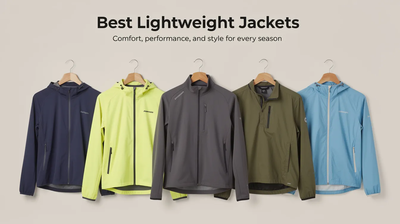
Your rain jacket should feature fully taped seams, pit-zips if possible, and weight in the 200–350 g range. The Rab Phantom Jacket exemplifies ultralight waterproof shells; budget Amazon rain shells work fine for occasional use, and some hikers instead opt for the best rain poncho for backpacking that doubles as pack and shelter coverage. Many lightweight hikers skip rain pants entirely, accepting wet legs as an acceptable trade-off for cold-weather trips.
- Bring one hiking outfit plus a dedicated dry sleep set
- Avoid packing a clean change of clothes for every day—this adds extra weight without meaningful benefit.
Kitchen, Food, and Water: Keep It Simple and Compact
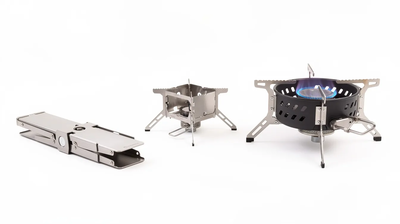
Your camp kitchen can shave hundreds of grams with minimal sacrifice. The formula is simple: one small canister stove, one pot, one spoon, a lighter, and optionally a mug. Total system weight: 300–500 g, including fuel.
Stove and cookware:
- Soto WindMaster: Excellent wind resistance and efficiency for most trail conditions
- BRS-3000T: Ultralight titanium burner widely sold on Amazon at budget-friendly prices
- TOAKS titanium pot (750–900 ml): Nests stove and small fuel canister, reducing pack volume
Food strategy for backpacking meals:
Lightweight hikers rely on freeze-dried meals, dehydrated meals, instant rice, couscous, and no-cook options (energy bars, nut butter, trail mix). Budget approximately 700–900 g of food per person per day without overpacking. Smart food storage using food bags keeps everything organized and accessible.
Water treatment:
- Katadyn BeFree or Sawyer Squeeze filters handle most backcountry water sources
- Carry 1–2 soft bottles (Hydrapak or affordable Amazon TPU bottles) instead of heavy hard bottles to save space and weight
Essentials, Electronics, and Safety: Tiny Items with Big Impact
“The essentials”—navigation, light, fire, first aid, repair, sun protection—remain non-negotiable even for weight-conscious hikers. Every extra item should demonstrably add safety value.
Core safety items:
- Headlamp: 400-lumen rechargeable model (e.g., Nitecore NU25) at 40–60 g; make sure battery lasts through your trip length
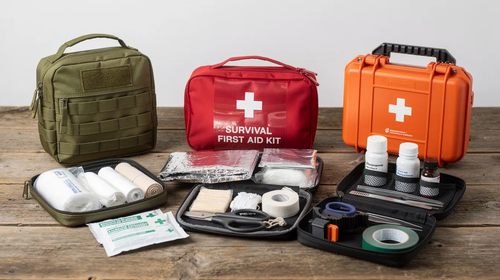
- First aid kit: Compact version customized with personal meds, blister treatment, wound care
- Multi tool or Swiss Army knife: Minimal but functional for repairs and food prep; broader tools for camping essentials like shovels, hatchets, and saws matter more for vehicle-based trips or basecamps than for fast-and-light backpacking
- Mini repair kit: Tenacious tape, needle, safety pin, paracord
- Sun protection: SPF 60 sunscreen, lip balm with SPF, and sun-protective clothing
Navigation essentials:
- Offline maps on a smartphone plus a small paper map and basic compass skills
- Satellite messenger like Garmin inReach Messenger for remote multi-day routes without cell coverage
- Essential items for navigation shouldn’t be sacrificed to save weight
Power management:
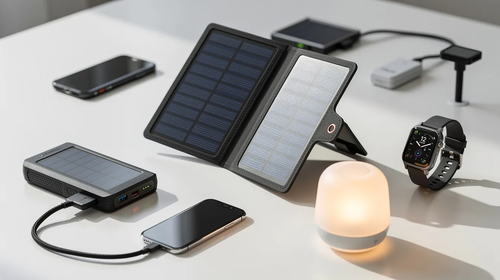
A 10,000–20,000 mAh power bank (Anker or RavPower) provides 3–7 days of smartphone charging depending on usage. Consider airline carry-on restrictions when flying to your adventure destination.
Don’t forget basics like toilet paper (minimal amount in a plastic bag), biodegradable soap for personal hygiene, and a kula cloth if you prefer reusable options.
Comfort and “Luxury” Items: When Extra Grams Are Worth It
Lightweight hiking isn’t a weight-minimization contest. Well-chosen comfort items can dramatically improve trip enjoyment, and that matters when you’re spending multiple nights in the backcountry.
Spotlight: Padded camping chair
Ultralight chair models in the 450–600 g (16–21 oz) range—comparable to Helinox Chair Zero and newer 2025–2026 competitors—provide genuine sitting comfort in camp. They can double as a small gear caddy for drying wet clothing or organizing essential items. Evening morale improves substantially when you’re not perched on a rock or wet log, and some hikers even upgrade to camping rocking chairs for maximum comfort and relaxation on front-country trips.
Other common luxuries: For some hikers, a compact seat like the best camping stools designed for portability and comfort feels just as essential as a camp mug.
- Paperback book or e-reader (100–200 g)
- Small journal and pen for trip documentation (20–50 g)
- Compact camera like Sony RX100-class (250–300 g)
- Tiny coffee kit for morning enjoyment
Luxury budget approach:
Allocate 500–800 g total for comfort items once your main kit is dialed. Your knees and shoulders pay for every extra gram, so choose one or two favorites rather than everything on the list.
Trial your luxuries on a weekend camping trip first. If an item isn’t used or deeply appreciated, cut it from future packing lists without guilt.
How to Build and Refine Your Lightweight Gear List
Most hikers don’t assemble a perfect lightweight kit in one purchasing cycle. Weight reduction happens progressively over multiple seasons as you replace heavier legacy gear with smarter options.
Start with measurement:
Weigh every item with a kitchen scale and log it in a spreadsheet or gear app. This creates visibility into exactly where kilos are hiding—often in unexpected places like your carry system or clothing.
Prioritization sequence:
- Upgrade the big three (pack, shelter, sleep system) for 40–50% weight reduction
- Address kitchen setup and water treatment
- Streamline clothing and eliminate redundancy
- Tackle smaller items and new gear as budget allows
Test before committing:
Do at least one local overnight shakedown trip with any new setup before heading to remote backcountry. Note what was unused (cut it) and what was missing (add it). Wear your actual hiking clothing and use your actual food setup.
Treat this guide as a living reference—return as you swap out heavier legacy gear for lighter options available via Amazon. Your pack will thank you, and so will your body after 20 km on trail.
FAQ
What is a realistic base weight goal for a new lightweight hiker?
Beginners should target a base weight around 9–11 kg (20–24 lb) for 3-season trips. This allows for comfortable camping gear including a proper tent, warm sleeping bag, and reliable backpacking gear without requiring expensive ultralight packs. As you gain trail experience and upgrade big items, you can gradually trim to 7–9 kg (15–20 lb). Going below approximately 6 kg (13 lb) typically requires expensive ultralight gear and tighter safety margins that most recreational hikers don’t need.
Can I build a lightweight hiking kit mostly from Amazon in 2026?
Yes, most key categories have solid mid-range and budget options available on Amazon. Quality packs, tents, stoves, water filters, and power banks are all accessible through the platform with reliable shipping. Genuine Wild’s role as an affiliate publisher involves testing, comparing, and highlighting which products actually perform well on real trails—separating genuinely useful gear from items made with recycled materials marketing claims but poor field performance.
How do I adapt lightweight gear for shoulder-season or early winter trips?
Keep most of your core gear but bump sleep system warmth significantly. Use a higher R-value sleeping pad (3.5–5.0 vs. 2.5–3.0 for 3-season) and a lower-temperature sleeping bag rated to 10–15°F instead of 20°F. Add a thicker insulating layer, warmer hat and gloves, and possibly extra protection like a balaclava for face coverage. Consider switching to more protective footwear offering insulation and better traction on frozen terrain. Safety trumps gram-counting when conditions become severe.
Is ultralight gear too fragile for beginners?
Some ultralight items featuring thin-denier fabrics and minimal zippers demand more careful use and field experience. However, many modern “lightweight” products—packs in the 1–1.5 kg range and tents around 1.2–1.8 kg—are robust enough for newer hikers who treat their gear reasonably. Start with durable lightweight gear rather than the absolute lightest options. Move toward true ultralight only after understanding your personal habits, typical terrain, and wear patterns through multiple trips.
How often should I replace my lightweight hiking gear?
Ballpark lifespans vary by category: 80–120 nights for many lightweight tents and pads, 5+ years for quality packs and trekking poles with normal use. Inspect gear each season for seam wear, zipper issues, and loft loss in insulation. Footwear typically needs replacement after 800–1200 km depending on terrain and your gait. Prioritize replacement of critical safety items (footwear, rain gear, sleep system) before cosmetic upgrades to non-essential gear.
Member discussion