
Key Takeaways
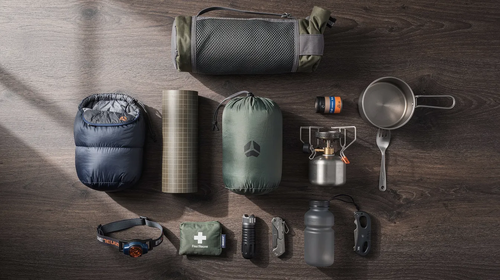
- A base weight under 10 kg (22 lb) qualifies as lightweight camping—you don’t need to go full ultralight to feel a massive difference on the trail.
- The “big three” (shelter, sleep system, backpack) account for 60-70% of your base weight and offer the fastest savings when upgraded.
- Modern 2025-2026 tents, bags, and packs from accessible brands like Big Agnes, NEMO, and Osprey deliver serious weight cuts without sacrificing durability or comfort.
- Strategic comfort items like a compact padded camping chair add minimal weight while dramatically improving camp morale.
- Going lighter is an iterative process—start with a gear audit, upgrade piece by piece, and test on short overnight trips before longer journeys.
Step 1: Upgrade Your “Big Three” Without Going Broke
The “big three” refers to your shelter, sleep system (bag or quilt plus pad), and backpack. These three categories typically account for 60-70% of your total base weight, making them the highest-impact upgrades you can make.
For 2026, a realistic target for lightweight camping is getting your big three under 5-6 kg (11-13 lb) combined. Here’s how that breaks down:
- Shelter: 1-1.8 kg (2.2-4 lb)
- Sleep system: 1.5-2 kg (3.3-4.4 lb)
- Backpack: 1-1.3 kg (2.2-3 lb)
The recommended upgrade order for most people:
- Sleep system first—poor sleep impairs cognitive function by 20-30% and ruins trip enjoyment faster than any other factor
- Shelter second—for weather protection and a meaningful weight drop
- Backpack last—because your new, smaller gear bulk allows downsizing
Double-Wall Freestanding Tents
For folks new to lightweight camping, free standing double-wall tents remain the easiest entry point. They pitch intuitively, handle condensation well, and work on any surface.
The Big Agnes Copper Spur HV UL (2025-2026 model) at 1.19 kg trail weight exemplifies this category. It features dual doors and vestibules, DAC poles for storm resistance, and mesh-fly ventilation that keeps the interior 5-10°F drier than single-wall designs in humid conditions.
The NEMO Dagger OSMO 2P at 1.51 kg minimum weight uses OSMO fabric—20% lighter with 2x the tear strength of standard silnylon. Its 42-45 inch peak height and 28 sq ft floor space make it ideal for comfort-focused pairs who don’t want to sacrifice livability.
The MSR Hubba Hubba LT 2 at 1.36 kg offers rectangular floors and superior ventilation, trading minor ounces for tent weight savings while maintaining excellent livability.
Trekking Pole Shelters
The Six Moon Designs Lunar Solo adds brow poles for improved headroom, suiting solo ultralight backpackers who prioritize weight above all.
Minimalist Options
Gathered-end hammocks like the ENO Sub6 (~900g) need tarps and underquilts for 4-season viability, adding 1-1.5 kg total. They excel in rocky terrain where tent sites are scarce, and a dedicated guide to lightweight backpack hammocks can help you decide if this system fits your style.
Sleep System: Lightweight Bags, Quilts, and Pads
Temperature Ratings and Choosing Insulation
Use EN/ISO ratings when comparing backpacking sleeping bags. For 3-season camping, choose a bag or quilt rated 5-10°F (3-5°C) colder than your expected lows. If you’re camping where nights drop to 30-40°F, look for 20-30°F bags.
Down vs. Synthetic:
- Down offers superior compressibility (packs to 1-2L) and warmth-to-weight ratio (1.5-2x synthetic)
- Synthetic maintains insulation when wet and costs less upfront
- Down is the go-to for backpacking trips where every gram matters; synthetic works for budget-conscious beginners or persistently wet climates
Sleeping Pad Selection
Your comfortable sleeping pad needs adequate R-value—the measurement of insulation from ground cold:
- Summer mountain trips: R ≥ 3
- Shoulder seasons: R ≥ 4-5
- Cold weather camping: R ≥ 5-6
The Therm-a-Rest NeoAir XLite NXT (350g, R3.2, 3” thick) remains a benchmark for ultralight backpacking. The NEMO Tensor All-Season (400g, R4.2) offers excellent comfort across different seasons.
For cold nights, pair an inflatable with a thin closed-cell foam pad like the Therm-a-Rest Z Lite Sol (200g, R2). This provides puncture backup and extra warmth without significant extra weight, and choosing from the best camping pillow options will further improve your sleep quality.
Pillows and Extras
Inflatable pillows like the Sea to Summit Aeros (60g) or NEMO Fillo Elite (100g) add morale without meaningful weight penalties. Alternatively, stuff your puffy layers into a stuff sack for a zero-weight pillow solution.
Backpacks: Carrying a Lighter Load Comfortably
A lighter shelter and sleep system means you can downsize your pack volume and frame strength. This creates a virtuous cycle—less gear bulk requires a smaller, lighter pack, which further reduces your pack weight.
Target Capacities
- 40-50L: Most 3-season backpackers
- 30-40L: Dialed-in minimalists with base weights under 6 kg
- 50-60L: Families or those carrying group gear
Framed Lightweight Packs
The Osprey Exos/Eja (updated 2025-2026 versions) at ~1 kg and 58L capacity offers a great pack for most backpackers transitioning from traditional pack designs. Breathable mesh and proper load lifters make it comfortable with 10-15 kg loads.
The Gossamer Gear Mariposa (1 kg, 60L capacity) punches above its weight class for longer backpacking trips.
Lightweight Camp Kitchen: Stoves, Pots, and Food Strategy
Kitchen weight adds up quickly through redundant utensils, oversized pots, and heavy fuel systems. A streamlined “boil-and-soak” approach—heating water to rehydrate meals—keeps your setup under 250g total.
Stoves
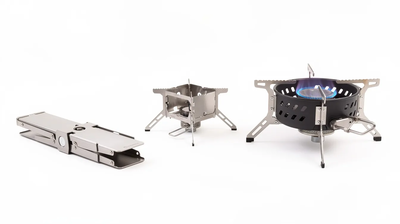
Canister stoves dominate lightweight backpacking:
- Soto WindMaster (90g): Wind-resistant with excellent simmer control
- MSR PocketRocket 2 (73g): Classic reliability at minimal weight
Integrated systems like the Jetboil Stash (400g complete) trade versatility for speed and efficiency in cold weather.
Cook Kit
A realistic 2-piece kit for 1-2 people:
- TOAKS 750ml titanium pot (110g) or Snow Peak Trek 900 (130g)
- Long-handled Ti spork (15g)
- Small lighter
Total: under 250g including stove.
Fuel planning: For a 3-day trip with 2 hot meals daily, budget 100-150g of canister gas. Windscreens and keeping lids on can reduce consumption by 20-30%.
Food Strategy
Target 100-130 kcal per 30g of food to keep pack weight reasonable. Good options include:
- Dehydrated backpacking meal bags (instant rice, couscous, oats)
- High-calorie snacks (nuts, nut butters, chocolate)
- Instant coffee or tea
For food storage, a BearVault BV450 (650g) where bear canisters are required. Check national parks regulations—safety and compliance always trump saving weight. In non-bear areas, simple dry bags with a bear bag hang kit work fine.
Clothing Systems for Lightweight Camping (Head-to-Toe)
Packing fewer, higher-quality layers beats carrying multiple heavy “just in case” items. Synthetic and merino fabrics dramatically outperform cotton for weight, moisture management, and warmth when wet.
3-Season Layering System
- Sun hoodie: Outdoor Research Echo Hoody or similar (functional clothing that blocks UV and dries fast)
- Short-sleeve base: Lightweight merino or synthetic
- Midlayer fleece: Grid fleece like Melanzana-style (excellent warmth-to-weight)
Rain Protection
A 2.5-3 layer shell handles most conditions:
- Rab Downpour (300g) or Outdoor Research Helium
- Lightweight rain pants if your region or forecast demands them
- Umbrellas work as an extra layer for some hikers but don’t replace proper rain protection
Footwear and Trekking Poles: Light on Your Feet
The shift from heavy leather hiking boots to trail runners has transformed long distance thru hiking. Shoe weight multiplied over 20,000+ daily steps dramatically impacts fatigue—saving 500g on your feet is equivalent to saving 2-3 kg in your pack.
Trail Runners
Most backpackers now prefer lightweight camping shoes and trail runners for 3-season trips:
- Altra Lone Peak (~250g per shoe): Wide toe box, zero drop, quick-drying
- HOKA Speedgoat: Maximum cushion for long days
- Saucony Peregrine: Aggressive tread for technical terrain
Wide toe boxes reduce blisters and accommodate foot swelling on big mileage days.
When Boots Make Sense
Lightweight mid-cut boots still make sense for:
- Off-trail scrambling
- Heavy pack loads (15+ kg)
- Early-season snow or persistent mud
The Salomon X Ultra 4 Mid (~1 kg/pair) offers ankle support without the weight penalty of traditional leather boots.
Sock Strategy
Pack 2-3 pairs of merino socks plus a small blister kit (tape, small scissors, antiseptic wipes). This high comfort-to-weight ratio investment prevents trip-ending foot problems.
Trekking Poles
Good poles reduce knee strain by 20-30% on descents, and choosing the best walking stick or trekking poles for your terrain pays off over long days:
- Black Diamond Distance Carbon Z (~400g/pair): Folds compact, super lightweight
- Leki Micro Vario: Adjustable length, durable
Folding poles pack smaller; telescoping poles adjust more precisely for varied terrain.
Comfort Extras That Still Keep Your Pack Light
You don’t have to suffer to camp light. Strategic “luxury items” provide outsized morale boosts for minimal weight penalties.
Camp Seating
A compact padded camping chair like the Helinox Chair Zero (500g) transforms camp comfort without wrecking your pack weight, and our roundup of top padded chairs for indoor and outdoor use covers even more comfort-focused options. For minimalists, simple sit pads weigh under 100g.
For hikers who spend long evenings in camp or have back/knee issues, a comfortable lightweight chair provides more real-world value than shaving 100g from a stove. Treat it as one of your 1-2 luxury items.
Other Comfort Items
- Ultralight headlamp: Nitecore NU25 (sub-60g)—non-negotiable safety and convenience upgrade over phone flashlights
- Heated seating options: for shoulder-season trips, heated camping chairs can keep you warm around camp without adding bulky extra layers
- Inflatable pillow: If not included in sleep kit
- Entertainment: Kindle, mini cards, or offline audiobooks (keep under 300g total)
Hygiene
These items add minimal weight:
- Bidet-style water bottle cap (20g)
- Kula cloth or small microfiber (reusable, saves toilet paper weight)
- 5-10 wet wipes in a zip bag (pack out used wipes)
- Compact toothbrush with tiny toothpaste tube (15g total)
- Lip balm (essential at altitude)
Limit luxury items to 500-1,000g total and reassess after each trip which items actually got used.
Lightweight Safety, Electronics, and Navigation
Safety gear represents “non-negotiable grams” that should be baked into every kit regardless of how aggressively you trim weight elsewhere.
Navigation
- Offline maps on smartphone (download before leaving service)
- Paper topo map as backup
- Simple compass (practice at home before relying on it in remote areas)
Communication
Satellite communicators like Garmin inReach Mini 2 provide SOS capability and two-way messaging beyond cell service. Share trip plans with a trusted contact regardless of whether you carry a satellite device.
Packing and Organization: Keep It Simple, Keep It Light
Good organization saves time and frustration at camp without requiring heavy organizers. It can also prevent lost gear and speed up your morning routine.
Packing Tips
- Roll or loosely stuff sleeping bags and clothes—over-compressing damages insulation
- Heavy items go close to your spine at mid-back height
- Quick-access items (snacks, map, rain jacket, water filter, water bottle) stay near top or in hip belt pockets
Pre-Trip Checklist
Create a simple packing list on paper or phone, organized by category. This reduces forgotten items and cuts last-minute “just in case” additions that bloat your pack. We offer downloadable lightweight camping checklists that you can adapt to your region and style.
What to Leave at Home: Common Heavy Items You Don’t Need
The easiest way to “go lightweight” is often subtraction, not new purchases. Before buying new gear, examine what you can simply stop carrying.
Heavy Items Most People Don’t Need
- Full-size bath towels (use a small packable microfiber)
- Large multi-tools with rarely used functions
- Multiple spare outfits beyond 1-2 day rotation
- Big lanterns (headlamp suffices)
- Full cosmetic kits
Toiletries to Minimize
Large shampoo bottles, big soap bars, and deodorant are rarely necessary for a few nights in the backcountry. Decant biodegradable soap into 30ml bottles and embrace a little trail grime.
The One-of-Each Rule
Bring only one of each category: one warm jacket, one pot, one spork, one headlamp (plus spare batteries). The “just in case” backup mentality creates significant extra weight.
FAQ: Lightweight Camping Gear
How light should my pack be for a 3-day camping trip?
For most healthy adults in 2026, a comfortable target for a 3-day, 3-season trip is a total pack weight (including food and water) around 9-14 kg (20-30 lb), depending on body size and fitness level.
Beginners might start closer to 14-16 kg and gradually reduce weight with smarter gear choices and better packing habits. Focus first on trimming the heaviest items and extra clothing rather than obsessing over tiny accessory weights—the pack feels dramatically different when you address the big three before worrying about saving weight on tent stakes.
Is lightweight camping safe in bad weather?
“Lightweight” should never mean underprepared. Your shelter must still handle wind and rain, and your sleep system must match expected temperature lows. Many modern lightweight tents used by thru hiking veterans on the Appalachian Trail and Pacific Crest Trail are specifically designed for sustained rough weather.
Always check a reliable forecast, carry an emergency extra layer (like a light synthetic puffy), and choose campsites with natural shelter from wind and runoff. Thoughtful design in modern ultralight backpacking gear means you’re not sacrificing warmth or protection—you’re using better materials and smarter engineering.
Do I need ultralight gear brands, or can I use mainstream options?
While specialist ultralight brands can save additional weight, many mainstream brands now offer “UL” or “LT” lines that are reasonably light weight and widely available on Amazon or at big-box outdoor stores.
Start with accessible options from companies like REI Co-op, Big Agnes, NEMO, Osprey, or Decathlon. You can decide later whether the extra 200-300g savings from niche cottage gear is worth 2-3x the cost. Technique—packing efficiently, smart layering, good campsite selection—and what you leave at home typically matter more than shaving the last few grams from a tent stake without sacrificing comfort.
How can I keep my gear costs down while going lighter?
Buy used gear for big-ticket items (tents, packs, bags) via reputable marketplaces like REI Used Gear, Geartrade, or r/ULgeartrade. Check carefully for damage and manufacturing dates, and prioritize buying safety-critical items new (stoves, headlamps, satellite communicators).
Consider upgrading one category per year—perhaps backpack in 2024, shelter in 2025, sleep system in 2026—to spread costs while steadily dropping base weight. Small DIY upgrades help too: trimming unnecessary straps, replacing heavy stuff sacks with lighter ones, and reusing simple containers instead of buying specialized organizers add up to meaningful savings in both dollars and grams over time.
Can I still bring a camping chair and be “lightweight”?
Absolutely. A compact padded camping chair in the 450-700g (1-1.5 lb) range easily fits into a lightweight setup if the rest of your kit is sensible. The key is treating the chair as one of your 1-2 designated luxury items and weighing it against other extras you might leave behind.
For hikers who spend long evenings at camp, have back issues, or simply enjoy not sitting on rocks, a comfortable lightweight chair delivers more real-world value than obsessively cutting 100g from your already-light stove. Going ultralight doesn’t mean going miserable—it means making intentional choices about where you spend your weight budget on your next adventure.
Member discussion