
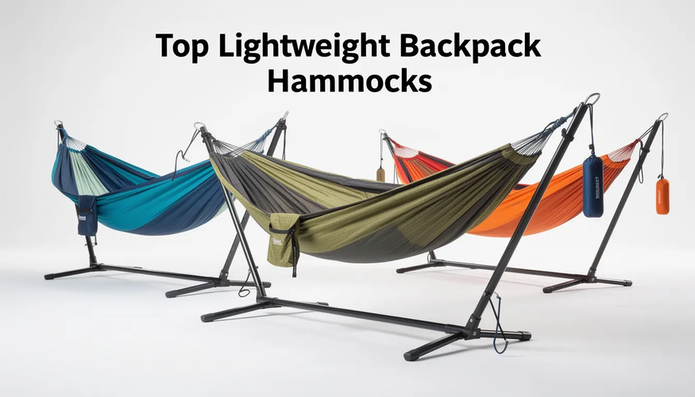
Key Takeaways
- A complete lightweight backpacking hammock sleep system—including hammock, tarp, suspension, bug net, and insulation—realistically weighs 23–35 oz in 2026, making it significantly lighter than many two-person tent setups.
- For most backpackers under 6’3”, the sweet spot is a 10–11 ft gathered-end hammock made from modern 20–40D nylon or polyester fabric.
- The most critical buying factors are comfort (length, fabric quality, and proper lay), total packed weight (suspension and tarp included), and climate-appropriate insulation such as an underquilt or sleeping pad.
- Both cottage brands and well-reviewed Amazon options have their place—this guide focuses on proven, readily available gear with solid user feedback.
- Whether you want an all-in-one hammock kit or prefer building a modular system piece by piece, this article will help you choose the right path and point you toward specific product picks.
Here’s a quick comparison of what you’re looking at in 2026:
Factor | Budget Backpacking Tent | Lightweight Hammock System |
|---|---|---|
Packed Weight | 3.5–4.0 lbs | 1.5–2.2 lbs |
Typical Cost | $120–$180 | $150–$300 |
Setup Time | 10–15 minutes | 1–3 minutes |
Ground Requirements | Flat, cleared area | Two healthy trees |
The comfort benefits deserve attention too. A proper diagonal lay in a well-sized hammock can rival or exceed the comfort of a good backpacking pad on the ground. Many campers report less pressure on shoulders and hips, and the ability to fine-tune sag with a fixed ridgeline means you can dial in your perfect sleeping position.
Key Factors to Consider When Buying a Lightweight Backpacking Hammock
The biggest mistake new hammock campers make is thinking only about the hammock body itself. In reality, you need to think in terms of a complete sleep system: the hammock, suspension, tarp, bug protection, and insulation all work together. Buying a great hammock but skipping on suspension or a proper tarp means you’ll end up uncomfortable at best and soaked at worst.
Purpose and Trip Style
Your trip style dramatically affects what hammock gear makes sense:
- Weekend backpacking: You can afford slightly heavier, more feature-rich options
- Multi-week section hikes: Weight matters more; prioritize durable but lightweight components
- Thru-hikes: Every ounce counts; ultralight fabrics and minimal features are worth the investment
- Car camping: Weight limit isn’t a concern, so prioritize comfort and ease of setup
For longer, weight-sensitive trips, spending extra on a 20D nylon hammock that saves 4 oz makes real sense. For casual car camping, a cheap hammock with spreader bars might work just fine.
Length and Width
Getting the right size is crucial for a comfortable hang:
- 10 ft hammocks: Work well for users up to about 6 ft tall
- 11 ft hammocks: The ideal choice for most backpackers seeking extra room to relax and sleep comfortably
- 12 ft hammocks: “Luxury” sizing—usually unnecessary for long-distance hiking and add weight
For side sleepers, look for wide models in the 60–65 inch range. The extra width allows you to position yourself more comfortably without feeling like you’re fighting the fabric.
Budget Reality
Realistic 2026 price bands look like this:
- $35–$70: Basic Amazon hammocks—functional for trying out hammock camping
- $75–$130: Mid-range camping hammock options with better fabrics and features
- $150–$250: Premium, modular systems from specialist brands
You can absolutely find good value at every price point. Dream hammocks don’t have to break the bank.
Hammock Body
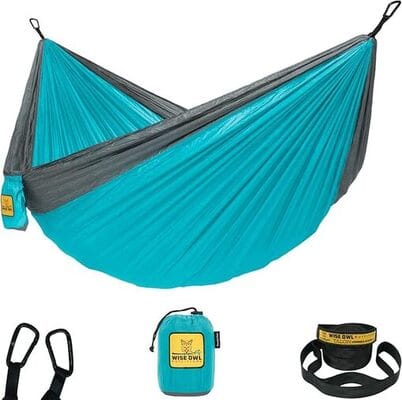
The gathered-end design dominates backpacking because it packs small, weighs little, and provides the comfortable diagonal lay that makes hammock sleeping work. Look for:
- Length: 10–11 ft for most users
- Width: 4.5–5.5 ft (wider for side sleepers)
- Layer options: Single-layer hammocks are lighter; double-layer designs allow you to slide a sleeping pad between layers for insulation
A double hammock intended for two people lounging works great for spacious solo sleeping, but actual two-person overnight use is uncomfortable—more on that in the FAQ.
Suspension System
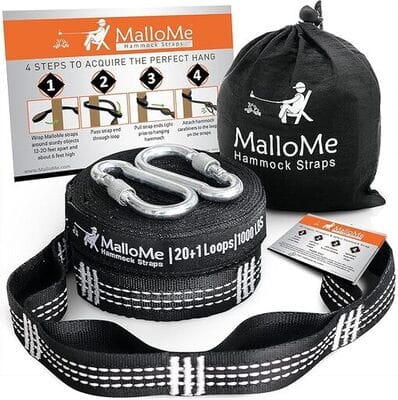
Your suspension option connects the hammock to trees and dramatically affects setup speed and packed weight. Common choices:
- Webbing straps with buckles: Easy to use, moderate weight
- Daisy-chain tree straps: Quick adjustment, tree-friendly
- Whoopie slings: Adjustable Dyneema loops offering low weight and infinite adjustment
Many avid backpacker types now favor 1-inch polyester tree straps paired with whoopie sling suspension for the best balance of weight, adjustability, and tree protection. Quality whoopie slings using Amsteel Blue Dyneema are rated to 2,500 lbs despite weighing mere ounces.
Included carabiners on budget hammocks vary widely in quality—consider upgrading to lighter, stronger hardware if saving weight is a top priority.
Tarp or Rainfly
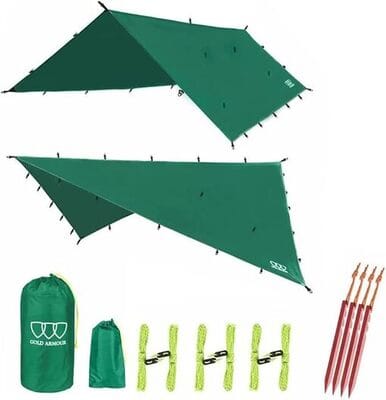
Don’t skip the tarp. A minimalist hex tarp can weigh around 8–12 oz while providing crucial rain protection. Key features to look for:
- Ridge length at least matching your hammock (11 ft minimum for 11 ft hammocks)
- Side tie-outs for storm mode
- Quality seam sealing
- Silnylon or silpoly construction for durability and water resistance
Coverage matters more than brand name. A well-pitched basic tarp beats an expensive designer tarp set up poorly.
Bug Protection
You have two main approaches:
- Integrated zip-on bug nets: Simpler, often lighter for many users, stay attached to the hammock
- Separate sock-style nets: Slide over the whole hammock, easier to remove entirely when bugs aren’t an issue
When preparing for outdoor adventures, don't forget to protect your gear with a reliable backpack rain cover.

For shoulder-season or high-elevation trips where bugs disappear, removable nets let you save weight. Summer backpackers in the Southeast should prioritize reliable bug protection—mosquitoes can make sleeping impossible.
Small But Critical Accessories
These often-overlooked items, such as camp stools, frequently add 2–4 oz to your real packed weight:
- Ridgeline organizers for glasses, headlamp, phone
- Gear slings for storing packs off the ground
- Quality stuff sack (sometimes heavier than manufacturers claim)
- Lightweight stakes for tarp guy-outs
- Storage shelf options inside the hammock
How to Choose the Right Hammock Size, Shape, and Features
Most complaints about hammock sleeping stem from choosing the wrong length or width, not from hammocks being inherently uncomfortable. Getting these details right makes the difference between restless nights and great sleep.
Length Guidelines
Match your hammock length to your height:
- Under 5’10”: 10 ft hammocks usually provide adequate room
- 5’10”–6’3”: Consider 11 ft for extra comfort
- Over 6’3”: May need 11–12 ft models
When splitting hairs between sizes, err toward longer. The weight penalty for an extra foot of fabric is minimal, and the comfort improvement can be significant.
Weight, Materials, and Durability in 2026 Hammock Designs
Hammock technology has advanced significantly since the early 2010s. Today’s best hammocks use thinner, stronger fabrics and lighter hardware without sacrificing the durability backpackers need.
Common Fabrics
Fabric | Weight (typical) | Characteristics |
|---|---|---|
20D Ripstop Nylon | Lightest | Softer feel, more stretch, requires careful handling |
30D–40D Nylon | Light-moderate | Excellent durability balance, industry standard |
Polyester | Moderate | Lower stretch, better UV resistance, slightly heavier |
The move toward 20D–30D denier fabrics (thinner than the 70D tent fly material common a decade ago) has allowed hammock bodies to drop below 15 oz while still supporting 300+ lb weight capacity.
Realistic Lifespan
A well-cared-for 30D nylon hammock handles years of weekend trips without issues. Ultralight 20D models trade some long-term durability for weight savings—a fair trade for thru-hikers who need to shave every gram, but casual backpackers may prefer slightly more durable fabric.
Proper care extends lifespan significantly: store dry, avoid prolonged UV exposure, and inspect for wear regularly.
Hammock Hang Angle and Height
Aim for about a 30° suspension angle—the straps should angle down from the tree, not run nearly horizontal. Hang height should put your bottom roughly chair-height above the ground. This provides:
- Safe entry and exit
- Proper lay angle for sleeping
- Easy access to gear below
If your hammock has a structural ridgeline, it serves as a built-in gauge—when the ridgeline is taut and the hammock has good sag, you’re close to optimal.
Safety Checks
Before climbing in for the night:
- Inspect straps for wear, cuts, or UV damage
- Confirm all knots or buckles are secure
- Visually check for “widowmakers” (dead branches) overhead
- Test the hang with your weight before committing
These checks take 30 seconds and prevent unpleasant surprises at 2 AM.
FAQ: Lightweight Backpacking Hammocks
Can I use a lightweight hammock on treeless routes like high alpine or desert sections?
Hammocks require trees, which limits their use on exposed alpine routes or desert terrain. Your backup options include ground-pitching your tarp with trekking poles and using a minimal bivy, choosing campsites near isolated trees or structures, or carrying a dedicated ground shelter for treeless sections. Many PCT hikers successfully use hammocks through forested sections and switch to alternative shelters for the Sierra high country. If 80% of your route is forested, hammocks remain viable—just plan ahead for the exceptions. A portable stand exists for treeless camping but adds significant weight, making it impractical for backpacking.
Is hammock camping actually warmer than a tent in cold weather?
Hammocks can feel colder than tents because air circulates beneath you, creating a “cold bridge” that ground sleepers don’t experience. Without proper insulation, you’ll be uncomfortable even in moderate temperatures. However, with a good underquilt and top quilt, hammocks can be just as warm—and often more comfortable—than tent sleeping. Many winter hammock campers report excellent sleep in temperatures well below freezing with appropriate gear. The key is investing in quality bottom insulation rated for your expected conditions.
How do I keep my ultralight hammock fabric from tearing or failing on trail?
Ultralight 20D fabrics require more careful handling than heavier materials. Avoid sitting in the hammock with sharp objects in your pockets (keys, knives). Don’t exceed 70–80% of the rated weight capacity to maintain a safety margin. Check regularly for abrasion damage from rough bark, especially if you’re not using protective tree straps. Store your hammock dry between trips—mold and mildew weaken fabric over time. With reasonable care, even ultralight hammocks last hundreds of nights.
Can two people sleep overnight in a double hammock while backpacking?
While double hammocks work great for lounging together during the day, most long-distance backpackers find separate hammocks far more comfortable and practical for actual overnight sleep. Two bodies in one hammock create pressure points, restrict movement, and make proper diagonal lay nearly impossible. The weight penalty for carrying two individual hammocks is minimal compared to the sleep quality improvement. Save the double hammock for relaxing at camp; bring separate setups for sleeping.
What’s a realistic budget for a first complete lightweight hammock setup?
A practical first setup in 2026 runs about $150–$250 for a quality hammock, tarp, tree straps, and entry-level insulation. You can go cheaper with basic Amazon gear (around $80–$120 total) but may sacrifice durability or comfort. Premium setups with cottage-brand components can exceed $400–$500. For most readers, the $150–$250 range hits the sweet spot—good enough for serious backpacking without overspending before you know your preferences. Genuine Wild links to value-focused options in this range throughout our specific product reviews.
Member discussion