
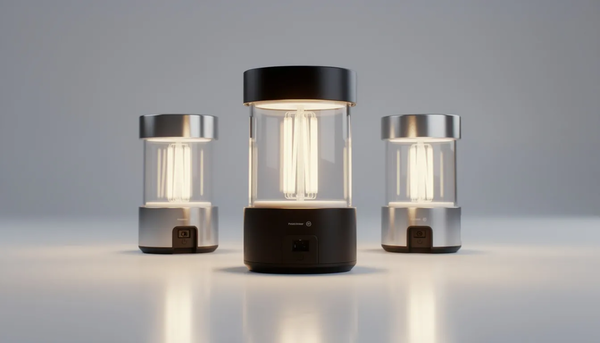
Key Takeaways
- Battery powered LED lanterns are ideal for camping, backpacking, power outages, and everyday home use, offering safe, fuel-free illumination that works instantly.
- Modern lanterns combine high lumen output (100–1000+ lumens) with impressive runtimes and multiple lighting modes including low, high, and SOS for emergencies.
- You can choose between disposable batteries (AA/AAA/D cells), built-in rechargeable lithium packs, and hybrid models that double as power banks to charge your phone.
- Genuine Wild focuses on recommending durable, water resistant lanterns available on Amazon that balance weight, brightness, and long battery life for real-world outdoor use.
- The FAQ at the end answers practical questions like which batteries to carry, how many lumens you really need, and how to store lanterns for blackouts.
What “Lantern Battery Powered” Really Means (And Why It Matters)
If you’ve ever tried to navigate a dark campsite or waited out a storm without electricity, you understand why a reliable light source matters. This guide covers everything you need to know about battery powered LED lanterns for camping, outdoor adventures, and emergency preparedness.
When we talk about “battery powered” lanterns, we’re referring to three main categories:
- AA/AAA/D-cell lanterns that run on disposable alkaline batteries
- Built-in rechargeable lithium-ion packs that charge via USB
- Hybrid lanterns that can operate on batteries while also functioning as a power bank to top off your phone
This stands in stark contrast to gas and fuel lanterns that burn propane or butane. While those fuel-based options can provide a warm glow and serious heat output, battery operated lanterns are safer, simpler, and far more practical for most campers and families. There’s no open flame, no fuel canisters to purchase and transport, and no ventilation requirements that make them unsuitable for use indoors or in a tent.
To ground this in a concrete example: a 1000-lumen LED lantern running on D batteries can illuminate a large area like an entire campground picnic pavilion for hours, while a compact 200-lumen pocket lantern with AA batteries fits in your jacket and provides enough brightness to light up a tent for an entire night. Both are battery operated, but they serve very different purposes.
At Genuine Wild, we point readers toward Amazon-available options suited for car camping, backpacking, and home blackout kits. Understanding what “battery powered” actually means helps you match the right lantern to your specific situation.
Types of Battery Powered Lanterns
The market in 2024 offers more variety than ever, from classic alkaline-powered workhorses to fully rechargeable models and clever hybrids that do double duty.
Disposable-Battery LED Lanterns (AA/AAA/D)
- Run on standard alkaline batteries you can purchase anywhere
- Ideal for emergency kits since batteries store for years
- Example: A compact 4xAA mini lantern perfect for kids or as a backup light
- Best for: home emergency kits, car camping with easy battery access
USB-Rechargeable Lithium Lanterns
- Built-in lithium-ion battery charged via USB-C or micro-USB
- Lighter per lumen and more cost-effective over time
- Example: A 4400mAh rechargeable camp lantern with 300-lumen output
- Best for: frequent campers, backpackers who carry a power bank anyway
- Rechargeable lanterns that also function as USB power banks
- Can charge your phone, headlamp, or other devices
- Example: A collapsible USB-rechargeable model with 5000mAh capacity
- Best for: multi-day trips, storm preparedness, off-grid cabins
Compact Personal and Children’s Lanterns
- Small, lightweight, often under 350 lumens
- Designed for reading, tent use, or nightlights for kids
- Example: A tiny squeeze-to-activate lantern that’s fun and safe
- Best for: backpacking, family camping with children, glamping ambiance
Each type serves a purpose. Car campers might want the longest run time possible from a big D-cell lantern, while ultralight backpackers prioritize weight and might carry a rechargeable that weighs under four ounces. For backyard gatherings, you might even pair camping lanterns with string lights for atmosphere.
Key Specs: Brightness, Battery Life, and Modes
When comparing led lanterns, two specs dominate the conversation: lumens (brightness) and runtime (how long the batteries last). Understanding these numbers helps you avoid buying a lantern that’s either too dim for your campsite or drains batteries before your camping trip ends.
Brightness Ranges
- 60–150 lumens: Suitable for personal use, reading in a tent, or as a nightlight. Won’t brighten an entire campsite but perfect for close-range tasks.
- 200–500 lumens: The sweet spot for typical campsites. Enough to illuminate a picnic table and surrounding area without blinding everyone.
- 1000+ lumens: Super bright output for large area illumination, group camps, or emergency situations where you need to discover obstacles and hazards in the dark.
For context, early battery lanterns from the 1890s produced dim, short-duration light from carbon-filament bulbs that converted only 10-20% of energy to light. Modern LEDs convert over 80% of energy into bright light, which is why a 100-lumen LED lantern on 4 D-cells can run for 72 hours compared to just 8 hours for an equivalent incandescent.
Battery Life Expectations
Reputable models measured on high brightness often run 4–8 hours continuously. Switch to low or “eco” modes and you can stretch that to multiple nights of use. A quality rechargeable lantern might advertise 100 hours on the lowest setting, which matters when you’re weathering a multi-day power outage.
Common Lighting Modes
- Low/Medium/High: Standard brightness levels for adjusting to conditions
- Strobe/SOS Flash: Emergency signaling for search and rescue situations
- Warm vs Cool White: Warm tones are easier on the eyes at night; cool white provides maximum visibility
- Red Light Mode: Preserves night vision and doesn’t attract insects as much
Prioritize dimmable or multi-mode lanterns so you can dial brightness down at night and maximize battery life on extended trips.
Power Sources: Disposable vs Rechargeable vs Hybrid
Choosing between disposable batteries, rechargeable packs, and hybrid systems involves trade-offs between convenience, long-term cost, and reliability in different scenarios.
Disposable Alkaline Batteries (AA/AAA/D)
Pros:
- Widely available at any gas station, grocery store, or campground store
- Excellent for emergency kits since quality alkaline cells store for 10+ years
- No charging infrastructure required
- You can carry spares and swap them in seconds
Cons:
- Heavier per unit of power compared to lithium
- More wasteful over time (billions of alkaline cells discarded globally each year)
- Repeated purchases add up in cost
For a weekend camping trip, most hikers carry one spare set of batteries in the original packaging or a dedicated battery case to prevent accidental discharge.
Built-In Lithium-Ion Battery Lanterns
Pros:
- Lighter per lumen than alkaline-powered alternatives
- More cost-effective for frequent campers (no ongoing battery purchase)
- USB-C charging is increasingly universal
- Many can be topped off via solar panels—consider a rechargeable flashlight for the best performance and convenience
Cons:
- Dependent on access to charging (outlet, car, solar panel, or power bank)
- Batteries degrade over time (typically 500-1000 charge cycles)
- Rare but real risk of thermal runaway if damaged (less than 0.01% failure rate)
Hybrid Lanterns with Power Bank Function
These models provide light while also serving as a backup battery for your phone and other USB devices. A 4400mAh hybrid can provide light all night and still have enough capacity to give your phone a 50% charge by morning.
Best for:
- Storm preparedness (keep devices charged during extended power outages)
- Off-grid camping where you need to operate multiple devices
- Families who want one device that handles multiple needs
Pairing Tips
- Car campers: Combine a large rechargeable lantern with a compact AA lantern as backup
- Backpackers: Pair a tiny rechargeable with a spare 18650 cell or small power bank
- Home emergency kits: Keep both a rechargeable and a battery operated lantern with fresh alkaline cells stored separately
Design Features That Actually Matter Outdoors
Beyond brightness and battery life, the physical design of a lantern determines how well it performs in real outdoor conditions.
Construction and Durability
Look for these features to ensure your lantern survives the environment:
- Impact-resistant plastic or rubberized housing that can handle drops onto rocks
- Anti-shatter globes that won’t break if the lantern tips over
- IPX4+ water resistance for protection against rain and splashes (note: IPX4 means splash resistant, not waterproof or submersible)
A durable lantern should survive being accidentally knocked off a picnic table or exposed to a sudden rain shower without failing.
Portability Features
How you hang, carry, and store your lantern matters as much as how it performs:
- Integrated carabiner or folding bail handle for hanging from tent loops or tree branches
- Top and bottom hooks for versatile mounting options
- Magnetic bases that attach to vehicle hoods or metal tent poles
- Collapsible designs that compress flat for small packs
Weight Considerations
- Sub-4 oz pocket lanterns: Perfect for ultralight backpacking where every gram matters
- 10–20 oz models: Suitable for vehicle-based camping or backyard use where weight isn’t a concern
Family-Friendly Safety Elements
If kids will be using the lantern:
- Cool-running LEDs that don’t create burn hazards (unlike gas lamps)
- Child-safe switches that prevent accidental activation
- Designs that are easy for small hands to carry into tents and blanket forts indoors
If you want a high-quality product for outdoor activities or camping, discover the best emergency light sticks on the market today.
Best Uses: Camping, Backpacking, and Emergencies
The same battery powered lantern can serve multiple roles, but your priorities differ between trail use and home use.
Camping (Car or RV)
For campground and car camping, you want lanterns that provide light for the whole family without constant battery swaps. If you're looking for personal lighting, the best headlamps for hiking are also a great choice for illuminating your outdoor adventures:
- Recommend 300–600 lumen lanterns with wide diffusion
- Prioritize long runtime and multiple brightness levels
- Ideal for picnic tables, group sites, and common areas
- Weight is less critical since you’re not carrying it far
A great option here is a lantern with a warm light setting that creates atmosphere without harsh shadows.
Backpacking
When every ounce counts, lantern selection changes dramatically:
- Choose compact, sub-200 lumen lanterns under about 6 oz
- Models that double as a flashlight offer versatility
- Collapsible silicone shades pack flat in your backpack
- USB-rechargeable models pair well with the power bank you’re already carrying
Power Outages and Emergencies
For storm preparedness and blackout kits at home:
- Keep at least one 360° lantern with 20+ hours of runtime on low
- Store a stash of fresh alkaline batteries separately from the lantern (prevents corrosion)
- Consider a hybrid model that can charge phones during extended outages
- Finally, keep the lantern in an accessible location rather than buried in a closet
Importantly, having multiple smaller units distributed through your house often works better than one large lantern. Position them near stairs, bathrooms, and the kitchen for instant access when the power goes out.
Genuine Wild’s buying guides often rank lanterns by these scenarios, making it easy to discover the right fit and purchase through Amazon for each use case.
How We at Genuine Wild Evaluate Battery Powered Lanterns
At Genuine Wild, we approach lantern reviews the same way we evaluate all outdoor gear: with a focus on real-world performance rather than marketing claims.
Our evaluation criteria include:
- Measured brightness vs claimed lumens: Manufacturers sometimes overstate output; we look at independent testing and user reports
- Real runtime on high and low: How long does the lantern actually operate before dimming significantly?
- Durability after drops and wet conditions: Can it survive a fall onto concrete or exposure to rain?
- Ease of operation in the dark: Can you find and operate the switch without fumbling?
Key metrics for hikers and campers:
- Weight and packability: Does the size and weight justify the brightness?
- Versatility: Does it offer features like power bank function or multiple modes?
- Value: Does the performance match the cost?
Our sourcing approach:
- We focus on widely available lanterns sold on Amazon
- This allows readers to easily compare prices, read reviews, and take advantage of shipping options
- We prioritize products with established track records over new releases without user feedback
How you can apply these criteria:
- Read the specs carefully, but cross-reference with user reviews
- Look for runtime claims that specify brightness level (e.g., “100 hours on low” is more useful than just “100 hours”)
- Check for warranty information and customer service reputation
- Consider whether the lantern fits your specific use case before you purchase
Safety and Care Tips for Battery Powered Lanterns
While LED lanterns are significantly safer than gas models, they still require basic care and proper battery handling to operate reliably for years.
Eye Safety and Supervision
- Avoid staring directly into high-output LEDs at close range, especially 500+ lumen models
- Keep super bright lanterns out of reach of unsupervised children
- Use lower brightness settings indoors to prevent eye strain
Storage Tips
- Remove disposable batteries during long-term storage to prevent leaks and corrosion
- Store lanterns in a dry, cool space away from direct sun exposure
- Recharge lithium models every few months even if not in use (prevents deep discharge damage)
- Keep spare batteries in their original packaging or dedicated cases
Weather and Water Resistance
- Most lanterns rated IPX4 handle splashes but not submersion
- Dry charging ports and seals after exposure to rain
- Don’t leave lanterns sitting in standing water
- Cold weather reduces battery capacity by up to 50% below freezing—keep spare batteries warm in your pocket or sleeping bag
Before Your First Use
- Review manufacturer safety guidance, especially for multi-mode or SOS-enabled models
- Test all functions at home before heading to a remote campsite
- Know how to access the battery compartment in the dark
- Carry a small flashlight as backup in case your primary lantern breaks
Never store lanterns with batteries installed in hot vehicles during summer. Heat accelerates battery degradation and can damage the lantern’s electronics.
FAQ: Battery Powered Lanterns
How many lumens do I really need for a family campsite versus a backpacking tent?
For a family campsite with a picnic table and common area, aim for 300–500 lumens to comfortably illuminate the space for cooking and socializing. For a small backpacking tent, 50–100 lumens is plenty—anything brighter will feel harsh in a confined space and waste battery life unnecessarily.
Which spare batteries should I pack for a weekend camping trip and how should I store them?
For a weekend trip, carry one complete spare set of whatever batteries your lantern uses (typically AA or D cells). Store them in the original packaging or a dedicated battery case to prevent contact between terminals, which can cause discharge or short circuits. Keep them in a dry location away from metal objects.
Is it better to buy one large rechargeable lantern or multiple smaller battery powered units for home blackout preparedness?
Multiple smaller units generally work better for home emergencies. Distributing lanterns in key locations (kitchen, bathroom, stairways) means you have immediate access when the lights go out rather than searching for a single lantern in the dark. A mix of one rechargeable and one or two battery operated backups gives you flexibility if one fails.
How long do lithium battery lanterns typically last with occasional use, and how can I maximize their lifespan?
Quality lithium-ion lanterns last 3–5 years with occasional use, though the battery may hold less charge over time. Maximize lifespan by storing partially charged (around 50%), keeping the lantern in a cool environment, and recharging every 3–6 months even if not used. Avoid letting the battery fully discharge or storing it fully charged for extended periods.
Can I use a battery powered lantern as my only light source for a week-long camping trip?
Yes, but plan carefully. Bring spare batteries or a reliable charging method (solar panel, car charger, power bank). A lantern with 100+ hours of runtime on low can last a week if you use it conservatively—primarily for cooking, tent time, and late-night hours rather than running it continuously. Having a backup flashlight is always smart for longer trips.
Whether you’re preparing for your next camping trip or building a reliable blackout kit, the right lantern battery powered solution can make all the difference between fumbling in the dark and having dependable light exactly when you need it. Start by identifying your primary use case—backpacking, car camping, or home emergencies—then match specs to your specific needs. The market offers more options than ever, and with the right knowledge, you’ll find a lantern that serves you for years to come.


Member discussion