
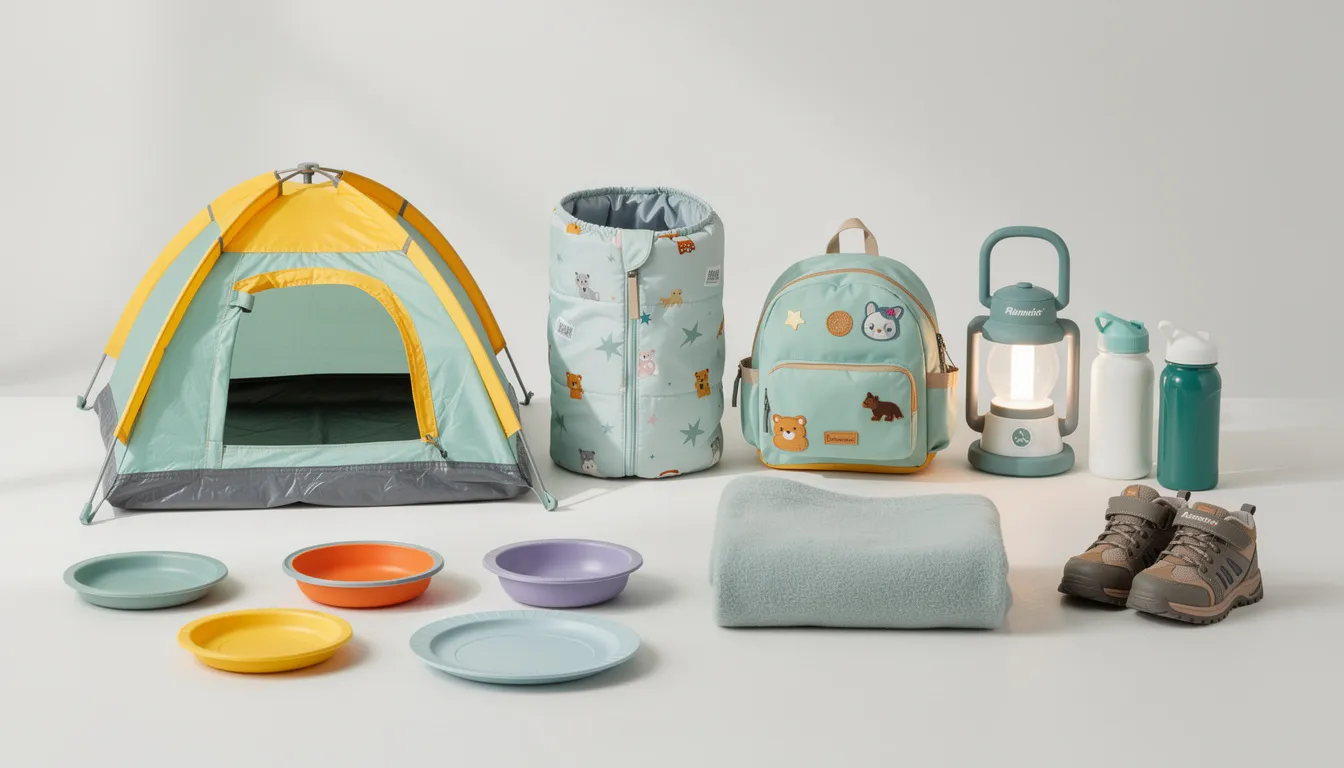
Key Takeaways
- Parents don’t need every gadget on the market—a few smart, kid-friendly upgrades to sleep, seating, and play make the biggest difference on any family camping trip.
- Focus on temperature-rated sleeping bags (look for 25°F ratings for shoulder seasons), quality sleeping pads with R-value 3+, and compact camp games that pack small but deliver hours of fun.
- Safety gear like headlamps (headlamps are a great option for kids to provide hands-free illumination at night), glow sticks (glow sticks are a fun way to keep track of kids at night while camping), and a well-stocked aid kit (The Adventure Medical Backyard Adventure Owl Kit is a compact, kid-friendly first-aid kit) should be non-negotiable for camping with young campers.
- This guide is organized by campsite comfort, sleep systems, hiking essentials, activities, and baby/toddler add-ons—plus an FAQ at the end for common questions parents ask.
Kid-Sized Camp Chairs
Kids camping chairs are essential for comfort around the campfire. These chairs are built for kids and typically feature lower seat heights (12-18 inches versus adult 18-22 inches), armrests with built-in cup holders, and weight limits around 150-225 lbs. Look for chairs with sturdy steel frames and 600D polyester fabric that can handle dirt, spills, and repeated folding. Most quality options run $15-35 on Amazon.
- Lower seat heights (12-18 inches)
- Armrests with built-in cup holders
- Sturdy steel frames and durable fabric
- Weight limits around 150-225 lbs
- Label chairs with names or colored tape to reduce fights
Table Setup Strategy
Most developed campground sites include a picnic table, but don’t count on it. Some overflow sites lack them, and shared tables get claimed fast at busy parks. A lightweight folding table (around 4 feet, collapsible to a carrying case) gives you:
- Extra prep space for meal prep
- A dedicated spot for art supplies and games
- A clean surface for toddler feeding
If your campground reliably has tables, skip the extra gear. But for national parks and dispersed camping, having your own makes life easier.
Sleeping Bags for Kids
Child-sized sleeping bags help retain heat effectively for children while camping. Kids sleeping bags should be rated for the appropriate temperature to keep them warm at night. Kid-size sleeping bags run 50-60 inches versus adult 72+ inches. This matters because smaller bodies in oversized bags have too much air space to warm, leading to cold nights even in bags with decent temperature ratings.
Look for features like adjustable length (grows with the child), integrated stuff sacks, and synthetic fills like hollow-core polyester that offer good insulation even when damp—important when kids sweat or spill.
Insulation Under, Not Just Over
Sleeping pads are as important as sleeping bags. Cold ground steals heat fast. For kids, consider:
- Closed-cell foam pads: Inexpensive, nearly indestructible, R-value around 2-2.5. Great for toddlers who might damage an inflatable.
- Self-inflating pads: R-value 3-4, more comfortable, pack reasonably small. Good for kids 5+.
- Tri-fold memory foam pads: Heavy but luxurious for car camping. Kids sleep like they’re at home.
- Air mattress options: Work for car camping but provide less insulation than dedicated sleeping pads.
Experts recommend at least R-3 for three-season use to avoid what some call “cold butt syndrome”—discomfort from inadequate ground insulation that leads to restless sleep.
Tent Sizing
For two adults and two kids, choose a 6-8 person tent. The extra space accommodates gear, allows kids to move around, and prevents the claustrophobic feeling that makes children anxious at night. Look for:
- Full-coverage rainfly
- Bathtub floor design (edges curve up to block ground water)
- Easy setup (color-coded poles, simple clip systems)
Making the Tent Feel Like Home
Small touches help kids transition to sleeping outdoors:
- Bring their favorite pillowcase from home
- Pack a small stuffed animal
- Add a battery-powered night light or soft-string lights
- Let kids help set up “their side” of the tent.
Camp Kitchen & Eating Gear Kids Actually Use
Child-Friendly Dishware
Durable reusable items that can live permanently in a camp bin:
- Plastic or enamel plates (not paper, which gets soggy)
- Bowls with high sides to prevent spills
- Insulated kid-size mugs for cocoa (stainless steel with double-wall vacuum can keep drinks warm 6+ hours)
- Kid-sized utensils with chunky handles
Color-code by child to reduce arguments. Let each kid pick their color before the trip.
Marshmallow Roasting and Fire Safety
- Telescoping marshmallow sticks with color-coded grips keep kids farther from the fire and eliminate the “which stick is mine?” problem. Look for handles rated for high heat and sharp-enough tips for hot dogs but not so sharp they’re dangerous.
- Establish a visible “no-go” ring around the open fire using rocks or sticks.
- Review rules every night: no running near fire, no poking the fire without an adult, sit in chairs not on the ground near flames.
Camp Kitchen Layout
A simple system that works:
- Cooler: Keep on a table or off the ground to discourage critters
- Water dispenser: A 5-gallon jug with spigot for handwashing and drinking
- Snack bin: Clear container with granola bars, fruit pouches, trail mix—kids can serve themselves
Modern coolers with 5-7 day ice retention and child locks prevent accidental opening. This matters because bacterial growth accelerates rapidly above 40°F.
Toddler-Specific Feeding Gear
- Spill-resistant water bottle with bite valves (insulated, leak-proof water bottles encourage consistent hydration for children while camping)
- Lidded snack cups
- Small collapsible high chair or clamp-on chair for kids under 3
- Extra bibs you don’t mind getting destroyed
Cleanup Made Easy
Involve kids in cleanup as an easy camp chore—they can scrape plates, carry dishes, and help dry, especially when they’re excited to use gear like safe, kid-friendly marshmallow roasting sticks that they helped clean and put away. This builds responsibility and keeps them engaged during the boring parts of camping.
Kid-Friendly Lighting & Nighttime Safety
Darkness can be fun or terrifying for kids. The difference often comes down to whether they feel in control. Simple lighting gear turns evenings into a highlight instead of a meltdown trigger.
Headlamps for Kids
Headlamps are a great option for kids to provide hands-free illumination at night. Look for models with:
- Adjustable straps that fit smaller heads
- Simple one-button interface
- 200-400 lumens brightness
- Red light mode (preserves night vision without blinding tent-mates)
Let each child own their headlamp. Clip it to their sleeping bag during the day so they always know where it is. Practice using it at home before the trip.
Glow Sticks and LED Accessories
Glow sticks are a fun way to keep track of kids at night while camping. Cheap, high-impact safety items for twilight and after dark:
These make kids visible when they’re moving around the campsite after dusk. You can spot them instantly, and they love the “cool factor.” Kids cool down about camping fast when they have glowing gear, and parents gain extra peace of mind by packing reliable emergency light sticks for backup visibility in case other lights fail.
Battery Management
- Bring spare AA/AAA batteries in a labeled zip bag.
- Turn off kids’ headlamps before bed to avoid dead lights at 2 a.m. when someone needs a bathroom trip.
- A small flashlight kept in a consistent spot (tent pocket, under a pillow) serves as backup.
Hiking & Exploring Gear for Kids
Daypacks for Kids
Small, lightweight daypacks in the 8-15L range work well. Features to look for:
- Padded shoulder straps
- Chest clip to prevent slipping
- Water bottle pocket
- Simple zipper pulls kids can manage
Let each child carry their own backpack with:
- Their water bottle
- A snack
- Sun hat (kids should have sun hats for protection during outdoor activities)
- Small nature journal or activity book (nature journals and art supplies can help kids connect with their environment while camping)
This teaches responsibility and gives kids ownership of their hiking experience. The pack should weigh no more than 10-15% of their body weight.
Footwear by Age and Terrain
- Campground roaming: Sturdy closed-toe sandals
- Easy trails: Entry-level low-cut hiking boots or trail runners (hiking shoes are essential for providing support and traction for kids during outdoor adventures)
- Rocky/wet terrain: Waterproof hiking boots with grippy soles
Smooth sneakers are slippery on wet roots and rocks. If you’re visiting national parks with any real terrain, proper hiking boots are worth the investment. Brands like Merrell and Keen offer kid sizes with features similar to adult hiking footwear, and many families also rely on lightweight camping shoes that balance traction, comfort, and quick-drying performance.
Pair with quality hiking socks—merino wool blends wick moisture 30% faster than cotton and prevent blisters via seamless toes and arch compression—and consider kids’ waterproof sneakers for all-day adventures when you expect wet grass, puddles, or light rain.
Explorer Kit Essentials
Nature exploration kits, which include items like magnifying glasses and bug catchers, enrich children's camping experiences. Build excitement with simple “explorer” items:
- Kid binoculars (binoculars are recommended for kids to enhance their nature exploration during camping trips)
- Basic compass
- Magnifying glass
These should be sturdy, not fragile adult optics that break when dropped. Kids love having their own gear for discovery, and a well-fitted headlamp designed for hiking adventures helps them explore safely when daylight starts to fade.
Seasonal Extras
- Insect repellent: DEET-based for areas with ticks; plant-based bands work for casual mosquito zones
- Sunscreen sticks: Easier for kids to apply themselves
- Personal whistle: Safety whistles are recommended for children to wear around their necks for emergency signaling. Attach to pack for older children with clear rules—“Only blow if you’re lost or hurt”
Special Considerations for Babies & Toddlers
Camping with babies and toddlers is absolutely possible with targeted gear that prioritizes safety, warmth, and containment. Don’t let anyone tell mom or dad that they have to wait until kids are older to enjoy the great outdoors.
Carriers for Trail Time
Age/Weight | Best Option |
|---|---|
Newborn to ~20 lbs | Soft carrier or wrap |
20-40 lbs (sitting independently) | Structured hiking carrier with sunshade |
40-50 lbs | Framed carrier with storage pockets |
Safe Sleep Options
- Travel cribs or pack-and-plays: Fit inside most 6+ person tents, provide familiar contained sleep space
- Portable baby beds: Smaller footprint, good for tent camping (portable travel tents can serve multiple purposes, such as a bed and insect protection for kids)
- Warm sleep sacks: Choose TOG rating appropriate for expected overnight lows
Sound machines can help babies sleep in unfamiliar environments—studies suggest white noise reduces wake-ups by 40%. Battery-powered or USB-rechargeable models exist for camping use.
Feeding Logistics
- Backpack-style diaper bag (keeps hands free)
- Insulated bottle cooler
- Portable bottle sterilizer (optional for multi-day trips)
- Clip-on or freestanding travel high chair (straps to picnic bench)
Toilet and Diaper Strategies
- Potty-training kids: Folding travel potty
- Wet bags: For dirty clothes and cloth diapers
- Biodegradable diaper bags: Pack out all diapers at developed campgrounds
- Clear disposal plan: Know where dumpsters are located
First Trips with Babies
Start with one-night trips close to home (within 1-2 hours’ drive) in late spring or early fall when temperatures are mild. You can bail out if needed and learn what gear gaps you have. Don’t book a week in the wilderness for your first time camping with an infant.
Storage, Organization & Buying Kid Camping Gear on a Budget
Proper Gear Storage
- Dry everything fully after a trip (mold ruins gear fast)
- Store sleeping bags loosely in large sacks or pillowcases, not compressed in stuff sacks
- Hang tents to dry before packing; store in cool, dry space
Budget Tips
- Buy used kid gear in local outdoor groups (Facebook Marketplace, community swap pages)
- Choose items that grow with kids (extendable sleeping bags, adjustable trekking poles)
- Start with multi-use items rather than niche gadgets
- Borrow friends’ gear for your first trip before investing
FAQ
What is the minimum gear I need to camp one night with kids?
Focus on the essentials: a weather-appropriate tent large enough for your whole family, sleeping bags and sleeping pads for everyone, basic lighting (headlamps plus one lantern), camp chairs for sitting, a cooler with food, a way to cook (camp stove or campfire gear if allowed), and weather-appropriate clothes including layers.
Forget fancy gadgets for your first trip. Toys can be as simple as a ball, a deck of cards, and a scavenger hunt you print at home. You likely already own much of what you need—don’t let a long packing list scare you away from getting out there.
How do I choose the right temperature rating for kids’ sleeping bags?
Look up average overnight lows for your destination and choose bags rated about 10°F lower than expected temps. Children often sleep colder than adults because they have less body mass to generate heat.
Pay attention to whether ratings are “comfort” or “lower limit”—comfort ratings are more realistic for kids. For shoulder-season trips in spring or fall, add a fleece liner or dress kids in warm base layers to extend your bag’s range without buying multiple bags.
How can I keep kids safe around the campfire and in the dark?
Set a visible “no-go” ring around the fire with rocks or sticks, and review rules every night before lighting: no running near fire, no poking without an adult, sit in chairs not on the ground near flames. Telescoping roasting sticks keep kids at a safer distance.
After dark, equip every child with their own headlamp plus glow sticks on wrists or zipper pulls. Establish clear boundaries for where kids may roam after dusk, and implement a simple check-in system for older kids exploring the campsite.
How early can I start camping with a baby?
Many families successfully camp with infants as young as a few months old. Success depends on parents’ outdoor experience, weather stability, and willingness to keep trips simple.
Start in mild temperatures (nights above 50°F), stay within 1-2 hours from home, and focus on safe sleep, shade, and feeding logistics. Skip ambitious hiking and prioritize rest for everyone. You can add adventure as your confidence grows.
What’s the best way to test kid camping gear before a big trip?
Do a “backyard campout” or book a night at a local park to test your tent, sleeping setup, lighting, and camp kitchen with kids before driving hours to a national park. This reveals problems—too-cold sleeping bags, a confusing tent setup, missing cooking utensils—when you can still fix them.
Keep a quick note on what worked and what didn’t. Use the sections of this guide as a checklist to adjust your kit before your next adventure. Each trip teaches you something new about what your family actually needs.
Member discussion