
Key Takeaways
- A foldable stove is a compact, pack-flat or hinged camping stove designed for easy transport, ideal for car camping, backpacking, tailgating, and emergency use.
- In 2026, most popular foldable stoves fall into three fuel categories: propane/butane gas, solid-fuel/gel (like Sterno), and wood-burning steel stoves.
- Real-world price ranges on Amazon in 2024–2026 include simple foldable solid-fuel stoves from about $14.21, 2-burner folding gas stoves around $35–$65, and collapsible outdoor kitchens near $90+.
- This article will compare top foldable stove types, explain how to choose BTU output and fuel, and give packing and safety tips for real-world trips.
What Is a Foldable Stove?
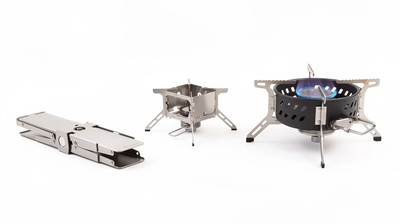
A foldable stove is a portable outdoor cooking appliance whose body or legs fold or pack flat to reduce bulk for transport and storage. These units achieve at least 50% reduction in packed volume compared to their deployed size, making them essential gear when space and weight matter.
Typical models fold in several ways:
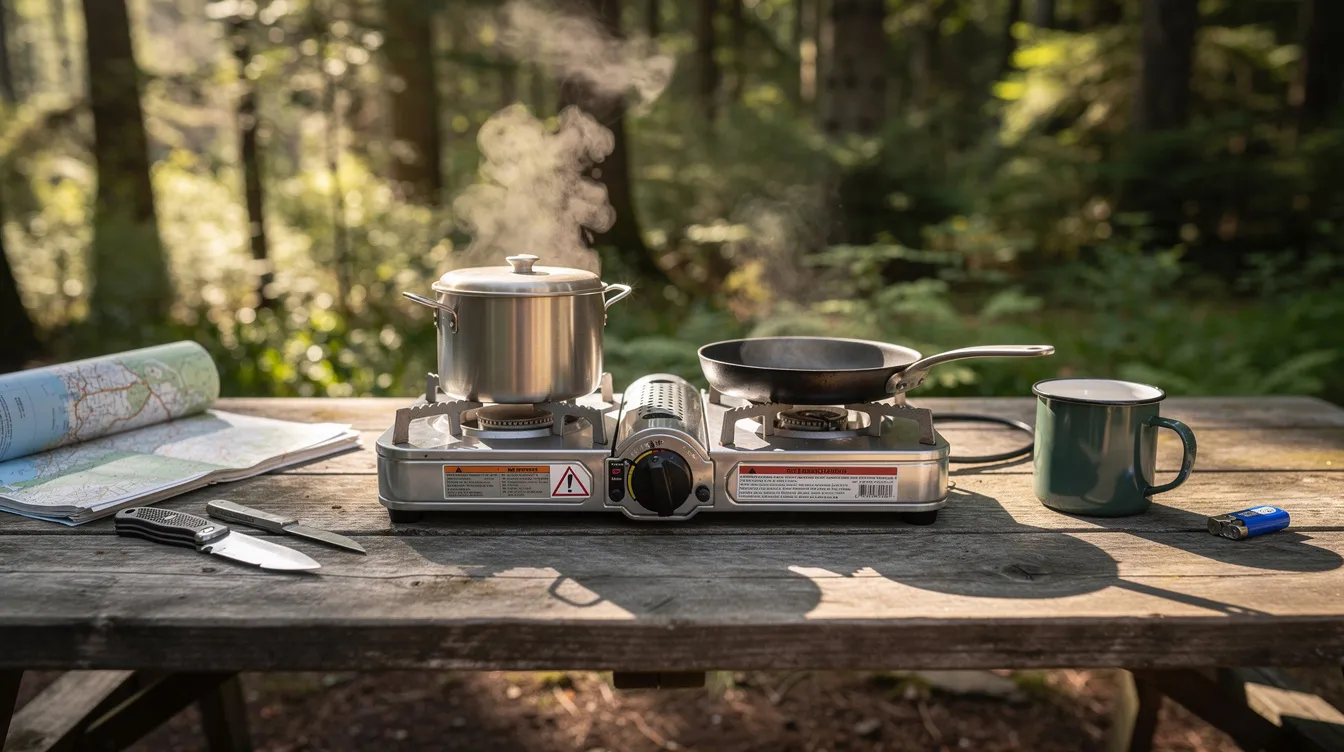
- Hinged lids that close over dual burners (common on 2-burner propane stoves)
- Stamped metal frames that collapse flat (Sterno-style folding stoves)
- Panel-style stainless steel boxes that slot together for wood burning
In this guide, “foldable stove” covers compact cooking units only—not full-size patio grills or permanently installed RV ranges.
Real product examples anchor this definition: a 2-burner 16,000–36,000 BTU folding propane stove with a carry bag runs $35–$65, while a minimalist foldable solid-fuel stove costs under $20. Many modern foldable stoves are designed for outdoor-only use and should not be operated indoors or in enclosed tents due to carbon monoxide risk.
Types of Foldable Stoves (Gas, Solid Fuel, Wood & Camp Kitchens)
The main choice for buyers is fuel type and overall form factor. Here’s how each category breaks down:
Folding Propane/Butane Stoves
- Common designs include 2-burner propane camp stoves with 16,000–36,000 BTU output, integrated windscreens, grills, and carry bags ($35.99–$62.99 range on Amazon)
- Hybrid “home & camp” burners feature sleek foldable bodies, auto-ignitors, and expanded trivets that sit on a picnic table but still pack down for storage
- Strengths: Fast boil times, precise flame control, compatibility with standard 1 lb propane or butane canisters
Foldable Solid-Fuel / Gel Stoves
- The Sterno Foldable Stove serves as a prime example: a silver, easy-to-assemble metal frame supporting cans of gel fuel or small pots
- Often sold in multi-packs (packs of 2 from about $14.21, packs of 4 around $29.99)
- Strengths: Ultra-simple construction, no moving parts, flat-pack portability—popular for car emergency kits and minimalist camping
Foldable Wood-Burning Stoves
- Flat-pack steel or titanium “box” stoves assemble from panels in seconds and burn twigs, small branches, or pellets
- Higher-end folding tent stoves with chimney pipes can cost $600+ with collapsible legs and nested flue sections for heating and cooking inside canvas tents with proper ventilation
- Strengths: Unlimited fuel sourcing in wild areas, sustainable cooking option
Collapsible Camp Kitchens / Cooking Stations
- These portable kitchen stations feature aluminum frames, multiple shelves or cabinets, and removable wind guards ($90–$100 range)
- Note: These serve as sturdy platforms for separate stoves rather than being burners themselves
Quick comparison: | User Type | Best Stove Category | | Backpackers | Lightweight wood or solid-fuel | | Car campers & RVers | Propane 2-burner and camp kitchens | | Emergency preppers | Sterno-style and dual-fuel options |
Key Features to Compare Before You Buy
Buyers should go beyond price and focus on specific, easy-to-check specs that affect real trip performance.
BTU Output & Heat Control
BTU ranges in 2024–2026 listings typically show:
- Small single burners: 7,000–10,000 BTU
- Typical dual-burner folding stoves: 16,000–30,000+ BTU combined
Higher BTUs help in wind, at altitude (losing 10% efficiency per 1,000ft), and for large pots. Adjustable burners with precision knobs are critical for simmering instead of just blasting full power.
Burner Configuration
- 1-burner foldable stoves: Focused, compact, great for solo backpackers
- 2-burner propane models: Let campers boil water on one side while simmering sauce on the other
Some 2-burner foldable stoves in the $35–$40 range include optional grill plates and pans for burgers, pancakes, and fish. A griddle attachment transforms breakfast cooking for the whole family, similar to how the Camp Chef 2-burner stove system uses grill and griddle accessories for versatile camp cooking.
Wind Protection
Windproof grates and removable windscreens are must-haves for exposed campsites. Look for folding stoves that integrate side shields and rear panels to guard the flame. Customers camping on beaches or high ridgelines should prioritize models marketed with “windproof” or “wind guard” features, and heavy-duty setups that rival a high-pressure propane burner for outdoor cooking in stability.
Packed Size & Weight
Stove Type | Typical Weight | Packed Dimensions |
|---|---|---|
Sterno-style solid fuel | Under 1 lb | Nearly flat |
Double-burner propane | 8–15 lb | 17×13×4 inches |
Ultralight wood panels | Under 1 lb | 6×6×1 inch |
Backpackers should look for flat-pack wood stoves, while overlanders can handle heavier folding designs. |
Materials & Durability
- Stainless steel: Rust-proof, holds 500°F without warp
- Aluminum: 30% lighter, anodized for corrosion resistance
- Heavy-gauge steel: Supports cast iron cookware but heavier
Warning: Some manufacturers explicitly warn against using cast iron or stone cookware on compact butane burners due to radiant heat risks around the fuel canister.
Ignition & Ease of Setup
Many modern gas stoves feature piezo ignition with 10,000+ spark lifetime and 90% cold-weather reliability. If ignitors fail, always carry matches or a lighter as backup.
Setup times vary:
- Hinged 2-burner stoves: seconds
- Panel-style wood stoves: 30 seconds to assemble
- Full kitchen stations: slightly longer with cabinets and wind guards
Price & Value
Realistic 2024–2026 price bands:
- Entry-level foldable solid-fuel stoves: ~$15
- Mid-range dual-burner propane stoves: $35–$60
- Collapsible outdoor kitchens: $90–$100
- Premium tent wood stoves: $600+
Padded camping chair highlights products that balance performance, durability, and price, whether you’re choosing a minimalist folding burner or a more traditional iron camping cooker stove. Visit Amazon for current deals and availability.
Best Uses: Matching a Foldable Stove to Your Trip
No single foldable stove fits every scenario. Match stove type and output to your most common trips for the best results.
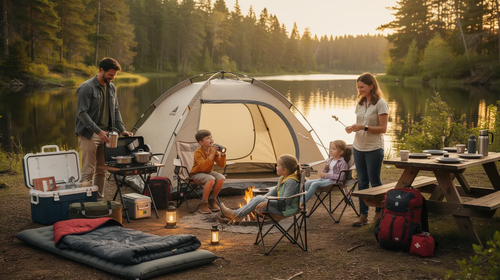
Car Camping & Family Trips
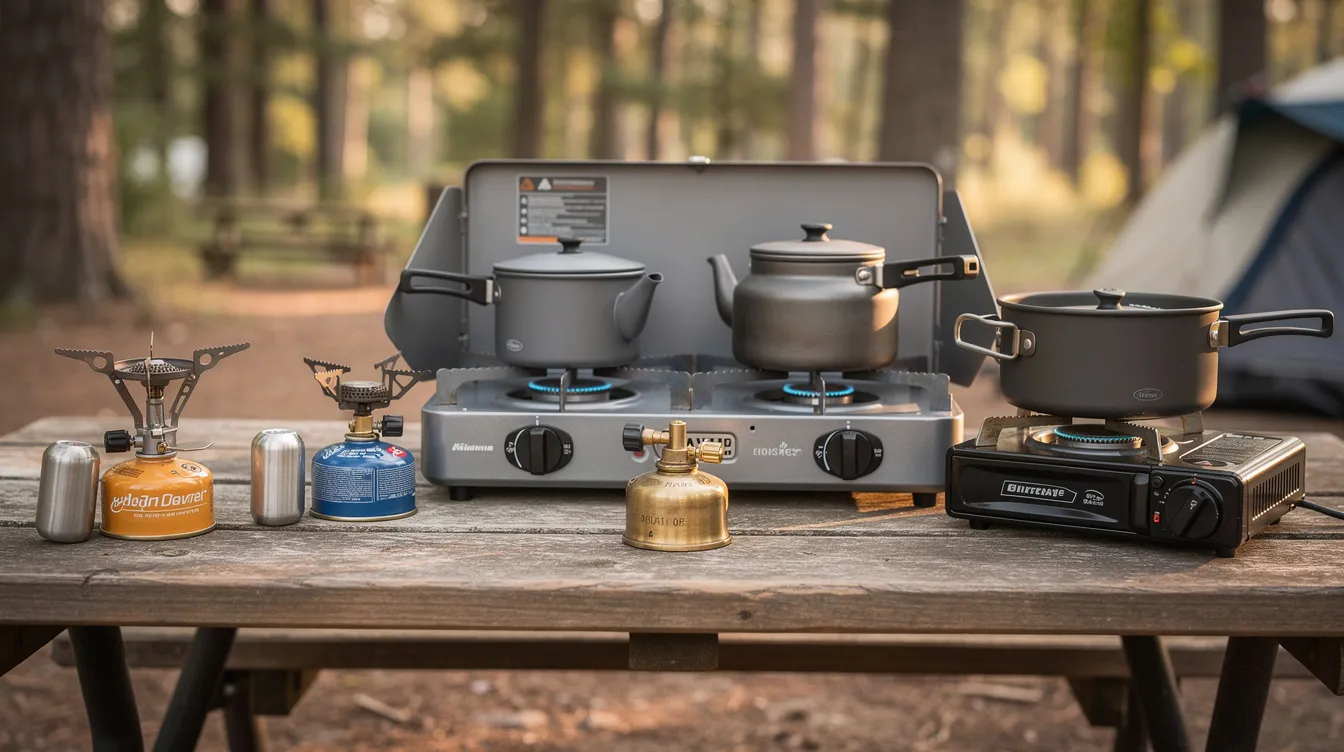
- Recommended: 2-burner folding propane stoves with 16,000–36,000 BTU output, integrated windscreens, and optional grills
- Pair with collapsible camp kitchens featuring cabinets and wind guards for longer stays at state parks
- These handle full breakfasts, large pots of water, and dinner for the whole crew, especially when paired with Camp Chef 2-burner stove accessories like grill boxes and pizza ovens.
Backpacking & Minimalist Hiking
- Suggested: Flat-pack wood stoves, small butane burners with fold-out pot supports, or compact foldable solid-fuel stoves
- Aim for well under 1 lb for ultralight setups
- Backpackers often pair these with 750–900 ml titanium pots and a lightweight camping kettle for easy storage and easy transport
Overlanding, RV Trips & Tailgating
- Higher-output 2-burner propane stoves and full folding kitchen stations excel for grilling and searing
- Tailgating crews appreciate integrated grills and grill pans included with some 2-burner folding gas stoves
- The Coleman brand and similar manufacturers offer models ready for stadium lots and trailheads, and powered RV sites can also support an electric camping kettle for quick brewing.
Emergency Preparedness & Home Backup
- Inexpensive Sterno-style foldable stoves sold in multi-packs work perfectly for power outages
- These simple, low-maintenance options can live in a bin with canned food and water
- Solid fuel has indefinite shelf life—ideal when conventional cooking is unavailable, especially when paired with a portable camping sink to keep dishes and hands clean during emergencies.
Cold-Weather & Tent Heating Scenarios
Specialized folding wood tent stoves with chimney pipes handle both heating and cooking in canvas wall tents, but many campers also rely on a dedicated tent heater for camping to stay warm between cooking sessions. Critical safety note: Only use these in shelters explicitly designed for wood stoves with proper stove jacks and ventilation. Never use with synthetic backpacking tents.
Safety, Setup & Maintenance Tips
Even compact foldable stoves are open-flame devices requiring careful handling around kids, pets, and dry vegetation.
Ventilation & Placement
Propane, butane, Sterno, and wood-burning foldable stoves are for outdoor use only. Standard gas stoves produce 100–200 ppm carbon monoxide at high burn—indoor operation risks fatal CO poisoning.
- Set stoves on solid, level, heat-resistant surfaces
- Keep at least 6ft from tent walls, dry grasses, and overhead branches
- Watch the unit closely and never leave unattended
Fuel Handling
For gas stoves:
- Turn knobs off before detaching canisters
- Check for leaks using soapy water
- Store canisters upright, away from flame or prolonged heat
For wood and solid fuels:
- Bring a small fireproof base plate for sensitive surfaces
- Fully extinguish coals before packing up
Organizing your fuel alongside other essential camping tools and gear helps keep your cooking setup safe and efficient.
Cookware Compatibility
Some foldable stoves easily handle heavy cast iron (sturdy steel frames or robust 2-burner units), while others warn against cast iron or ceramic due to weight and radiant heat concerns. Check manufacturer details before using Dutch ovens or griddles.
Wind & Weather
- Use built-in windscreen protection whenever possible
- Add natural windbreaks (logs, coolers, boulders) at safe distance in gusty conditions
- Flames can blow out or flare dangerously in high winds
Cleaning & Storage
- Wipe cooking surfaces and grates after each trip
- Let stove fully cool before folding
- Check for rust spots or clogged burner ports (cleaning prevents 20% efficiency loss)
- Store in included carry bags or hard cases; keep dry between trips
Warranty & Support
Look for at least a 1-year limited warranty. Coleman offers lifetime coverage on some burner components. Keep receipts for potential replacements if workmanship or material defects appear. Confirm warranty details and cancellation policy on the manufacturer’s page before purchase. The same mindset applies when you invest in comfort upgrades like a heated camping chair to pair with your stove for cold evenings around camp.
Testing Approach
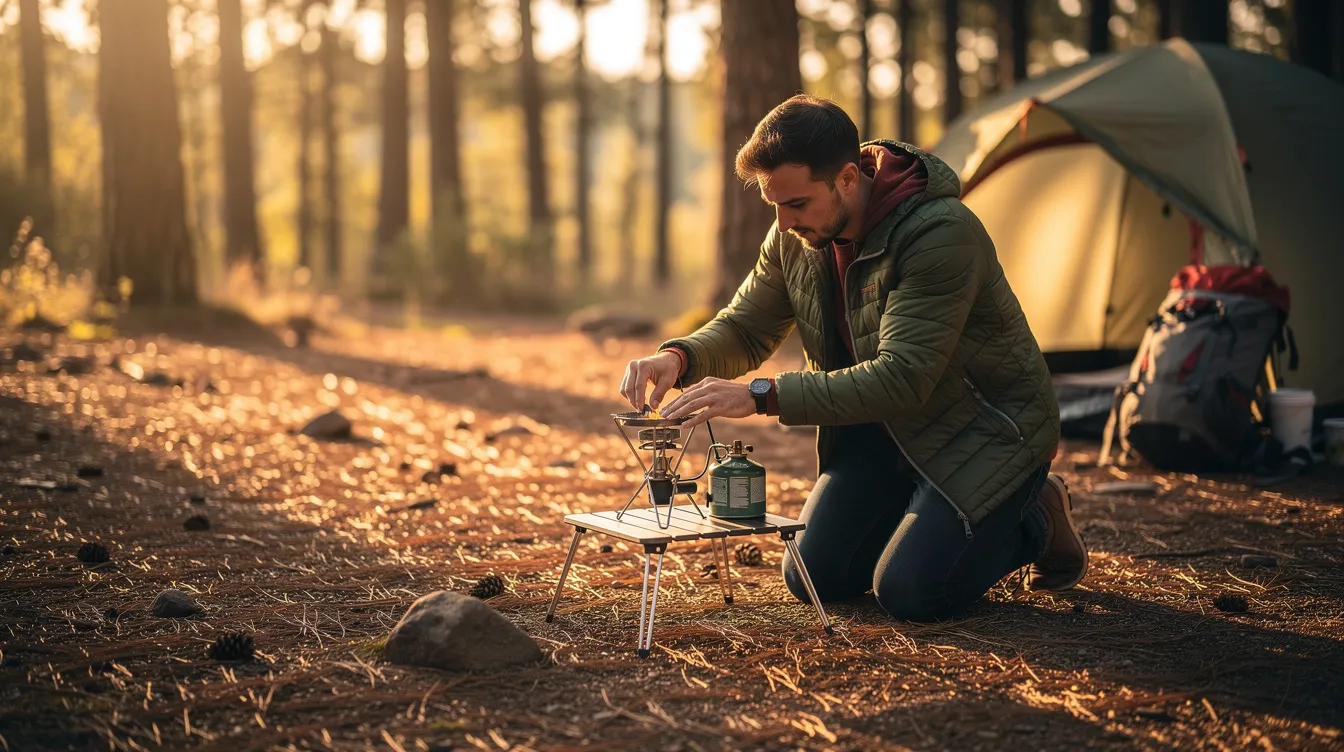
Our team evaluates foldable stoves in real-world scenarios:
- Weekend car camping trips
- Short backpacking excursions
- Backyard cookouts
We focus on boil times, wind performance, simmer control, and ease of setup. Side-by-side comparisons of BTU ratings, fuel consumption, and packability matter when multiple stoves compete in the same price bracket.
Data & User Feedback
We cross-reference manufacturer specs with verified Amazon customer reviews, paying attention to long-term reliability reports from owners across multiple seasons. Star ratings and recurring complaints—like ignition failures or flimsy hinges—factor into rankings.
What Readers Can Expect
In our full product reviews, we provide specific picks for different users—budget campers, minimalist backpackers, family car campers, emergency preppers—with direct links to current Amazon listings. Bookmark this guide since foldable stove availability and pricing can shift rapidly during peak camping season and major sales events with dates listed on retailer pages.
California Proposition 65 Notice: Many outdoor products, including stoves and fuel, may contain chemicals known to the state of California to cause cancer and birth defects or other reproductive harm. Check product listings for specific warnings about reproductive harm and related details.
Some stove purchases may qualify for recurring purchase options or subscription savings on fuel. Add items to your cart to see if deferred payment is permitted. The store will charge your selected payment method, and subscription terms—including frequency and how to cancel—appear at checkout. Promotional emails may be fulfilled based on your account preferences.
FAQ: Foldable Stove Questions Answered
This section addresses common questions not fully covered above, focused on practical ownership issues in 2024–2026.
Can I use a foldable propane stove indoors or in a tent during bad weather?
Standard foldable propane, butane, and Sterno stoves are designed strictly for outdoor use because they produce carbon monoxide and require significant airflow. Cooking inside a home, vehicle, or enclosed tent is dangerous and can be fatal—even with a partially open window. Only specialized tent stoves with proper vents and chimneys in shelters designed for them should ever be used under cover, and even then with careful monitoring and a CO detector.
How many BTUs do I really need for a foldable camping stove?
For solo or duo backpacking, a single burner in the 7,000–10,000 BTU range handles boiling water and simple meals. For car camping and family trips, a 2-burner foldable stove with 16,000–30,000 BTU combined output is ideal for full breakfasts and large pots. High-output options around 36,000 BTU suit groups, windy conditions, or larger cookware but consume more fuel.
What’s the difference between a foldable solid-fuel stove and a foldable gas stove?
Foldable solid-fuel stoves (Sterno and tablet-burning frames) rely on gel or compressed fuel blocks, have simple frames, and are slower to boil but extremely low maintenance. Foldable gas stoves connect to pressurized canisters, offer finer flame control, and boil water faster. Solid-fuel stoves suit emergency kits and ultra-light setups; gas stoves provide everyday camping convenience.
How long will a 1 lb propane cylinder last on a typical 2-burner foldable stove?
Approximately 1.5–3 hours of continuous burn at medium-high output for a stove around 20,000–30,000 BTU. Fuel consumption varies by model, flame setting, and altitude. Bring at least one extra 1 lb cylinder for a weekend car camping trip for two people cooking breakfast and dinner daily.
Are foldable stoves allowed in all campgrounds and during fire bans?
Regulations vary by region and fuel type. Many land agencies allow gas stoves with on/off valves during partial fire restrictions but ban open wood fires and some wood-burning stoves. Always check current fire regulations for your specific campground before your date of departure. Carry printed proof of regulations and agree to build a backup cold-soak food plan if restrictions tighten suddenly.
Member discussion