
Key Takeaways
- Start with core family camping gear: a weatherproof family tent, warm sleep systems for each person, a reliable camp kitchen, and safety basics like a first aid kit and lighting.
- Prioritize comfort for kids: padded camping chairs sized for smaller bodies, cozy sleeping bags, and a few familiar bedtime items make nights at camp go smoothly.
- Plan for 2026 conditions: pack layered clothing for temperature swings, power banks for devices, and updated LED lighting for darker spring and fall trips.
- Use a sectioned checklist (shelter, sleep, kitchen, clothing, safety, entertainment) so you don’t forget essentials on fast weekend getaways.
- Introduction: Why the Right Family Camping Gear Matters
The difference between a family camping trip that creates lifelong memories and one that ends in exhaustion often comes down to gear choices made weeks before you leave home. In 2026, families make up roughly 45% of all campers in the U.S., and the most successful outings share a common thread: parents who invested time in selecting equipment that handles real-world conditions—not just sunny catalog photos.
Camping gear should be tailored to the specific needs of your family and the type of camping you plan to do. Essential family camping gear includes shelter, sleeping arrangements, cooking tools, safety items, and activity supplies.
Whether you’re planning your first camping trip with a toddler, managing kids under 10 who wake at every rustle, or coordinating multigenerational trips where grandparents need creature comforts, the right gear keeps everyone warm, fed, and entertained without constant parental firefighting.
Quick Family Camping Gear Checklist (Pack This First)
Before diving into specifics, here’s a comprehensive list covering a 2–3 night car camping trip for a family of four. Print this, save it to your phone, or tape it inside your gear bin:
Shelter & Comfort
- 1 × 6–8 person cabin tent with full rainfly (e.g., 2026 Coleman or Core model)
- 1 × 10x10 pop-up canopy with silver-coated top
- 1 × large outdoor rug (8x10 feet)
- 4–6 × camp chairs with armrests, cup holders, or camping rocking chair options
- 1 × folding camp table and a couple of camping stools for extra seating
- Tent stakes and guylines (extras)
- Small doormat
Sleep
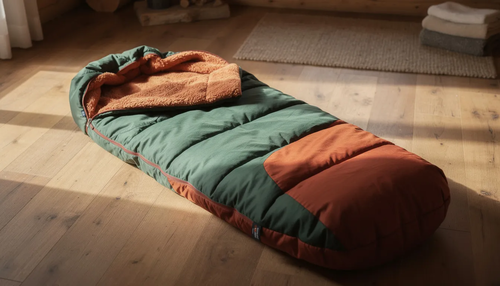
- Sleeping bags rated 20–30°F for each family member (kid-sized for children)
- 1 × queen air mattress or double sleeping pad for parents
- Self-inflating pads or cots for kids
- Camp pillows and extra blankets
- Repair kit and manual pump
Kitchen
- 2-burner propane stove with windscreen
- Camping cookware set (pot, pan, utensils)
- Hard cooler (48–70 quarts) or 12V electric cooler
- Cooking utensils, cutting board, sharp knife
- Reusable plates, cups, and eating utensils
- Collapsible wash basin, biodegradable soap, trash bags
- Water jug (5–7 gallons)
Clothing & Toiletries
- Layered clothing per person (base, mid, outer)
- Rain jackets and packable pants
- Hiking boots or hiking shoes, plus flip flops for camp
- Sun hats, gloves, extra socks
- Toiletries bag with biodegradable soap, wipes, medications
Safety & Lighting
- First aid kit (family-sized)
- Headlamps for each person plus spare batteries
- 1–2 LED lanterns
- Multi-tool and essential camping tools and duct tape
- Power bank (300Wh+ recommended)
- Whistle per child
Fun & Entertainment
- Card games, outdoor adventure books, and compact board games
- Sketchbooks, colored pencils
- Frisbee or soccer ball
- Nature scavenger hunt cards
- Glow sticks for nighttime activities
The rest of this article explains how to choose each item wisely for your family’s specific needs.
Family Shelter: Tents and Campsite Comfort
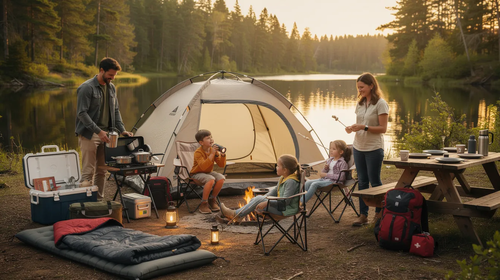
For most families in 2026, a roomy car camping tent plus a simple shelter setup matters far more than ultralight backpacking specs. You’re not hiking miles with this gear on your back—you’re driving it to a campsite and setting up a comfortable base for 2–3 nights.
Families of 3–5 typically prefer 6–8 person cabin or dome tents with near-vertical walls, which provide extra room for changing clothes, organizing gear, and letting kids stand without hunching. Families of 6+ often jump to 8–10 person models with room dividers that separate sleeping areas.
Concrete gear to consider:
- 6–8 person cabin tent with 2–3 rooms and 75D or higher polyester fly
- 10x12 pop-up canopy for shade and rain protection
- Large outdoor rug to minimize dirt tracking into the tent
Key features parents should prioritize: color-coded poles for under-10-minute setup, full-coverage rainfly with taped seams, large vestibule for muddy shoes, and storage pockets inside for kids’ gear. Most campsites in 2026 see unpredictable weather—heavy summer thunderstorms and shoulder-season cold snaps—so quality tent stakes and guylines aren’t optional extras.
For campsite comfort beyond the tent, consider padded camping chairs with lumbar support and insulated seats (especially for chilly mornings), a folding camp table at 28–30 inch height, and a small doormat at the tent entrance.
Extras That Make the Campsite Kid-Friendly
Small additions create such a wide variety of improvements for kids:
- Collapsible lanterns hung at 3–4 foot heights (kid-accessible but out of toddler reach)
- Glow-in-the-dark guyline coatings that prevent nighttime trips
- Mesh gear lofts inside the tent for stuffed animals and books
A separate pop-up shelter or canopy functions as a “family living room” for rain days, complete with camp chairs, a camp table, and a bin of card games. This setup addresses the common pain point of active kids stuck in a camping tent during afternoon showers.
Use clear, labeled plastic bins as side tables that double as critter-proof storage—keeping snacks, toys, and food items organized and away from dirt and wildlife.
Sleep Systems: Keeping Everyone Warm and Rested
Comfortable sleep is usually the make-or-break factor on kids’ first camping trip. Research from family camper forums suggests roughly 30% of first trips struggle primarily due to sleep issues—cold kids, uncomfortable surfaces, or unfamiliar sounds.
The sleep layer system works like this:
- Insulated surface: sleeping pad, air mattress, or cot
- Temperature-appropriate sleeping bag or quilt
- Camp pillow
- Optional extra blankets for comfort
For May–September family camping trips, aim for sleeping bags rated around 20–30°F as a comfort buffer—you can always unzip if it’s warm, but you can’t manufacture warmth from an underrated bag, and pairing them with heated camping chairs to keep you warm around the fire can make a big difference on chilly evenings.
Bring familiar items from home for younger kids: a favorite pillowcase, small blanket, or stuffed animal. These reduce the “this isn’t my bed” anxiety that disrupts sleep.
Family Sleeping Bags, Pads, and Mattresses
Kid-specific sleeping bags outperform adult bags cut down to size. Shorter lengths and mummy cuts reduce dead air space, boosting warmth retention by 15–20% according to outdoor gear testing.
Sample configuration for a family of four:
- Parents on a queen camping air mattress (22-inch high-rise models with 600lb capacity work well)
- Two kids on linked self-inflating pads (2–3 inch thickness minimum for side sleepers)
- Toddler on a travel crib or thick foam mat
Test new sleep setups at home (living room camp-out) a week or two before departure. This spots issues early and helps kids acclimate.
Lighting and Nighttime Comfort
Lighting essentials for families:
- 1–2 LED lanterns (4000 lumens, rechargeable) for tent and table
- Headlamps for each family member with lockout mode to prevent accidental battery drain
- Optional string lights (24ft, shatterproof) around canopy for ambiance
Kid-friendly options include soft-glow nightlights, rechargeable headlamps with red light settings that protect sleepy eyes, and lanterns with dimmer switches.
Establish a nighttime routine: warm drink, bathroom run, quiet story time in camp chairs around the fire, then into sleeping bags. Consistency helps kids transition from home bedtimes to campsite bedtimes.
Camp Kitchen: Easy Meals for Hungry Families
A simple, repeatable meal prep system plus the right kitchen gear removes most stress from 2–3 night trips. The goal isn’t gourmet cooking—it’s feeding hungry kids efficiently so everyone can enjoy the camping adventure.
Core camp kitchen essentials:
- 2-burner propane stove (22,000 BTUs, InstaStart ignition, wind guards) such as a Camp Chef 2-burner setup
- Windscreen for gusty conditions
- Lighter and backup matches
- Medium pot, large pan, cutting board, sharp knife
- Spatula, tongs, nesting camping cookware set
- Reusable plates, cups, and cutlery for each person
For camping coolers in 2026 summer heat, thick-walled hard coolers maintain ice for 2–3 days when pre-chilled. Families doing frequent road trips might consider 12V powered coolers that maintain consistent temps without ice management.
Storage items that save space and sanity: nesting food containers, zip-top bags, a lidded bin for dry goods, and a separate bin for kitchen tools and spices.
Cleanup essentials: collapsible wash basin, biodegradable soap, scrubber, quick-dry dish towel, and trash bags with a plan for packing out waste (Leave No Trace standards).
Simple 2–3 day family meals menu:
- Breakfast: Pancakes, make-ahead oatmeal packets
- Lunch: Sandwiches, trail mix, fresh fruit
- Dinner: Foil-packet dinners, one-pot pasta
Family-Friendly Stoves, Tables, and Seating
What makes camping stoves family-safe: stable base that won’t tip, wide burners, good simmer control for delicate tasks like eggs, and easy fuel connection.
Place your stove on a sturdy camp table at adult height where kids can’t reach hot pots. Kids should be seated in camp chairs a short distance away during meal prep and cooking. Well-padded, armrest-equipped chairs make mealtimes more relaxed for both adults and kids, especially on longer trips where you might use a picnic table at the campsite for some meals.
Food Safety and Wildlife-Smart Storage
Basic cooler management keeps food cold and safe:
- Pre-chill cooler and contents before loading
- Use block ice and frozen reusable water bottles (they double as cold drinks later)
- Keep cooler in shade
- Open as rarely as possible (you lose about 10°F per minute when open)
Regional regulations for 2026 family destinations vary—many national parks require bear boxes, and most campsites mandate food storage in cars overnight. Check regulations before arrival.
Separate raw meat from ready-to-eat foods, use dedicated cutting boards for each, and pack a small sanitizer spray for hands and table surfaces. These simple steps prevent the foodborne illness that can ruin any camping trip.
Clothing, Toiletries, and Weather Protection
Family comfort in 2026’s unpredictable weather comes from layers, quick-dry fabrics, and simple but complete hygiene kits. Pack light, but pack smart.
Basic packing formula per person for a 3-day trip:
- 1–2 hiking outfits (moisture-wicking)
- 1 camp outfit (comfortable, warmth-focused)
- 1 warm layer (fleece or light puffy jacket)
- 1 rain layer (waterproof jacket with hood)
- Extra socks and underwear
- Sleep outfit
Moisture-wicking base layers, warm midlayers, and weatherproof outer layers matter equally for kids and adults. Kids often generate less body heat than adults, making proper layers even more critical.
Accessories: Hats for sun protection and warmth, lightweight gloves for cool evenings, sandals or camp shoes, and sturdy closed-toe hiking shoes for trails.
Toiletries: Toothbrushes, biodegradable soap, toilet paper for walk-in sites, hand sanitizer, wet wipes, quick-dry camp towels, and daily medications.
For camping with younger kids: Travel potty or booster seat adapter, extra wipes and bags for diapers, and a small caddy to carry bathroom items to campground facilities.
Rain, Sun, and Bug Protection
Rain gear setup:
- Fully waterproof jackets with hoods for each family member
- Packable rain pants (especially for kids who will sit in wet grass)
- At least one large tarp or canopy creating dry communal space
Sun safety: Broad-brimmed hats, UPF shirts for kids, broad-spectrum SPF 30+ sunscreen, and sunglasses appropriate for age.
Insect protection for 2026 season: EPA-approved repellents, bug-repellent clothing for tick-heavy regions, mesh for tent doors, and a mosquito-proof zone under the canopy when camping near lakes and rivers. Store wet clothes in a separate bag to prevent mildew and keep your tent smelling fresh.
Safety, Organization, and Kid-Friendly Activities
Design trips so parents can actually relax by handling safety basics and organization before leaving home.
Essential safety gear:
- Comprehensive first aid kit (detailed below)
- Backup power bank (300Wh+ powers devices for 10+ charges)
- Whistle per child
- Printed map of campground
- Basic repair kit: duct tape, multi-tool, tent-pole splint
Organizing systems that work:
- Color-coded or labeled bins (kitchen, sleep, clothing, toys)
- Simple family camping checklist taped inside a bin lid
- Staging area at home for packing the car systematically
Create and review simple camp rules with kids on arrival: no wandering past certain landmarks, always use headlamp at night, stay away from stove and fire ring. Clear expectations prevent mishaps.
Activities that need minimal gear but create maximum fun:
- Flashlight tag after dark (safe boundaries established first)
- Campfire storytelling circle where each person adds to the tale
- Rock or leaf identification walks with a simple field guide
- Star-gazing with a free astronomy app
- Campsite talent show where everyone performs something
- Bug hunting with a magnifying glass and bug box
Pack one small “activity tote” with field guides, magnifying glass, bug box, and a lightweight kite for 2026 spring and summer breezes. Tie activities to your local environment—lakeshore, forest, or desert—and keep screens minimal so kids associate camping with real-world exploration and outdoor adventures.
How to Build Your Family Camping Gear Kit Over Time
Most families don’t need to buy everything at once. Big ticket items like quality tents and sleeping bags can come first, with upgrades each season.
Year 1: Borrow some items from friends or family, buy a solid family tent and basic sleep gear. Focus on the camping essentials that ensure everyone stays warm and dry.
Year 2: Upgrade camp kitchen setup (better stove, larger cooler) and invest in comfortable camp chairs for adults and kids.
Year 3+: Add canopies, specialized bedding for different seasons, fishing gear if that interests your family, and destination-specific items like hiking gear for trail-focused trips.
After each 2026 trip, track what worked and what didn’t using a phone note or printed checklist. Adjust purchases before the next outing based on real experience, not theoretical needs.
The goal isn’t perfection on your first camping adventure—it’s steady improvement of comfort, safety, and fun with every family camping weekend.
FAQ
How early should I start buying family camping gear before a 2026 trip?
Start 4–6 weeks before your first camping trip. This gives you time to order gear online, test tents and sleep systems at home, and return or exchange anything that doesn’t fit or function as expected. Popular family tents, camp chairs, and camping coolers often sell out before major 3-day weekends like Memorial Day, 4th of July, and Labor Day in the U.S.
Can we go family camping without access to running water at the campsite?
Absolutely, with proper planning. Bring sufficient water containers (5–7 gallons for a weekend for a family of four), a water filter if there’s a natural source nearby, and extra wipes along with biodegradable soap. Plan simple, low-water family meals (one-pot dishes, pre-washed produce) and a minimalist hygiene routine. Many families find these “primitive” sites actually offer more privacy and connection to nature.
What’s the minimum gear we need for a one-night “tester” trip with kids?
Scale down to the core: family tent, sleeping pads and sleeping bags, 1 lantern and headlamps, simple stove or pre-made meals, basic cooler, a few camp chairs, small first aid kit, and weather-appropriate clothing. Choose a campground less than an hour from home for your first 2026 trial run—this makes it easy to bail out if necessary and reduces pressure on everyone.
Do we need separate backpacking gear if we mostly car-camp with our family?
Many families can share some items (sleeping bags, certain clothing) between car camping and short backpacking trips. However, backpacking typically requires lighter, more compact tents, stoves, and pads than car camping gear offers. Start with car-camping-focused gear for 2026 and only invest in backpacking-specific items once your family decides they enjoy hiking in with packs.
How much should we budget for a basic but comfortable family camping setup?
For a family of four in 2026: expect low-mid hundreds for used or budget gear, up to around a thousand dollars for new, mid-range items including a quality tent, good sleep systems, kitchen setup, and camp chairs. Spread purchases over several months and mix new gear with borrowed or secondhand finds. Use Padded Camping Chair buying guides mainly for items where reliability matters most—tents, camping stoves, and sleep gear where failure means a miserable night.

Member discussion