
Key Takeaways
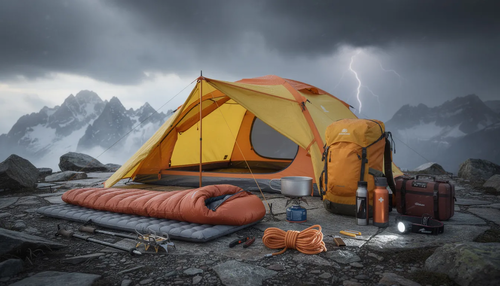
- Extreme weather camping demands purpose-built gear—not your standard summer kit. This guide covers concrete items like 4-season tents, -20°F sleeping bags, and waterproof shells you can buy now for 2026 trips.
- The three pillars of safety in extreme conditions are a bombproof shelter system, a dialed sleep system with adequate R-value, and proper layering with waterproof and windproof outerwear.
- Whether you’re car camping in blizzards, tackling high-wind desert trips, or shoulder-season alpine backpacking, this comprehensive list adapts to your approach—with callouts to gear commonly available via Amazon.
- In true cold weather camping, cutting weight matters less than surviving sub-freezing temps, strong winds, and driving rain or snow. Quality gear is worth the investment.
Critical Shelter Systems for Extreme Conditions
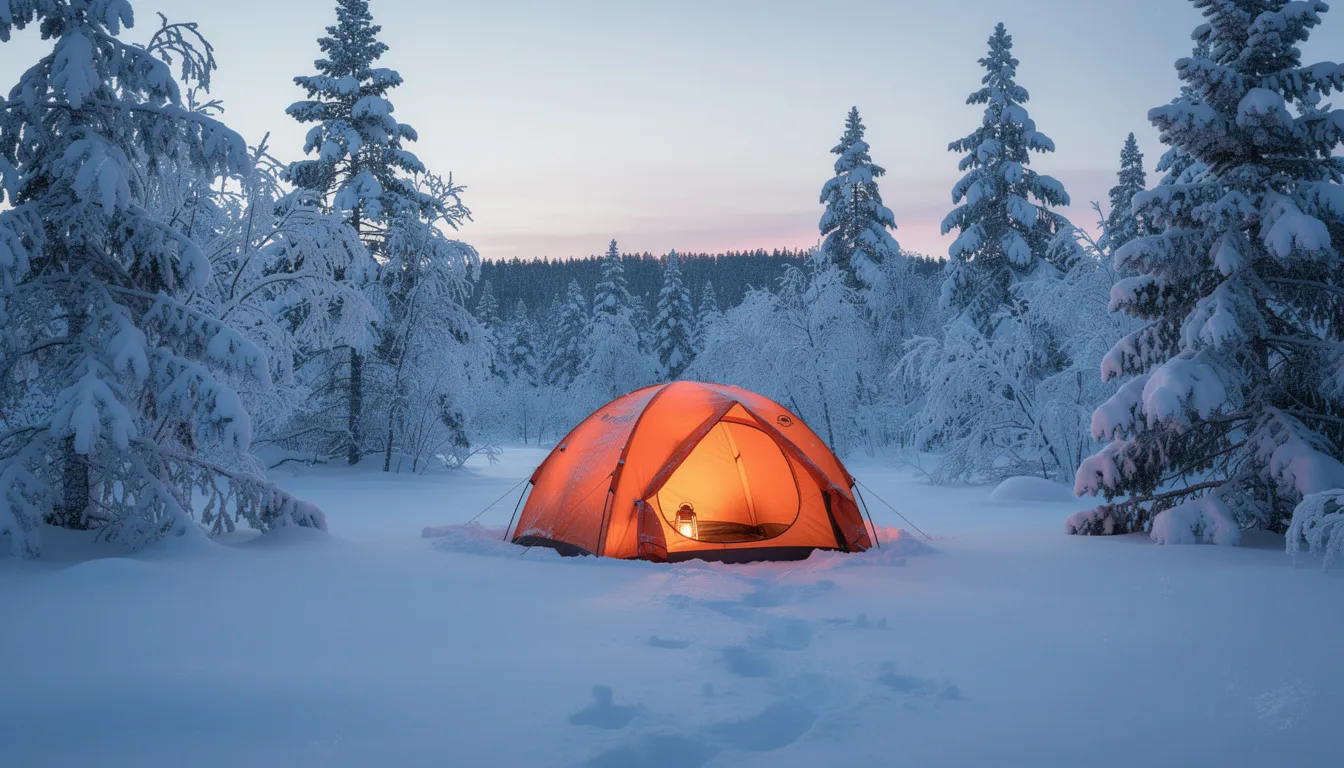
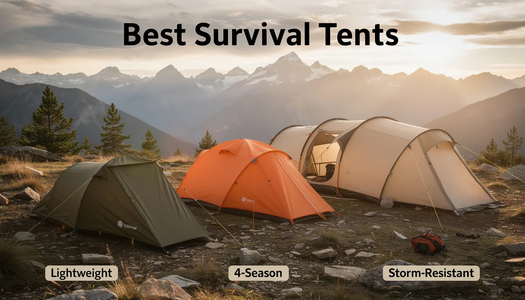
In extreme weather, your shelter is your first line of defense. A failed tent in a blizzard isn’t an inconvenience—it’s a survival emergency. This section covers the key features to shop for in 4-season tents, storm-ready tarps, and vehicle-based options like rooftop tents.
What to look for in 4-season tents:
- Double-wall designs with a full fabric inner (minimal mesh) that blocks spindrift and retains warmth better than mesh-heavy three-season models
- Multiple crossing poles (geodesic or semi-geodesic architecture) with pole diameters over 10mm aluminum—these stand up to heavy snow loads and 50 mph gusts
- Strong guy-out points (look for 8-12 per tent) that allow 360-degree anchoring for maximum stability
- Snow skirts or snow flaps you can bury under accumulated snow to seal out drafts
- Large vestibules for storing wet gear, hiking boots, and other gear away from your sleeping area
When a 3-season tent works (and when it doesn’t):
A beefy 3-season tent can handle trips below treeline when forecast lows stay above roughly 20°F and snow load remains minimal. But the 2023 Colorado Front Range blizzard proved the limits—users with standard three-season models reported ridgepole bending under just 12 inches of snow. If you expect heavy accumulation, temperatures below 20°F, or exposed alpine sites, step up to a true mountaineering-style tent.
Building a Winter-Grade Sleep System
Your sleep system for extreme weather isn’t a single item—it’s a layered approach. The combination of insulated pads, a low-temperature sleeping bag, and optional boosters like a sleeping bag liner and hot water bottle tricks can make all the difference between restorative rest and a miserable, dangerous night.
R-value targets for cold conditions:
For true cold ground—frozen soil, compacted snow, or ice—aim for a combined R-value of 5.0 or higher. The most reliable approach is stacking an inflatable sleeping pad over a closed-cell foam pad. A premium pad like the Therm-a-Rest NeoAir XTherm (R-7.3) uses reflective ThermaCapture layers and triangulated air chambers to minimize both conductive and convective heat loss. Pairing it with a basic foam pad like the Z Lite Sol (R-2.6) creates a hybrid system exceeding R-9—critical for -20°F cold nights.
What to look for in 2026 cold weather sleeping bags:
For extreme weather, most campers should favor mummy shapes. The tapered design eliminates dead air space your body would otherwise need to heat. Car campers with more space tolerance can use a slightly roomier bag paired with extra blankets, but mummy bags remain the efficiency standard for winter camping.
Practical sleep hacks:
- Fill a tightly sealed Nalgene-style water bottle with hot water and place it in your bag at bedtime—this preheats your sleeping space and keeps feet warm
- Sleep in dry base layers; never wear the damp clothes you hiked in
- Air out your sleeping bag daily to reduce moisture buildup that degrades insulation over time
- Store your bag loosely in a large stuff sack rather than compressed for long-term loft retention
Layered Clothing System for Extreme Weather
Mid layers:
Down jackets (like an 850-fill puffy) compress to roughly 1L packed but lose significant insulation when wet
- Synthetic insulation regains loft faster when damp—the tradeoff is roughly 20% more weight
- Car campers can add a thick fleece hoodie or flannel as an extra layer without weight concerns
Extremity protection:
Cold weather attacks exposed extremities first. Your hands, feet, and head lose heat rapidly and are vulnerable in sub-freezing winds.
- Warm beanie plus balaclava for face protection in wind
- Liner gloves plus insulated waterproof gloves or mittens (mittens are warmer but less dexterous)
- Wool socks with backup dry pairs—wet feet dramatically increase frostbite risk
- Consider hand warmers as backup heat sources for extended exposure
Footwear foundations:
Hiking boots for extreme weather need waterproof membranes, high-cut ankle support, insulation rated for 0°F to 20°F, and aggressive tread for snow and mud.. Pair boots with gaiters for deep snow or heavy rain to keep legs and socks dry, preventing the sogginess that amplifies frostbite odds by roughly 50%.
Footwear, Traction, and Mobility
Extreme weather often means icy trails, slush, and unstable ground. Robust hiking boots and traction devices become as critical as the rest of your cold weather camping gear. Poor footwear can end a trip fast—through injury, frostbite, or simple exhaustion from fighting for every step.
Features to prioritize in 2026 winter boots: For longer trips or mixed trail-and-work use, focus on durable hiking work boots that balance support with all-day comfort.
- Waterproof membranes (Gore-Tex or equivalent) that keep water out while allowing vapor to escape
- High-cut ankle support for stability on uneven terrain
- Insulation rated for 0°F to 20°F depending on expected conditions
- Deep lugs (5mm or deeper) that grip wet rock, ice, and compacted snow
- Stiff midsoles that work with traction devices
Camp footwear: Lightweight camping shoes or booties are ideal for giving your feet a break after long days in technical boots.:**
Fit considerations:
Size boots to allow thicker wool socks without cutting off circulation—tight boots restrict blood flow and make feet colder, not warmer. Always test-walk fully laced before heading out. Your feet will swell slightly during the day, so afternoon fitting sessions give more accurate results.
Storm-Proof Cooking and Hydration Setup
Stove choices for cold temperatures:
Standard canister stoves struggle below 20°F as pressure drops in the fuel canister. For reliable performance in extreme conditions:
- Liquid-fuel stoves (white gas) perform consistently across all temperatures
- Inverted canister stoves that vaporize fuel before burning work better in cold than uprights
- Look for wind-resistant burner designs with built-in wind shields
- Wide bases or stabilizers prevent tipping on uneven snow or icy surfaces
A good camping stove is non negotiable for winter trips—it’s your primary tool for melting snow into drinking water and preparing hot meals.
Wind protection:
Metal windscreens significantly improve fuel efficiency in windy conditions. Natural rock walls or built-up snow walls provide additional protection. However, maintain adequate ventilation and never cook inside a sealed tent body—carbon monoxide buildup is deadly.
Cookware for extreme weather:
- A lidded 1-2 liter pot per small group for melting snow or boiling water (a large pot holds more snow, requiring fewer refill trips)
- Long-handled utensils that keep hands away from steam and freeze-thaw splatter
- Lightweight pot cozy or insulated wrap to keep food warm longer
- Consider wide, shallow pans for faster boiling in cold conditions
Cold-weather hydration strategies:
Staying hydrated in cold weather is challenging—you don’t feel as thirsty, but your body still loses moisture through respiration and exertion. Wide-mouth bottles double as hot water bottle warmers for sleeping bags. Keep at least one water bottle upside-down so ice forms at the bottom (now top) first, keeping the drinking opening clear.
- Insulating sleeves or wool socks around bottles prevent freezing in packs
- A water filter may freeze and crack; keep filters warm inside jacket pockets
- Drink mixes, tea, coffee, and electrolyte tablets encourage hydration when plain cold water seems unappealing
- Hot chocolate is both calories and warmth—dual-purpose nutrition
Safety, Navigation, and Emergency Gear
Extreme weather magnifies small mistakes into serious problems. A wrong turn in good conditions means a longer day; a wrong turn in a whiteout could mean a survival situation, making foundational survival skills for the wild just as important as gear. This section emphasizes redundancy and robust, simple-to-use safety equipment..
Navigation tools to carry together:
Relying on a single navigation method is a recipe for trouble. Carry these as a system:
- Paper map in a waterproof case (electronics fail; paper doesn’t)
- Baseplate compass with declination adjustment
- GPS device or GPS-enabled phone with offline maps downloaded before departure
- Backup battery pack stored inside your jacket to maintain warmth (cold kills lithium-ion performance)
Electronics can fail below 0°F—batteries drain rapidly, touchscreens stop responding to gloved fingers, and moisture can short circuits. Always have analog backups.
First aid kit modifications for extreme weather:
A standard first aid kit needs additions for cold-weather hazards:
Category | Items | Purpose |
|---|---|---|
Trauma | Large gauze pads, elastic bandages, SAM splint | Handle injuries when help is hours away |
Blister treatment | Moleskin, blister bandages, alcohol wipes | Prevent foot problems that limit mobility |
Cold injuries | Chemical heat packs, emergency blanket | Treat frostnip, mild hypothermia |
Medication | Extra pain relief, anti-inflammatory | Manage discomfort during extended evacuation |
Your aid kit should reflect the reality that rescue in extreme conditions may take significantly longer than in fair weather. |
Emergency signaling:
- Bright whistle (pealess designs work in freezing temps)
- High-visibility gear or marker panel for ground-to-air signaling
- Headlamp with extra lithium batteries (better cold performance than alkaline)
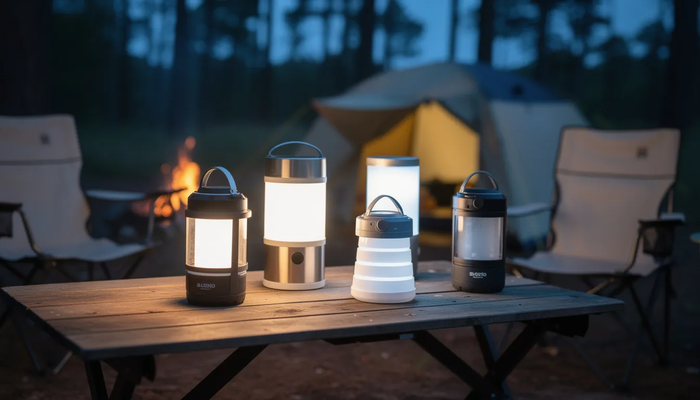
- Compact lantern for illuminating your shelter location during long winter nights
Emergency shelter backups:
Even with a quality tent, carry backup shelter options:
- Lightweight bivy sack that fits in a jacket pocket
- Reflective emergency blanket for heat retention
- Knowledge of how to build a snow wall or improvised windbreak
If your main tent fails or becomes unreachable, these backups buy critical time.
Comfort and Campsite Living in Harsh Conditions
Once safety basics are covered, smart comfort gear—still weather-appropriate—helps you actually enjoy your camping adventure instead of merely enduring it. Spending time outdoors in extreme conditions is demanding; comfort items support both physical recovery and mental well-being.
Sturdy, insulated seating:
Sitting directly on snow or frozen ground accelerates heat loss, and a heated camping chair can make long winter evenings around camp far more comfortable.. High-back padded camp chairs with stable feet that won’t sink into snow or mud transform campsite comfort, while compact camping stools work well when space and weight are limited. A small closed-cell sit pad weighs almost nothing and provides insulation anywhere you need to rest—on a log, rock, or directly on snow..
Lighting for long, dark nights:
Winter nights can exceed 14 hours of darkness. Quality lighting affects both safety and morale:
- Headlamps remain hands-free essentials for camp chores and navigation
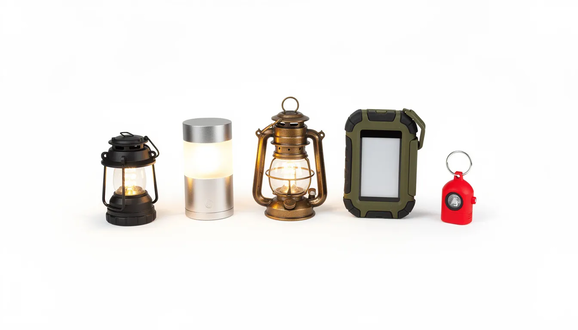
- Compact lanterns illuminate shared spaces like vestibules or cooking areas
- USB string lights around the shelter entrance add ambient comfort
- Store batteries and power banks inside jackets at night to maintain performance
Hygiene solutions for freezing temperatures:
Traditional washing isn’t practical when water freezes in minutes. Adapt with:
- Unscented wet wipes for quick cleanups
- Small sanitation trowel for waste management (pack out everything in sensitive areas)
- A designated pee bottle for nights when leaving the tent would be unsafe or miserable—this simple addition makes a huge difference in comfort
- Hand sanitizer (alcohol-based formulas work to about 0°F before thickening)
Trip Planning and Packing Strategy for 2026 Extreme Weather Camps
Gear only works if you plan around realistic forecasts, route conditions, and your own experience level. Weather patterns continue to be unpredictable through 2026, making thorough planning more important than ever for outdoor adventures.
Weather monitoring:
Check multiple weather sources 2-3 days before departure and again the morning you leave. Don’t rely on a single app or website:
- Standard forecasts for your destination area
- Mountain or marine forecasts if relevant (these include wind speeds at elevation)
- Satellite imagery showing approaching systems
- Local ranger station updates for current conditions
Be ready to cancel or change plans. A few things matter more than ego when facing dangerous conditions—your safety and that of your group come first.
Home staging approach:
Before you finish packing, lay everything out by category in a staging area:
- Shelter: tent, footprint, stakes, guylines
- Sleep: pad(s), sleeping bag, liner, camping pillow
- Clothing: base layers, mid layers, shells, accessories
- Kitchen: stove, fuel, cookware, food, water treatment
- Safety: first aid kit, navigation tools, emergency shelter, signaling
Cross-check against a printed extreme-weather list. Missing a critical item is easy when packing in excitement; systematic staging catches gaps before they matter.
Packing guidance:
Put critical survival items where they’re accessible, not buried:
- Sleep system components should be waterproofed and quickly reachable
- Shell layers go on top for rapid deployment when weather changes
- Insulated gloves, headlamp, map, and snacks stay in accessible pockets
- Car campers can use waterproof bins organized by category
- Backpackers balance weight distribution with accessibility, keeping heavy items high and centered
Trip plan filing:
Leave a detailed trip plan with a trusted contact:
- Location ranges and intended route
- Planned campsites for each night
- Departure and expected return dates
- What to do if you’re overdue (who to call, when to worry)
- Vehicle description and parking location if applicable
This step becomes crucial in stormy seasons when conditions can prevent self-rescue and searchers need accurate starting points.
FAQ
Do I really need a 4-season tent, or is a strong 3-season tent enough?
A 4-season tent is best when you expect heavy snow, strong winds above 40 mph, or camping above treeline. These models feature stronger poles (typically over 10mm diameter), minimal mesh in the inner, and snow skirts designed to handle accumulation. A robust 3-season tent can suffice for shoulder-season trips below treeline with temps staying above about 20°F and low snow load—but know its limits. Data from winter camping incidents shows that tent failures account for a significant portion of gear-related emergencies, so matching your shelter to actual conditions is critical.
How cold should my sleeping bag be rated for extreme weather camping?
Choose a sleeping bag with an EN/ISO lower-limit rating at least 10°F colder than your lowest expected forecast temperature. For multi-day winter trips, consider going 20°F colder—fatigue and moisture buildup degrade performance over consecutive nights. Side sleepers should add another 10-20% buffer since they compress insulation more than back sleepers. An overfill ratio of 15-20% helps bags maintain their rated performance throughout their lifespan.
Can I rely on a single inflatable sleeping pad in freezing conditions?
Some premium pads with R-values above 5 (like the Therm-a-Rest NeoAir XTherm at R-7.3) can work alone in moderately cold conditions. However, many experienced cold-weather campers stack a closed-cell foam pad under their inflatable for two reasons: the combined R-value provides extra warmth for the coldest nights, and the foam provides puncture-proof backup if the inflatable fails. Given that conductive heat loss to frozen ground can drop core body temperature by 3-5°F per hour without proper insulation, redundancy makes sense.
What’s the most important upgrade if I’m on a tight budget?
Prioritize your sleep system first. A warm sleeping bag with adequate pad R-value directly affects core body temperature and your ability to recover overnight. After sleep, upgrade to a reliable waterproof-breathable shell jacket and insulated hiking boots. These three areas—sleep warmth, weather protection, and foot insulation—most directly affect safety in storms and sub-freezing conditions. Statistics indicate that wet sleeping systems contribute to 70% of winter camping evacuations, making this the most impactful investment.
Is extreme weather camping safe for beginners?
Extreme weather camping requires skills that develop through progressive experience. New campers should start by practicing in milder conditions with the same gear they’d use in cold weather, getting comfortable with layering systems, tent setup in wind, and cold-weather cooking. Then progress to colder or windier trips close to home or vehicles before attempting full winter backcountry overnights. Building experience gradually, making conservative decisions, and knowing when to turn back are essential skills that no gear can replace. The outdoor industry sees increased participation each year, but incident rates remain manageable for well-prepared campers who respect conditions.
Member discussion