
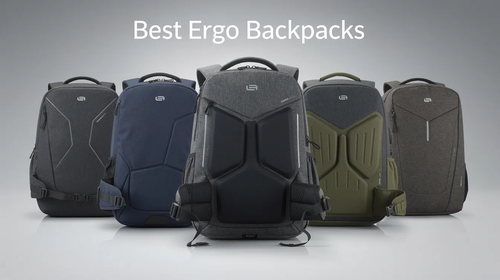
Choosing the right backpack is crucial for anyone who carries books, laptops, or gear on a daily basis. Whether you’re a parent shopping for your child’s first schoolbag, a student hauling textbooks across campus, a commuter navigating busy city streets, or a professional who needs to protect both your back and your tech, the right ergonomic backpack can make all the difference. Ergonomic backpacks are specifically designed to promote healthy posture and reduce back strain, prioritizing spinal health and comfort for users of all ages. Unlike traditional bags that concentrate weight on the shoulders, ergonomic packs are engineered to work with your body, minimizing spinal impact and making daily carrying more comfortable and sustainable. In this guide, we’ll help you understand what makes a backpack truly ergonomic, why it matters for your health and comfort, and how to choose the best option for your needs.
Key Takeaways
- An ergonomic backpack features a shaped back panel, S-curved shoulder straps, sternum strap, and even weight distribution—not just marketing fluff
- Children should carry no more than 10–15% of their body weight; a 25 kg child means a maximum 2.5–3.75 kg loaded pack
- Kids aged 4–7 need lightweight packs under 800g; ages 8–12 benefit from structured backs with optional hip belts
- This guide covers school ergo backpacks, commuting daypacks, specialty models, and fitting instructions
What Is an Ergo Backpack? (And Why It Matters in 2026)
An ergonomic backpack is engineered around human biomechanics and spinal health. Ergonomic backpacks are designed to promote healthy posture and reduce back strain. They prioritize spinal health and comfort for users, and are engineered to work with the body, minimizing spinal impact. This isn’t just a marketing term—it refers to specific design elements that work together:
- Contoured back panel that follows the spine’s natural S-curve
- S-shaped shoulder straps with padding to prevent collarbone pressure
- Sternum strap positioned about one inch below the collarbones
- Hip belt that transfers 50–70% of weight to the pelvis on heavy loads
- Even weight distribution across the torso rather than just the shoulders
Ergonomic backpacks are also designed to be comfortable to carry, often incorporating features like breathable straps and supportive hip belts. Traditional bags concentrate weight on the shoulders, but ergonomic bags use chest straps and hip belts to transfer weight to the hips and back, reducing fatigue and discomfort.
In 2026, the main user groups include primary school kids (ages 4–10), older students, daily commuters, hikers, and professionals. In regions like Germany and Switzerland, children routinely carry 5–8 kg of books—making ergonomic design essential rather than optional.
Now that you understand what makes a backpack ergonomic, let's look at the core features to consider.
Core Ergonomic Features to Look For
Use this checklist when evaluating any bag labeled “ergonomic”:
Ergonomic Straps
- S-curved, padded shoulder straps at least 5–7 cm wide with breathable mesh
- Prevent digging into shoulders during extended carries
Structured Back Panel
- Contoured foam with ventilation channels
- Keeps the pack close to your spine while reducing sweating on walks to school or work
Sternum and Hip Support
- Essential for loads exceeding 5 kg
- Sternum strap stabilizes the pack
- Hip belt shifts weight to your stronger pelvic region
Materials
- Lightweight 300D–600D ripstop polyester or nylon for durability without unnecessary weight
- Example: the ergobag cubo light weighs just 850g empty
Smart Organization
- Dedicated laptop sleeve near the back panel
- Separate book compartments
- Small front pockets for snacks to prevent front-heavy loading that causes forward leaning
With these features in mind, you’ll be better equipped to select a backpack that supports your health and comfort. Next, let’s explore ergonomic backpacks for schoolchildren.
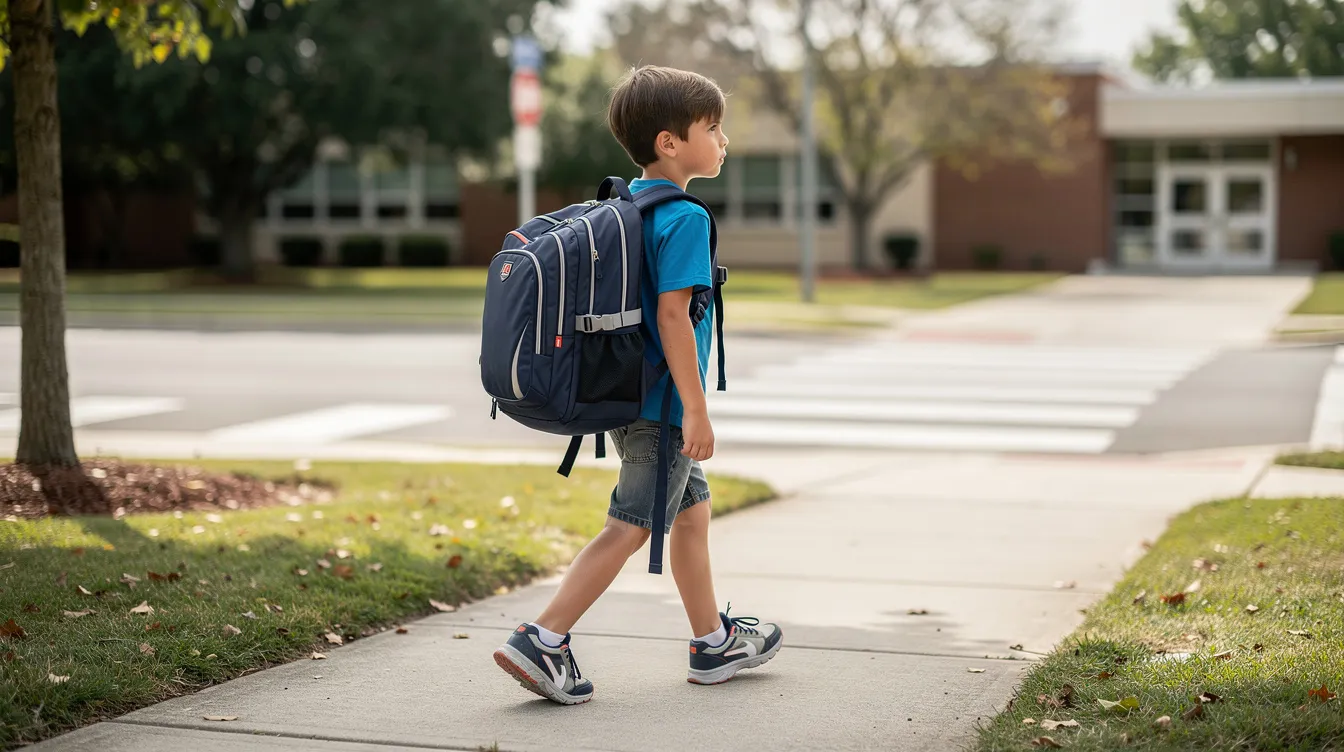
Ergo Backpacks for Schoolchildren (Ages 4–12)
Parents across Germany, India, and Switzerland now have access to orthopedic-inspired schoolbags designed specifically for growing spines.
Ages 4–7 (Kindergarten to Early Primary)
- Prioritize ultra-light packs under 800g empty
- Compact 10–15L volume
- Simple strap adjustments kids can handle independently
Ages 8–12 (Upper Primary)
- Larger 18–25L capacity for heavier books
- Structured back panels with optional hip belt
- Sternum strap becomes more important as loads increase
The recommended load stays at 10–15% of body weight. For a 25 kg child, that means no more than 2.5–3.75 kg in the pack.
Price Considerations
- Budget packs under 50 CHF: Basic features, may sag over time
- Premium ergonomic bags (200–400 CHF): Superior adjustability, durability for 5+ years
- Used premium brands (like Deuter or similar): Excellent value for fast-growing kids
Now that you know what to look for in children’s ergonomic backpacks, let’s see how adults can benefit from ergonomic designs for commuting, travel, and outdoor activities.
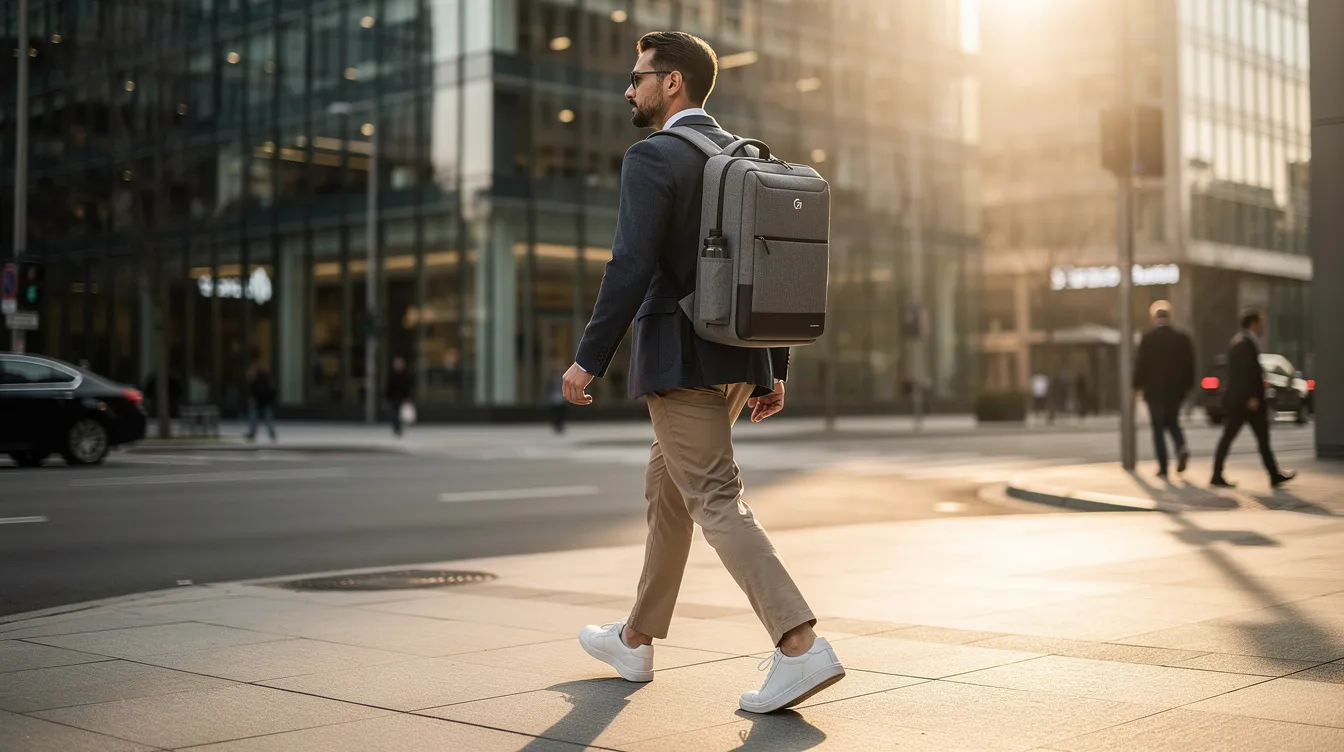
Ergo Backpacks for Adults: Commuting, Travel, and Day Hikes
Adults benefit from ergonomic packs for daily laptop carries, gym gear, and weekend adventures—not just long-distance backpacking.
Commuter/Daypack Essentials
- 18–30L capacity with padded sleeve for 13–16 inch laptops
- Breathable back panel for biking or walking
- Slim profile for crowded transit
Travel Features
- Trolley sleeve for airport ease
- Lockable zippers
- Carry-on compatible size (typically under 22x14x9 inches)
Crossover Outdoor Use
- Hydration compatibility
- Weather-resistant fabric and even heated camping chairs to keep you warm at the campsite
Pack Type | Best For | Key Feature |
|---|---|---|
Ultralight minimalist | Light carries under 5 kg | Weighs under 1 kg empty |
Fully padded ergo | 7–10 kg laptop/gear loads | Waist belt prevents shoulder burnout |
 | ||
With these options, adults can find ergonomic backpacks tailored to their daily routines and adventures, pairing them with compact camping pillow options for better outdoor sleep on overnight trips. Next, let’s look at specialty ergonomic backpacks for specific professions.
Specialty Ergo Backpacks: From Tech Packs to Backpack Vacuums
Beyond typical school and commuter backpacks, ergonomic principles extend to job-specific gear, just as they do for top-rated padded chairs for indoor and outdoor comfort.
Tool and Tech Backpacks
- Designed for electricians and IT professionals, who may also rely on lightweight camping stools for portable seating
Ergonomic Backpack Vacuums
- Models like the Atrix ERGO PMP Backpack Vacuum/Blower apply the same principles
- 1,400-watt motor and eight-quart HEPA canister distributed via padded, adjustable harness systems
- Reduces fatigue during multi-hour shifts for pest control and janitorial work
While padded camping chair focuses on outdoor and everyday packs, professionals can apply the same ergonomic checklist when selecting backpack vacuums or specialized gear bags, much like when comparing the best camping rocking chairs for comfort and relaxation.
Now that you’ve seen the range of ergonomic backpacks available, let’s discuss how to fit and wear them correctly for maximum benefit.
How to Fit and Wear an Ergo Backpack Correctly
Even the best ergonomic backpack feels uncomfortable if improperly adjusted.
Step-by-step fitting:
- Adjust shoulder straps so the pack sits high—top roughly at shoulder level, bottom above the lower back
- Set the sternum strap about one inch below collarbones, snug but not restrictive
- Position hip belt (when present) centered over hip bones
- Pack heaviest items (books, laptops) closest to the back panel
- Keep lighter items outward; avoid overstuffing front pockets
For kids specifically:
- Check fit at the start of each school term
- Watch for forward leaning—a sign of overloading
- Enforce two-strap use; never sling over one shoulder
Test any pack with a realistic load for 10–15 minutes. Pinching, numbness, or difficulty standing upright indicates poor fit.
With a proper fit, you’ll maximize the benefits of your ergonomic backpack. Now, let’s look at how to shop smart and sustainably.
Buying Tips: Budget, Sustainability, and Where to Shop
Price, durability, and sustainability matter—especially for families buying schoolbags in 2026.
Realistic Price Brackets
- Budget ergo-style: Under $40
- Mid-range (most commuters/students): $40–$100
- Premium school systems: $200+ (common in Europe)
Sustainability Features to Seek
- Recycled polyester fabrics
- bluesign-approved materials
- Long-lasting hardware reducing replacement frequency
Smart Shopping
- Look for 30-day return policies and free shipping
- Use warranties to lower online buying risks
- Add items to your cart from trusted sources
FAQ
How heavy should my child’s ergo backpack be?
Keep the loaded weight within 10–15% of your son or daughter’s body weight. For a 25 kg child, that’s no more than 2.5–3.75 kg. Weigh the backpack at home periodically—ergonomic design helps distribute weight but cannot offset chronic overloading that loved ones sometimes overlook.
Are expensive ergonomic schoolbags really worth it?
Premium bags (200–400 CHF) offer better structure, adjustability, and durability across multiple school years—good value for students with heavy daily loads. For kids who carry only a snack box and light items, a mid-tier option or quality used pack works fine. Agree that context matters here.
What’s the difference between an ergonomic backpack and a regular one?
Ergonomic backpacks feature contoured back panels, S-shaped straps, chest and hip belts, and strategic load distribution. Regular backpacks often prioritize basic storage with thin straps, leading to sore shoulders, red marks, and slouching. Use the feature checklist from this guide when evaluating any pack, regardless of grade or marketing claims.
Can I use the same ergonomic pack for work, travel, and hiking?
Many 20–30L ergonomic daypacks serve as excellent do-it-all solutions for commuting, weekend trips, and short hikes. Look for a laptop sleeve, stowable hip belt, and weather-resistant fabric. For multi-day backpacking, though, a dedicated hiking pack with substantial frame offers better support over time.
How do I know if an ergo backpack actually fits me?
Check that shoulder straps start at or slightly below shoulder level, the pack doesn’t drop below your lower back, and there’s no gap between your back and the panel. Walk upright without leaning forward. Any pinching, tingling, or numbness in shoulders or arms signals poor fit or overloading—ease the load or try a different size.
Member discussion