
Key Takeaways
- A well-planned emergency survival kit can keep you and your family safe and self-sufficient for 72 hours or more after disasters like storms, earthquakes, or power grid failures. By the end of this article, you should have a clear plan to build a portable 72-hour kit.
- Each person in your household (plus pets) may need their own scaled kit. Water, calories, basic medical care, warmth, and communication are the core priorities—every item should support one of these needs.
- Kits are not “set and forget.” Schedule reviews every 6–12 months to rotate food, test gear, and update for new family needs like children growing or medications changing.
- Starting small with basic items like a headlamp, first aid kit, and three days of water is more realistic than buying everything at once—then upgrade over time.
What Is An Emergency Survival Kit (And Why You Need One Now)
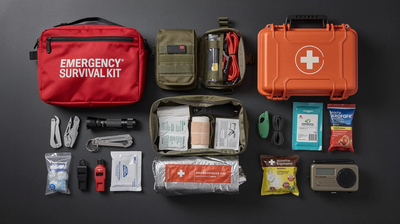
An emergency survival kit is a portable collection of gear and supplies that lets you survive without outside help for at least 72 hours after events like hurricanes, wildfires, blackouts, or winter storms. This timeframe comes from emergency management protocols recognizing that first responders may be overwhelmed or access delayed in major events.
Real-world disasters prove this urgency. During the 2021 Texas winter storm, over 200 deaths occurred amid power outages lasting up to a week. California wildfires from 2018-2024 forced rapid evacuations where grab-and-go bags saved lives. Florida hurricanes like Ian (2022) left 2.7 million without power for several days.
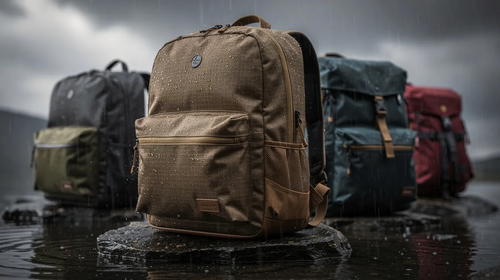
There are three main kit types to understand: a home emergency kit (larger, stored in a closet), a grab-and-go bag for evacuation (under 25 lbs in a backpack), and smaller vehicle or workplace kits. We focus on practical, packable gear that works for both household preparedness and outdoor adventures like camping and backpacking.
Core 72-Hour Emergency Survival Kit Checklist
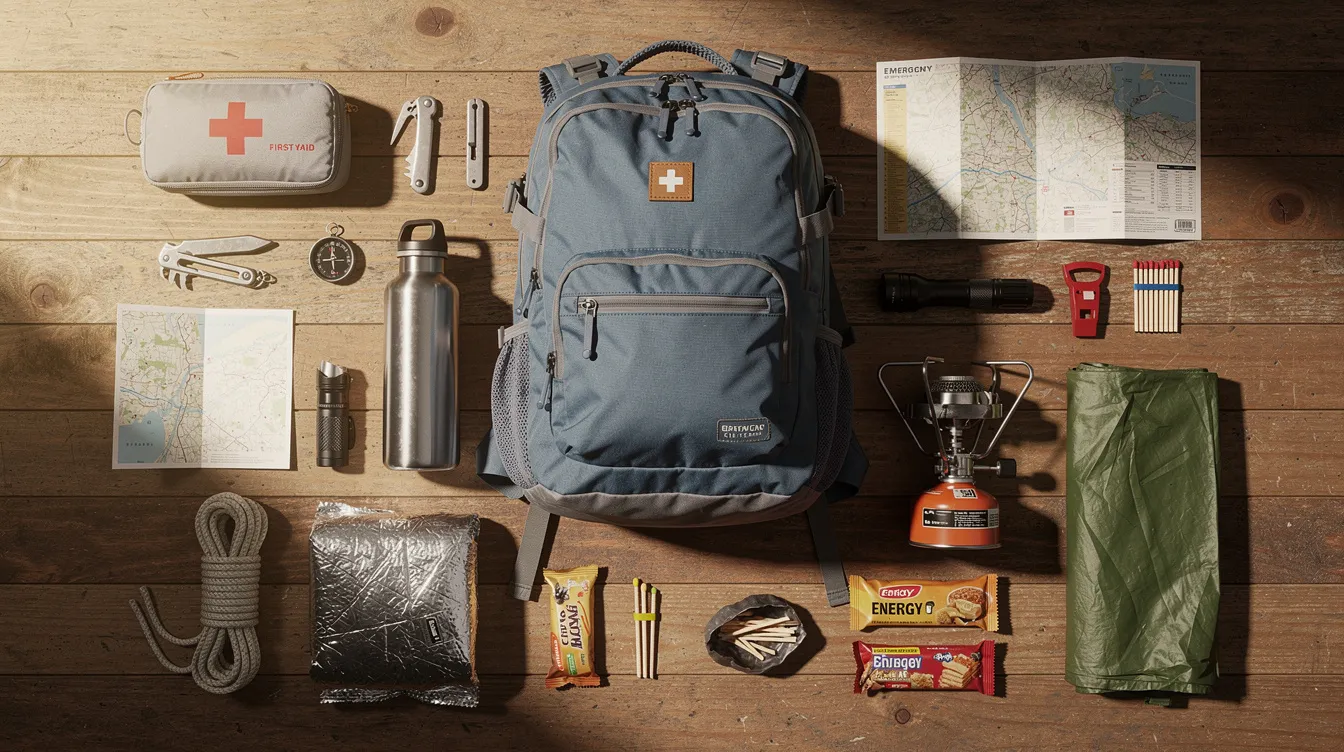
This section outlines a baseline 72-hour disaster supplies kit for one adult. Families should multiply food and water quantities and add children or pet items as needed.
Water
- Store at least one gallon per person per day for three days (3 gallons total per person)
- Use food-grade containers rotated every 6 months
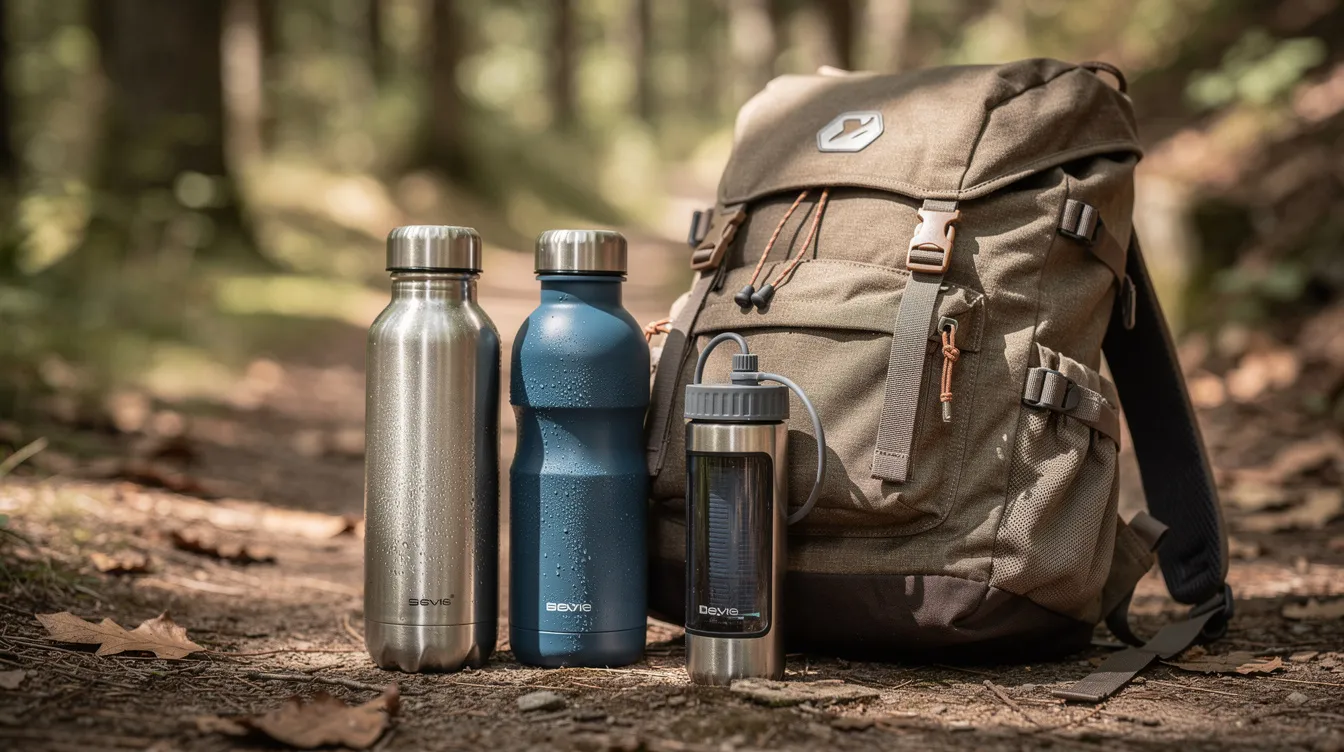
- Add portable backup: Sawyer MINI filter (removes 99.9999% bacteria) or purification tablets
Food
- Include non perishable food totaling 2,000-2,400 kcal per adult per day
- Recommended items: canned tuna, peanut butter, energy bars, freeze-dried meals
- Pack a manual can opener and basic utensils, paper cups, and plates
Shelter & Warmth
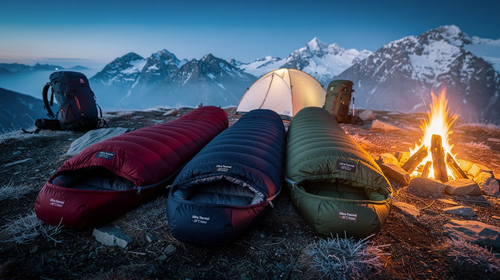
- Emergency sleeping bags or bivy sack and ultra-compact emergency tents
- Lightweight tarp and mylar blankets (reflect up to 90% body heat)
- Wide-roll duct tape for repairs
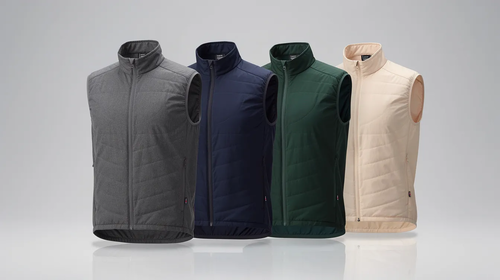
- Extra clothes: thermal base layer, wool socks, gloves, warm blanket
Light & Power
- Two independent light sources: headlamp and compact flashlight
- Extra batteries stored in a waterproof pouch with date labels
- Consider reliable emergency light sticks as backup or a solar/hand-crank lantern
Communication
- NOAA weather radio (battery, solar, or hand-crank powered)
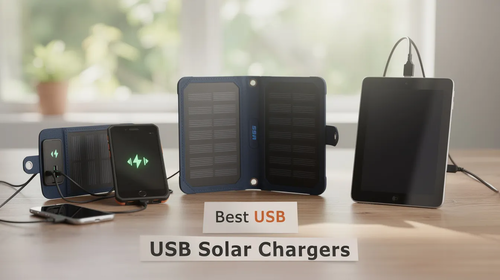
- Power bank (10,000-20,000 mAh) with charging cable for your cell phone
- Loud safety whistle (115 dB pealess design audible 1 mile)
- Two way radios for family coordination
Tools & Safety
- Multi-tool or folding knife with scissors
- Work gloves and safety goggles
- N95 masks to filter contaminated air and protect against dust mask needs
- Waterproof matches, lighter, or ferro rod
- 25-50 ft paracord and a wrench for gas shutoff
Documentation & Cash
- Waterproof copies of important documents: ID, insurance policies, bank account records, prescriptions
- Emergency contact list with identification details
- $100-$300 in small bills ($1/$5 denominations)
Personal Hygiene
- Biodegradable soap, toothbrush, toothpaste
- Alcohol-based sanitizer and wet wipes
- Personal hygiene items, paper towels, and small garbage bags, plus a water bottle with built-in filter for safe drinking water
First Aid And Essential Medications
Medical access can be limited for hours or days after a disaster, making a well-stocked first aid medical kit non-negotiable. Include medical supplies covering both trauma care and everyday health needs.
- Various bandage sizes and sterile gauze pads
- Elastic wrap and adhesive tape
- Antiseptic wipes and antibiotic ointment
- Tweezers, small scissors, and disposable gloves
Over-the-Counter Medications
- Ibuprofen or acetaminophen for pain
- Antihistamines for allergic reactions
- Anti diarrhea medication like loperamide
- Oral rehydration salts for dehydration
- Hydrocortisone cream and any required inhalers or EpiPens
Prescription Medications
Keep a 7-14 day supply of prescription medications in original labeled containers, rotated before expiry. Speak with your physician about tailored emergency medication plans if you have specific conditions like diabetes or cardiac issues.
Add a laminated first aid guide covering CPR basics (100-120 compressions per minute), wound cleaning, and shock management.
Customizing Your Kit For Family Members, Pets, And Local Risks
No two household profiles are the same. Age, health, pets, and local disaster types all affect what your kit should contain.
Families with Infants and Children
- Diapers, wipes, and baby supplies like formula or shelf-stable milk
- Comfort toys and stress-relief activities: coloring books, cards, games
- Child-size dust masks
Older Adults or People with Disabilities
- Spare mobility aid parts (cane tips, wheelchair tools)
- Extra hearing aid bottles of batteries and backup glasses
- Medication lists in large print
Pet Preparedness
- 3-7 day supply of pet food and water (0.1-0.25 gallon per day depending on size)
- Collapsible bowls, leash, and harness
- Printed vaccination records and waste bags
Local Hazard Additions
- Wildfires: P100 masks, fireproof document bag
- Earthquakes: sturdy shoes by bed, crowbar, gas shutoff wrench
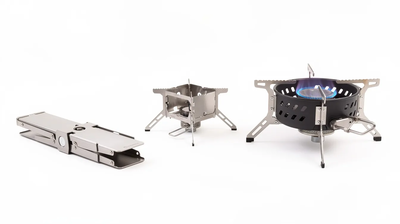
- Winter storms: extra blankets, compact camp stove with ventilation warnings, plastic sheeting for window insulation
Create a one-page household profile listing everyone’s special needs and store a copy with your kit.
Storing And Organizing Your Kits At Home, Work, And In Your Vehicle
Having emergency supplies is only useful if you can access them quickly during an event. Storage strategy matters as much as the gear itself.
- Use clearly labeled, easy to carry containers (plastic bins, duffel bag, or backpack)
- Store in an easily accessible closet near an exit
- Keep the kit ready to evacuate within minutes
Workplace Kit
- Compact supplies fitting in a desk drawer: water pouches, snacks, small aid kit, headlamp, power bank
- Walking shoes in case you must evacuate on foot
- Jumper cables, reflective triangle, basic tools
- Blanket, extra water (rotated seasonally to avoid freezing/heat damage)
- Non-perishable snacks and a small survival kit in your car built from essential camping tools and gear
Organization Tips
- Group items into clear pouches: medical, food, tools, hygiene
- Attach a simple contents list to each container lid
- Pack heavy items closest to your back in backpacks for comfortable carry
Maintaining, Rotating, And Testing Your Emergency Survival Kit
Gear degrades, batteries die, and medications expire. Being prepared means actively maintaining your kit rather than building it once and forgetting it.
Schedule Regular Checks
- Set a recurring 6- or 12-month reminder (March 1 and September 1 align with hurricane/tornado seasons)
- Maintain accountability by marking your calendar
Maintenance Tasks
- Check and replace expired food and rotate stored water
- Swap out old batteries and test electronics (flashlights, radios, power banks)
- Update clothing sizes for children
- Use near-expiry items in regular meals or camping trips, then restock
Test Critical Gear
Practice using your water filter, fire starter, emergency bivy, and manual radio under safe conditions before an actual evacuation, since these skills overlap heavily with core tips for surviving in the wild. Update documents annually or after major life events like moves or births.
Choosing Pre-Made Kits vs Building Your Own (And How Genuine Wild Can Help)
You can buy pre-assembled emergency kits or build from scratch—many people combine both approaches.
Pre-Made Kits
- Advantages: fast, convenient, compact
- Drawbacks: contents and quality vary widely; often lack medications and personal items
- Read contents lists carefully and supplement gaps
DIY Kits
- Better customization and usually higher-quality gear per dollar
- Familiarity with each item because you chose the materials yourself
- More control over pack weight and organization
Starting small—one strong headlamp, a decent first aid kit, and 3 days of water—is more realistic than trying to buy everything at once. Each new piece of gear you add meaningfully improves your ability to protect your family and survive both everyday mishaps and large-scale disasters.
FAQ: Emergency Survival Kits
How much should I budget for a reliable emergency survival kit?
A basic DIY 72-hour kit for one adult can often be assembled in the $150-$300 range using a mix of budget and mid-range gear. Premium items like satellite messengers or advanced filters can push costs higher, but assembling a functional kit doesn’t require breaking the bank.
What is the most important item in an emergency survival kit?
No single item is sufficient, but water and a way to purify additional water are usually the top priorities. Humans can survive only about 3 days without water versus 3 weeks without food, making hydration your first concern.
How heavy should my emergency kit be?
A grab-and-go backpack for an average adult should ideally stay under 20-25 lbs so it can be carried during an evacuation over several miles. Larger home bins can be heavier since they’re moved less often and support shelter-in-place scenarios.
Where should I keep my emergency kit if I live in a small apartment?
Use space-efficient solutions like an entryway closet, under-bed storage bins, or a sturdy backpack hung on a hook near the door. Prioritize easy access over perfect organization so you can grab it quickly when other activities become impossible.
Can I use my camping gear as part of my emergency survival kit?
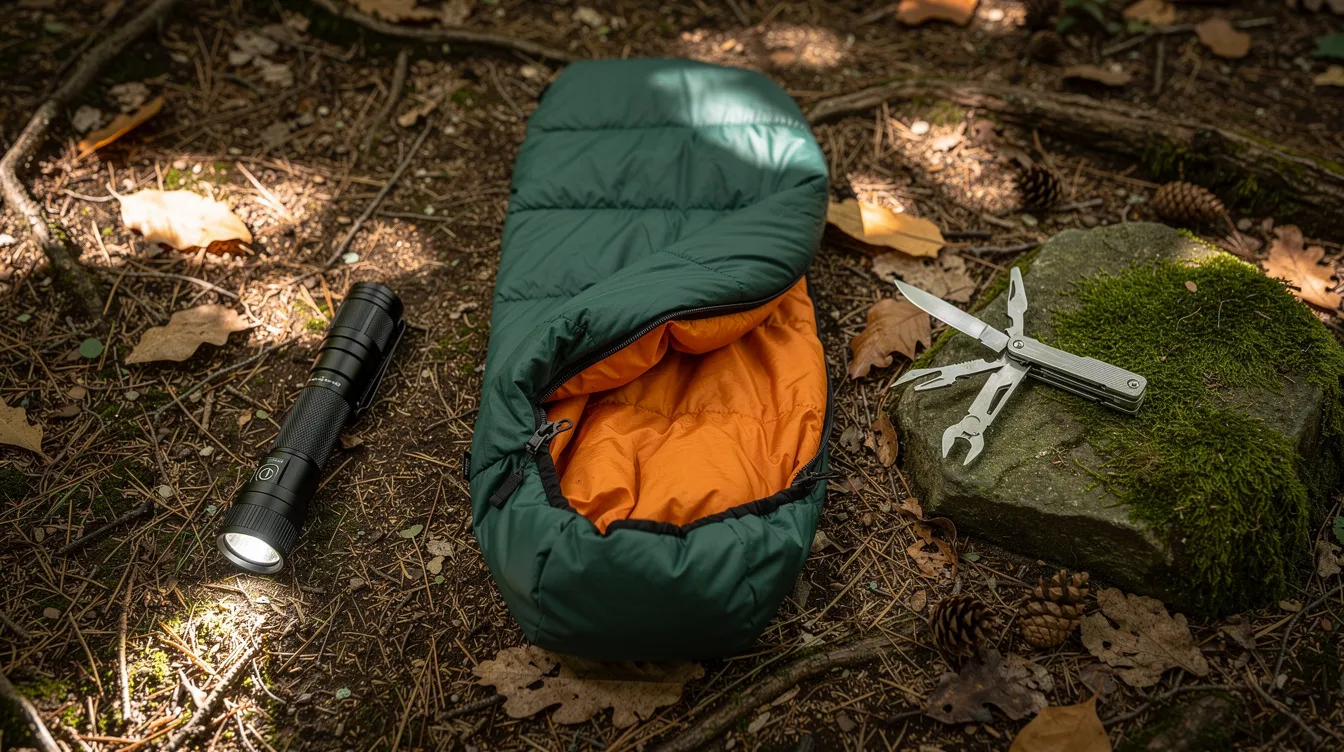
Many camping items—sleeping bags, tents, camp stoves, headlamps, water filters—are ideal for emergency use. Designate or duplicate a core set so it’s always packed and ready rather than scattered after trips.
Member discussion