
Key Takeaways
- Compact tents combine low packed volume with low weight, making them ideal for backpacking, bikepacking, and minimalist camping where every litre and gram counts.
- Most top compact tents in 2026 weigh under 1.5 kg (around 3.3 lb) and pack down smaller than a 20–25 L daypack, with some ultralight models fitting inside a 1-litre Nalgene space.
- This guide covers specific 1–3 person tents released or updated between 2023–2026, including real model names like the Big Agnes Copper Spur, NEMO Hornet Elite, and Zpacks Duplex, with typical prices ranging from $199 to $749.
- Later sections include a comprehensive buyer’s guide covering weight vs. packed volume trade-offs, season ratings, and durability considerations.
- The FAQ section addresses common compact tent questions including condensation management, footprint necessity, and realistic lifespan expectations.
Best Compact Tents of 2026: Quick Picks
This section gives fast answers for buyers who don’t want to read the entire guide. Each pick represents a standout in its category, with specific weights and price ranges accurate for 2026.
- Best Overall Compact Tent: Big Agnes Copper Spur HV UL2 – approximately 1.36 kg (3 lbs), around $600. Packs to roughly 50 cm x 10 cm, offers two doors and two vestibules, and delivers an excellent space-to-weight ratio for two person tent trips.
- Best Ultralight Compact Tent: NEMO Hornet Elite OSMO UL – 910 g packed weight (750 g trail weight), around $500. Among the lightest two-person tents available while still providing double wall construction and full weather protection.
- Best Compact Bikepacking Tent: Big Agnes Tiger Wall UL Bikepack Solution Dye – 1.1 kg (2 lbs 7 oz), around $500. Purpose-built with short pole segments that fit handlebar rolls and frame bags, designed for gravel and single-track adventures.
- Best Ultralight Solo Shelter: Six Moon Designs Lunar Solo – incredibly light with 11-inch pole sections affordable ultralight tent for solo bikepackers and thru-hikers who prioritise packed size above all else.
- Best Compact 3-Person Option: Big Agnes Copper Spur HV UL3 – 1.42 kg (3.13 lbs), around $650. Offers 30% more interior space than the UL2 while weighing less than most two-person tents from previous generations.
Best Compact Budget Tent
Premium ultralight backpacking tent options dominate gear shop shelves, but solid compact choices exist around $150–$300 if you’re willing to accept slightly more weight. These budget tent options prove that you don’t need to spend $600 to find a reliable shelter that packs reasonably small.
- How budget designs stay compact: Simple two-pole architecture and compressible polyester fabrics squash down effectively in a pack. These tents prioritise proven construction over weight-obsessed engineering.
- Strengths: Robust 68–75D floors that handle rough ground without a footprint, included tent footprint in some cases, spacious interiors providing enough space for two people plus gear, and price points that won’t empty your bank account.
- Compromises: Heavier than premium ultralight models by 1–1.5 kg, longer packed length due to simple pole sections rather than hubbed designs, and extra bulk that’s better shared between two hikers or spread across multiple panniers on a bike tour, where choosing the right heavy duty tent stakes for the ground also becomes important.
- Who it’s best for: New backpackers building their kit, occasional campers who don’t need to shave every gram, or budget-conscious adventurers planning short backpacking trips where a few hundred extra grams won’t break their backs.
Best Compact Tents for Bikepacking
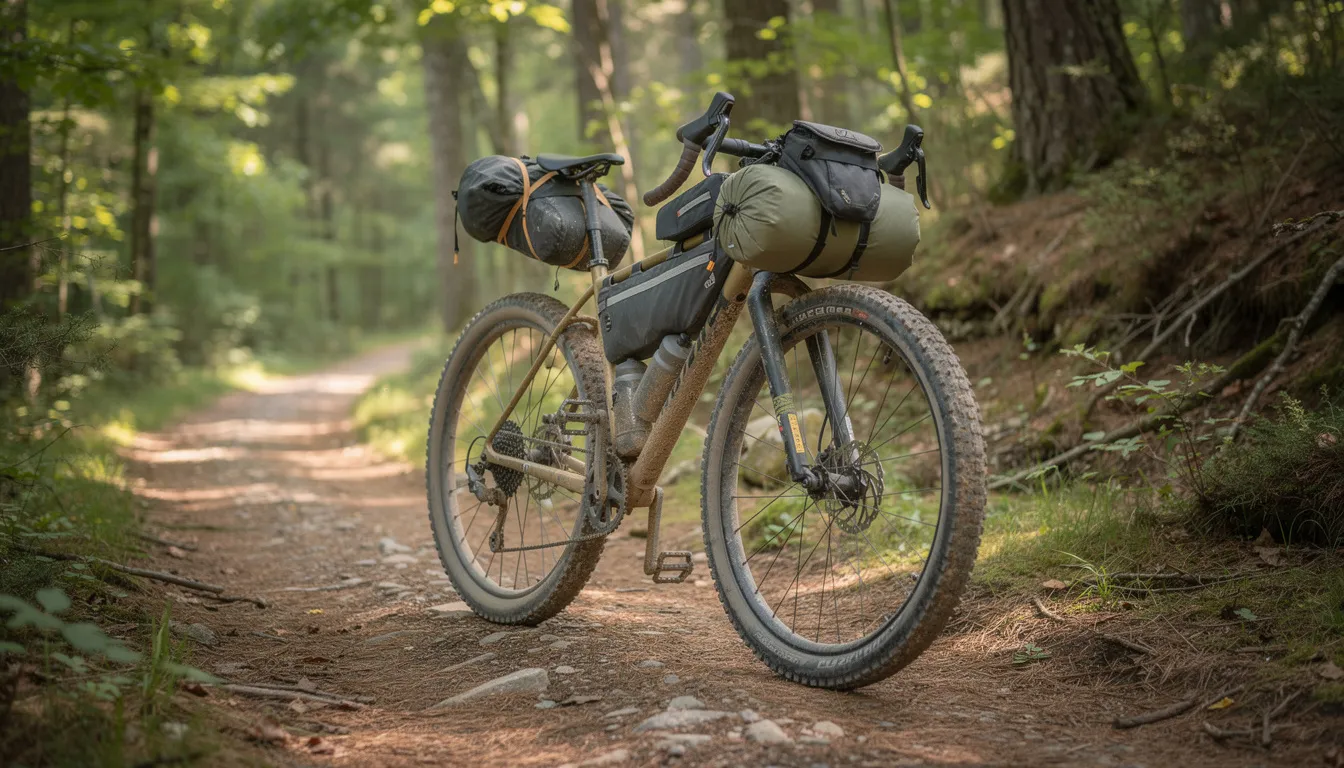
Bikepacking demands especially short pole segments and narrow stuff sacks that fit inside handlebar rolls, frame bags, or panniers. Standard backpacking tents often have pole bundles too long for bike-mounted storage, making purpose-built bikepacking editions essential for serious riders.
- Purpose-built leader: Big Agnes Tiger Wall UL Bikepack Solution Dye – This 3-season tent was our favourite overall bikepacking tent, designed explicitly for road, gravel, and single-track adventures. At 2 lbs 7 oz (1.1 kg) for the 2-person version, it packs to dimensions suited for handlebar attachment and pitches quickly on any roadside spot, especially when paired with reliable backpack rain covers for your gear.
- Upgraded option: Big Agnes Copper Spur HV UL2 Bikepacking Edition – The same excellent shelter as the standard Copper Spur, but with pole sections around 30–35 cm that fit in bar rolls and frame bags. It maintains the two-door, freestanding design while adapting to bike-mounted storage needs.
- Inflatable alternatives: Air-pole tents released around 2024–2025 (weighing 1–1.5 kg) offer remarkable compactness by eliminating rigid pole bulk entirely. The trade-off is needing a pump, careful care to prevent punctures, and slightly slower setup times.
- Bikepacking-specific scenarios: Modern gravel routes like the Great Divide or European bikepacking races reward sub-1.3 kg shelters that fit under handlebars. Riders on multi-day tours through varied terrain need tents that can be mounted securely without affecting bike handling.
- Design details that matter for cyclists: Ultra-short pole bundles (11-inch sections on the Six Moon Designs Lunar Solo, for example), compression stuff sacks with daisy chains for external attachment, and exterior loops for strapping directly to frame tubes.
- Standard vs. bikepacking editions: The bikepacking versions of popular tents like the Tiger Wall and Copper Spur typically maintain identical interior dimensions and weather resistance while redesigning the pole structure for compact storage. Packed length may drop from 50 cm to 35 cm—a significant difference when fitting gear on a bike.
Best Compact 1-Person Tents
One person shelter options serve solo backpackers, trail runners, and minimalist wild campers who need a tiny shelter footprint and very small packed size. These compact tents prioritise individual efficiency over shared comfort.
- More comfortable 1P tent: Big Agnes Fly Creek HV1 Carbon – At 595 g total (454 g trail weight), this is one of the lightest double wall tents available and serves as an excellent alternative to a bivy sack. The footprint weighs only 85 g, keeping the entire system remarkably packable.
- Key specifications to consider: Interior length over 210 cm for taller users, peak height of at least 90–100 cm for comfort when changing clothes or waiting out rain, and small rectangular footprints that slot into tight wild-camp spots like narrow ledges or forest clearings.
- Seasonal considerations: Most compact solo tents are 3-season designs. Four-season solo shelters tend to be bulkier due to heavier poles and fabrics needed for snow loads and winter storms—a significant trade-off for the solo adventurer counting every gram.
- Market reality: There aren’t that many bikepacking-specific one-person shelters available at this time, making the Lunar Solo particularly valuable for riders who want a tailored solution rather than adapting a two-person tent.
- Who it’s best for: UK wild camping where stealth and tiny pack size matter more than interior palatialness, solo thru-hikers who want to save weight by not carrying unused tent capacity, and anyone who consistently travels alone and wants the smallest possible shelter that still provides full bug protection and weather protection.
Compact Tent Fabrics & Materials
Fabric type is crucial to both packed size and long-term durability of compact tents. Understanding material options helps you make informed decisions about which trade-offs suit your adventure style.
Common fabric types:
- Denier considerations: Lower-denier fabrics (10–20D flys and 15–30D floors) pack very small but are more vulnerable to abrasion and punctures than 40–70D budget fabrics. Your campsite selection becomes more important with these durable materials alternatives, just as choosing a well-designed portable toilet for low-impact sanitation helps reduce wear on fragile environments.
- Pole materials: DAC Featherlite aluminium remains the standard for quality tent poles, while carbon fiber options (like the Six Moon Designs pole at 2.1 ounces) push weight even lower. Air-beam systems eliminate rigid poles entirely, creating extremely packable shelters at the cost of complexity.
- Pole design impact: Section length and hub design significantly affect packed volume. Hubbed poles that fold into 35–40 cm bundles create more compact packages than simple sectional poles that extend to 50+ cm.
- Footprint recommendation: Using a groundsheet or tent footprint with very thin floors (under 30D) keeps compact tents serviceable over many seasons. A footprint adding 85–150 g to your pack weight is often worthwhile insurance, much like packing a safe, appropriately sized tent heater for cold conditions can be worth the extra grams.
- Sustainability trends: Post-2023 models increasingly use recycled polyester fabrics, though these don’t significantly change packed size. The environmental benefit comes without meaningful performance trade-offs.
Buyer’s Guide: How to Choose a Compact Tent
This section walks you through key decisions: capacity, weight, packed size, season rating, and price. Understanding how these factors interact helps you find the perfect shelter for your specific needs rather than simply buying the lightest or cheapest option available.
- Set a realistic packed-size goal before shopping: Define constraints like “must fit inside 20 L handlebar bag” or “must be under 40 cm long to go inside a climbing pack” before comparing models. Starting with your actual storage limitations prevents disappointment.
- The trade-off triangle: Weight, durability, and price exist in constant tension. Very compact and ultralight models tend to sit at the expensive, more delicate end of the spectrum. You can have two of three, but rarely all three at once.
- Measure your actual storage: Grab a tape measure and check your backpack, pannier, or bike frame dimensions. Compare these concrete numbers to manufacturer packed-size specs, not just weight figures. A 900 g tent that’s 55 cm long may fit worse than a 1.2 kg tent at 40 cm.
- Interior comfort matters on multi-day trips: The ability to sit up, change clothes, and store wet gear becomes increasingly important on extended adventures in wet climates like the UK, Pacific Northwest, or New Zealand. A few extra hundred grams for liveable space often pays dividends in morale.
- Match tent to realistic use: A summer-only backpacker doing weekend trips has different needs than a thru-hiker covering 2,000 miles. Be honest about your actual adventures when making decisions.
Season Ratings & Weather Protection
Understanding the difference between 3-season compact tents (spring–autumn, rain and light snow) and 4-season or “mountain” tents (winter storms, high winds) helps you choose appropriate gear without overspending on unnecessary capability.
- 4-season trade-offs: Winter-capable tents typically sacrifice some compactness due to heavier poles, higher denier fabrics, and full-fabric mesh tent body alternatives. Modern designs still aim to keep packed size manageable, but expect 20–40% more bulk than comparable 3-season options.
- Storm features that matter: Full-coverage rain fly with low-cut coverage, bathtub floor with adequate height to prevent splash-through, multiple guy points for anchoring in wind, and snow-flap options on expedition models all contribute to weather resistance.
- Match rating to realistic trips: Alpine autumn on the Tour du Mont Blanc in 2026 typically requires a robust 3-season compact tent rather than a full 4-season shelter. Most hikers overspend on seasonal capability they’ll never actually need.
- Wet climate considerations: In very wet environments, a slightly heavier but more stormworthy compact tent can be worth the extra litres in your pack. Dealing with harsh weather all trip long makes those few hundred extra grams worthwhile investments.
Ease of Setup in Tight Spots
Compact tents often end up on compact pitches—tiny forest clearings, narrow river terraces, or sloping verges familiar to wild campers and bikepackers. Your tent’s footprint and setup requirements matter when options are limited.
Tent architecture comparison:
- Scenario example: Trying to pitch a long tunnel tent on a Scottish bothy approach offers very different challenges than setting up a short-footprint dome on a small alpine ledge. Most freestanding tents give you more flexibility in these situations.
- Setup speed and practice: Minimalist designs can be finicky in the dark or high wind, so factor in learning curve alongside compactness. A spacious tent that you can pitch confidently in harsh weather may serve you better than an ultralight tarp you struggle with, especially when paired with lightweight camping shoes that grip well on slick or uneven ground.
- Stake requirements: Note how many stakes are truly required for a secure pitch and whether the tent can be rotated freely or must face a specific direction. Some sites only offer stake-able ground in certain spots, which also matters when setting up compact outdoor shower tents that need privacy and stable anchoring.
Durability & Lifespan
Many compact tents rely on thinner, lighter materials that need more care to last multiple seasons. Understanding what you’re buying helps you get maximum value from your investment.
- Interpreting specifications: Denier ratings indicate fabric thickness (lower = lighter but more delicate). Hydrostatic head measures water resistance—expect 1200–2000 mm for flys and 3000 mm+ for floors on lightweight models.
- Protective habits that extend lifespan:
- Use a tent footprint on abrasive ground
- Avoid brushing fabric against sharp rock
- Dry tents completely after wet ground and wet trips
- Store loosely in a breathable container at home
- Handle zippers gently, never forcing them
- Repairability considerations: Patch kits for DCF or silnylon, replacement pole sections, and replacement stuff sack options affect the real value of a compact tent over 5+ years. Quality manufacturers offer replacement tent components that extend shelter life significantly.
- Realistic expectations: A carefully handled compact tent might last 5+ years of moderate trips, while a thru-hiker using it for 150–200 nights in one season may wear it out faster. These are performance tools, not indestructible shelters.
Care, Storage & Packing Tips for Compact Tents
Proper care keeps compact tents small-packing and functional for many trips. A few simple habits prevent premature wear and maintain the packability you paid for.
Post-trip routines
- Shake out debris (dirt, pine needles, small rocks) before packing
- Dry fully in a shaded area—UV degrades fabrics over time
- Avoid long-term storage while compressed in the stuff sack
- Check for damage to seams, zippers, and pole joints
Long-term storage best practices
- Store loosely folded or stuffed in a breathable cotton or mesh sack
- Choose a cool, dry location away from direct sunlight
- Never store damp—even slight moisture promotes mildew
- Periodically check storage space for temperature and humidity
Packing for backpacking
- Separate poles and stakes from the fabric body
- Use compression straps judiciously—over-compression stresses fabrics
- Position the soft tent body against the spine of the pack
- Consider splitting components between hiking partners to balance pack weight
Packing for bikepacking
- Poles in frame bag or top tube bag where they won’t shift
- Tent body in a handlebar roll or seat pack alongside a pop up tent shelter for your dog
- Ensure weight distribution doesn’t compromise bike handling
- Secure all attachment points against vibration loosening
Field repair essentials
- Pole splints (many tent poles include these)
- Seam tape for emergency waterproofing
- Adhesive patches for small fabric tears
- These items are small enough to carry without compromising your overall pack weight
FAQ: Compact Tents
The following questions cover common concerns not fully addressed in the sections above. Each answer stays practical and uses everyday examples where helpful.
How small should a compact tent pack down to?
For backpacking, a good target is a stuff sack around 10–15 L in volume—roughly the size of a loaf of bread plus a separate slim pole bag. This fits well in most 40–55 L packs without dominating available space.
Bikepackers often need pole lengths under 35 cm (about 14 inches) to fit handlebar bags or frame storage, while car campers have more flexibility but still benefit from shorter bundles for organization.
“Compact” is ultimately relative to your needs. Compare tent packed dimensions directly with your own luggage and storage space at home rather than relying on abstract numbers.
Do compact tents have more condensation problems?
Compact tents don’t automatically have worse condensation, but smaller interiors and less fabric volume can make moisture more noticeable on walls. You’re simply breathing into a smaller space.
Ventilation features become crucial: roof vents, mesh panels, and the ability to crack doors without compromising weather protection all reduce dampness. Good site choice—avoiding low spots where cold air pools—also helps significantly.
Double wall construction generally manages condensation better than single wall tents because the inner mesh tent body allows moisture to pass through to the outer fly. This comes at the cost of slightly more bulk, but most favorite backpacking tents use this design for good reason.
Are footprints necessary for lightweight compact tents?
Footprints aren’t mandatory but are strongly recommended for the thin 15–30D floors common on modern compact shelters. These lightweight floors prioritise packability over puncture resistance.
A lightweight footprint or DIY option (Tyvek, polycro) protects the floor from punctures and can extend your tent’s life by several seasons. The Big Agnes Fly Creek footprint, for example, weighs only 85 g—minimal penalty for significant protection.
Skipping the footprint saves some weight and bulk but may prove false economy for people who regularly camp on rocky or rooty ground. One puncture requiring professional repair costs more than most footprints.
Can I take a compact tent as carry-on luggage when flying?
Many compact tents can physically fit in carry-on bags, making them attractive for adventure travel. However, rigid pole sections and tent pegs often trigger security checks and may need to go in checked luggage depending on airline and airport policies.
The practical approach: pack the fabric and inner tent in carry-on (these never cause issues), while placing poles and stakes in checked baggage to avoid confiscation or delays. This also protects your most valuable components if checked bags go missing.
Check current airline and airport security policies before flying with camping gear, as rules change periodically. What passed security last year may not clear this year.
How long will a compact ultralight tent realistically last?
Lifespan depends heavily on use intensity. A carefully handled compact tent might last 5+ years of moderate trips (30–50 nights annually), whereas a thru-hiker using it for 150–200 nights in a single season may wear it out within that time.
Thin fabrics show wear sooner at stress points, zippers, and floors. Gentle handling, good site selection, and regular maintenance—resealing seams, checking pole joints, treating zippers—extend useful life considerably.
Expect premium ultralight compact tents to be long-lasting performance tools rather than indestructible all-purpose base-camp shelters. They reward care and punish neglect more than heavier, more robust alternatives.
What’s the difference between a compact tent and an ultralight tent?
These terms overlap but aren’t identical. A compact tent prioritises small packed dimensions—it might weigh 2 kg but pack to 12 x 40 cm. An ultralight tent prioritises minimum weight—it might weigh 800 g but have longer pole segments that create a 15 x 50 cm package.
The sweet spot for most backpackers and bikepackers is tents that achieve both: lighter weight paired with truly small packed dimensions. Models like the Big Agnes Tiger Wall and NEMO Hornet Elite exemplify this approach.
Some budget tent designs are compact without being ultralight—they pack small through soft compressible fabrics but still weigh 2.5+ kg. These make sense for hikers who prioritise cost over gram-counting.
Choosing the right compact tent ultimately means matching packed size and weight to your specific adventure style. Whether you’re a thru-hiker seeking the lightest possible shelter, a bikepacker needing short pole segments, or a weekend backpacker who wants reasonable comfort without excessive bulk, the 2026 market offers compelling options at every price point.
Start by measuring your pack or bike bags, define your realistic weight targets, and compare those concrete numbers against the tents that caught your eye. Test-pack your finalist at home before committing to a major trip—discovering fit problems on the trail is frustrating and easily avoided.
The best compact tent is the one you’ll actually use, so prioritise the features that match how you travel rather than chasing specifications that don’t serve your real adventures.
Member discussion