
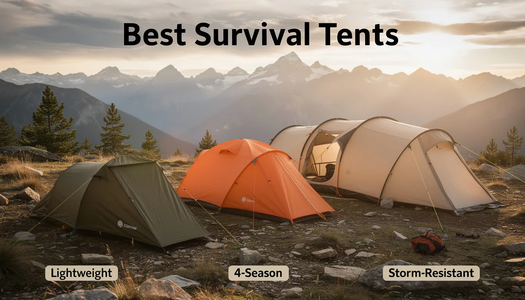
If you're searching for the best tent for survival, this guide will help you choose the right option for your needs. This guide is for anyone building a bug out bag, prepping for emergencies, or planning extended wilderness trips. Choosing the right survival tent can be the difference between comfort and danger in an emergency. A survival tent is a lightweight, durable, 3-4 season shelter offering rapid and reliable protection in harsh conditions. Experts recommend tents for most people who may not have the skills to use tarps effectively in emergencies. A tent is a self-contained shelter that is quick and easy to set up and break down, making it a good option for emergencies.
The best survival tents are lightweight, durable, 3-4 season shelters offering rapid and reliable protection in harsh conditions. Here’s a quick summary of the top survival tents for different scenarios:
Best Survival Tents by Scenario:
- Best Overall Lightweight Survival Tent: Big Agnes Copper Spur HV UL2/UL3
- Best All-Around Tent: MSR Hubba Hubba NX (compact, lightweight, excellent for wet/humid climates)
- Best Budget Durable Tent: The North Face Stormbreak 2 or 3
- Best Budget Beginner Tent: Coleman Sundome 2-Person Tent
- Best Hot Tent for Winter Survival: OneTigris Ironwall (teepee-style, stove jack compatible)
- Best 4-Season Survival Tent: The North Face Stormbreak series
- Other Top Choices: OneTigris Rock Fortress Hot Tent.
Quick Comparison: Best Survival Tents by Scenario (Answer First)
If you want immediate answers before diving into detailed reviews, this section provides a fast reference organized by use case. Each pick represents the best option in its category based on current testing and real-world performance.
- Best Ultralight Emergency Tent: Go Time Gear Life Tent (2-person mylar tube; approximately 8.7 oz; excellent for bug out bags and car kits where weight and pack size are critical)
- Best Budget Survival Tent with Doors: Primal Survival Gear Orange Polyester Survival Tent with Doors (about EUR 18.52; compact and heat-reflective with full enclosure, a strong entry-level pick for those building their first emergency kit)
- Best 4-Season Survival Hot Tent: OneTigris Rock Fortress Hot Tent (teepee-style with stove jack; suited for cold weather bushcraft and winter survival where heating your shelter is necessary)
- Best Hammock-Style Survival Shelter: Haven Tents XL Lay Flat Hammock (for heavily forested or rocky ground where pitching ground tents proves difficult or impossible)
Now, let's explore each of these top picks in more detail to help you understand their strengths and ideal use cases.
Key Takeaways
- Survival tents must balance weight, speed of setup, and real protection from cold, wind, and rain—there is no single “best survival tent” for everyone, as your ideal choice depends on climate, mobility, and whether you’re preparing for a single emergency night or weeks in the field.
- The overall best survival tent for most people in 2025 is the Go Time Gear Life Tent (emergency tube tent) for ultra-light kits, paired with a more robust 2-person backpacking tent like the Big Agnes Copper Spur HV UL2 for repeated field use.
- True survival tents should weigh under approximately 3 lbs for carry-everywhere kits and pack smaller than a 1-liter bottle, while still offering wind and rain protection that won’t fail when conditions deteriorate.
- Families and groups are usually better off with multiple two person tents instead of one large tent, providing redundancy and flexibility if the group needs to split or one shelter fails.
- This guide covers specific product examples with pros and cons, a comparison of tent types (tube, mylar, backpacking, hot tents), and a concise checklist to help you choose the best tent for your own climate and skill level.
Choosing the right shelter for your bug out bag or emergency preparedness kit isn’t about finding the most expensive option or the one with the most features. It’s about matching your gear to reality—your climate, your mobility plan, and how long you might need to survive in the field. The survival gear market is flooded with options ranging from sub-10-ounce mylar tubes to 60-pound canvas behemoths, and picking the wrong one could leave you shivering, soaked, or unable to carry your own shelter when you need it most.
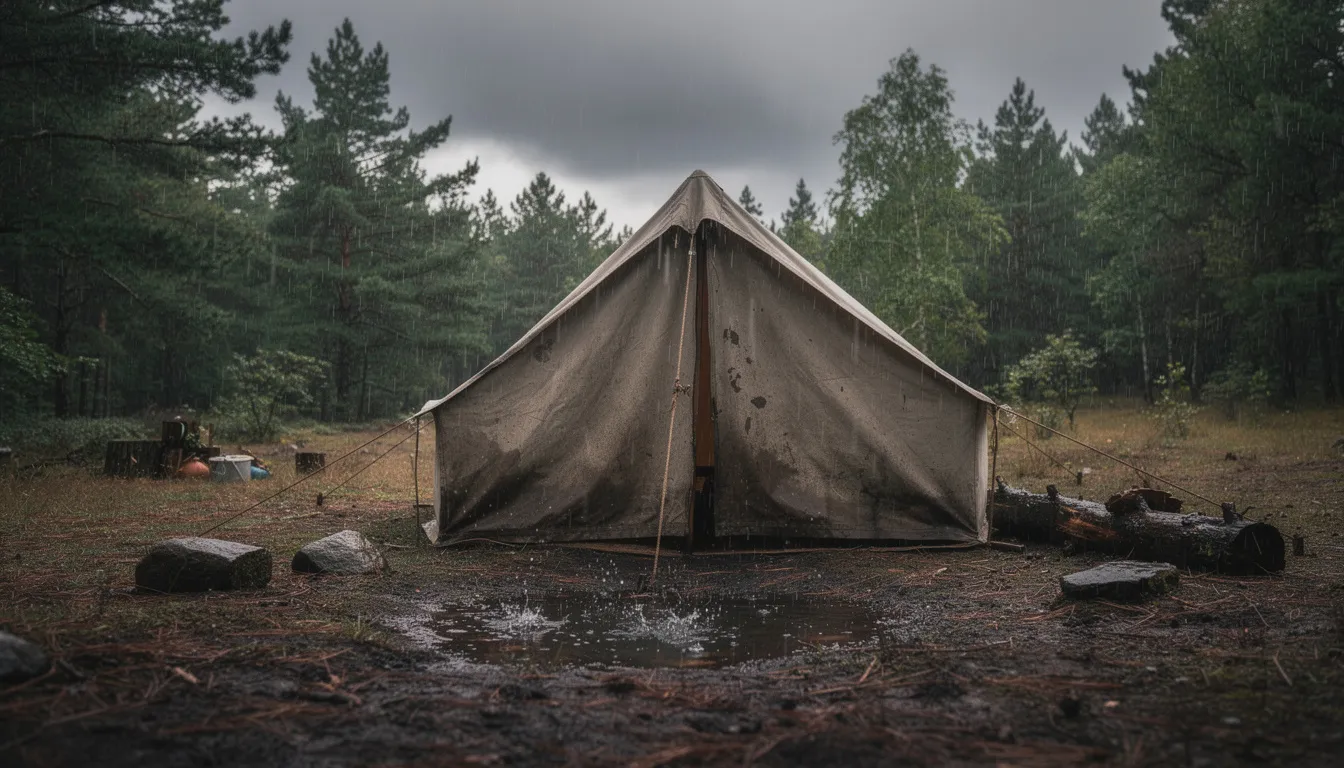
Primal Survival Gear Orange Polyester Survival Tent with Doors – Best Budget Tent with Full Enclosure
The Primal Survival Gear tent weighs roughly 14.3 oz, packs to about soda-can size, and currently sells around EUR 18.52. This budget tent price makes it accessible for most preparedness-minded users who want to stock multiple kits without significant investment.
Construction uses tear-resistant PET Mylar or coated polyester that’s both waterproof and wind-resistant. The reflective material bounces up to 90% of body heat back toward occupants, helping you stay warm in cold or wet weather even without additional insulation. This thermal efficiency is critical when your sleeping bag is marginal for the conditions or you’re dealing with wet clothing.
Big Agnes Copper Spur HV UL2 – Best 2-Person Survival Backpacking Tent
The Big Agnes Copper Spur HV UL2 represents a proven, premium 2-person backpacking tent with around 3 lbs trail weight that has been widely tested in multi-day trips. For repeated survival use when traveling on foot, this is the category of shelter that should form the core of your field kit.
Key features include double-wall construction that separates the breathable inner tent from the waterproof rain fly, reducing condensation significantly compared to single-wall designs. The tent includes two doors and two vestibules for gear storage, plus high-volume pole architecture that maximizes interior space relative to weight. The spacious tent design means you’re not constantly bumping walls or struggling to organize your survival gear.
OneTigris Rock Fortress Hot Tent – Best Teepee-Style Cold-Weather Survival Tent
The Rock Fortress is a pyramid/teepee-style hot tent designed for use with a wood stove, making it suitable for winter survival, bushcraft, and off-grid base camps. This category of wall tent represents a fundamentally different approach to survival shelter—instead of relying solely on sleeping bags and body heat, you bring active heating capability into your shelter.
This tent can sleep up to 4 people as a three person tent with gear room, uses lightweight silicon-coated nylon or polyester with a reinforced stove jack, and includes a central pole and stakes. Weight ranges from approximately 9-15 lbs depending on version and whether you include the inner mesh liner. This is not a tent you’ll easily carry on extended foot travel, but for vehicle-supported operations or base camp scenarios, the comfort benefits are substantial.
The teepee shape naturally sheds snow and resists high wind loading while offering generous headroom for moving around inside. Critically, a wood stove allows drying wet clothing and boots—something impossible in conventional tents and absolutely critical for multi-day cold survival where hypothermia risk accumulates with each day of wet gear.
This shelter suits cold-region preppers, overland travelers, and bushcrafters planning extended winter stays. It’s not a fast-moving evac tent—it’s a field-deployable home for harsh weather conditions that would make conventional backpacking shelters miserable.
Haven Tents XL Lay Flat Hammock – Best Survival Hammock Shelter
The Haven Tents XL combines a lay-flat hammock with integrated bug net and rain fly, allowing comfortable sleeping in almost any position—back, side, or stomach—while suspended between trees. This solves one of the major comfort problems with traditional hammocks while providing legitimate shelter capability.
The full kit (hammock, fly, bug net, pad, straps, stakes, guy lines) weighs under 5 lbs excluding the insulated pad. This is heavier than ultralight emergency options but provides dramatically better comfort for extended stays. Capacity is one person plus gear, which is realistic for survival scenarios where you need enough room for equipment without excessive weight.
How to Choose the Best Survival Tent for Your Situation
Your best tent depends on where you live, how you expect to move (on foot, by vehicle, by bike), and whether you’re planning for 1-2 nights or weeks in the field. There’s no universal answer—only the right answer for your specific circumstances.
The following subsections walk through core decision factors: environment, tent type, materials, size, season rating, and ease of setup. By the end, you should be able to narrow to 1-2 ideal tent categories for your needs.
Materials and Durability
Material choice dramatically affects tent performance across multiple dimensions:
- PET Mylar is ultralight and reflective, excellent for emergency heat retention. However, it tears relatively easily with repeated use and the reflective surface can attract attention—good for rescue, bad for discretion.
- Silicone-coated nylon (silnylon) offers an excellent strength-to-weight ratio with good waterproofing. It’s sensitive to heat and can stretch when wet, but remains the go-to material for lightweight backpacking shelters.
- Polyester adds slightly more weight than nylon but resists UV degradation and sagging better. Many three season tent options use polyester for the rain fly where UV exposure is highest.
- Canvas/poly-canvas is heavy but extremely durable, best for long-term or hot tent use where repeated heating/cooling cycles would damage synthetics. Canvas breathes better than coated fabrics, reducing condensation in enclosed spaces.
Denier ratings matter: 15-20D fabrics appear on ultralight tents and require careful handling; 60-70D floors handle rocky ground abuse. Higher denier means tougher but heavier fabric. For survival applications, slightly heavier floors often pay dividends in puncture resistance.
Weight, Size, and Packed Volume
Target weights vary by tent category:
- Under 1 lb: Emergency-only tube tents, bivvies, and minimalist tarps
- 2.5-4 lbs: Serious 2-person backpacking survival tents with weather resistance
- 8-20+ lbs: Hot tents and canvas shelters requiring vehicle or sled transport
Pack size matters as much as weight. Your tent should fit narrow enough to strap to or inside a pack without snagging on brush during travel. For hiking-focused survival tents, aim for packed volume comparable to a 1-liter water bottle.
If you expect to move long distances on foot, err toward lighter options. But don’t sacrifice critical durability for marginal weight savings—ultra-fragile experimental fabrics might save ounces but create unacceptable failure risk in real survival situations.
Capacity and Group Strategy
Two person tents represent the optimal primary choice for most survival applications. They add only 5-20% more weight and cost over 1-person models while providing approximately 50% more floor space. The extra room accommodates gear storage, allows changing clothes inside during bad weather, and provides margin if you’re sheltering with a partner.
One massive family tent creates liability in survival scenarios:
- Harder to conceal from others who might mean harm
- More visible to search teams (good or bad depending on circumstances)
- Slower to warm with body heat alone
- Single point of failure if damaged
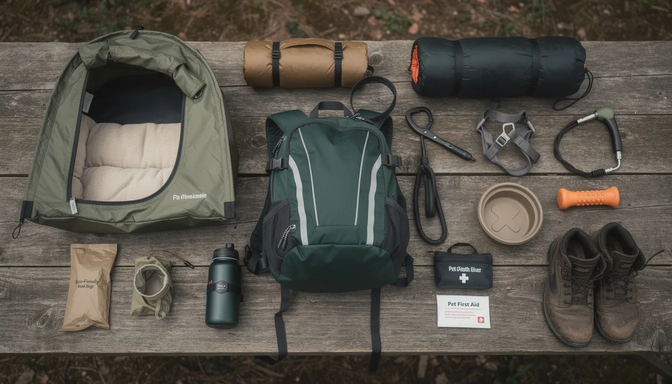
Better group strategy: adults each carry or share a 2-person shelter. Children or pets share with an adult. This provides redundancy if the group must split or if one tent fails. Three small shelters scattered across a group beats one large tent concentrated on a single person’s back.
Season Rating and Climate
Understanding season ratings prevents both under-preparation and unnecessary weight:
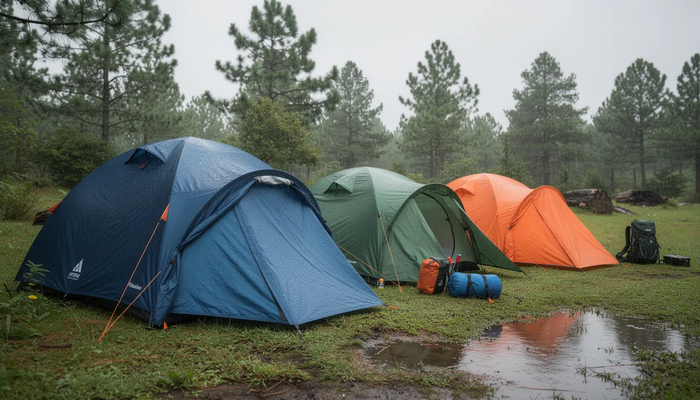
- Three season tent designs cover spring, summer, and fall with focus on rain protection and moderate wind resistance. Ventilation is prioritized because these shelters assume temperatures where overheating is a concern.
- Four-season tents prioritize snow load capacity and storm resistance, often at the cost of ventilation. They’re heavier, more expensive, and can become stifling in warm weather.
Most people should default to three season tents, even in colder climates. A quality 3-season shelter combined with appropriate sleeping bags, insulated pads, and smart site selection handles most year round conditions. True 4-season tents make sense only for deliberate high-altitude mountaineering or sustained arctic conditions.
For very cold, snowy regions where you’ll be stationary for days or weeks, consider a hot tent with stove jack rather than an extreme-mountaineering dome. Active heating capability changes the survival equation fundamentally.
Ease of Setup Under Stress
A survival tent must be pitchable quickly in bad conditions: darkness, high wind, cold hands, and fatigue. Complexity that seems manageable in your backyard becomes overwhelming when you’re hypothermic and exhausted.
Prioritize simple, freestanding or semi-freestanding designs with color-coded poles and minimal pole intersections. Avoid overly complex architectures with dozens of guy lines and intricate vestibule configurations—these are designed for fair-weather glamping, not emergency deployment.
Practice matters: set up your tent multiple times at home, including with gloves on and in darkness. Build muscle memory so the process becomes automatic. Store simple instructions and a diagram in the stuff sack as backup for when stress impairs cognition.
Essential Survival Features to Look For
Beyond weight and size, certain details dramatically improve survival performance. Ventilation, waterproofing, interior organization, and stake quality can turn a standard tent into a truly dependable survival shelter—or their absence can create problems that compound over time in the field.
Waterproofing and Wind Resistance
- Minimum desirable waterproof ratings start around 1200-1500 mm hydrostatic head for the rain fly and 3000 mm or higher for floors. Bathtub-style floors that rise a few inches up the sidewalls prevent puddles from creeping under during heavy rain.
- Seam taping or sealing along the base and fly prevents water infiltration at stitch points where the needle creates holes in otherwise waterproof fabric. Factory seam taping is ideal; if absent, apply seam sealer before field use. Periodically re-seal seams on older tents with appropriate sealant.
- Multiple guy-out points allow tensioning the shelter against high wind loads. Quality aluminum poles resist bending better than cheap stakes or fiberglass alternatives that can shatter under stress. For 30+ mph wind resistance, the pole structure matters as much as the fabric.
Ventilation and Condensation Control
- Condensation is inevitable when warm, moist breath meets a cold tent wall. Good design minimizes drips and damp gear rather than eliminating condensation entirely.
- Look for mesh panels that allow airflow, adjustable vents near the top where warm moist air naturally rises, and the ability to crack vestibule zippers in rain without letting water pour in. Double-wall designs inherently outperform single-wall options for reducing condensation because the outer waterproof layer stays separate from the breathable inner.
- Single-wall emergency shelters should be assumed “sweaty.” Manage this through partial openings when weather permits, strategic orientation to catch breezes, and choosing slightly elevated, well-drained sites that don’t trap cold, moist air.
Interior Layout, Pockets, and Gear Storage
- Overhead mesh pockets or gear lofts keep headlamps accessible for nighttime navigation inside the tent. Side pockets organize survival essentials—knives, radios, first aid items, fire starters—within arm’s reach.
- Vestibules or at least some sheltered space outside the sleeping area allows stashing muddy boots and wet gear without contaminating your sleep space. Keeping your sleeping bag dry is non-negotiable in cold weather; even moderate moisture significantly reduces insulation value.
- In a survival shelter, organization reduces time spent searching in the dark and materially affects safety and morale. Knowing exactly where critical gear lives prevents fumbling when seconds matter.
Stakes, Guidelines, and Repair Kits
- Upgrade from cheap stakes to quality aluminum or stainless models that hold in various soil types and resist bending under stress. The stakes that ship with budget tents often fail first—replace them proactively rather than discovering failure in harsh weather.
- Carry extra guy lines and line-locs for storm pitching situations requiring more anchor points than the normal setup. A small repair kit should include fabric patches or Tenacious Tape, spare cord, and possibly a pole splint for field repairs.
- Many emergency shelters like the Life Tent benefit from being paired with dedicated stakes and proper cordage rather than relying only on rocks and debris. A few ounces of quality anchoring gear multiplies the effectiveness of lightweight tube tents.
Using Your Survival Tent Effectively
Having the right tent is only half the equation. How you deploy it impacts warmth, safety, and shelter longevity. Poor site selection can render a great tent miserable; excellent site selection can make a marginal shelter adequate.
Site Selection and Orientation
- Choose elevated, well-drained ground that won’t become a pool during overnight rain.
- Avoid dry riverbeds (flash flood risk), avalanche paths, and areas beneath standing dead trees that could drop branches.
- Look up before pitching—overhead hazards kill campers every year.
- Orient tent doors and tube tent openings away from prevailing wind and driving rain. This reduces drafts and spray entering the shelter. Watch for weather patterns during daylight and position accordingly.
- Microclimate selection matters: camp just below ridge lines rather than on them to avoid the strongest winds. Use natural windbreaks like boulders or dense thickets without trapping yourself in low depressions where cold air pools. A site 50 feet from a bad location can be dramatically more comfortable.
Practice and Packing Strategy
Practice setting up and breaking down your tent multiple times before depending on it in an emergency. Include practice with gloves and at night to simulate realistic conditions. This builds muscle memory that functions even when cognitive ability is impaired by cold or exhaustion.
Pack tents so critical items—stakes, guy lines, and poles—are accessible without emptying the whole pack in the rain. Consider keeping stakes and cord in an exterior pocket while the tent body stays in the main compartment.
Keep at least one emergency shelter in each major context: primary backpack, vehicle, and home emergency kit. The shelter you can’t access is worthless regardless of quality.
Combining Tents with Other Shelter Gear
Tarps and paracord augment tent capability: create extra rain protection over the entrance, improvised gear vestibules, or windbreaks for stoves near hot tents. A simple tarp adds massive vestibule space to any shelter.
High R-value sleeping pads and appropriate sleeping bags matter as much as tent walls for surviving cold nights. Ground insulation prevents conductive heat loss that tent walls can’t address. Budget accordingly—a great tent with an inadequate sleeping bag is a recipe for miserable nights.
A small reflective emergency blanket or mylar sheet inside a conventional tent can add warmth in extreme cold, but users must balance this against increased condensation. Use this technique when the alternative is hypothermia, not as a routine comfort measure.
Conclusion: The Best Survival Tent Is the One You’ll Actually Carry and Use
The ideal survival tent depends on your environment, mobility requirements, and time horizon. No single model beats all others in every category—the ultralight emergency tube that fits in your pocket won’t work for winter base camp, and the canvas bell tent that’s perfect for extended occupation won’t fit in your bug out bag.
Key recommendations based on scenario:
- Go Time Gear Life Tent or Primal Survival Gear survival tent with doors for ultra-compact emergency kits where every ounce matters
- Big Agnes Copper Spur HV UL2 or similar quality 2-person backpacking tent as the core shelter for mobile survival where you’ll be traveling on foot
- OneTigris Rock Fortress for long-term, vehicle-supported base camps where comfort and heating capability justify the weight
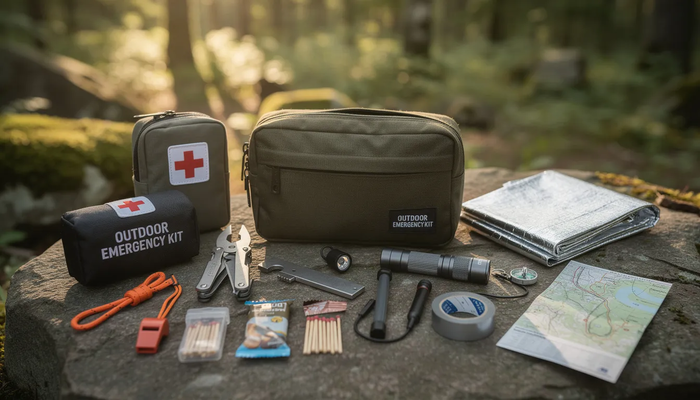
Don’t forget to include a first aid medical kit in your emergency gear for comprehensive preparedness.
Choose one primary shelter, one backup emergency shelter, and actually test them in realistic weekend outings before trusting them in a true survival event. The tent you’ve never pitched under pressure will teach you its quirks at the worst possible moment.
Your best bet is matching equipment to reality rather than optimizing for theoretical scenarios. Buy quality, practice deployment, and maintain your gear. When the situation demands shelter, you’ll be ready.
Frequently Asked Questions
Is a survival tent really necessary if I already carry a tarp and bivy sack?
An experienced user with a quality tarp and bivy can often manage without a traditional tent—many ultralight hikers and bushcrafters prefer this approach for weight savings and flexibility. However, fully enclosed tents offer better bug protection, privacy, and convenience, especially for families or during storms with driving rain from multiple directions. Beginners and intermediate users are usually safer and more comfortable with at least a compact emergency tent in addition to or instead of minimalist tarp setups. The skills required to stay warm and dry under a tarp take time to develop.
How long can I realistically live in an emergency mylar tube tent?
Mylar tube tents like the Go Time Gear Life Tent or Primal Survival Gear models are meant for hours to a few days at most, not weeks of continuous occupation. They trap body heat effectively but are cramped, noisy in wind, and prone to tearing with extended use and repeated packing cycles. Condensation becomes increasingly problematic over multiple nights as moisture accumulates with no way to dry out the interior. Upgrade to a proper backpacking or canvas shelter as soon as possible in any long-duration survival scenario where rescue isn’t imminent.
Should I prioritize bright orange or camo colors for a survival tent?
Bright orange or high-visibility colors are ideal if rescue is the goal—lost hikers, avalanche survivors, or anyone who wants search teams to spot them quickly. Signal colors dramatically reduce search time and increase survival probability when help is actively looking for you. Earth tones or camouflage are preferable when discretion and low profile are priorities, such as during civil unrest or security concerns where attracting attention creates risk. Some users maintain both options for different contexts rather than choosing one universal solution.
How often should I replace or re-waterproof my survival tent?
Inspect shelters at least once a year: check seams, zippers, and fabric for wear, UV damage, and delamination. A simple hose test verifies waterproofing—spray the tent and check for interior wetness. Reapply DWR (durable water repellent) and seam sealer every 2-3 years or after heavy use in wet conditions. Replace heavily UV-damaged or delaminating tents rather than trusting them in life-or-death situations. A shelter that fails when you need it most is worse than carrying no shelter at all because you’ve planned around having protection that doesn’t exist.
Can I safely use a stove inside my survival tent?
Only tents specifically designed with a stove jack and appropriate clearances—hot tents and some canvas bell tents—should be used with wood stoves. Even then, maintain extreme caution with proper ventilation, appropriate stove placement relative to the jack, and a fire-resistant floor area. Never leave a stove unattended or allow fabric to contact the stovepipe. Using open flames or gasoline stoves inside standard nylon or polyester tents is a major fire and carbon monoxide hazard that kills people every year. Cook just outside under a vestibule or tarp instead—the convenience isn’t worth the risk.
Member discussion