

Key Takeaways
- The Coleman Northstar Propane Lantern shines brightest with 1540 lumens and features InstaStart ignition technology for effortless lighting.
- Propane lanterns deliver superior brightness compared to LED models but must be used outdoors only due to carbon monoxide risks.
- Most propane lanterns utilize standard 1-pound propane cylinders and include matchless ignition systems for added convenience.
- Double-mantle lanterns offer significantly more light output than single-mantle models, making them ideal for illuminating large campsites.
- Quality propane lanterns typically range from $20 to $60, with replacement mantles costing around $6 to $7 each.
When night falls at your campsite, you need more than just a faint glow to find your way—you need a bright, reliable light that can transform darkness into daylight. While battery-operated and solar-powered lanterns offer convenience, nothing matches the raw power and consistent light quality of a propane lantern for serious illumination during car camping, outdoor events, or emergency situations.
Unlike most lanterns that depend on disposable batteries or require recharging, propane lanterns provide steady, super bright light that can last for hours on a single propane cylinder. Whether you’re setting up camp after dark, cooking dinner at your table, or simply relaxing outside your tent, these fuel-powered lanterns deliver the brightness and reliability outdoor enthusiasts have trusted for decades.
Top 5 Best Propane Lanterns for 2025
After thorough testing of popular models across various price points, we’ve identified the top performers that offer exceptional value for their intended uses. Our selection criteria focused on brightness, fuel efficiency, build quality, ease of use, and real-world reliability.
Model | Lumens | Runtime | Key Features | Price Range |
|---|
Coleman Northstar | 1540 | 4-9 hours | InstaStart ignition, Dual mantles, Carrying case | $40-55 |
Docooler Mini Portable | 800 | 6-8 hours | Aluminum construction, Ultra-compact | $15-25 |
Coleman QuickPack Deluxe |
Primus Micron | 200 | 24 hours | Shared fuel system, Piezo ignition | $30-45 |
Snow Peak Mini Flame | 80 | 71 hours | Extended runtime, Atmospheric flame | $35-50 |
Each lantern excels in different scenarios—from maximum illumination for large groups to fuel-efficient ambient lighting for intimate evenings under the stars.
Best Overall: Coleman Northstar Propane Lantern
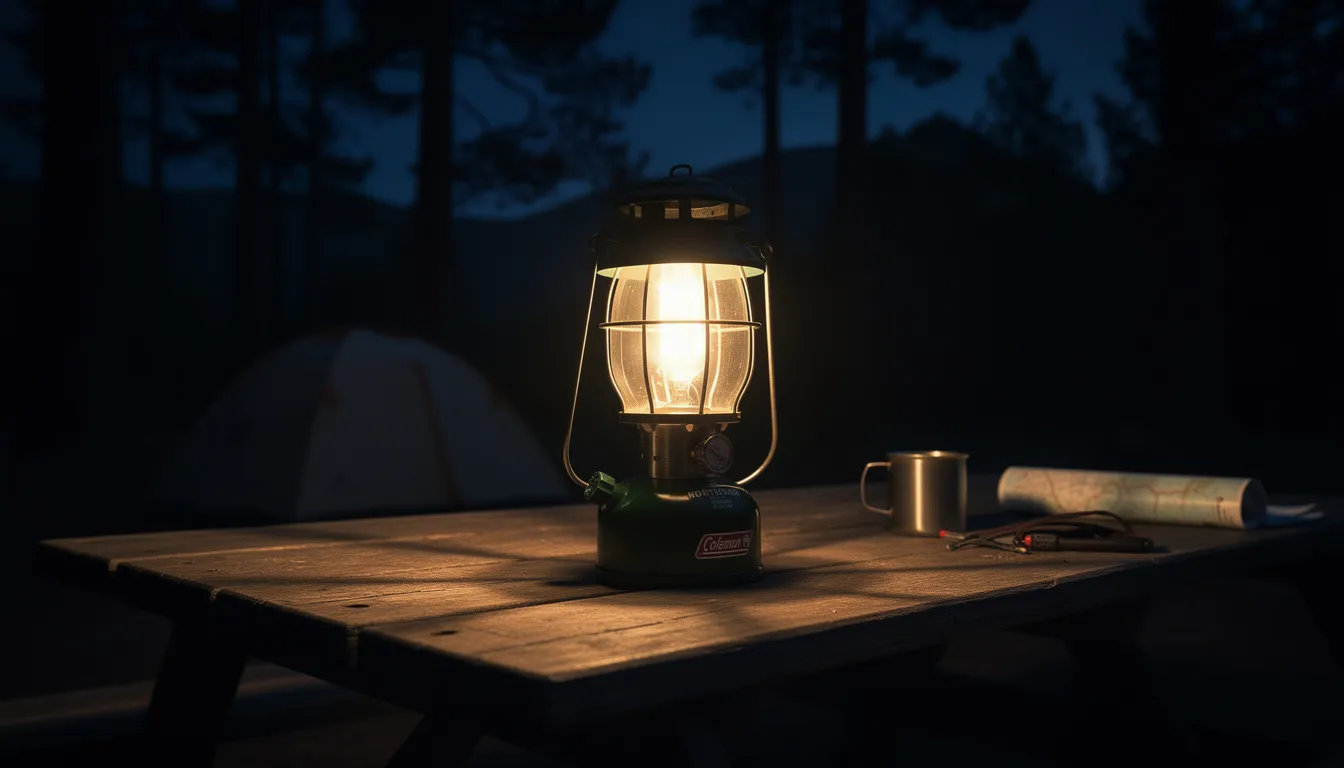
The Coleman Northstar is our top pick for most campers, delivering an impressive 1540 lumens of crisp white light capable of illuminating even the largest campsites. This coleman lantern boasts InstaStart ignition technology, eliminating the need for matches and ensuring reliable lighting in all weather conditions.
Its dual mantle design provides superior light distribution compared to single-mantle models, creating bright, even illumination perfect for cooking, reading, or socializing around camp. The PerfectFlow fuel system maintains consistent fuel delivery, ensuring stable brightness throughout its 4-hour runtime on high or up to 9 hours on lower settings.
Key Features:
- 1540 lumens output from dual mantles
- InstaStart matchless ignition system
- Adjustable brightness controls offering multiple light modes
- Protective carrying case included for easy transport
- Sturdy base design for stable placement on tables or uneven surfaces
- Compatible with standard 1-pound propane cylinders
Pros:
- Maximum brightness in our testing
- Reliable ignition even in cold or wet conditions
- Ideal for large group camping and car camping
- Durable construction built for rugged outdoor use
- Easy mantle replacement with parts sold separately
Cons:
- Heavier and bulkier than compact lantern alternatives
- Higher fuel consumption when used on high settings
- Some users report a loose top bolt design flaw
- Not suitable for backpacking due to size and weight
Best for: Car camping, RV use, large group camping, and trips where maximum illumination and durability are priorities. This coleman lantern is especially well-suited for midwest fishing excursions and extended outdoor stays where bright, high-quality light is essential.

Best Value: Coleman QuickPack Deluxe Propane Lantern
The Coleman QuickPack Deluxe offers excellent value, delivering 1000 lumens of bright, reliable light at an affordable price. This standard propane lantern features PerfectFlow technology for consistent fuel delivery and a dual-mantle design that attaches directly to 1-pound propane cylinders.
Its compact size makes it a great choice for weekend camping trips, providing ample light for most camping needs. The traditional match lighting system is simple and dependable, though it lacks the convenience of the InstaStart ignition found on premium models.
Key Features:
- 1000 lumens output from two mantles
- Direct propane cylinder attachment for easy setup
- PerfectFlow technology ensures steady fuel flow and brightness
- Compact and lightweight design for easy transport and storage
- Traditional match lighting ignition system
- Run time up to 13 hours on low settings for extended use
Pros:
- Outstanding price-to-performance ratio
- Reliable performance across various weather conditions
- Easy setup with direct tank mounting
- Good fuel efficiency for longer trips
- Proven track record of durability
Cons:
- Smaller size means it can be misplaced easily
- Moderate brightness compared to higher-end models
- Requires matches or lighter for ignition
- No carrying case included
Best for: Budget-conscious campers, weekend warriors, and anyone seeking dependable performance without premium features. This new lantern is perfect for occasional use and smaller group camping.

Best Compact: Docooler Mini Portable Camping Lantern
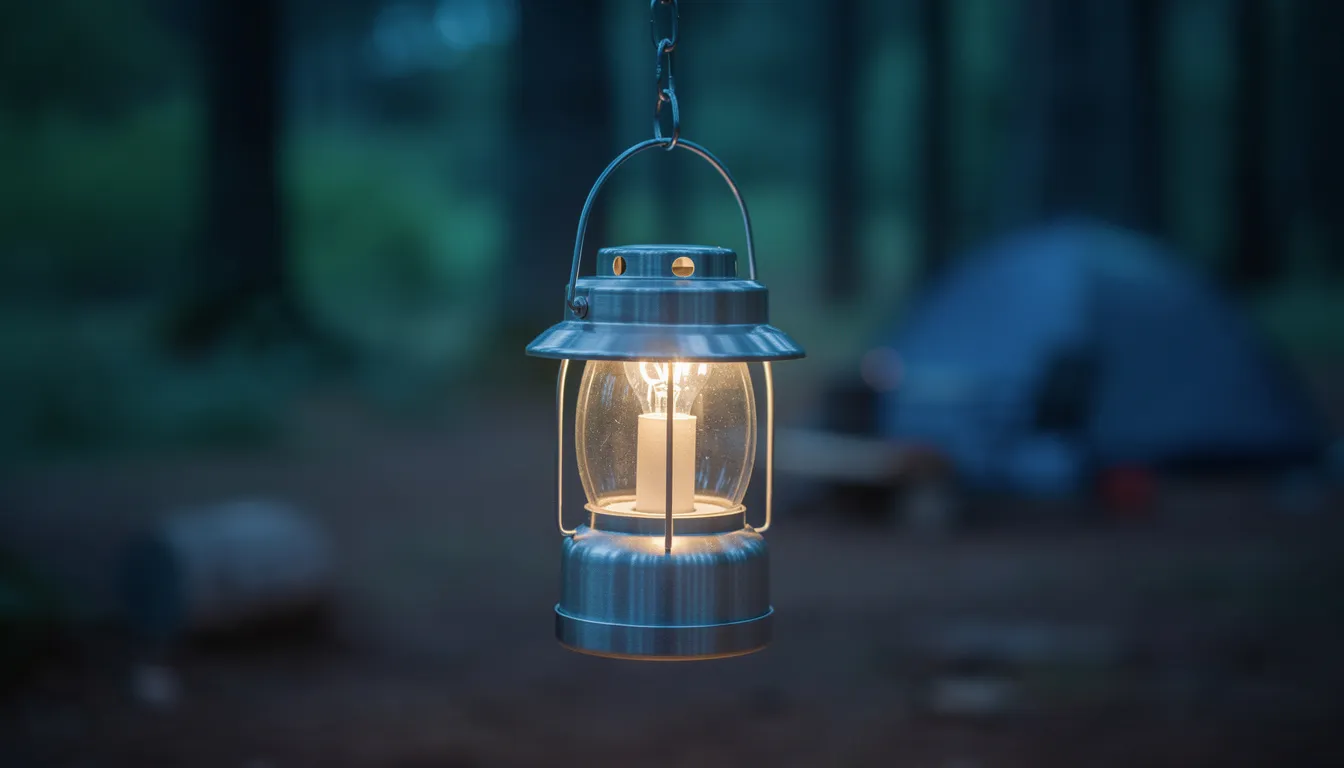
For campers who prioritize portability without sacrificing brightness, the Docooler Mini offers impressive illumination in an ultra-compact package. Standing just 6 inches tall, this lantern features durable aluminum and nickel alloy construction with a shatterproof glass globe designed to withstand rugged outdoor use.
Its lightweight chain allows for versatile hanging options, while the sturdy materials ensure dependable performance for years. Despite its small size, it delivers strong illumination suitable for solo camping or small group activities.
Key Features:
- Aluminum and nickel alloy construction for durability
- Shatterproof glass globe protects the mantle
- Compact 6-inch height maximizes portability
- Lightweight chain for easy hanging
- Strong light output relative to size
- Direct propane cylinder attachment for convenience
Pros:
- Extremely portable and lightweight
- Durable materials resist damage and wear
- Affordable price point
- Easy to pack and store in small spaces
- Good brightness for its size
Cons:
- No stand included for table placement
- Limited coverage area due to compact size
- Shorter run time compared to larger lanterns
- Basic ignition system only
For staying warm on your camping trips, consider checking out the best tent heaters for camping.
Best for: Backpackers, solo campers, emergency lighting, and situations where minimizing weight and pack space is critical.

Best for Ambiance: Primus Micron Lantern
The Primus Micron takes a unique approach by using the same fuel canisters as backpacking stoves, simplifying gear and improving fuel efficiency. Its piezoelectric starter eliminates the need for matches or lighters, while the 24-hour runtime on low settings offers exceptional fuel economy.
This lantern excels at creating atmospheric lighting for outdoor dining or romantic camping trips, providing gentle warmth along with a soft, inviting flame. Sharing fuel with cooking stoves makes it an excellent choice for minimalist campers aiming to reduce gear complexity.
Key Features:
- Compatible with iso-butane fuel canisters used by backpacking stoves
- Piezoelectric ignition system for easy lighting without matches
- 24-hour runtime on low setting for extended use
- Produces heat in addition to light
- Compact design ideal for backpacking
- Atmospheric flame lighting adds ambiance
Pros:
- Extremely long run time on low settings
- Shares fuel with other camping devices
- Creates romantic, warm ambiance
- No need for external ignition tools
- Provides gentle warmth on cool nights
Cons:
- Not waterproof; not suited for rainy conditions
- Noisy operation compared to other lanterns
- Requires extra mantles (sold separately)
- Lower brightness than Coleman propane models
Best for: Outdoor dining, romantic camping, fuel efficiency enthusiasts, and backpackers seeking to minimize gear.

Best Emergency Option: Snow Peak Mini Flame Lantern
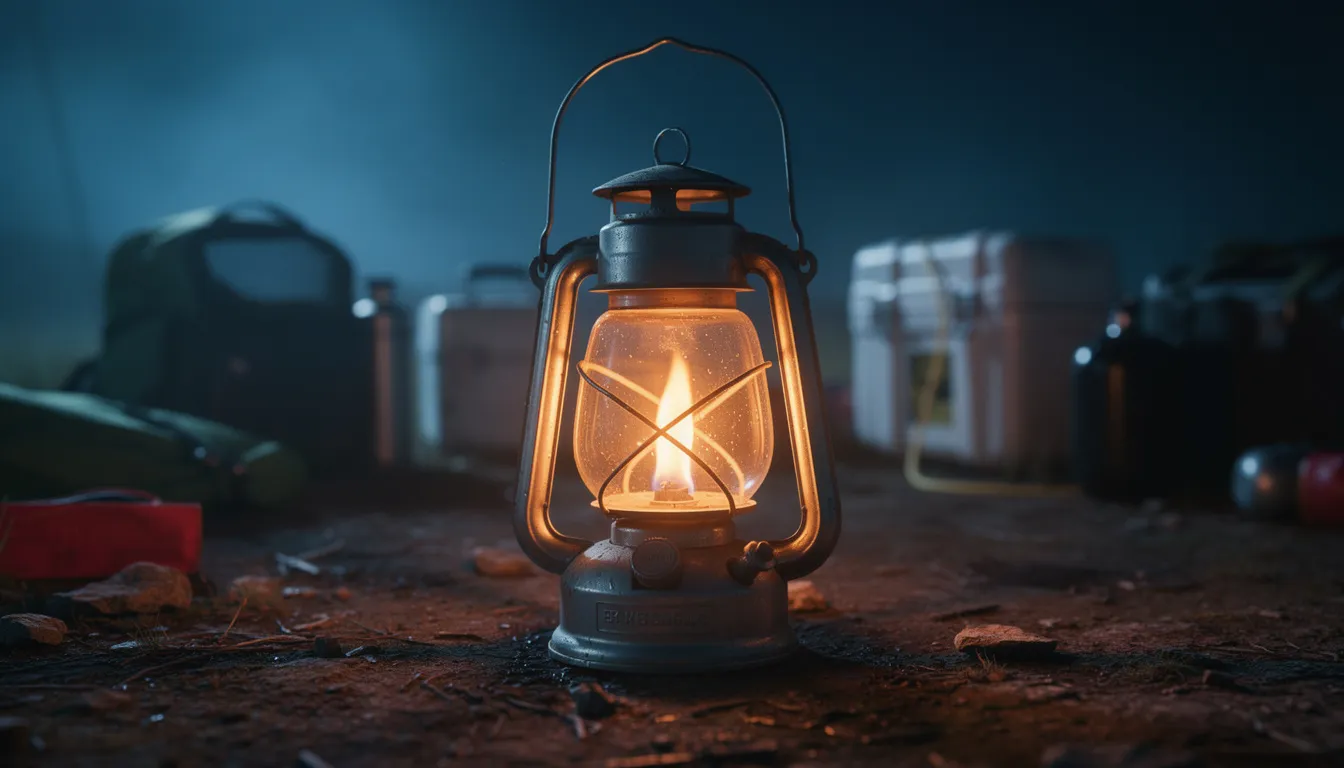
When long runtime is more important than brightness, the Snow Peak Mini Flame shines with an impressive 71-hour burn time on iso-butane fuel. This lantern is an excellent addition to emergency supplies or for using up partially consumed fuel canisters from cooking stoves.
Its candle-like flame offers soft, ambient lighting perfect for conserving fuel during emergencies. While not bright enough to light large areas, it provides sufficient illumination for basic tasks and adds a comforting presence during power outages or natural disasters.
Key Features:
- 71-hour runtime on iso-butane fuel for extended use
- Soft, candle-like flame creates atmospheric lighting
- Ultra-lightweight and compact design
- Ideal for finishing fuel canisters
- Simple, reliable operation without complex ignition
Pros:
- Exceptional runtime for emergency preparedness
- Creates cozy ambiance
- Fuel-efficient operation
- Lightweight and easy to pack
- Perfect for long-term outdoor use
Cons:
- Very low light output compared to other lanterns
- Limited brightness settings
- Not suitable for task lighting
- Premium price for basic features
Best for: Emergency kits, romantic ambiance, fuel conservation, and as a backup light source for extended outdoor adventures.

Propane Lantern Buying Guide
Brightness and Light Output
Understanding lumens is key to selecting the right lantern brightness for your needs. Most propane lanterns range from 500 to 1540 lumens, with 1000 lumens providing ample light for typical camping activities—roughly equivalent to a 60-watt household bulb.
Single-mantle lanterns generally produce 500-800 lumens, suitable for small campsites or intimate gatherings. Dual-mantle designs like the Coleman Northstar can reach 1540 lumens, illuminating large areas far beyond what most LED lanterns can provide. For context, 1500+ lumens is enough to light a large campsite, facilitating group activities, cooking, and safe movement after dark.
Compared to battery-operated lanterns, even basic propane models outperform premium LED alternatives. Standard battery-operated lanterns rarely exceed 360 lumens, while gas-powered models can reach 860 lumens or more, with propane lanterns topping the scale.
Runtime and Fuel Efficiency
Fuel consumption varies based on brightness settings and mantle configuration. A standard propane lantern running on high typically consumes a 1-pound propane cylinder in 4 to 7 hours, while low settings can extend runtime to 13 to 24 hours depending on the model.
Propane cylinder costs vary by location—from as low as $1.84 at wholesale clubs to $8.00 at remote convenience stores. Frequent campers benefit from refillable tanks, which reduce operating costs to approximately $0.20 to $0.50 per hour, making propane lanterns cost-effective compared to disposable batteries required by rechargeable alternatives.
Consider your camping patterns when evaluating fuel efficiency. Weekend campers may prefer disposable cylinders, while extended outdoor enthusiasts will appreciate refillable systems and bulk fuel purchases.
Essential Features to Consider
Modern propane lanterns include several convenience features that enhance usability. InstaStart ignition eliminates the need for matches, crucial in windy or wet conditions. PerfectFlow technology maintains consistent fuel delivery, preventing flickering and ensuring steady brightness.
Adjustable brightness controls let you balance illumination needs with fuel conservation. Many models offer multiple light modes—from high for cooking and setup to low for ambient lighting and extended runtime.
Protective features like shatterproof glass globes guard against damage during transport, while carrying cases protect mantles and ignition components. Some lanterns offer water resistance ratings, though most are designed for outdoor use under shelter rather than direct rain exposure.
Size and Portability
Propane lanterns vary from compact 6-inch models to standard 12-inch designs. Compact lanterns prioritize portability for backpacking, while standard sizes maximize light output and fuel capacity for car camping.
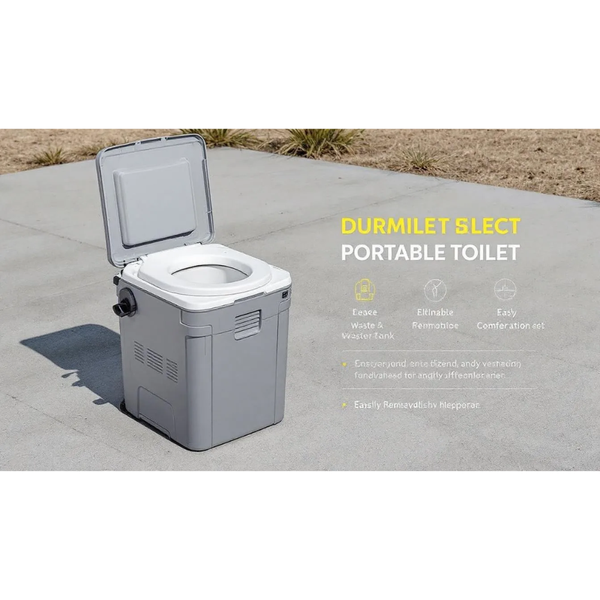
Direct tank attachment models eliminate separate bases, creating a more compact setup ideal for table use. Separate base designs often provide better stability and allow the lantern to stand independently. For other essential gear, such as portable toilets for camping, consider choosing models that ensure comfort and convenience outdoors.
Consider your transportation method when choosing size. Car campers can accommodate larger, brighter lanterns, while backpackers need compact options that pack efficiently with other gear.
Safety Considerations for Propane Lanterns
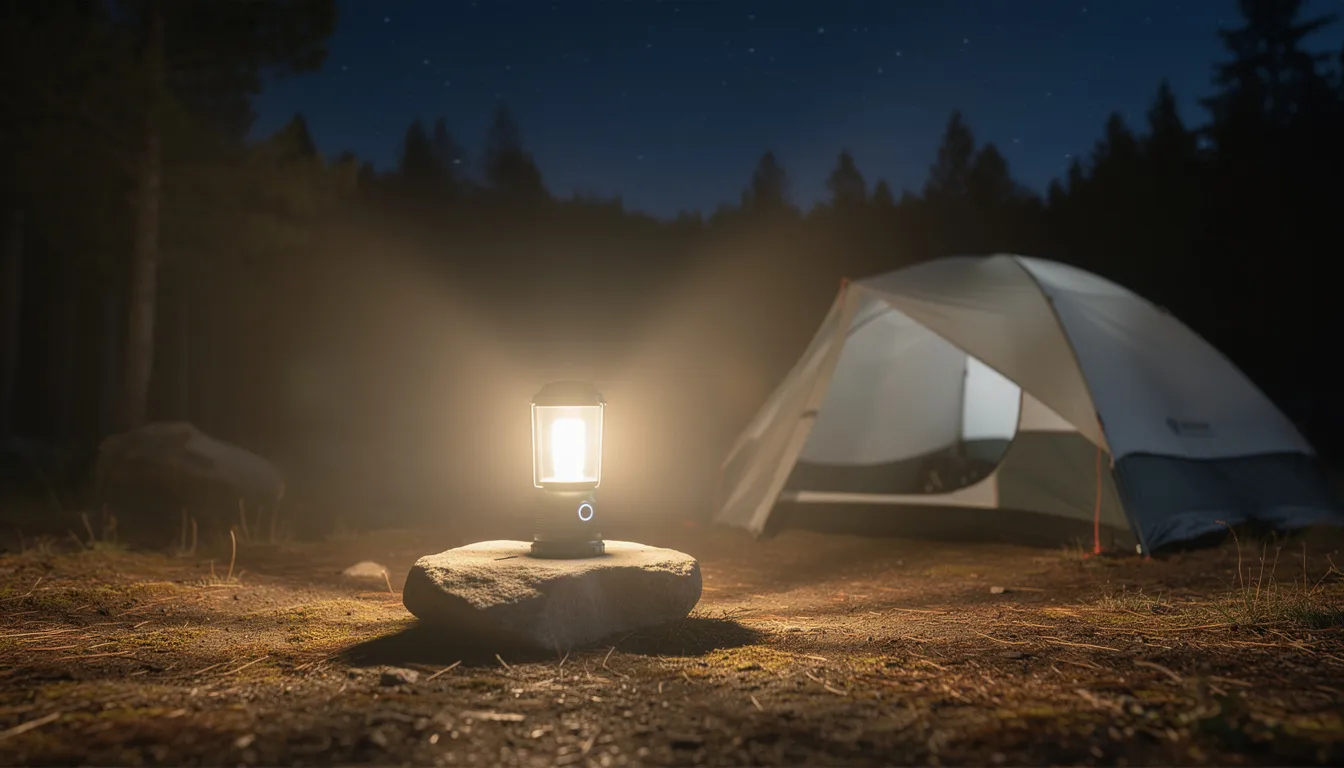
Outdoor Use Only — Never operate propane lanterns indoors, inside tents, RVs, or any enclosed space. The flame consumes oxygen and produces carbon monoxide, which can be fatal in confined areas. Always ensure proper ventilation and use your lantern only in open air.
Unlike battery-operated lanterns safe for tent use, propane models must remain outside. If you need light inside your tent, consider LED or battery-powered alternatives that don’t emit combustion gases.
Safe Ignition Procedures — Always connect the propane cylinder before ignition, and ensure the valve is closed when attaching fuel. Light the lantern immediately after opening the gas valve to prevent propane buildup. Keep your face and hands clear when igniting.
Fuel Handling — Store propane cylinders upright and away from heat sources. Check connections for leaks using soapy water before each use. Transport fuel cylinders securely to prevent valve damage.
Mantle Maintenance — Inspect mantles before each trip, as damaged mantles can cause uneven heating and safety hazards. Replace worn mantles promptly, as they become brittle and may collapse during use.
Maintenance and Replacement Parts
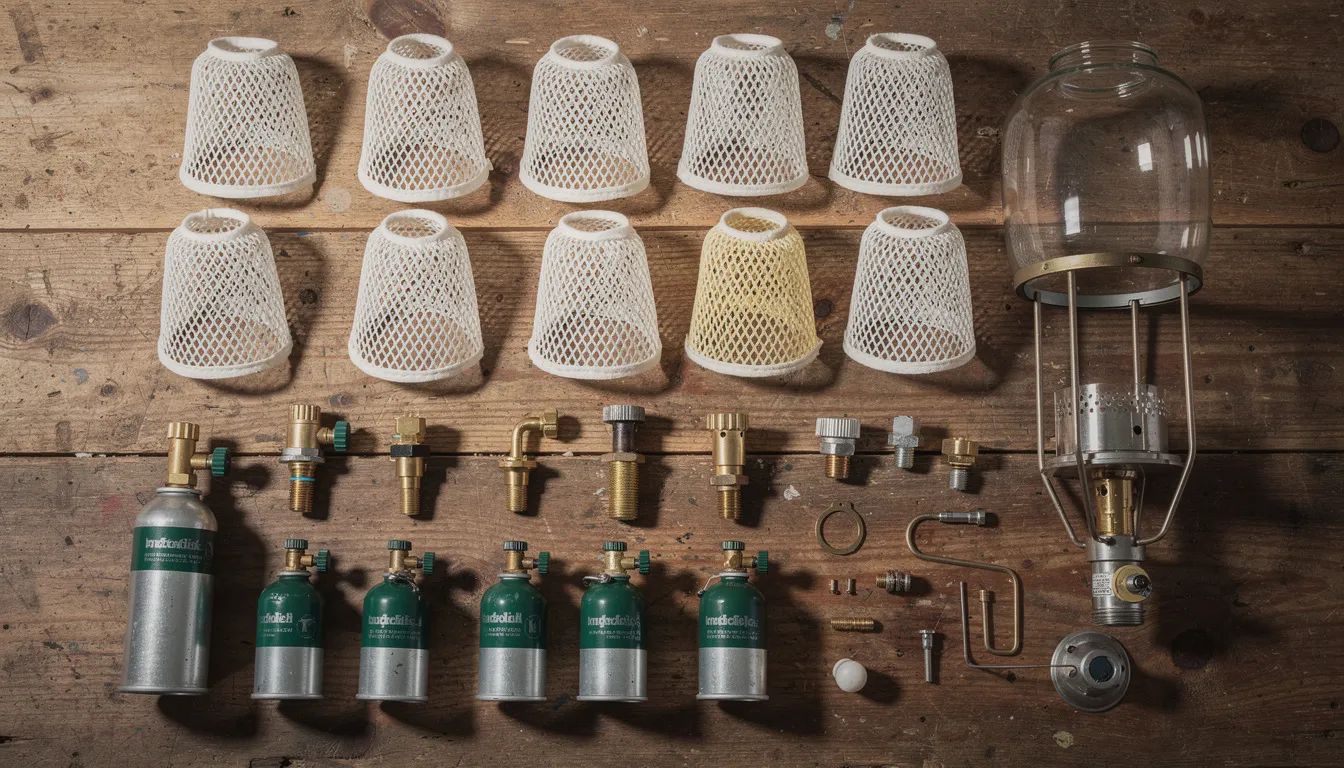
Proper maintenance ensures your propane lantern provides reliable service for years. Mantles typically last from one month to a year depending on usage and care, with gentle handling extending their lifespan.
Replacement mantles cost around $6 to $7 each, with bulk purchases offering savings for frequent users. Always carry spare mantles, as they are fragile and can break during transport or use. Most manufacturers offer refill kits including mantles, globes, and other consumable parts.
Before each camping trip, inspect your lantern for damage to the globe, mantles, and fuel connections. Clean the globe with mild soap and water, avoiding harsh chemicals that can weaken glass. Store your lantern in its carrying case or wrap it carefully to prevent damage during transport.
Regularly clean the fuel valve and ignition system to prevent buildup affecting performance. Use compressed air to clear gas passages and lubricate moving parts per manufacturer recommendations.
Propane vs Other Camping Lantern Types
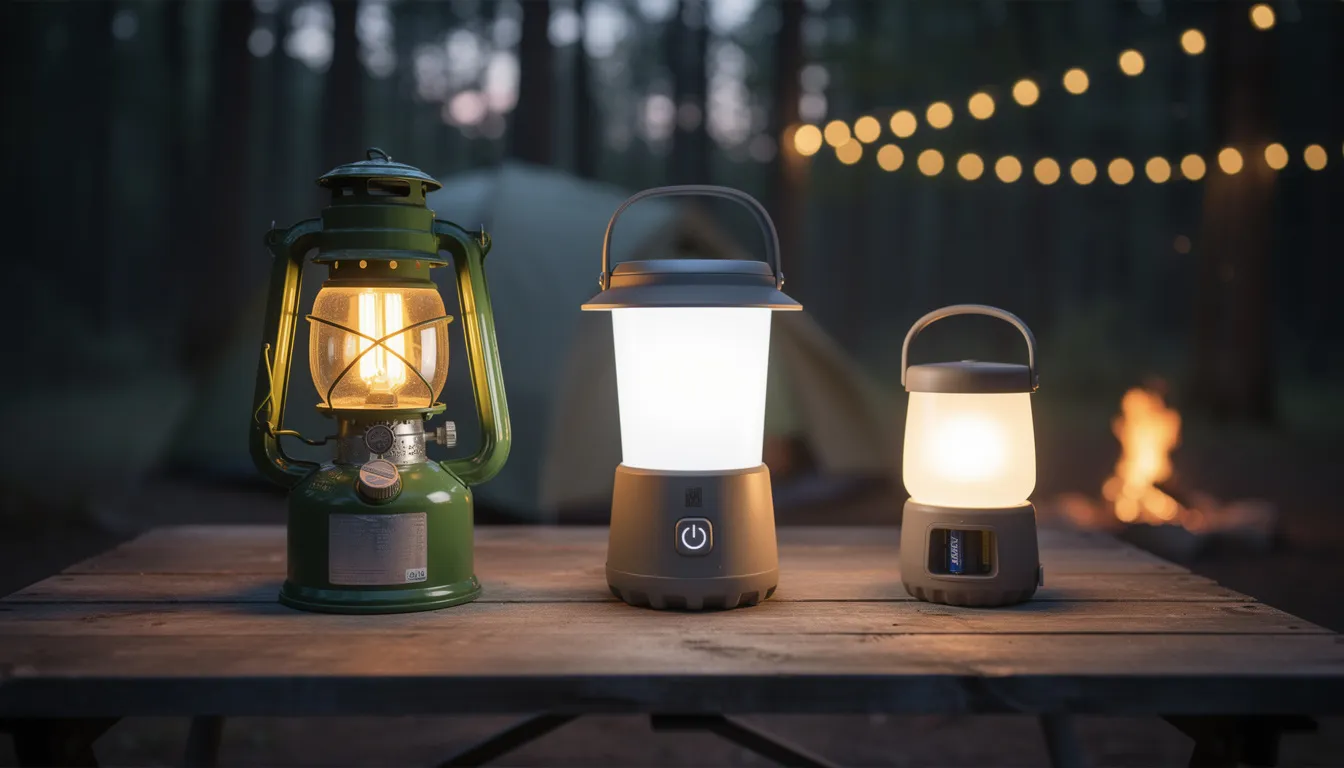
Understanding the strengths and limitations of each fuel source helps you choose the right lighting for your needs. Propane lanterns excel in brightness and runtime but require outdoor use and fuel management.
Brightness Comparison:
- Propane lanterns: 500–1540 lumens
- LED lanterns: 50–360 lumens
- Battery-operated lanterns: 100–500 lumens
- Solar-powered models: 50–200 lumens
Operating Costs:
- Propane: $0.20–1.50 per hour depending on fuel source and pricing
- Rechargeable batteries: $0.10–0.30 per hour including electricity costs
- Disposable batteries: $2.00–5.00 per hour for high-output models
- Solar panel models: Free operation after initial investment
Convenience Factors: LED and battery-operated lanterns offer superior convenience for tent use and don’t require fuel management. However, they can’t match the brightness of propane models for illuminating large areas. Rechargeable options work well for short trips but may not provide long battery life for extended camping.
Solar-powered lanterns eliminate fuel costs but depend on sun exposure for recharging and typically provide limited brightness. They work well as backup lighting but aren’t ideal as primary illumination for most camping activities.
Best Use Cases:
- Propane: Car camping, large groups, maximum brightness needs
- LED/Battery: Tent lighting, backpacking, convenience prioritized
- Solar: Emergency backup, eco-conscious camping, remote areas
- Combination approach: Many campers use propane for main area lighting and LED for tent or personal use
Frequently Asked Questions
How long do propane lantern mantles typically last?
Mantles usually last from one month to one year depending on usage frequency and care. Frequent campers may need to replace mantles monthly, while occasional users can expect 6 to 12 months of service. Avoid touching hot mantles and handle them gently during transport to extend lifespan. Always carry spare mantles as they can break unexpectedly.
Can I use my propane lantern inside my tent or RV?
Never use propane lanterns indoors, in tents, RVs, or enclosed spaces. The flame consumes oxygen and produces carbon monoxide, which can be deadly in confined areas. Even well-ventilated RVs pose risks due to gas concentration. For indoor lighting, use battery-operated or LED lanterns that don’t produce combustion gases.
What’s the difference between single and double-mantle propane lanterns?
Single-mantle lanterns typically produce 500–800 lumens and consume less fuel, suitable for small campsites or solo camping. Dual-mantle designs like Coleman models can reach 1540 lumens, illuminating large areas for group camping. Double-mantle lanterns consume more fuel but offer significantly better light distribution and brightness.
How much does it cost to operate a propane lantern per hour?
Operating costs vary from $0.20 to $8.00 per hour depending on fuel source and location. Refillable propane tanks cost approximately $0.20–0.50 per hour, while disposable 1-pound cylinders can cost $1.00–2.00 per hour at retail prices. Remote locations may charge more, making refillable systems essential for frequent campers.
Are refillable propane tanks worth the investment for camping?
For frequent campers, refillable tanks offer substantial savings and reduce waste from disposable cylinders. A 20-pound tank costs $15–25 to refill and provides the equivalent of 20 disposable 1-pound cylinders. The initial investment in a refill kit and adapter typically pays off after 5–10 camping trips and reduces environmental impact.

Member discussion