
Key Takeaways
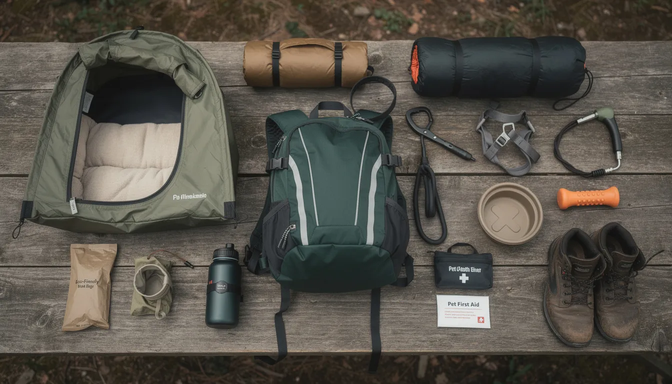
- Every camping trip with pets requires five non-negotiables: a secure harness and leash, reliable sleeping setup, collapsible food and water bowls, a safety light or LED collar, and a compact pet first aid kit.
- This guide covers both dogs and cats, with separate callouts for species-specific gear like litter boxes versus poop bags and cat enclosures versus tie outs.
- We prioritize safety (visibility, containment, first aid), comfort (beds, jackets, shade), and practicality (packability, durability, easy cleaning) as the three pillars for choosing the right dog camping gear.
- All product recommendations point to top-rated Amazon picks with 4.2+ star ratings and proven real-world performance—not just backyard testing.
- Start with essential safety gear and build your kit over time rather than buying everything at once before your first camping adventure.
While our brand mainly reviews human outdoor gear, we apply the same durability and value criteria when recommending pet camping items. If it can’t survive a wet weekend in the Cascades or a dusty week in Utah, it doesn’t make the list.
Must-Have Pet Camping Safety Gear
Before you think about bowls and toys, safety gear like harnesses, leashes, seat-belt tethers, and lights are non-negotiable for every pet on every camping trip. Your dog’s safety and your cat’s security start with equipment designed to keep them contained, visible, and protected.
Escape-Proof Harnesses
- For dogs: Look for adventure-style harnesses with front and back attachment points, reflective piping, and adjustable belly straps. Kurgo-style designs distribute pressure across the chest to curb pulling, while padded straps prevent chafing during all-day wear. Size based on girth measurement (typically behind the front legs) and weight.
- For cats: H-style or vest harnesses similar to the PetSafe Come With Me Kitty use soft nylon and fit snugly enough to prevent escape attempts. Pair with a bungee leash that absorbs sudden jerks when your cat spots a bird and bolts.
- Pro tip: Test harnesses at home for at least a week before your trip. Dogs and cats both need time to adjust, and you’ll catch any sizing issues before they become campsite escapes.
Seat-Belt Tethers for the Drive
- A crash-tested or load-tested seat-belt tether clips into your car’s belt buckle or LATCH system, securing your pet during the drive.
- Studies on crash-tested kennels show they withstand 30 mph frontal crashes—your seat-belt tether should meet similar standards.
- Securing pets prevents driver distraction and protects them during sudden braking on winding forest roads. Motion sickness affects 20-30% of traveling dogs, and secure positioning helps reduce symptoms.
ID Tags, Microchips, and Updated Info
- Confirm your pet’s microchip registry info is current before every trip—an old phone number or address won’t help if your dog gets loose at a remote campsite.
- Use a durable engraved id tag with your current mobile number. Some campers add the campground name or site number for longer stays.
- Consider a secondary tag with “REWARD” and your destination area if camping in regions with spotty cell service.
Night Visibility Gear
- Rechargeable LED collar lights or clip-on safety lights keep your dog visible during nighttime bathroom breaks and early morning walks. Look for models with 8+ hour run times and waterproof housings.
- For cats on harnesses, small clip lights attach to D-rings without adding uncomfortable weight.
- Color options matter: steady red or white lights work for low light conditions on trails, while flashing modes increase visibility near roads.
- Waterproof housings are essential for early-season trips when dew, rain, and creek crossings are common.
Compact Pet First Aid Kit
Every camping experience should include a dedicated pet first aid kit stored in the same dry bag as your human first aid kit so it’s always packed.
Essential contents:
- Gauze pads and rolls
- Antiseptic wipes (pet-safe formulation)
- Self-adhesive wrap (doesn’t stick to fur)
- Tweezers and tick remover tool
- Small scissors with rounded tips
- Styptic powder for nail injuries
- Paw balm for cracked pads
- Emergency contact card with your vet’s number and the nearest emergency vet along your route
- Any necessary medications your pet takes regularly
Comfortable Sleeping Gear for Dogs and Cats
Dog-Specific Sleeping Setups
- Insulated sleeping bags: Look for dog sleeping bag designs similar to the Whyld River Original with zippers, adjustable hoods, and straps that tether to sleeping mats. Medium sizes weigh around 1.5 pounds for backpackers and provide warmth down to 20°F when layered properly.
- Inflatable or foldable sleeping pads: The Klymit Moon Dog Mat and similar options use durable 75-denier fabric that resists punctures from dog nails. Inflatable pads elevate pets 2-3 inches off the ground and retain up to 90% more heat than flat pads. R-values around 2.5 work for three-season camping.
- Foam alternatives: For older dogs with joint issues, static foam beds like the RecoveryZone Couch Bed offer 5-inch Serene Foam support. They’re bulkier (around 8 pounds) but provide consistent joint relief during chilly nights.
Food, Water & Storage: Feeding Pets at the Campsite
Predictable feeding routines and clean water prevent both tummy issues and wildlife encounters at camp. Providing food the right way makes all the difference between a relaxed camping adventure and a chaotic mess that attracts bears.
Collapsible Food and Water Bowls
- Silicone collapsible bowls with carabiners (2–3 cup capacity for dogs, smaller for cats) clip to a daypack for hikes and flatten for pack storage.
- Benefits: lightweight, BPA-free, easy to rinse, available in bright colors so you won’t lose them in dirt or leaves.
- The Sea to Summit Frontier Ultralight features a rigid base for stability with dishwasher-safe silicone that folds to pocket size.
- The CTUG variant uniquely rolls shut to secure leftovers—crucial for free-feeding dogs in wildlife-prone areas.
Food Storage
- Roll-down fabric food storage bags or hard-sided containers should be at least odor-reducing. Bear-resistant canisters are required in parts of California, Wyoming, and Montana—check regulations before your trip.
- Scent-proof drybags are essential since odors can draw grizzlies from miles away.
- Pack 1–2 extra days of food for active trips. Dogs burn more calories hiking rough terrain than lounging at home.
- Don’t switch food brands right before a long weekend away—stick with familiar nutrition to avoid digestive issues.
Treats and Enrichment Feeding
- Puzzle feeders or rubber chew toys (cone or ball-style that stuff with kibble or peanut butter) keep dogs busy while humans cook and set up camp. Bring your dog’s favorite toys for downtime.
- Water Strategy
- Always carry pet water in a separate bottle or hydration bladder. Never rely on streams unless filtered—Giardia risk is real and will ruin your trip.
- Bottles like the Springland Flip dispense without spills and recapture unused water, saving 20-30% on multi-day trips.
- Plan on at least 1–1.5 liters of water per medium-sized dog for a warm summer day of hiking, plus extra for evenings at camp.
- Large dog breeds may need significantly more, especially on hot surfaces or during strenuous hikes.
Dog Hitching Systems and Tie Outs
- Campsite hitching lines (similar to the Ruffwear Knot-a-Hitch style) run between two trees or a vehicle, allowing a dog to move along the line without tangling in gear, tent lines, or fire pits.
- Backup option: simple steel stake with a coated cable for sites without suitable anchor points. These tie outs work on most soil types and give your pup room to explore while you handle camp chores.
- Position hitching points away from cooking areas and neighbor boundaries.
Dog-Friendly Tents and Vestibules
What makes a dog tent or general tent pet-friendly:
- Tough floor fabric (70D or higher) that resists claw punctures
- Spacious vestibule for muddy paws and wet gear
- Good ventilation to manage pet odors and humidity
- Enough room for a dog bed plus humans without everyone piling on top of each other
Pro tips:
- Use a footprint or extra groundsheet to protect tent floors from claws
- Keep all food out of the sleeping area in bear country
- Consider a tent with two doors so dogs can exit for bathroom breaks without climbing over sleeping humans
Manners and Noise Control
- Interactive toys and durable chews reduce barking and crying at night. Avoid squeaky toys that annoy other campers during quiet hours.
- Place crates or beds away from tent walls that directly face neighboring campsites.
- Practice “settle” commands at home before expecting calm behavior in exciting new environments.
Test everything at home first: Set up crates, fences, and enclosures in your backyard overnight before the first real campsite night. Surprise escapes happen most often when gear is unfamiliar to both you and your pet.
Weather Protection & Trail Gear for Active Pets
Weather swings and rough terrain demand specific hiking gear: jackets, booties, cooling solutions, and sun shade. Spring and fall trips especially require layers since temperatures can swing 30+ degrees between afternoon highs and overnight lows.
Insulating Jackets and Layering
- Weather-resistant dog jackets with reflective piping work for shoulder-season trips (April, May, September, October). Look for adjustable belly straps and harness access zippers so you don’t have to remove the jacket for leash attachment.
- Small or short-coated dogs may need a jacket even for summer high-elevation camping where nights drop into the 40s.
- A doggy raincoat adds water protection during Pacific Northwest trips or monsoon season in the Southwest.
- Puffy blankets like the Rumpl Original use 100% recycled polyester fill and double as human-pet shared covers in the tent.
Booties and Paw Protection
- Rugged dog boots similar to Ruffwear Grip Trex protect your dog’s paws on rocky trails, hot pavement, and desert sand.
- Fit tips: measure paw width at the widest point, allow break-in time (short walks at home), and watch for rubbing between toes.
- Paw balms work as a lighter alternative for mellow terrain or for cats that won’t tolerate booties.
- Hot surfaces like sun-baked rocks and asphalt can burn paw pads in seconds—if you can’t hold your hand on the surface for 5 seconds, it’s too hot for paws.
Cooling and Shade
- Cooling bandanas or evaporative cooling vests work for hot, dry climates where evaporation actually functions.
- Portable shade shelters let pets and humans share covered space during peak sun hours.
- Avoid midday hikes with dark-coated or brachycephalic breeds (bulldogs, pugs, boxers) and watch for heat stress signs: excessive panting, drooling, stumbling.
- Keep duct tape in your repair kit—it fixes everything from torn tent mesh to cracked water bottles in emergencies.
Trail-Specific Gear
- Lightweight, padded dog backpacks (like the Ruffwear Palisades) let dogs carry 10-15% of their body weight in water, poop bags, or toys on day hikes. Not recommended for young puppies or dogs with joint issues.
- For cats, secure backpack carriers with generous ventilation windows and internal tether points allow trail access without risk of escape. The Lollimeow and similar carriers provide clear bubbles for stimulation without stress.
Real-world example: Early October camping in Colorado means 60°F afternoons and 25°F nights at elevation. Your dog needs a jacket for evening campfire time and a proper sleeping bag for overnight. July desert car camping flips the script—cooling vest during the day, light sleep cover at night, and strict midday shade breaks.
Dog Waste Management
- Pack plenty of sturdy poop bags—more than you think you’ll need. Wind, unexpected bathroom breaks, and multi-day trips burn through supplies fast.
- Carry a small, sealable waste container or odor-blocking pouch for walks away from camp. Dog poop sitting in a thin bag in your pocket is unpleasant and can attract wildlife.
- Many developed campgrounds require full pack-out of the dog’s waste. Check in-park regulations before arrival—national parks especially have strict rules.
- For backcountry trips, bury waste in catholes 6-8 inches deep and 200 feet from water, trails, and campsites if regulations allow. When in doubt, pack it out.
Cat Litter and Disposal
- Lightweight, biodegradable litter and disposable or collapsible litter boxes (like the Kitty’s WonderBox style) work for tent and RV camping.
- Dispose of used litter in trash—never bury or scatter it. Cat waste contains parasites that don’t break down like wild animal waste.
- Minimize odors in small living spaces by scooping frequently and storing used litter in sealed bags until you can reach a proper trash receptacle.
Noise, Wildlife, and Other Campers
- Keep pets leashed where required. Double check regulations—many areas require leashes 6 feet or shorter.
- Never leave dogs tied up and unattended. Barking, wildlife encounters, and escape attempts all happen when you’re not watching.
- Curb barking during quiet hours (typically 10pm-6am at most campgrounds).
- Don’t allow pets to enter others’ campsites without permission. Your friendly dog isn’t everyone’s friend.
Leave No Trace Principles for Pets
- Dispose of waste properly: Pack out all pet waste or bury according to regulations.
- Protect water sources: Keep pets 200 feet away from lakes and streams when washing or allowing bathroom breaks.
- Respect wildlife: Don’t allow chasing of squirrels, deer, or other wildlife. It stresses wild animals and can trigger defensive responses.
- Keep campsites tidy: Store pet food securely, clean up food spills, and leave sites cleaner than you found them.
Some public lands have strict leash and trail rules. Research each destination’s pet policy a week before your trip and have a backup plan if rules change due to wildlife activity like bear activity or nesting birds.
Planning Your First Pet-Friendly Camping Trip
Ready to transform your camping experience with your furry friend? Here’s a step-by-step pre-trip checklist tailored for your first or second overnight between late spring and early fall. Planning ahead prevents the chaos that sends first-timers home early.
Choosing a Pet-Friendly Campsite
- Use booking filters like “pets allowed” and read recent reviews specifically mentioning dogs or cats. Many state parks and private campgrounds list dog rules clearly online.
- Start with drive-in, serviced campgrounds (bathrooms, potable water, easy access) within 1–3 hours of home for your first outing.
- Avoid sites near cliffs, fast water, or heavy wildlife corridors for initial trips.
- Look for shaded sites if traveling during summer months.
Trial Runs at Home
- Set up the tent, crate, and enclosures in your backyard.
- Have your pet sleep in their camp bed overnight at least once.
- Do a “mock camp” evening with cooking outside, using the camping dishes, and following trip routines.
- This reveals gear problems and anxiety issues before you’re hours from home.
Packing and Organizing Pet Gear
- Use a dedicated pet gear tote or duffel with labeled pouches (food, meds, walk gear, sleep gear, toys) to speed up packing.
- Include backups: spare leash, extra collar or harness, redundant ID tag, and a small stash of extra poop bags or litter.
- Store gear in the same bag every trip so you can grab and go.
FAQ: Pet-Friendly Camping Gear
These questions cover common concerns that go beyond the main gear recommendations, including age limits, backpacking differences, and multi-pet logistics.
What is the minimum gear I need for a one-night camping trip with my dog?
For a simple overnight within a short drive of home, you need: secure harness, standard leash plus backup, collar with ID, seat-belt tether for the car, collapsible food and water bowls, 2–3 extra meal portions, poop bags and small trash pouch, dedicated sleeping pad or bed, basic pet first aid kit, safety light or LED collar, and an absorbent towel. This covers safety, food, sleep, and waste. More gear improves comfort, but these items handle the essentials.
Can I take my cat camping, or is gear really just for dogs?
Many cats camp successfully with proper preparation. You’ll need a secure harness, leash, enclosed carrier or backpack for transport, outdoor net enclosure or pop-up tent for campsite time, travel litter box with biodegradable litter, dedicated bed, and a hiding spot inside the main tent or RV. Start with short trips to quiet campgrounds and keep cats fully enclosed or on harness at all times—no off-leash roaming, even if they’re indoor/outdoor at home. Cats require enclosed space to feel secure, unlike dogs who often adapt more quickly to open environments.
How old should my pet be before I take them camping?
Wait until puppies and kittens are fully vaccinated (usually around 16 weeks for basic vaccines) before visiting public campgrounds where they’ll encounter other animals and environmental pathogens. Very young or senior pets may not tolerate long hikes, chilly nights, or heat. Consult your vet before planning trips with puppies under 6 months, seniors over 10 years, or pets with chronic conditions. Choose mild weather and keep early trips short and close to home.
What’s different about backpacking with a pet vs. car camping?
Backpacking demands lighter, more compact gear: ultralight collapsible bowls, smaller first aid kits, compact sleeping pads, and carefully measured food to manage pack weight. Your dog can carry a portion of their gear in a fitted pack, but pets should not carry more than 20-25% of their body weight (and only if cleared by your vet). Waste must be packed out or buried according to backcountry regulations, which are often stricter than drive-in campgrounds. Skip the heavy basecamp bowls and multi-toy entertainment—every ounce counts when you’re carrying it on your back.
How do I know if my dog actually enjoys camping?
Watch body language throughout the trip. Positive signs include: relaxed posture, curiosity about surroundings, normal appetite, willing participation in walks, and restful sleep. Stress indicators include: constant pacing, panting at rest (when not hot), hiding in the tent, non-stop barking, refusing food, or excessive whining. Start with one-night trips, keep routines familiar (same food, similar bedtime), and be willing to cut a trip short or choose cabin/RV stays if your dog consistently seems overwhelmed by tent camping. Some dogs simply aren’t outdoor enthusiasts, and that’s okay.


Member discussion