
Introduction
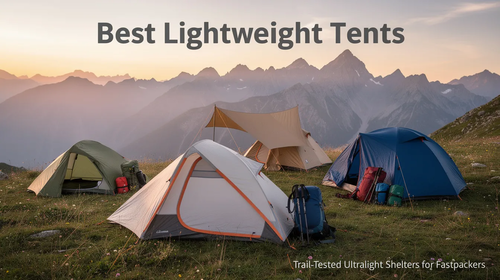
Finding the right lightweight tent can make or break your backpacking experience. Carry too much weight and you’ll be exhausted by midday. Sacrifice too much livability and you’ll dread crawling into your shelter each night. This guide is for backpackers, thru-hikers, and outdoor enthusiasts seeking the best lightweight tents for their adventures. Choosing the right lightweight tent can significantly improve your comfort and performance on the trail.
The good news? The ultralight tent market has evolved dramatically, and today’s best ultralight tents deliver impressive combinations of low weight, spacious interiors, and genuine weather protection. Whether you’re planning weekend trips or a full thru-hike on the Pacific Crest Trail, there’s a lightweight shelter designed for your specific needs.
We’ve spent months evaluating the top backpacking tent models available in 2026, testing them across varied terrain and weather conditions. Our goal was simple: identify the lightweight tents that deliver the best real-world performance for ultralight backpackers who refuse to compromise on comfort or durability.
In this comprehensive guide, you’ll find detailed reviews of seven standout tents, a clear comparison to help you narrow your choices, and practical guidance for selecting the right option based on your hiking style, budget, and the conditions you’ll face on trail.
What is an Ultralight Tent?
Ultralight tents are specifically designed to weigh two pounds or less, making them ideal for long-distance backpacking and fastpacking. These shelters can be categorized into several types, including single-wall tents, double-wall tents, tarps, and bivvy sacks. The main goal is to minimize weight while still providing adequate protection and comfort on the trail.
Weight Criteria
We focused on tents under 4 pounds that achieve genuine portability without sacrificing essential livability. For two person tent options, our sweet spot ranged from 2.1 pounds for trekking pole designs up to 3.7 pounds for bomber freestanding tents built for harsh conditions.
The minimum trail weight matters most for calculating your actual pack weight on trail. This figure excludes the stuff sack and extras you might leave home, giving you the most accurate picture of what you’ll actually carry.
Real-World Testing Conditions
We evaluated all the tents across diverse conditions including:
- Sustained rain over 24-48 hours to assess waterproof fabric performance
- Windy exposed ridges to test wind resistance and guy-out stability
- Rocky alpine terrain where tent stakes struggle to penetrate, highlighting the value of heavy-duty tent stakes that can bite into difficult ground
- Humid forest environments where condensation becomes a major concern
Evaluation Factors
Our assessment centered on five core areas:
- Setup ease: Time to pitch, intuitive design, color-coding, performance on varied terrain
- Weather resistance: Rain fly coverage, seam quality, vestibule protection, fabric durability
- Interior space: Square footage, peak height, vertical sidewalls, livability for stated capacity
- Durability: Fabric denier, pole quality, long-term wear indicators
- Value: Price relative to performance, warranty coverage, included accessories
Tent Types Considered
Before describing the tent types, here are definitions for each:
- Ultralight tent: A tent designed to weigh two pounds or less, often using advanced materials like Dyneema or silpoly to achieve a balance between weight and durability. Ultralight tents can be single-wall, double-wall, tarps, or bivvy sacks.
- Freestanding tent: A tent that can stand on its own without stakes, thanks to a pole structure that supports the tent body and gives it shape.
- Semi-freestanding tent: A tent that uses a partial pole structure to hold its shape but requires a few stakes for full stability and to stretch out the floor or vestibules.
- Trekking pole tent: A tent that relies on your trekking poles for its main structural support instead of dedicated tent poles, saving weight by using gear you already carry.
We tested across the three main design categories:
- Freestanding tents that stand without stakes via pole structures
- Semi-freestanding designs requiring minimal staking for stability
- Trekking pole supported tent options that leverage your hiking poles to save weight
Each type excels in different scenarios, and the right choice depends on your hiking style and the terrain you frequent.
Top Lightweight Tents for Backpacking
After extensive evaluation, these seven tents emerged as the top performers across different categories and use cases. Each brings distinct strengths to the table, from the versatile Big Agnes Copper Spur to specialized options for wet climates, budget-conscious hikers, and those prioritizing maximum interior space.
1. Big Agnes Copper Spur UL2
The Big Agnes Copper Spur UL2 consistently earns recognition as the best overall lightweight backpacking tent, and our testing confirms this reputation is well-deserved. At 2 pounds 10 ounces (2.9 pounds with stakes and guy lines), this freestanding tent delivers an exceptional balance of weight, space, and usability.
The high-volume architecture creates vertical sidewalls that maximize usable interior space, making the 29+ square feet feel notably roomier than competitors in the same weight class. Dual doors and vestibules eliminate the awkward climb-over when sharing with a partner, while providing generous gear storage on both sides.
Why It Stands Out
The Copper Spur achieves something rare: optimal balance of weight, space, and weather protection without requiring compromises in any single area. CleverHiker named it their top pick after testing over 140 tents, praising its comfort for both weekend backpackers and long-distance thru-hikers.
Setup is genuinely intuitive thanks to color-coded poles and a logical architecture that most users master within minutes. The double wall construction creates an air gap between the mesh tent body and rain fly, significantly reducing condensation compared to single wall tents.
Best For
Weekend backpackers and thru-hikers who want comfort without excessive weight. The Copper Spur particularly excels for couples who can split the 2.9-pound load, putting roughly 1.5 pounds in each pack.
Key Strengths
- Spacious 29+ square foot interior with vertical sidewalls
- Dual doors and vestibules providing 16+ square feet of vestibule space
- Quick, intuitive setup with color-coded DAC tent poles
- Proven durability with user reports of 500+ nights when properly maintained
- Freestanding design works on rocky terrain without perfect stake placement
- Weather tested in winds exceeding 30 mph on exposed ridges
Possible Limitations
The premium $600 price point places the Copper Spur among more expensive tents in its category. The lightweight 15-20 denier materials require careful handling—avoid dragging the tent floor across rough surfaces and carry a ground cloth for abrasive terrain. Proper seam-sealing before first use is recommended, and prolonged rain requires periodic tensioning to prevent sagging.
2. NEMO Dagger OSMO 2P
The NEMO Dagger OSMO 2P introduces groundbreaking fabric technology that addresses one of the most persistent challenges in tent design: material sag after exposure to moisture. At 3 pounds 5 ounces, it sits slightly heavier than the lightest competitors but delivers exceptional performance that justifies the weight.
The star innovation is NEMO’s OSMO fabric, a 100% recycled nylon blend that demonstrates 2.5 times less sag than traditional silnylon when wet. This translates to a tent that maintains tautness even after 48-hour downpours—a meaningful advantage for backpackers in notoriously wet regions.
Why It Stands Out
The spacious rectangular floor provides excellent square footage utilization, and the tall peak height creates a roomy interior where you can sit upright comfortably while waiting out weather. High mesh panels promote airflow, reducing interior dampness even in humid conditions.
Best For
Backpackers who frequently camp in wet climates like the Pacific Northwest, British Columbia, or anywhere rain is a constant companion. If condensation management is your primary concern, the Dagger merits serious consideration.
Key Strengths
- OSMO fabric maintains tension through multi-day rain events
- Excellent condensation management via high mesh panels and proper ventilation
- Spacious rectangular floor layout with 27+ square feet interior
- Freestanding hub-pole system for straightforward setup
- Dual doors and vestibules for convenient access and storage space
- UV-resistant fabric construction for multi-season longevity
Possible Limitations
The 3.2-3.5 pound weight exceeds pure ultralight territory, making the Dagger less ideal for gram-counting thru-hikers. Premium pricing puts it in the higher investment category. Some users note the fly adjustment can be fiddly on uneven terrain, requiring patience to achieve optimal tensioning.
3. MSR Hubba Hubba NX 2
The MSR Hubba Hubba represents reliability personified, backed by a 20-year track record that few competitors can match. At 3 pounds 7 ounces, it sits heavier than newer ultralight designs but delivers bomber construction built to handle conditions that would destroy lighter tents.
The X-pole freestanding design creates a rectangular floor that maximizes usable interior space, while Easton Syclone poles provide the strength needed for alpine brutality. Multiple guy points allow comprehensive storm mode setup when conditions deteriorate.
Why It Stands Out
When weather forecasts turn ugly, the Hubba Hubba inspires confidence. The Trek and CleverHiker consistently position it as the best choice for rough weather, citing its proven performance in conditions ranging from mountain snowstorms to desert windstorms.
The 68D tent floor endures rocky sites far better than the 15D fabrics found in ultralight construction designs. If you frequently camp on exposed ridges or in alpine environments, this durability difference becomes meaningful over time.
Best For
Mountaineers and alpine backpackers facing harsh conditions where shelter weight takes a backseat to weather protection. The Hubba Hubba excels for Cascades peak-bagging, Wind River Range traverses, and any environment where gusts routinely exceed 50 mph.
Key Strengths
- Bomber X-pole freestanding tent design
- 30+ square feet of livable interior space
- Multiple guy points for comprehensive storm anchoring
- Easton Syclone poles built for alpine conditions
- 68D floor handles abrasive terrain
- Dual doors and vestibules for access and gear storage
- Trusted MSR brand with proven reputation
- 20-year design evolution and refinement
Possible Limitations
Heavier than newer ultralight alternatives, which matters on high-mileage days. Condensation can build in still air without active ventilation management. The conservative design approach means you won’t find the latest innovations, but you will find tested reliability.
Category Winners
Big Agnes Copper Spur UL2 – Best overall balance of weight, space, and ease of use The Copper Spur earns top billing for most backpackers because it excels across all evaluation criteria without significant weaknesses. When you want a tent that handles varied conditions reliably while keeping weight manageable, this is the default choice.
NEMO Dagger OSMO 2P – Best for wet weather and condensation management The OSMO fabric innovation solves real problems that plague conventional tents during sustained precipitation. If your favorite backpacking tents will see frequent rain, the Dagger’s technology delivers meaningful advantages.
MSR Hubba Hubba NX 2 – Best for extreme weather and alpine conditions When conditions turn genuinely harsh, the Hubba Hubba’s robust construction and proven track record inspire confidence that lighter alternatives can’t match.
Choose Based on Weight vs. Space Trade-offs
Your tent represents 10-15% of your total base pack weight, making it one of the biggest opportunities for meaningful weight reduction. But cutting ounces comes with trade-offs in interior space that affect daily comfort.
Understanding the impact of tent weight:
- Every ounce saved on shelter weight contributes to easier hiking, especially on high-mileage days
- Studies of thru-hikers suggest meaningful mileage differences (1-2 extra miles daily) correlate with lighter base weights
- However, poor sleep from cramped quarters undermines the energy benefits of a lighter tent
Space-per-pound calculations help clarify trade-offs:
The Copper Spur delivers approximately 29 square feet at 2.9 pounds (roughly 10 sq ft per pound), while ultralight construction options like gossamer gear shelters or hyperlite mountain gear offerings push ratios higher by sacrificing some livability features.
Solo vs. couple considerations:
Solo hikers can target shelters under 2 pounds—options like one person shelter designs in the 11-16 ounce range exist for those willing to accept minimal space, or they may even opt for lightweight backpack hammocks as a complete sleep system. Couples splitting a two-person tent put roughly 1.5 pounds each in their packs, making heavier but more comfortable options viable.
If you consistently feel fatigued by early afternoon, reducing shelter weight probably helps. If you dread evening hours in your tent, prioritizing space makes sense. Most backpackers land somewhere in between, which is why balanced options like the Copper Spur dominate recommendations.
Choose Based on Setup Complexity
The gap between freestanding and non freestanding tents in setup difficulty is substantial, and honest self-assessment helps avoid frustration.
Freestanding designs:
Most freestanding tents pitch in 5-7 minutes with minimal practice. The pole structure creates the shelter shape independently, with stakes adding stability rather than creating structure. Color-coded poles and intuitive clip systems make these designs accessible to complete beginners.
The Copper Spur, Hubba Hubba all fall into this category.
Trekking pole and semi-freestanding designs:
Many non freestanding tents require 10+ minutes for proper pitching, especially on challenging surfaces. The durston x mid and Lunar Duo both depend on correct stake placement and tensioning to achieve taut pitches—sloppy setup creates droopy, condensation-prone shelters.
Rocky terrain presents particular challenges: tent stakes won’t penetrate solid rock, requiring alternative anchoring using rocks, trees, or snow. Experienced backcountry travelers develop creative solutions, often relying on a broader set of essential camping tools for secure campsite setups, but beginners often struggle.
Honest questions to consider:
- How often do you arrive at camp exhausted and wanting minimal setup effort?
- Do your typical campsites offer soft soil for stakes, or rocky surfaces?
- Are you willing to practice pitching techniques before your trip?
- Do you already carry two trekking poles consistently?
If simplicity matters most, freestanding designs are worth the weight penalty. If you’re experienced and value low weight, trekking pole tents reward the learning investment.
Choose Based on Weather Conditions
The conditions you’ll encounter most frequently should heavily influence your tent choice. Different designs excel in different environments.
Double wall vs. single wall construction:
Double wall tents feature a breathable inner tent separated from a waterproof rain fly by an air gap. This separation allows moisture from your breath and body to escape through the inner tent while rain stays outside. The air gap reduces condensation on interior surfaces by approximately 50% compared to single wall alternatives.
Single wall tents eliminate the inner tent, using a single layer of waterproof fabric. They’re lighter but trap moisture inside, requiring active ventilation management and morning wipe-downs.
For humid environments like the Pacific Northwest or Appalachian forests, double wall construction provides meaningful comfort advantages. Desert backpackers facing low humidity might find single walls acceptable.
Vestibule and guy-out considerations:
Vestibule space protects gear from rain and provides sheltered cooking areas during storms. Look for at least 12+ square feet of vestibule coverage if you frequently camp in wet conditions.
Guy-out points allow additional anchoring that increases wind resistance by roughly double. The Hubba Hubba’s multiple guy points make it storm-worthy; more minimalist designs sacrifice some extreme-weather capability.
Additional weather considerations:
- Bug netting coverage matters in mosquito-heavy regions, while a safe tent heater for cold-weather camping comfort can make shoulder-season trips far more enjoyable
- Bathtub floor construction prevents groundwater intrusion
- Silpoly fabrics resist sagging better than silnylon, just as thoughtfully chosen lightweight camping shoes improve overall trail comfort
- Fully enclosed tents protect against wind-driven rain better than open designs, and pairing them with a dedicated shower tent for privacy and hygiene can make extended trips much more comfortable.
Long-term cost considerations:
- Durability affects replacement frequency—68D fabrics outlast 15D alternatives
- Warranty coverage varies significantly between brands, and reliable headlamps for hiking with strong batteries and weather resistance are another long-term investment to evaluate carefully.
- Tent footprint purchases add $20-50 for ground cloth protection
- Repair costs for ultralight materials can be substantial
An affordable tent that requires replacement in 2 years may cost more than a premium option lasting 5+ years. Consider your usage frequency when evaluating total value.
Which Lightweight Tent Is Best for You?
Based on our extensive testing and analysis, here are direct recommendations matched to specific hiking profiles:
Choose Big Agnes Copper Spur UL2 if: You want the best all-around performer with proven reliability. The Copper Spur handles weekend trips and thru-hikes equally well, delivers genuine livability at trail weight, and works across varied conditions without specialized setup knowledge. It’s our top pick for most backpackers because it simply does everything well.
Choose NEMO Dagger OSMO 2P if: You frequently camp in wet conditions and prioritize condensation control above absolute minimal weight. The OSMO fabric technology solves real problems that frustrate backpackers in rainy climates, and the spacious interior makes storm days more bearable. If your trails include the Pacific Northwest, British Columbia, or similar wet environments, the Dagger merits serious consideration.
Choose MSR Hubba Hubba NX 2 if: You need maximum weather protection for alpine conditions. The Hubba Hubba’s robust construction, proven 20-year track record, and multiple guy points make it the confidence-inspiring choice when weather forecasts turn ugly. For mountaineering, peak-bagging, or any environment where storms hit hard, accept the weight penalty for genuine protection.
Final Thoughts
The best lightweight tent ultimately depends on your personal hiking style, the conditions you’ll encounter, and the priorities that matter most to your outdoor experience. There’s no universal “best” choice—only the best choice for your specific needs.
That said, the Big Agnes Copper Spur UL2 offers the strongest overall performance for most backpackers. Its balance of weight, interior space, weather protection, and ease of use explains why expert testers consistently rank it among the top recommendations. When you’re unsure which direction to go, the Copper Spur represents a safe choice that rarely disappoints.
Remember that proper tent care extends the lifespan of any shelter regardless of price. Store your tent loosely rather than compressed, seam-seal before first use, avoid dragging the tent floor across rough surfaces, and consider a tent footprint for added protection. Campsite selection also matters—a well-chosen spot reduces stress on your shelter and improves sleep quality.
Finally, consider your tent weight as part of your overall gear system rather than in isolation. A slightly heavier tent paired with a lighter sleeping bag might serve you better than obsessing over minimum trail weight at the expense of other components. The goal is total pack weight optimization, not individual item minimization.
Whether you’re planning weekend escapes or preparing for a thru-hike, investing thought into your shelter choice pays dividends across hundreds of nights on trail. The tents reviewed here represent the best options available in 2026—any of them will serve you well when matched appropriately to your needs.
Start by identifying your primary use case, consider the conditions you’ll face most often, and let weight preferences and budget guide your final decision. Your perfect lightweight shelter is out there—now go find it and hit the trail.
Member discussion