
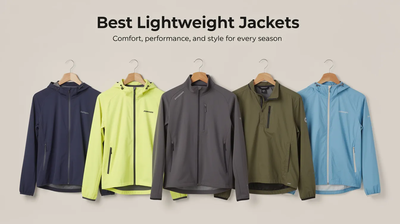
Finding the right lightweight jacket can make or break your next outdoor adventure. Whether you’re chasing alpine summits, navigating airport terminals, or commuting through unpredictable spring weather, the jacket on your back needs to deliver warmth, weather protection, and minimal weight. This guide cuts through the noise to help you find the best lightweight jackets available in 2026.
Key Takeaways
- Prioritize weight under approximately 12 oz for a true lightweight insulated jacket, and match jacket type (windshirt, rain shell, or puffy) to your primary activity before comparing models.
- Synthetic insulation dominates versatile “do-everything” lightweight jackets due to better wet-weather performance, while down remains king for dry, cold conditions where packability matters most.
- This guide covers specific model examples from 2024–2026 seasons, how to choose between them, and when to upgrade from an older jacket in your closet.
- If you want quick answers, jump straight to the “Top Lightweight Jacket Picks for 2026” section for concrete recommendations with affiliate links.
Why Lightweight Jackets Matter for Modern Outdoor Trips
Since around 2020, the outdoor gear industry has shifted decisively toward fast-and-light packing philosophies. Lightweight jackets have become essential gear for hikers, backpackers, travelers, and commuters who refuse to sacrifice comfort for mobility, just like choosing lightweight camping shoes that match your activity needs can transform how your whole kit feels on the trail.
Shaving 6–10 oz from your jacket might sound trivial on paper, but it noticeably reduces fatigue on 10–15 mile hiking days. That weight savings compounds when you’re also trimming ounces from your shelter, sleep system, and pack. For one-bag travelers navigating flights and train trips, a jacket that compresses to the size of a water bottle means more room for souvenirs and less stress at security checkpoints.
Types of Lightweight Jackets (Wind, Rain, Insulation & Hybrids)
Before diving into specific models, you need to identify what kind of lightweight jacket actually matches your needs. The differences between categories matter more than brand names or price tags.
Lightweight Wind Jackets (Windshirts)
These ultralight shells typically weigh 2–5 oz and use 5–20D nylon fabrics with minimal features. They excel at blocking wind chill at exposed summits or on alpine ridges during summer months. A windshirt offers wind resistance without trapping excessive body heat during high-output activities.
Best for: Trail running, summer alpine ridges, backup layer in a daypack
Lightweight Rain Shells
Rain jacket options in the lightweight category often weigh 6–12 oz and feature 2.5-layer or 3-layer waterproof-breathable membranes with fully taped seams. These are designed for hikers in reliably wet climates who need hours of protection from light rain or intermittent showers without carrying a heavy rain jacket.
Best for: Pacific Northwest hiking, UK trail walks, shoulder-season backpacking where pairing your shell with reliable backpack rain covers for wet conditions keeps your spare layers and sleep system dry.
Lightweight Insulated “Puffy” Jackets
The warm jacket category typically ranges from 8–16 oz and uses down or synthetic fill. These serve as 3-season outer layers during moderate weather or winter mid-layers under a hardshell. The patagonia nano puff hoody and similar designs have popularized this category.
Best for: Camp warmth, rest breaks, cool weather hiking, everyday use
Active Insulation Hybrids
These hybrids combine synthetic front panels with stretch fleece or breathable fabric on the sides and back. They’re engineered for high-output activities like backcountry skiing, nordic skiing, or chilly trail runs where you need to dump heat without stopping to de-layer, and they pair well under fully waterproof ski jackets built for resort or backcountry use.
Best for: Ski touring, fast hiking, winter trail running
The article sections that follow recommend specific examples in each category,
Top Lightweight Jacket Picks for 2026
This section provides concrete product examples across categories. These jackets are widely available in 2026 on Amazon or major retailers, with options for both men’s lightweight jackets and women’s versions, while some hikers may instead prefer backpacking rain ponchos that double as pack covers or minimalist shelters.
Insulated Synthetic Jackets
- Weight: ~13 oz
- Insulation: Coreloft Compact
- Best for: Active hiking, commuting, layering under shells
- Features breathable fabric panels that make it excellent active insulation
- Weight: ~14 oz
- Insulation: Stratus synthetic
- Best for: Alpine climbing, ski touring, high-output cold weather activities
Lightweight Down Jackets
Mountain Hardwear Ghost Whisperer/2
- Weight: ~8 oz
- Insulation: 800-fill down
- Best for: Ultralight backpacking, minimalist travel
- Stuffs inside its own pocket, uses 10D ripstop nylon
Ultralight Shells
Outdoor Research Helium (2025–2026 version)
- Weight: ~6 oz
- Fabric: 2.5-layer waterproof-breathable
- Best for: Thru-hiking, minimalist backpacking
We encourage you to shortlist two or three jackets from this list that match your climate and activity level, then read the deeper advice sections below to make your final choice.
Ultralight Shells Explained (Wind & Rain Under About 10 oz)
This section focuses on non-insulated ultralight shells—the kind of light jackets that mountain runners and thru-hikers rely on to cut weight without sacrificing weather protection.
Ultralight Wind Jackets
Weighing around 2–4 oz, these shells use 7–10D nylon and offer excellent wind protection at summits or in exposed alpine zones. The Black Diamond Distance Wind Shell stands out as one of the lightest and most packable hooded shell options available, and it fits well with compact chest bags designed for running, hiking, and travel essentials. These jackets provide minimal rain protection but excel at blocking wind chill during high-output activities.
Ultralight Rain Shells
True ultralight rain shells use 2.5-layer or 3-layer fabrics with fully taped seams, typically weighing 6–9 oz. They handle hours of intermittent rain without the bulk of a traditional 16–20 oz raincoat. The Outdoor Research Helium and Rab Phantom exemplify this category, offering water resistant performance with a water repellent finish that beads moisture effectively.
Tradeoffs to Consider
Lighter fabrics come with durability compromises. A 7D shell fabric tears more easily on thorny bushes or rough rock than a 20D alternative. If you regularly bushwhack or scramble, accepting a few extra ounces for abrasion resistance makes sense.
Model Examples:
- Rab Phantom: 3-layer construction, excellent breathability for mountain running
These shells work best as part of a layering system rather than as a stand alone layer in severe weather conditions, especially when combined with a dependable canteen setup tailored to your hydration and packing needs.
Lightweight Insulated Jackets: Synthetic vs Down
Lightweight insulated jackets in the 8–16 oz range serve as primary warm layers from autumn through spring or as winter mid-layers. Your choice between synthetic insulation and down depends on your typical weather conditions and activity patterns.
Down Jackets
High-fill-power down (800–1000 fill) provides superior warmth-to-weight ratio and compressibility. The Rab Mythic uses 900-fill power down with Pertex Quantum Pro fabric, achieving weights under 300 grams while delivering warmth that synthetic can’t match at the same weight.
Key down specifications in 2026:
- Standard tier: 750–850 fill power
- Premium tier: 850–900 fill power
- Ultra-premium tier: 1000 fill power
The La Sportiva Lumina 200 achieves a remarkable 50% down-to-weight ratio with 1000 fill power, offering the highest warmth-to-weight ratio among ultralight options. However, even with hydrophobic treatments and dwr coating, down loses insulating power when soaked.
Our Recommendation
Beginners and frequent travelers should lean toward synthetic lightweight puffies for versatility. The nano puff and similar designs handle a wider range of weather conditions without requiring careful moisture management. Experienced backpackers planning dry, cold temps trips may invest in a premium down jacket for the weight savings and packability.
How to Choose the Right Lightweight Jacket for Your Activity
Different activities demand different jacket characteristics. This decision guide helps you match jacket type to your primary use case.
Day Hiking and Weekend Backpacking
A combination approach works best: carry an ultralight rain shell plus a mid-weight synthetic puffy around 10–14 oz for camp and rest breaks. This system provides flexibility for changing weather conditions without the bulk of a heavier jacket.
For cooler temperatures in shoulder seasons, the extra layer of a synthetic insulated jacket prevents chills during breaks without adding excessive weight, and hammock sleepers may add hammock-specific blankets and underquilts to stay warm at camp.
Packability trumps everything for travelers. Choose a jacket that stuffs inside its own pocket or hand pockets with a carabiner loop for attachment. Wrinkle resistance and neutral styling that works both in cities and on trails add practical value.
Everyday Commuting
Focus on weather resistant synthetics that shed drizzle with effective moisture resistance. Hand pockets that keep fingers warm, internal pockets for phones or wallets, and styling that pairs with office or casual clothes all matter for daily wear.
Key Features to Look For in a Lightweight Jacket
Once you’ve chosen the jacket type, fine details like hood design and pocket layout determine day-to-day satisfaction. Not all lightweight jackets are created equal in these areas.
Hood Design
Hood option matters more than many buyers realize. An adjustable hood with single or three-point adjustments seals out drafts on windy ridges. Helmet-compatible hoods suit climbers, while trim hoods work better for travelers and commuters.
Some prefer hoodless jackets for cleaner styling and reduced weight, layering a separate beanie or balaclava when needed.
Layering Strategies with Lightweight Jackets
The warmest and most versatile setup combines a base layer, mid-layer (like fleece), and a lightweight shell or insulated jacket as the outer layer.
3-Season Hiking System
A proven combination for moderate weather:
- Base layer: Synthetic or merino wool shirt
- Mid-layer: Light fleece or grid fleece
- Outer layer: Wind or rain shell, plus puffy for camp
This system adapts to temperature swings throughout the day. Add the insulated jacket at rest stops, remove it during climbs.
Simplified Active System
Active insulation jackets can sometimes replace a separate fleece and shell for shoulder-season outings. When weight savings and simplicity matter, a single breathable fabric insulated layer handles mild outdoor activities efficiently.
Winter Layering
For backpacking or backcountry skiing in cold temps:
- Lightweight down or synthetic puffy under a hardshell
- Extra belay-weight puffy for long, static breaks in sub-freezing conditions
- The heavier jacket comes out only for extended stops
Avoiding Sweat Buildup
Moisture management keeps you warm and comfortable:
- Start slightly cold; you’ll warm up while moving
- Vent often using zippers and pit zips if present
- Favor breathable fabric when you know you’ll be moving hard
- Regulate body heat by adjusting layers before overheating
Care, Durability & When to Replace Your Lightweight Jacket
Taking care of a lightweight jacket can extend its usable life to 5–10 years, saving money and reducing waste. Personal preference varies, but most users get more value from proper maintenance than from frequent upgrades.
Washing Synthetic Insulated Jackets
- Use technical wash (not standard detergent)
- Gentle cycle, cold or warm water
- Low heat tumble-dry to restore loft
- Avoid fabric softeners, which can damage DWR treatments
Washing Down Jackets
Down requires more careful handling:
- Use down-specific wash
- Rinse thoroughly to remove all detergent
- Tumble dry on low with clean tennis balls or dryer balls
- Dry completely to prevent mildew and restore loft
Refreshing DWR (Durable Water Repellent)
The water repellent finish on your jacket wears off over time. When water stops beading on the fabric:
- Apply spray-on or wash-in DWR treatment
- Heat activation (dryer or iron on low) helps restore performance
- Consider PFC-free DWR options for environmental reasons
Many 2026 jackets use PFC-free DWR formulations like Toray NANODESIGN, reflecting evolving environmental standards.
Signs It’s Time to Replace
- Cold spots from compressed insulation that no longer lofts
- Shell fabric delamination or peeling
- Broken zippers that are difficult or costly to repair
- Repeated wet-out even after DWR renewal
FAQ
How light should a “lightweight” jacket be in 2026?
For most hikers and travelers in 2026, a truly lightweight insulated jacket falls roughly between 8–16 oz (225–450 g). Ultralight shells drop below 8 oz, with some wind jackets hitting sub-3-oz territory.
Going lighter often means sacrificing some durability and features. A jacket using 7D shell fabric weighs less warmth per ounce but tears more easily than 20D alternatives. Balance weight against your expected use and budget. One tester might prioritize absolute minimum weight for a thru-hike, while another prefers slightly more durability for year-round versatility, much like choosing between ultralight or durable picks in the best hiking books that chronicle long-distance trails and backcountry journeys.
Can one lightweight jacket work for all seasons?
A single jacket can cover most 3-season trips (spring to fall) when layered well but usually proves insufficient alone for deep winter or heavy rain situations. Even the best models have limits.
The practical solution: pair a lightweight puffy with a separate rain shell. This combination handles temperatures from mild cool weather down to freezing and manages both dry cold and wet conditions. For full reviews of complete layering systems, check our other guides on shoulder-season backpacking setups.
Is it worth paying more for premium brands like Arc’teryx.
Premium brands often use higher-end fabrics, more precise patterning, and better quality control. The Arc’teryx Cerium SL earns high marks for warmth-to-weight ratio because of 1000-fill power down and strategic synthetic insulation placement. These details translate to better comfort and longer lifespan.
Should I size up my lightweight jacket to fit more layers underneath?
Follow each brand’s size chart carefully and consider how many layers you’ll realistically wear. Often a regular fit in your usual size leaves adequate space for a base layer and thin fleece. The north face thermoball and similar designs typically include room for light layering in standard sizes.
Oversizing too much creates drafts, reduces warmth, and makes the jacket uncomfortable under a backpack hipbelt or harness. If you regularly layer a thick fleece underneath, consider sizing up only one size rather than two.
Are lightweight jackets durable enough for off-trail bushwhacking?
Many ultralight wind and rain shells use very thin (10–15D) fabrics that can snag on thorns or sharp rock. They’re optimized for trails and open terrain, not for pushing through dense brush.
Frequent off-trail hikers should choose jackets with slightly heavier (20–40D) face fabrics, accepting a few extra ounces in exchange for significantly better abrasion resistance. The carhartt rain defender line, while not ultralight, demonstrates how heavier fabrics handle rough use. For your next trip into thick vegetation, prioritize weather resistance over absolute minimum weight.
The right lightweight jacket transforms how you move through the outdoors—turning cold, wet, or windy conditions into manageable challenges rather than trip-ending problems. Start by matching jacket type to your primary activity, then narrow by weight and budget.
Ready to find your next jacket? Head back to our Top Picks section to compare specific models, and remember that Genuine Wild earns affiliate commissions when you shop through our links.

Member discussion